Solar Registration, CoC and Eskom Approval: Get Free Quotes for Compliance Help
Free quotes from registered electricians and solar installers across South Africa. One request, no obligation.
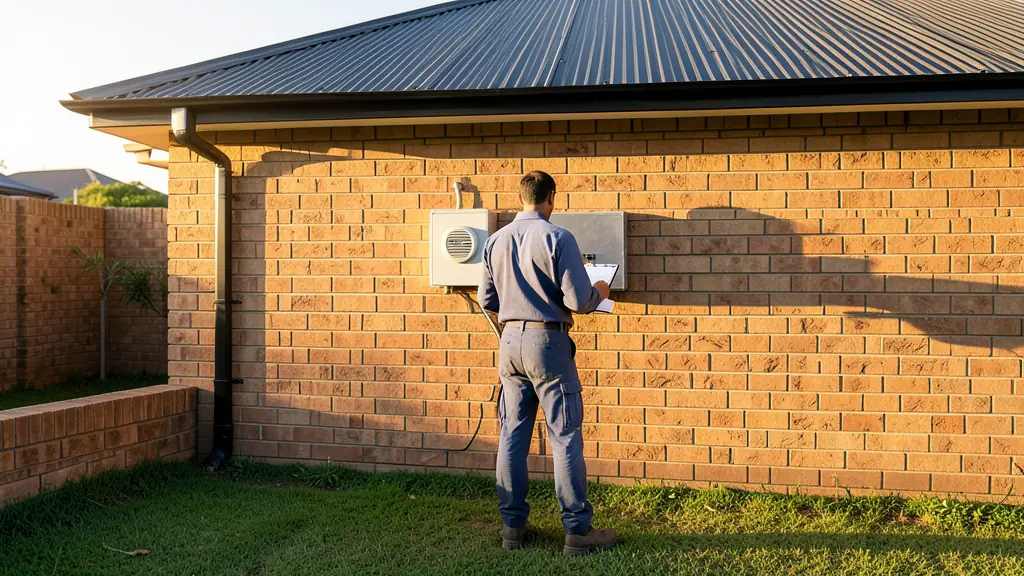
Before a solar system is connected to the grid, the paperwork matters as much as the panels. SolarPanel.co.za is a free quote service for solar work in South Africa. Submit one form and we pass your request to independent installers and electricians in your area who handle certificates and registration. We do not install, certify or register anything ourselves, and we are not a regulator. There is no fee and no obligation, so you can compare quotes first.
Do I need to register my solar system with Eskom or the municipality?
Rules differ by supplier of electricity, so check yours. In general, municipalities and Eskom require small-scale embedded generation (SSEG) registration or approval before you connect a grid-tied or hybrid system. This applies even if you never feed power back, because your inverter can still interact with the network.
The people searching for an Eskom solar installation exemption are usually asking whether small systems can be installed without a licence. The answer depends on the size and on whether the system connects to the grid. A fully off-grid system, with no connection to the municipal supply, is usually simpler. Always confirm with your municipality or Eskom before you buy. Our grid-tied solar systems page explains how connection works.
The Electrical Certificate of Compliance for solar
Electrical work in South Africa must comply with the wiring code, SANS 10142-1, and a registered electrician issues a Certificate of Compliance (CoC) when it does. For solar PV, SANS 10142-1-2 covers embedded generation installations.
- A CoC is normally needed when you sell the property, and insurers may ask for it.
- Adding panels, batteries or a hybrid inverter to an existing installation can require a new or updated certificate.
- The certificate should name the registered person responsible, not just the company.
Be wary of anyone who offers to install without a CoC. Unsigned work may void your insurance and cost more to fix later. Tell your insurer about the system either way.
Approved inverters, installers and the approval process
Grid-tied inverters must meet the NRS 097-2-1 standard, and most municipalities and Eskom keep an approved list of inverters. An inverter that is not on the list can be refused, however good it is. Check this before buying.
The usual steps are:
- Choose an installer and confirm they use a registered electrician.
- Submit the application with the single-line diagram, inverter details and the CoC.
- Wait for approval, and sometimes an inspection or a meter change.
- Receive permission to connect and, where offered, set up any feed-in credit arrangement.
Some municipalities publish lists of approved installers. Industry schemes such as the SAPVIA PV GreenCard also train and record installers. Ask installers what they handle, and see solar installation for what to compare.
What affects the cost of compliance work
We do not give prices. A once-off certificate on a small home system differs from approval for a business array. Quotes depend on:
- System size and whether it is grid-tied, hybrid or off-grid.
- The condition of the existing wiring and distribution board.
- Municipal or Eskom application fees, which vary by area.
- Whether drawings and load calculations are needed.
- Time to inspect, test and fix defects before certifying.
Ask the electrician to list any fixes required before they can sign.
What to include in your request
- Grid-tied, hybrid or off-grid system
- Inverter make, model and size
- Whether the system is already installed
- Municipality or Eskom supply area
- Any previous CoC or approval documents
Solar Compliance and Registration at different properties
- Family homes: a hybrid home system that needs a CoC and municipal approval before or after connecting to the grid
- Estate homes: estate rules and the municipality both involved, with approvals and certificates kept ready for the HOA
- Townhouses and flats: body-corporate consent plus municipal approval for small systems on shared roofs and distribution boards
- Farms, smallholdings and lodges: mixed off-grid and grid-connected systems needing a certificate for insurance and any Eskom connection
- Shops, offices and schools: rooftop systems requiring SSEG approval, drawings and a CoC for insurers, landlords and lenders
- Factories and warehouses: larger embedded generation applications with protection settings, studies and formal utility approval
Frequently asked questions
Does SolarPanel.co.za register solar systems or issue certificates?
Is it legal to install solar panels at home?
Do I need a CoC if my system is off-grid?
What happens if I installed solar without telling Eskom or the municipality?
Solar Compliance and Registration by province and city
- Johannesburg
- Pretoria
- Centurion
- Midrand
- Sandton
- Randburg
- Roodepoort
- Krugersdorp
- Randfontein
- Germiston
- Boksburg
- Benoni
- Kempton Park
- Alberton
- Vanderbijlpark
- Vereeniging
- eMalahleni (Witbank)
- Middelburg
- Secunda
- Mbombela (Nelspruit)
- Rustenburg
- Brits
- Klerksdorp
- Potchefstroom
- Polokwane
- Tzaneen
- Lephalale
- Kimberley
- Kathu
- Upington
- Bloemfontein
- Welkom
- Sasolburg
- Durban
- Pinetown
- Pietermaritzburg
- Richards Bay
- Newcastle
- Ladysmith
- Gqeberha (Port Elizabeth)
- East London
- Kariega (Uitenhage)
- Cape Town
- Bellville
- Paarl
- Stellenbosch
- George
- Worcester
More solar products and services
Solar panels & mounting
Solar power systems
Inverters & batteries
Solar geysers & pool heating
Solar pumps & lights
Get free solar quotes
Tell us what you need and where. An installer or supplier who works in your area quotes you directly. Free, no obligation.
Size it roughly (optional)
Tick what must keep running when the power is off. The estimate goes into your request so installers can quote closer to what you need.
5.0 kWh per kWp a day
Tick a few loads or enter your monthly units to see a size.
A rough guide only. An installer confirms the size after looking at your bill, roof and distribution board.