Battery Backup Systems for Load-Shedding: Free Quotes Across South Africa
Free quotes from solar installers across South Africa. One request, no obligation.
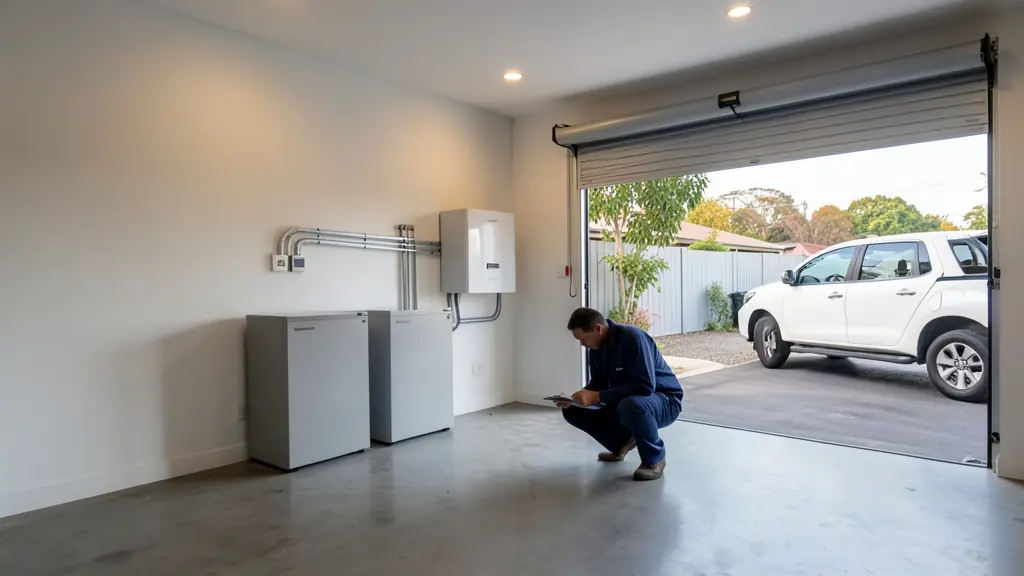
A battery backup system stores electricity and feeds your essential circuits when the grid goes down, so the lights, Wi-Fi, fridge and gate motor stay on through load-shedding or a fault. It can run from the grid alone or be topped up by solar panels. SolarPanel.co.za is a free quote service. One request reaches independent installers in your area, and they quote you directly. We do not sell, install or repair anything ourselves, and there is no cost and no obligation.
How a backup power system works
A backup system has three parts: an inverter-charger, one or more batteries, and a small distribution board for the circuits you want protected. When the grid is on, the batteries charge. When it drops, the inverter switches over, usually within a fraction of a second, and supplies the protected circuits from stored energy.
- Inverter and battery only: charges from the grid, the cheapest way to ride out load-shedding.
- Hybrid with solar: panels also charge the batteries during the day. See hybrid solar systems.
- Small UPS: a plug-in unit for a router, TV or computer.
Only essential circuits are backed up. Stoves, geysers and pool pumps usually stay off the backup board.
Choosing capacity: kVA, kWh and runtime
Two numbers decide what the system can do. The inverter's rating in kVA or kW sets how much you can run at once. The battery capacity in kWh sets how long it runs. A fridge, lights, TV and router need modest power, while a kettle, microwave or aircon needs far more.
To size it, list every item you want to keep on, its power draw and how long outages last in your area. Ask installers to explain the runtime they expect for your list. Most new systems use lithium iron phosphate (LiFePO4) batteries, which cycle deeply, last longer than lead-acid and take less space. Leave room to add batteries later if outages get longer.
Installation, safety and approvals
Batteries store a lot of energy, so installation matters. The wiring must follow SANS 10142-1 and be signed off with an Electrical Certificate of Compliance by a registered electrician. If panels are added, SANS 10142-1-2 applies as well.
- Mount batteries in a cool, ventilated place away from direct sun, damp and flammable materials.
- Use correct fusing, isolators and surge protection.
- Tell your insurer about the system and keep the certificate.
- A system that can feed power back to the grid must be registered with your municipality or Eskom before it is switched on.
Ask who services the system and what the warranty covers, including the cost of a call-out.
What affects the price of battery backup
We do not publish prices, because backup systems vary widely. The main cost drivers are:
- Inverter size and whether it is single or three phase.
- Battery capacity and chemistry.
- How many circuits need rewiring to a separate backup board.
- Whether solar panels are included now or planned later.
- Distance between the batteries, inverter and main board.
- The installer's warranty and after-sales service.
Use our home solar systems page if you also want panels. Describe your loads, and the quotes you receive will be easy to compare.
What to include in your request
- List the appliances you must keep running
- Say how long outages usually last for you
- Note single or three phase supply
- Say if you want to add solar later
- Mention where batteries could be mounted
Backup Power Systems at different properties
- Family homes: a wall-mounted inverter and lithium battery keeping lights, Wi-Fi, fridge and gate motor on during outages
- Estate homes: larger home systems with neat battery cabinets that meet estate rules and cover security and fibre during outages
- Townhouses and flats: compact inverter and battery units for flats and townhouses, often needing body corporate approval
- Farms, smallholdings and lodges: backup for homesteads, milk tanks, pumps and security, usually with generator support for long outages
- Shops, offices and schools: battery backup for tills, card machines, servers, alarms and lights so trading carries on during load-shedding
- Factories and warehouses: three-phase backup for controls, cold chain and security, with generator integration for essential production
Frequently asked questions
Does SolarPanel.co.za sell or fit backup power systems?
How long will a battery backup system last during load-shedding?
Can a backup system run my geyser, stove or aircon?
Do I need solar panels for a backup system?
Backup Power Systems by province and city
- Johannesburg
- Pretoria
- Centurion
- Midrand
- Sandton
- Randburg
- Roodepoort
- Krugersdorp
- Randfontein
- Germiston
- Boksburg
- Benoni
- Kempton Park
- Alberton
- Vanderbijlpark
- Vereeniging
- eMalahleni (Witbank)
- Middelburg
- Secunda
- Mbombela (Nelspruit)
- Rustenburg
- Brits
- Klerksdorp
- Potchefstroom
- Polokwane
- Tzaneen
- Lephalale
- Kimberley
- Kathu
- Upington
- Bloemfontein
- Welkom
- Sasolburg
- Durban
- Pinetown
- Pietermaritzburg
- Richards Bay
- Newcastle
- Ladysmith
- Gqeberha (Port Elizabeth)
- East London
- Kariega (Uitenhage)
- Cape Town
- Bellville
- Paarl
- Stellenbosch
- George
- Worcester
More solar products and services
Solar panels & mounting
Solar power systems
Inverters & batteries
Solar geysers & pool heating
Solar pumps & lights
Get free solar quotes
Tell us what you need and where. An installer or supplier who works in your area quotes you directly. Free, no obligation.
Size it roughly (optional)
Tick what must keep running when the power is off. The estimate goes into your request so installers can quote closer to what you need.
5.0 kWh per kWp a day
Tick a few loads or enter your monthly units to see a size.
A rough guide only. An installer confirms the size after looking at your bill, roof and distribution board.