Tile-Based Solar Technology Overview
Introduction to tile-based solar concepts
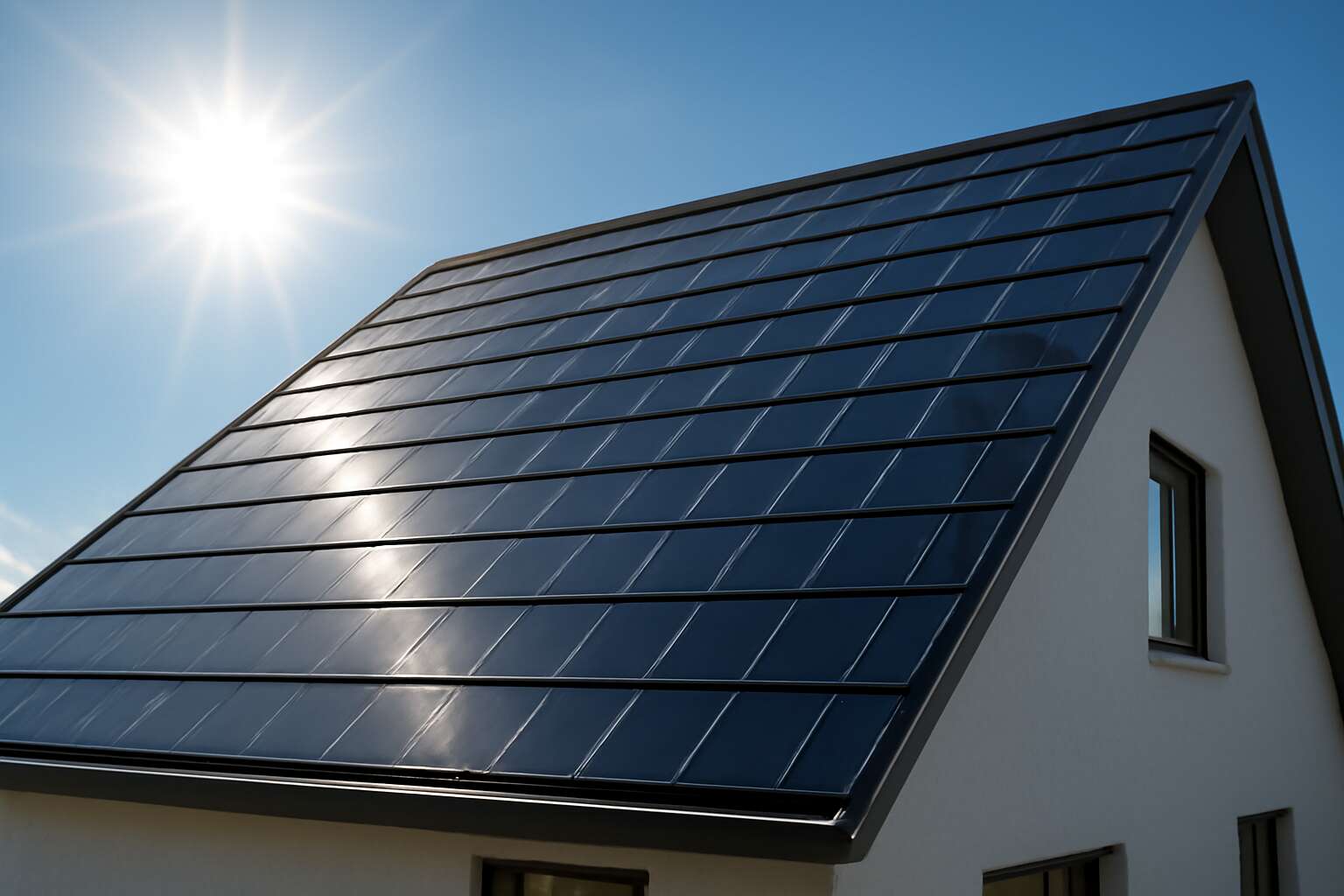
Sunlight has a stubborn habit of reimagining the familiar. Tile-based solar technology fuses photovoltaic cells with the look of ordinary roof tiles, producing solar panel tiles that both harvest power and preserve character. In South Africa, daylight is plentiful and design matters, making this approach a discreet, durable power source that never sacrifices curb appeal.
Key considerations for tile-based systems include:
- Structural compatibility and weight
- Weatherproofing and tile interlock
- Modular scalability and easy replacement
Tile-based solar concepts reshape rooftops, turning eaves and horizons into quiet generators. Solar panel tiles move from broad energy strategy to intimate rooftop spaces, offering resilience during outages and a cleaner silhouette for urban South Africa. This is architecture that learns from light, where form and function meet in tessellated harmony!
Benefits and drawbacks of solar roof tiles
South Africa receives around 2,000 kWh of solar energy per square meter each year. Tile-based solar technology turns that sunlight into a quiet, stylish power source. Solar panel tiles blend with roofing, delivering energy without sacrificing curb appeal or architectural character.
Key advantages include visual harmony, durable weather sealing, and modular upgrades.
- Visual harmony with traditional roofs
- Weatherproof interlock and long service life
- Modular replacement to fit phased upgrades
Drawbacks include a higher upfront cost, specialist installation requirements, and performance that hinges on roof orientation and shading. Warranty terms may depend on approved installers and newer roofs can complicate retrofits.
How tile-based systems compare to traditional panels
South Africa basks in some of the world’s sunniest roofs, where glare becomes reliable power that quietly warms a home on a smallholding. Tile-based solar technology hides its energy under a roofline, using solar panel tiles that pair with traditional tiles instead of sitting on top. Each tile is engineered to weather the seasons while preserving a home’s character, stitching PV function into the story of the roof.
- Stays close to the roofline for a clean silhouette
- Minimizes penetrations, preserving weather seals
- Supports phased upgrades without reworking the entire roof
Compared with traditional panels mounted on racks, tile-based systems align with the roof’s slope and avoid bulky fields along the eaves. They leverage the same sunlight, but eligibility rests on roof orientation and shading. This approach suits homes in towns and farms across the country, blending solar panel tiles with the landscape.
Key materials used in solar roof tiles
South Africa’s rooftops drink the sun, and tile-based solar technology lets that light spill into power, not glare. “The roof speaks in kilowatts,” notes an installer, a quiet chorus that seasons the day with warmth. Tile-based systems hide energy under the eaves, marrying function with character.
- Monocrystalline silicon cells integrated into a tile face
- Tempered glass or ceramic glaze for durability
- Lightweight aluminum frames and reliable interconnects
- Weatherproof encapsulants and sealants against dust
These materials align with the roof’s slope and South Africa’s climate, delivering a cohesive façade while ensuring endurance against heat and dust. For those seeking the elegance of solar panel tiles, durability and aesthetics walk hand in hand in every installation.
Common installation considerations
Rooftops are turning into energy dashboards across South Africa. With solar panel tiles, daylight becomes power and curb appeal at once. ‘The roof speaks in kilowatts,’ says an installer, and tile-based systems merge efficiency with quiet elegance, letting sun-powered virtue sit alongside a home’s character.
Tile-based solar technology blends monocrystalline cells with durable glazing, creating a façade that endures heat and dust. Installation centers on matching tile profiles to the roof slope, ensuring watertight seals, and keeping weight within the structure’s limits so the system stays practical for SA homes.
- Roof orientation and shading considerations
- Structural load and framing capacity
- Weatherproofing, flashing, and edge sealing
- Tile compatibility and warranty terms
- Maintenance access and cleaning requirements
Durability and aesthetics go hand in hand in every install, a reminder that solar panel tiles aren’t merely tech but a choice about climate-smart design for South African roofs.
Target projects and use cases
Tile-based solar technology blends seamlessly with both modern and historic South African rooftops. For target projects like mixed-use developments, upmarket townhouses, school campuses, and boutique hotels, solar panel tiles provide energy capture without compromising character.
- Residential roof upgrades that respect heritage or classic lines
- Commercial rooftops and institutional buildings needing a low-profile aesthetic
- Rural clinics and municipal facilities where durability matters
These use cases emphasise durability against heat and dust, and the ability to align with local building codes while preserving aesthetic values. In South Africa, the sun is a constant partner, making tile solutions a practical, stylish upgrade rather than an afterthought.
Design and Aesthetics for Hybrid Roofing
Architectural integration and curb appeal
Rural sun, urban clarity: a roof that wears light without shouting. In South Africa, tile-based solar systems are more than power; they’re a quiet act of design. A roof that ages gracefully helps a home, and solar panel tiles support that story.
Design and aesthetics for hybrid roofing hinge on how the roof reads from street and room, how lines align with eaves, and how colours echo local clay and veld grasses. Integration means the roof respects the home and landscape while solar panel tiles harmonize quietly.
- Harmonious colour palettes that echo the surrounding veld
- Low-profile seams that glide with roof contours
- Texture finishes that mimic natural materials
Beneath the visuals, the roof becomes a steady partner in daily life—a sun-warmed silhouette that boosts curb appeal for farms and suburbs alike. When designed with care, these tiles blend with patience and resilience, turning every sunrise into a promise.
Color and finish options for tile aesthetics
“The best roofs speak softly and last a lifetime,” a designer once whispered. In South Africa, tile aesthetics are more than function; they’re a weathered poem in clay and sun. The hue you choose should echo the veld—sand, red clay, and grasses—so the roof reads gracefully from street and room. With solar panel tiles, the sun answers in light, not fanfare; the roof ages with patience, preserving curb appeal for farms and suburbs alike.
Here are the design options that keep a hybrid roof honest and quiet:
- Matte earth tones that fade softly into veld hues
- Satin, low-sheen finishes to minimize glare under SA sun
- Texture options inspired by clay, sandstone, and grasses
Beneath the visuals, the roof becomes a steady partner in daily life—a sun-warmed silhouette that greets every sunrise with patience.
Impact on roof ventilation and airflow
The best roofs speak softly and last a lifetime,
a designer whispered. In South Africa, sun, heat, and wind shape a home as much as the walls do. With solar panel tiles, ventilation is built into the design, not chased after. When air moves beneath the tiles, attic comfort follows and cooling costs shrink.
Design and finish options affect more than curb appeal. Matte earth tones echo veld hues; satin finishes curb glare; textures draw from clay, sandstone, and grasses. These aesthetics influence heat uptake in solar panel tiles and the tiny air channels that keep the roof breathing.
- Integrated air channels that guide warm air toward ridge vents for continuous convection
- Raised tile profiles create a deliberate gap for airflow without compromising the look
- Texture and finish choices that reduce surface heat gain while keeping tiles visually cohesive
Weather resistance and durability of tile interfaces
South Africa’s sun is a loyal companion, and the roof should be its partner. In trials across coastal and inland towns, hybrid roofing that blends tiles with energy harvesting cut attic heat by up to 18% on peak days. Design here is more than looks; it’s a practice of durability, comfort, and value. Solar panel tiles turn a roof into a living skin that breathes with the seasons.
Design and finish options extend beyond curb appeal. Matte finishes and tactful textures tune heat uptake and keep the roof visually cohesive with its surroundings.
- Integrated air channels for convection
- Raised tile profiles for airflow without visual disruption
Durability matters as much as aesthetics. The strongest tile interfaces resist wind uplift and rain, with integrated air channels guiding warm air toward ridge vents for steady convection. Solar panel tiles thus promise weather resilience that supports the South African home.
Compliance with building codes and warranties
A roof that pairs sturdiness with beauty can be the heart of a South African home. Solar panel tiles fuse architecture with energy, offering lines that feel both timeless and modern. They’re designed to comply with building codes and carry warranties that give homeowners confidence through seasons of heat and rain. In a country where sun is a daily companion, this design choice turns a roof into a durable statement of comfort and value.
- Code compliance that aligns with SANS and local authorities for installation and performance
- Warranty-backed coverage protecting both the roof and energy yield
- Finish options that resist fading and weathering while blending with the home’s character
When design meets compliance, the roof becomes a lasting partner to the home. The quiet textures and carefully chosen finishes keep the silhouette cohesive with the neighbourhood while supporting peace of mind for years to come.
Performance, Efficiency, and Durability
Efficiency ratings and output under real-world conditions
Performance on a roof depends on more than a label! Real-world efficiency for solar panel tiles varies with climate, heat, and how clean the surface stays. In South Africa’s bright sun, modules can push strong outputs, yet elevated temperatures dampen the cell surface and reduce voltage. Under actual conditions, the tile’s electrical characteristics shift, delivering different kilowatt-hours than the STC rating suggests.
- Shading from trees or nearby structures
- Soiling and dust from wind-blown SA dust
- Temperature effects on voltage and current
- Roof orientation and airflow around tiles
Durability under South Africa’s weather means more than a rain shower! The longevity of solar panel tiles hinges on hail resistance, UV exposure, and secure mounting; a robust tile interface keeps output stable through seasons and protects investment over time.
Durability in extreme climates and hail resistance
Performance on a roof isn’t just a lab number—real-world outputs can swing up to 15% under South Africa’s sun. In this context, solar panel tiles push strong outputs, but high heat clips voltage. Shading, dust, and how clean the surface stays also shift the energy you harvest. Orientation matters too.
Efficiency under real conditions hinges on climate and heat. In our climate, high daytime temps reduce voltage while dust and soiling cut light capture, so performance can drift from the label. Regular cleaning, thoughtful placement, and proper ventilation around the roof help keep the efficiency curve favorable.
Durability under South Africa’s extremes is about more than looks. Hail resistance, UV exposure, and robust mounting determine whether today’s tiles survive tomorrow’s weather. A well-engineered tile interface stays reliable through seasons and protects your investment over time.
- Hail resistance and impact durability
- UV stability and weatherproof seals
- Secure mounting and corrosion resistance
Longevity and maintenance requirements
Performance on a roof isn’t a lab number. Real-world outputs can swing up to 15% under South Africa’s sun, and that’s the punchline: climate, orientation, and surface cleanliness matter. Solar panel tiles push strong outputs, but high heat clips voltage, and shading or dust can tilt the harvest.
Efficiency under real conditions hinges on climate and heat. In SA’s sun, daytime temps shave voltage while dust and soiling cut light capture, so performance may drift from the label.
- Dust, debris, and soiling impacting light capture
- Shading patterns and seasonal sun angles
- Ventilation around the tile interface to disperse heat
Durability longevity remains about weather resilience. Hail resistance, UV exposure, and robust mounting keep tiles intact across seasons, protecting the investment. Maintenance involves monitoring seals and fasteners, and guarding corrosion-prone joints, with water channels kept clear to prevent leaks.
Snow shedding and performance in winter
Winter on the roof isn’t marketing fluff—it’s a real test. Snow shedding matters, even in SA’s chillier corners, because every cleared patch boosts output. Solar panel tiles are engineered to shed snow and keep harvests robust, so frosty mornings don’t dampen the day.
Efficiency under winter conditions depends on shading, dust, and how heat builds up in the tile interface. Cooler daytime temps can help voltage stability, but low sun angles reduce light capture. Ventilation around the tile edges helps distribute heat and steady performance.
- Snow shedding effectiveness in winter
- Shading patterns from low sun angles
- Heat dispersion around tile interfaces
Durability stays critical: hail resistance, UV exposure, and sturdy mounting withstand winter weather. Regular checks of seals and fasteners, plus clear drainage, protect against leaks and corrosion, ensuring the investment remains trouble-free through seasons for solar panel tiles.
Impact of shading and partial illumination
Performance on a roof is never a straight line. Partial illumination from passing clouds drapes the panels in a whisper of watts. For solar panel tiles, even a slender shade patch can trim output as circuits re-balance and nearby cells shoulder extra burden.
Efficiency improves when shading is predictable and spread across the surface. A tile design that channels current evenly helps prevent hotspots while cooler daytime temps keep voltage steadier. When sun angles drift, edge ventilation around the tile edges acts like a breath of wind, sustaining yields.
Durability follows this performance arc: shading tests the reliability of seals and mounts, not the material itself. A robust frame and clear drainage reduce stress at interfaces, ensuring a longer, quieter life for your roof-mounted system.
Cost, Financing, and ROI
Initial costs and long-term savings
Across South Africa, a roof fitted with solar panel tiles can trim monthly electricity bills by up to 40% in sunny months. The upfront investment is meaningful, but the long-term return arrives as a quiet, dependable power source that also protects a rural home from rising tariffs. For farms and homesteads, the sun is a neighbor—one that pays back with steady energy year after year.
- Cash purchase for maximum long-term savings on solar panel tiles.
- Green loans or bank financing tailored for solar projects.
- Supplier financing or a power purchase arrangement (PPA).
Over the long term, savings grow as tariffs rise and maintenance stays minimal. Payback often falls within 6 to 12 years, depending on sun exposure. Beyond reduced bills, the system adds resilience and can lift property value, making the investment feel as enduring as a well-tended hedge.
Financing options and incentives by region
Sunlight pays a quiet wage in South Africa. A roof fitted with solar panel tiles can shave monthly bills by as much as 40% in peak sun months, and I’ve watched that steady power become a reliable neighbor.
Cost and financing come in layers. Upfront cash purchases maximize long-term savings, but green loans, bank financing for solar, and supplier financing or PPAs spread the burden.
- Cash purchase for maximum long-term savings
- Green loans or bank financing tailored for solar projects
- Supplier financing or a power purchase arrangement (PPA)
ROI depends on sun exposure and tariff trends; incentives vary by region. In South Africa, municipal rebates and net-metering options exist where available, shaping the payoff for farms and homesteads. For these roofs, solar panel tiles remain a durable hedge against rising tariffs.
Installation timelines and contractor considerations
Cost sits in layers: an upfront cash purchase can unlock the steepest long-term savings, especially when you’re outfitting a roof with solar panel tiles. The immediate outlay competes with the comfort of predictable energy bills, but the payoff grows as tariffs shift and daylight remains your ally.
Financing offers several paths to spread the burden, from green loans to supplier financing and PPAs. Choose terms that match project timelines and cash flow.
- Green loans tailored for solar projects
- Bank financing with solar-specific terms
- Supplier financing or PPAs with predictable payments
ROI hinges on sun exposure, regional tariff trends, and how swiftly installs can be scheduled. In South Africa, sun patterns vary by region, shaping the payoff; installation timelines and contractor considerations depend on roof geometry, accessibility, and the diligence of licensed installers and warranties.
Replacement and resale value implications
On a sun-drenched Cape morning, solar panel tiles begin their quiet coronation above the tiles and tiles of the roof, delivering savings that feel almost magical—often slicing daytime grid use by as much as 60% in sunny pockets across South Africa.
Cost considerations unfold in layers: a higher upfront purchase can unlock steep long-term savings, while financing routes—green loans, bank terms tailored for solar, supplier financing or PPAs—offer predictable cash flows that align with project timelines.
- Green loans tailored for solar installations
- Bank financing with solar terms
- Supplier funding or PPAs with fixed payments
ROI hinges on sun exposure and tariff trends; in SA, regional daylight patterns and timing of installs influence when returns materialize. Replacement or resale value can rise as buyers value quiet power and a modern roof—these solar panel tiles become a coveted feature in markets that prize efficiency and curb appeal.
Comparing with traditional solar installations
Cost is layered: higher upfront for solar panel tiles—the premium price for roof-grade integration, weatherproof seals, and a clean, uninterrupted silhouette. From where I stand, that outlay pays off as sunlit days shrink daytime grid use, and the tiles look showroom-ready. Compared with traditional solar installations, the long-term savings and seamless roof often tilt the balance in sun-drenched South Africa.
Financing options can soften the sting:
- Green loans tailored for solar installations
- Bank financing with solar terms
- Supplier funding or PPAs with fixed payments
ROI hinges on sun exposure and tariff trends; in South Africa, daylight patterns and installation timing matter, so returns arrive at different speeds. Replacement or resale value climbs as buyers prize quiet power and a chic, durable roof, turning these tiles into a coveted feature rather than a compromise.
Warranty and service plans
Cost-wise, solar panel tiles carry a higher upfront price than traditional roof arrays, thanks to roof-grade integration and weatherproof detailing. Yet the payoff comes as daylight powers through the day with less grid reliance, while the roof keeps a sleek, showroom finish.
Financing options soften the sting.
- Green loans for solar installations
- Bank financing with solar terms
- Supplier funding or PPAs with fixed payments
ROI depends on sun exposure and tariff trends; in South Africa, daylight patterns and installation timing shift when returns arrive. These tiles often boost resale value as buyers prize quiet, durable power and a roof that remains a feature, not a compromise.
Warranty and service plans offer protection: expect a long product warranty, a separate performance warranty, and optional maintenance visits to inspect seals and keep surfaces clean.

0 Comments