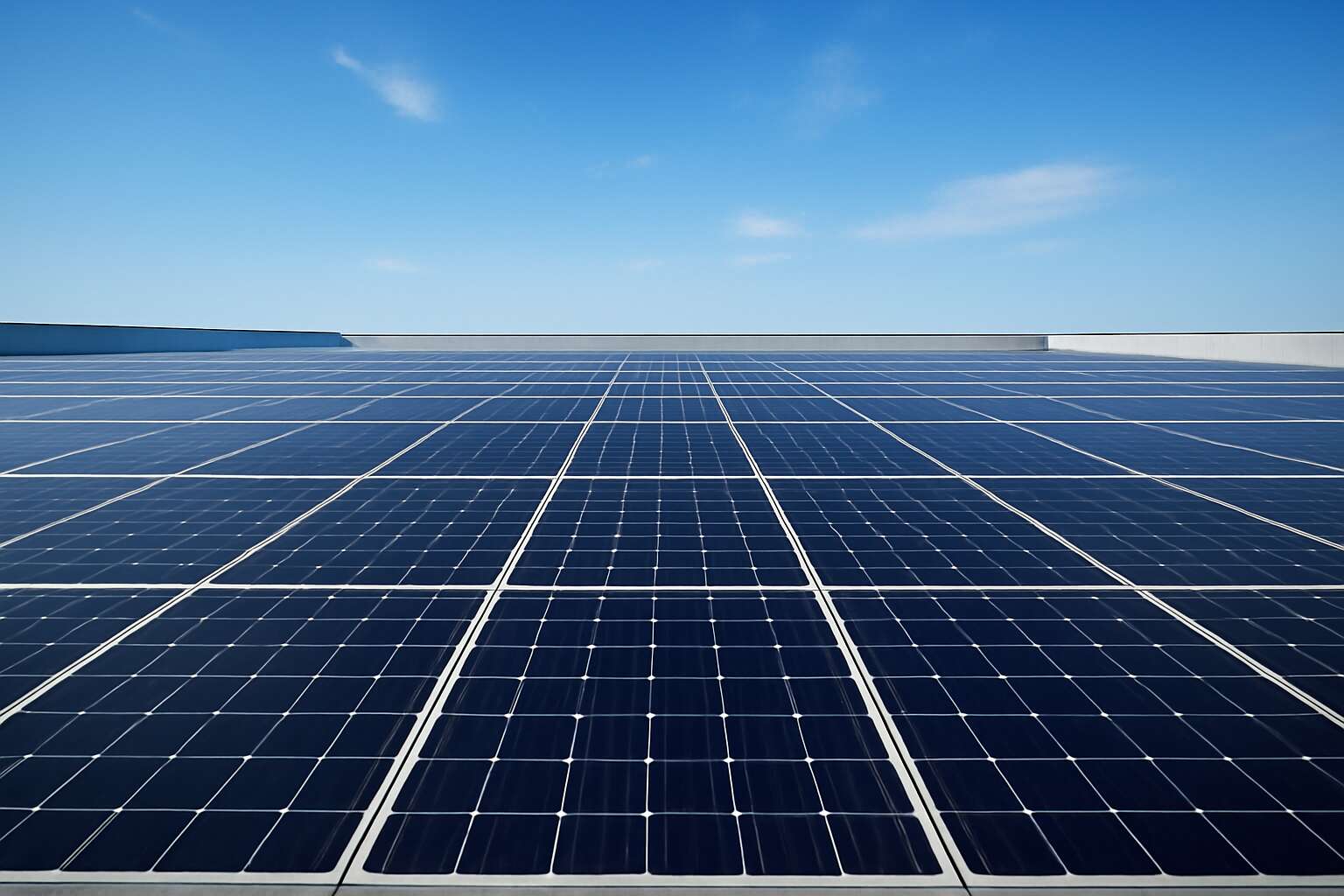
Monocrystalline solar panels overview
What is a monocrystalline solar panel
In South Africa, the sun pours roughly 2,500 hours of bright energy into our skies each year, turning rooftops into quiet power plants. A mono solar panel is the sleek, efficient actor in this solar narrative, soaking rays and singing back power!
Crafted from a single crystal of silicon, these wafers are known for higher efficiency and cleaner aesthetics on a rooftop. They convert more sunlight into usable electricity than many alternatives, even when light falters in late afternoon.
- Compact footprint with strong performance per square meter
- Clean lines and uniform appearance on any roof
- Durability that thrives under South Africa’s sun and heat
With SA’s rising electricity costs, these panels offer a compelling balance of price and performance, making solar feel practical and almost lyrical.
How monocrystalline panels are manufactured
Power on the roof has a backstage crew: a precision dance of silicon and heat. The mono solar panel you picture starts with a single silicon crystal—grown, sliced, and polished with the patience of a craftsman. The result is efficiency with quiet, confident swagger.
Manufacturers often use the Czochralski method to pull a pure silicon boule from melt, then slice it into wafers. Those wafers are doped, coated with an anti-reflective layer, and passivated to reduce electron traps that steal energy.
From there, cells are wired into strings and laminated into modules, with sturdy frames designed to shrug off SA’s heat and dust. The result is clean lines and dependable performance, sunny days included.
For a quick snapshot of the journey from crystal to panel, consider these milestones:
- Crystal growth for mono solar panel, pulling a boule
- Wafering and edge trimming
- Doping and surface passivation
- Module lamination and framing
Key advantages and limitations
South Africa’s sun is a national resource—roughly 2,500 hours of sunshine a year, turning rooftops into energy generators. The mono solar panel stands out for its sleek, continuous look and superb efficiency, maximizing power on compact spaces while staying quietly reliable through SA’s heat and dust.
Best described as a high-efficiency workhorse, the mono solar panel taps strong returns with a smaller footprint than many alternatives. Yet it carries a premium price and sensitivity to high temperatures that can curb output on scorchingly hot days.
- Top-tier efficiency for limited roof space
- Excellent long-term durability under SA conditions
- Higher upfront cost compared with some polycrystalline options
- Temperature sensitivity means best results in moderate heat
In projects across South Africa, the mono solar panel blends performance with elegance, delivering dependable energy when the sun is at its strongest.
Common applications and ideal use cases
South Africa enjoys roughly 2,500 hours of sunshine a year, turning rooftops into power stations. A mono solar panel condenses that sun into steady electricity with top-tier efficiency, making it ideal for compact spaces and clean energy goals. It’s a durable workhorse built to endure SA’s heat and dust, delivering reliable output across long, sun-drenched days.
Common applications and ideal use cases include:
- Residential rooftops where space is tight but aesthetics matter
- Small commercial installations needing steady, visible ROI
- Remote off-grid sites that require dependable power provisioning
- Portable kits for caravans, workshops, or temporary setups
In South Africa, these panels blend performance with practical design, turning sun into reliable energy wherever it shines.
Efficiency and performance of monocrystalline panels
Efficiency ranges for mono panels
Sunlight is South Africa’s most honest currency, and a well-made mono solar panel turns that currency into dependable power. Across the country, radiant days push efficiency to the limit, rewarding steady exposure with meaningful output. From coast to veld, photons become watts with rare grace.
Efficiency for mono panels typically sits around 20% to 23% for standard products, with higher-end cells reaching 24% to 26% in ideal conditions. In practice, the temperature coefficient matters—the hotter it gets, the more output dips. I see well-tuned setups thrive in SA’s sun.
- Average efficiency: 20%–23%
- Premium cells: 24%–26%
- Temperature impact: about -0.3% to -0.5% per °C
As demand grows in homes and businesses, performance stays resilient when panels are kept clean and angled to catch morning and afternoon light. The mono solar panel packs more energy per square metre, helping owners maximize rooftop real estate and reduce balance-of-system costs.
Temperature, shading, and impact on performance
South Africa basks in gold-level sunlight, and a mono solar panel can turn daylight into dependable power. Typical models sit around 20–23% efficiency, while premium cells reach 24–26% in ideal light, turning radiant days into steady watts.
Temperature sensitivity: every extra degree can shave 0.3% to 0.5% off output. In SA’s heat, that matters as panels climb toward noon; performance curves bend but remain resilient with cool mornings and cooler evenings.
Shading and dust shift the numbers quickly.
- Partial shading can cause disproportionate losses
- Dust and soiling reduce light capture
- Heat amplifies efficiency drop through the temperature coefficient
Across cities and towns, the mono solar panel remains a compact powerhouse, delivering more energy per square metre and keeping rooftop real estate lean as daylight dances across the sky.
Role of bypass diodes and reliability
A single watt saved on SA rooftops translates into real savings, and a well-tuned mono solar panel turns daylight into steady power. Monocrystalline cells keep a strong grip on performance through heat and haze, thanks to tight engineering and high-purity silicon. Bypass diodes help protect output when shade grazes a corner of the panel, letting current bypass blocked cells so the rest keeps humming.
- Bypass diodes limit shading losses and protect the circuit
- Hot spots are mitigated, boosting long-term reliability
- Maintenance needs stay minimal in sunny climates
In practice, the performance story of the mono solar panel rests on solid materials, thoughtful layout, and enduring design—factors that keep energy moving even when conditions wobble.
Durability, warranties, and quality indicators
Across South Africa’s sun-drenched rooftops, a 300W mono solar panel can deliver roughly 1.5 kWh on peak sun days, turning daylight into dependable power. The daybreak energy becomes a steady companion, quietly shaving bills while the sky stays bright.
Efficiency and performance hinge on more than silicon alone. Tight cell geometry and high-purity materials resist heat and dust, keeping output steady as the sun arcs across the sky, so households enjoy reliable power in vibrant climate variety.
Durability, warranties, and quality indicators provide the confidence that a long-term energy investment deserves. Look for robust framing, clear certification, and transparent test results that signal resilience against SA’s diverse weather.
Quality markers to note:
- 25-year warranty expectations
- SABS/IEC certifications
- Solid build: tempered glass, anodised frame
Cost, value, and ROI for monocrystalline solar panels
Upfront costs, financing, and incentives
Sunlight is free; the problem is paying the bill. In SA, electricity tariffs have climbed by double digits in recent years, pushing homeowners to look up rather than out for savings. A well-placed mono solar panel setup can start turning daylight into cash flow today.
Upfront costs for monocrystalline systems are higher, but the efficiency punch means more watts per square meter and faster payback. Financing options and incentives help soften the sticker shock, with predictable payments and long-term savings.
- Cash purchases
- Solar loans
- PPAs and leasing
- Incentives and rebates
ROI hinges on how you use power, daytime tariffs, and system maintenance; many homes see a payback window of about 5 to 7 years, with ongoing energy savings thereafter—no smoke and mirrors. The result is a durable asset that stabilizes bills without sacrificing comfort.
Long-term savings and payback period
South Africa’s sun is an overachieving accountant: it bills the grid by noon and quietly credits your wallet by late afternoon. A mono solar panel setup can start turning daylight into cash flow right away, letting you skim a little profit from your daytime energy binge.
Long-term value comes from higher watt density, meaning you can generate more power with fewer rooftop panels. That efficiency translates into steadier savings, a faster payback, and less space to worry about—even in a bustling SA suburb where space is a currency.
- More watts per square meter reduces roof crowding
- Lower maintenance and durable warranties boost confidence
- Predictable bills as tariffs shift, with stable, long-term gains
That combination makes the mono solar panel a durable asset—quiet, dependable, and ready to turn daylight into long-term savings.
Price trends, market factors, and supply considerations
Sun-powered assets are trending downward in price, and the mono solar panel is a prime beneficiary—clear skies for ROI. As scale and efficiency rise, upfront costs shrink while lifetime value climbs, delivering faster ROI as tariffs sway and daylight becomes a reliable cash flow. In South Africa, that means a smaller barrier to entry and a bigger cushion against fluctuating electricity prices.
Value hinges on price trends, market dynamics, and supply reliability. Price trends are edging lower with bulk buying and better logistics; market factors include policy incentives and local demand; supply considerations span manufacturing capacity and shipping timelines. When these align, ROI compounds and turns a sunlit asset into a dependable, long-term performer for any SA rooftop.
- Price trends: steady declines with scale
- Market factors: policy incentives and demand
- Supply considerations: capacity and logistics
Tax incentives, rebates, and regional programs
Sunlight is a currency that compounds, and in South Africa the ROI story for a mono solar panel grows brighter with every clear day. Cost considerations remain real, but tax incentives, rebates, and regional programs soften the upfront load and shorten the payback window, turning rooftop upgrades into resilient investments. The choreography of price, policy, and sunshine writes a clear, sunlit line toward profitability—more predictable daylight, more dependable revenue. Brightens the ledger!
Value lies in the alignment of durable build and enduring performance with policy support, creating a stability that outlasts volatile tariffs and grid prices. Even when storms roll in, long-term cash flow from clean energy offsets bills, yielding quiet, stubborn savings as regional programs mature. The asset remains scalable for SA rooftops, where incentives ensure the numbers stay compelling and practical rather than speculative.
Installation, system integration, and technology comparisons
Rooftop versus ground-mounted installations
Across South Africa, a rooftop system can turn bright afternoons into reliable power even when the grid falters. Installation and system integration frame the choice between rooftop and ground-mounted setups. A mono solar panel on a home’s roof blends with the skyline while delivering steady energy, whereas a ground-mounted array can be tilted for optimal sun, making maintenance easier and future upgrades more flexible. For many households, this is resilience!
- Site assessment for optimal sun exposure
- Roof structure, mounting hardware, and roof integrity
- Maintenance access and routine cleaning
Technology differences between rooftop and ground-mounted installations come down to tilt, shading management, and wiring design. Rooftop layouts save space and reduce land use, while ground-mounted systems often deliver better tilt control and easier access for upgrades and components. Inverter choices, such as microinverters versus string inverters, further color the performance in both scenarios.
Inverter compatibility and system sizing for mono panels
Installing a mono solar panel is a careful art, not a DIY sprint. It combines sturdy racking, weatherproof seals, and clean DC wiring, all tailored to your roof’s angle and shading. For South African homes, choosing a compatible inverter and planning cable routes up front prevents drama during commissioning.
System sizing hinges on current loads and future ambitions. Match the array’s voltage and current to the inverter’s MPPT window and your battery plan, if used. This synergy matters more than raw panel counts when addressing real-world sun and grid quirks.
- Inverter compatibility: microinverters vs string inverters
- System sizing: headroom for future expansion
- Wiring and safety: DC and AC separation
When done right, a mono solar panel system feels like it was built to outlast the weather—and your next upgrade. It’s not magic; it’s method, metering, and a little South African sun-assisted swagger.
Monocrystalline vs polycrystalline: performance and cost
Installation is the opening rite of sun-worship: a mono solar panel finds its home on a South African roof with careful alignment, sturdy racking, weatherproof seals, and clean DC wiring. The tilt, orientation, and shading shape the mounting approach, guarding longevity through the seasons.
System integration is harmonising the panel with the solar ecosystem—storage, inverters, and safety protocols. When the pieces fit, your roof becomes a quiet generator of daylight wealth!
- DC/AC separation enhances safety during maintenance and upgrades
- Storage readiness: space for a battery bank as your ambitions grow
- Modular layout to accommodate future expansion without rework
Technology comparisons: Monocrystalline vs polycrystalline: performance and cost show the classic trade-off. A mono solar panel delivers higher efficiency and better space utilisation, translating to more watts per square metre. Polycrystalline panels offer a lower upfront price per watt, appealing where roof area is plentiful or budgets are tight.
Maintenance, lifespan, and warranty best practices
On South African roofs, a mono solar panel doesn’t merely sit; it serenades the sun with precise alignment, robust racking, weatherproof seals, and clean DC wiring. The tilt, orientation, and shading shape the mounting approach, guarding longevity through the seasons. DC/AC separation enhances safety during maintenance, while storage readiness and a modular layout invite quiet growth.
- DC/AC separation enhances safety during maintenance and upgrades
- Storage readiness: space for a battery bank as your ambitions grow
- Modular layout to accommodate future expansion without rework
Technology comparisons offer the classic romance of trade-offs. Monocrystalline technology delivers higher efficiency and better space utilisation, making the most of available roof real estate; polycrystalline, with a lower upfront price per watt, suits broader budgets when roof area is plentiful. Maintenance, lifespan, and warranty best practices—regular inspections, gentle cleaning, and honoring manufacturer terms—ensure daylight wealth endures.

0 Comments