Understanding High-Wattage Solar Modules
What makes a high-wattage panel different
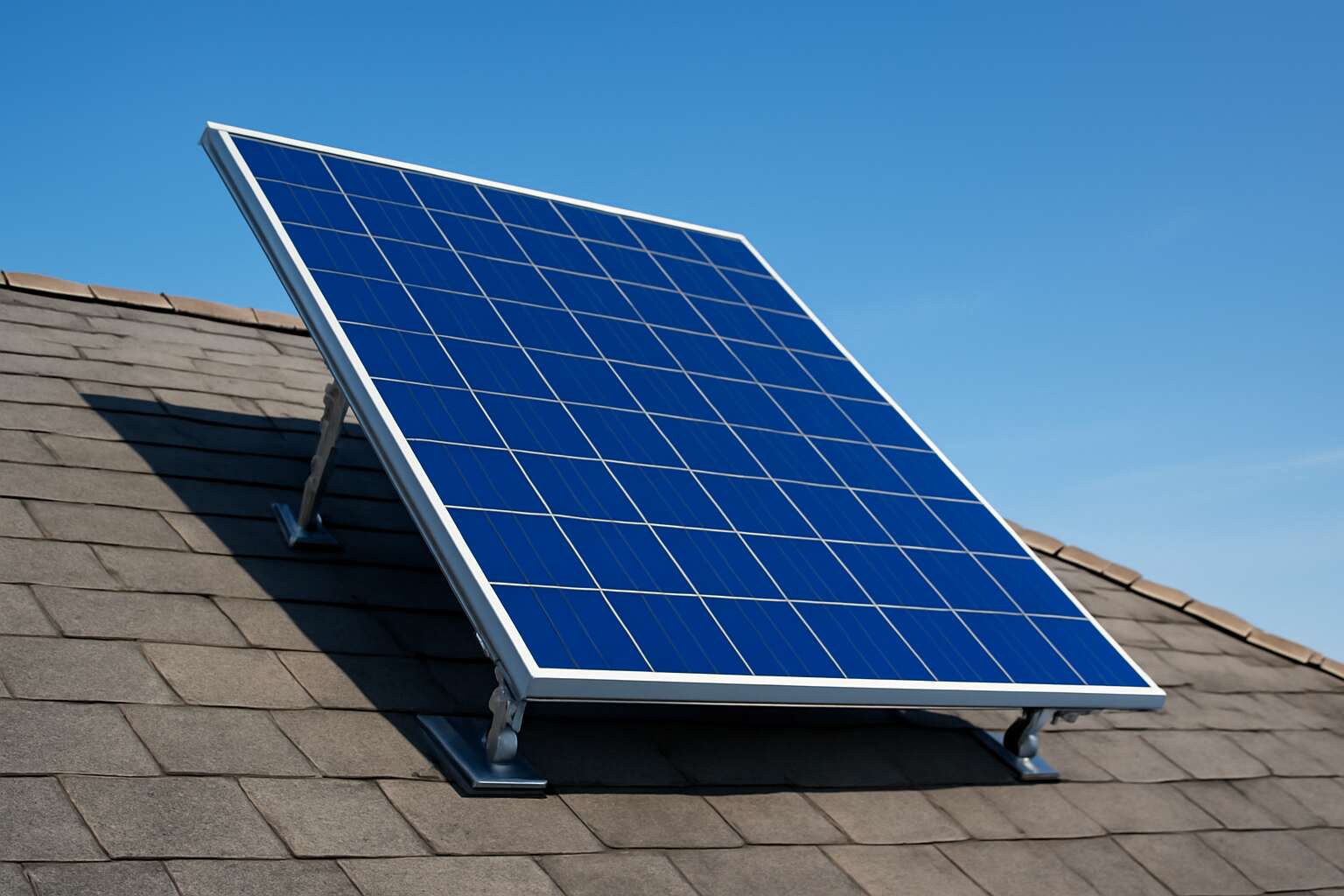
Across South Africa, rooftop solar has become a quiet ethic of resilience, with installations rising by roughly 30% in the past five years. Understanding high-wattage solar modules helps explain the difference between a good system and a lighthouse on your roof. The 445w solar panel stands as a concrete example: more light turned into usable current without needing a sprawling array. I have stood beneath the sun and watched heat and glare test a panel’s patience, and the results told me what real capacity feels like—denser cells, smarter wiring, smarter heat management. These panels aren’t just bigger; they’re more deliberate machines of daylight!
What sets these modules apart can be seen in a few design features:
- High-efficiency cells that squeeze more power from the sun
- Sturdy framing and smart cooling to resist heat derating
In South Africa’s energy tapestry, every watt—like the 445w solar panel on roofs—becomes tomorrow’s choice.
Key specs to compare across 400–450W class modules
The 445w solar panel stands as a disciplined workhorse on many roofs, converting daylight into usable energy with quiet efficiency. Across SA rooftops, installations have risen by roughly 30% in the past five years, a quiet ethic of resilience. In this climate, its size is less about bragging rights and more about deliberate daylight management—more power from limited roof real estate without sprawling arrays. Heat and glare expose its mettle, and the difference is in the details.
To compare 400–450W class modules, focus on these specs that govern daily performance:
- Module efficiency under standard test conditions and real‑world irradiance
- Temperature coefficient and how power holds up on hot days
- Frame integrity, interconnects, and smart cooling design
- Warranty length, regional service, and certifications
From Cape Town to Johannesburg, the choice between a good panel and a lighthouse on your roof comes down to how these numbers translate into resilience.
Efficiency and performance at a glance
Across SA rooftops, rooftop solar installations rose about 30% in five years, and a 445w solar panel sits at the center of that trend. It’s not about boasting but about daylight management—more power from limited roof real estate without sprawling arrays.
Understanding high-wattage modules at a glance means translating sun into usable energy as the day angles from dawn to dusk—steady output in bright glare and cooler performance as shade shifts.
On a South African roof, design choices matter: orientation, ventilation, and materials that shed heat quietly all contribute to daily yield.
The experience of choosing a high-wattage option is a matter of resilience, not a headline—how the 445w solar panel behaves when the sun seams the skyline.
Durability and warranty considerations
In SA, rooftop solar installations have surged about 30% in five years, and durability is the quiet backbone of that trend. A 445w solar panel sits at the center of this shift, turning relentless sun into steady power while weather and heat test its resilience!
Durability for high-wattage modules means more than a tough glass; it’s the frame, the junction box, and heat management that keep output steady when temperatures spike. Warranty isn’t a marketing slogan—it’s a benchmark for long-term reliability.
- Product warranty duration and what it covers
- Performance warranty: expected power retention after 25 years
- Installation workmanship coverage and service terms
- Exclusions and maintenance requirements that can void coverage
Clear terms pair with the 445w solar panel to ensure steady results across seasons and SA conditions.
Ideal installation scenarios
In SA, rooftop solar has surged 30% in five years, and the quiet workhorse behind that trend is the 445w solar panel, turning relentless sun into steady power while weather and heat test its mettle. It’s not flash; it’s a reliable backbone for daily energy needs.
These high-wattage modules shine in installations where space is premium and exposure matters. A north-facing SA roof with a healthy tilt—roughly 25–40 degrees—delivers peak harvest. I’ve found that when shade is unavoidable, micro-inverters or optimizers keep output steady through the day.
Ideal install scenarios include:
- North-facing roofs with minimal shading for maximum sun capture
- Carports or pergolas that shelter vehicles while feeding the grid
- Ground-mounted arrays on open land for larger homes or businesses
445W-Class Panel Specifications and Performance
Nominal power rating and voltage/current characteristics
In the sun-scorched plains and coastal towns of South Africa, the 445w solar panel stands as a beacon of efficiency. Its nominal power rating anchors larger roofs and commercial installs, while the voltage and current sketch a clean course from sun to service. Under standard test conditions, the module delivers about 445W, with Vmp around 38–40V, Imp 11–12A, and Voc 46–50V.
A concise snapshot of electrical traits helps planners compare at a glance:
- Nominal power: 445W
- Voltage at maximum power (Vmp): 38–40V
- Current at maximum power (Imp): 11–12A
- Open-circuit voltage (Voc): 46–50V
- Short-circuit current (Isc): 13–14A
For a 445w solar panel, these specs translate to dependable performance across South Africa’s fluctuating light and temperature, delivering value whether on a compact rooftop or a larger installation.
Temperature coefficients and impact on output
Across South Africa, the 445w solar panel is more than a wattage tag—it’s a climate negotiator. Temperature coefficients reveal how power fades as heat climbs. On hot afternoons, Pmax derates and real output slips, while Voc nudges upward during cooler spells. This is the quiet arithmetic behind performance charts—how a panel behaves as temperatures swing from noon glare to early-morning chill.
- Temperature coefficients: Pmax derates ~ -0.4%/°C; Vmp ~ -0.2%/°C; Isc ~ +0.05%/°C.
- Voc rises slightly as temperatures fall; Vmp falls with heat, shaping max-power potential.
- Practical impact: hot SA days can reduce daily yield even at peak sun.
Understanding these coefficients helps planners size derating and cooling into energy models. In practice, a modest temperature rise can shave several percentage points from daily yield, a reality SA installers routinely accommodate through ventilation and spacing.
Module efficiency and cell technology
In the SA sun, a 445w solar panel isn’t just hardware—it’s a daytime disruptor, a surge of evidence that bigger wattage can ride the heat and still deliver. The 445w solar panel class leans on high-efficiency mono PERC cells and a compact cell design that squeezes more power from the same real estate.
- Monocrystalline PERC cells for top-end efficiency and improved low-light response.
- Half-cut cell design to cut resistive losses and boost shading tolerance.
- Robust framing and IP-rated junction box for SA’s dusty, windy environments.
- High-current interconnect with multi-busbars to reduce visible resistance.
Overall, expect strong performance in outdoor conditions and reliable daily yields across diverse SA climates.
Durability ratings and warranty terms
“Power thrives when daylight is abundant.” In SA, that daylight meets a 445w solar panel with resolve. This class is built for steady daily yields, even through heat and dust. It’s not just about raw watts; it’s about durability you can trust in gritty conditions.
Durability and warranty terms sit at the core. The panel combines a rugged frame, sealed junction box, and construction that shrugs off the SA dust and wind. A generous warranty and performance guarantees reflect a commitment to long-term reliability.
- Comprehensive warranty covering defects and performance guarantees
- IP-rated junction box and sealed frame for dusty, windy environments
- Robust interconnect and build quality designed for daily SA use
With these attributes, the 445w solar panel promises dependable output across South Africa’s varied climates.
Electrical compatibility and system integration
South Africa’s sun pours forth a ceaseless tide, and a 445w solar panel drinks deeply, turning daylight into dependable daily yield. In SA’s blaze-and-breeze theatre, this panel wears resilience like armor, trading heat and dust for steady power from dawn’s first light to the long afternoon.
Electrical compatibility and system integration—the chords that let the wattage sing. The panel is MPPT-friendly, aligned with common 24- or 48-volt inverters and battery-ready setups. Its sealed junction box and corrosion-resistant frame stand against SA dust, while robust bus wires carry current with quiet assurance.
- Nominal voltage alignment with popular MPPT inverters
- Wide operating temperature range to preserve output
- IP-rated junction box and sealed frame for dusty, windy sites
Viewed this way, the panel is more than watts; it’s a dependable heartbeat within a South African solar system, ready to sync with the rest and deliver steady energy.
Installation and Siting for Large-Format Panels
Roof mounting vs ground mount considerations
Across South Africa, the sun rewards thoughtful placement with quiet grandeur. A large-format installation like the 445w solar panel invites two paths: roof mounting, where clean lines ride the existing structure, and ground mounting, which offers freedom to chase optimal tilt. Roof mounts save space and blend with architecture, while ground systems excel where shade-free geometry is limited. The choice hinges on wind exposure, roof health, and how the panels will be cleaned and serviced over years of daily life under the open sky.
Considerations for siting include maintenance access, drainage, and local wind patterns. The essentials appear here:
- Roof structure and pitch compatibility
- Ground space and proximity to electrical feeds
- Wind load and corrosion resistance
Smart hardware suited to SA conditions ensures longevity and ease of service.
Weight, wind load, and structural requirements
Across South Africa, the 445w solar panel carries more than watts—it carries weight and wind into the same equation. Installation and siting are the hinge on which performance pivots. The heft of a large-format module demands thoughtful weight distribution, a clear understanding of wind-load paths, and fasteners that resist corrosion. When the frame, rails, and feet cooperate, the panel becomes a quiet sentinel under sun and storm alike.
- Weight tolerance and ballast distribution
- Wind-load paths and anchorage
- Racking compatibility and corrosion resistance
- Geometry of the mounting surface and drainage around penetrations
Smart siting aligns with the structure’s health and the long memory of service life, keeping the surface accessible for inspections while preserving quiet efficiency.
Wiring, inverters, and optimization for higher wattage
Installation and siting for large-format panels demand more than just a roof check. For a 445w solar panel, the wiring choreography and inverter placement can tilt performance as surely as wind tilts a pole. Inverter locations should balance accessibility with run length, while string configurations respect voltage and heat tolerance. The result is a quiet, robust system that stays efficient under South Africa’s sun and seasonal gusts!
- Wiring topology and MPPT pairing to preserve voltage efficiency over longer runs
- Layout of the mounting array to optimize airflow and heat dispersion
- Hardware selection and coatings suited for coastal or high-moisture environments
Smart siting respects the structure’s health and the surface’s breathing room, preserving access for inspections while the system breathes with the sun. In South Africa’s climate, careful layout choices and moisture management are as critical as the panel’s nominal output.
Safety and code compliance
Large-format panels like the 445w solar panel command attention on large roofs and ground mounts alike. In South Africa, safety and code compliance shape every angle of the install. South Africa averages about 2,000 to 2,500 peak sun hours a year, so mounting choices, cable routing, and inverter siting matter. A well-sited array preserves structural health, supports airflow for cooling, and keeps access open for inspections through the system’s life in the sun and wind.
- Certified mounting rails and fasteners with coastal or high-moisture coatings
- Weatherproof enclosures, conduit sizing, and proper cable protection
- Compliance with local bylaws and national standards (SANS 10142-1 or equivalent)
- Adequate clearances and ventilation to prevent heat buildup
Compliance isn’t cosmetic. It’s a shield against corrosion, moisture ingress, and warranty challenges in South Africa’s climate.
Site assessment checklist
On South Africa’s roofs, the 445w solar panel is only as effective as its siting. With roughly 2,000 to 2,500 peak sun hours each year, a well-placed large-format module minimizes shading and maximizes airflow for cooling. The site assessment should map shadows, exposure, and the structural integrity of mounting surfaces.
- Shading and obstructions along the sun path
- Accurate orientation and tilt for the latitude
- Structural capacity of roof or ground mounting and wind uplift
- Clear cable routing, conduit protection, and accessibility for inspection
- Maintenance access and clearance for cleaning and inverter placement
When these considerations are baked into the plan, the system keeps glare low, maintenance simple, and output steadier through the sun and wind of the year!
Cost, ROI, and Financing for High-Wattage PV Modules
Upfront costs and financing options
South Africa basks in sun, and a 445w solar panel can turn peak afternoon output into real bill relief. In sunny months, daytime usage can drop noticeably, letting homes and businesses ride the sun rather than the grid. That punch of power changes the economics from day one!
Upfront costs depend on the system’s size, mounting, wiring, and the inverter. Beyond the panel itself, install costs and warranties shape the total. Financing options are broad and tailored to local pricing:
- Cash purchase for immediate ownership
- Solar loan with fixed repayments
- Lease or PPA through local installers
ROI is driven by daytime tariffs, grid rules, and how energy is used. In South Africa, strong solar output paired with SSEG and net-metering can shorten payback periods. A mix of cash, loan, or PPA options gives flexibility while the sun does the work.
Cost per watt and payback period
Cost for a 445w solar panel system begins with the unit itself, but the real price tag includes mounting, wiring, and an efficient inverter. In South Africa, installed costs for high-wattage modules often come in at roughly R15–R25 per watt, placing a single 445w solar panel in the neighborhood of R6,700 to R11,000 for hardware alone.
ROI hinges on how much daytime consumption you offset and the prevailing tariffs. A 445w solar panel shines brightest when peak sun aligns with your highest grid use, accelerating payback as you ride the sun rather than the meter.
Financing options line up with every home and business. Cash allows immediate ownership, a solar loan offers fixed repayments, and a lease or PPA through local installers can match cash flow with savings.
- Cash purchase for immediate ownership
- Solar loan with fixed repayments
- Lease or PPA through local installers
Incentives, rebates, and tax credits
Across South Africa’s rural kitchens and lapa workshops, a single 445w solar panel can tilt a family’s balance from worry to empowerment. A seasoned installer once said, ‘Every watt saved is a meal prepared for tomorrow,’ and the sun seems to listen here!
Cost and ROI hinge on more than the panel alone; incentives, rebates, and tax credits can trim the upfront and speed payback. Financing options—cash, a solar loan, or a lease/PPA with local installers—align steady savings with monthly commitments, turning bright days into predictable bills.
- Incentives for high-wattage PV modules
- Rebates for rural installations
- Tax credits or depreciation benefits
Long-term maintenance costs
South Africa’s sun is a daylight tax break in disguise. A 445w solar panel can turn bright days into tangible savings, slashing bills while riding out the occasional heatwave with stoic reliability. Long-term maintenance stays modest: periodic cleaning, inverter checks, and the odd wiring audit—nothing a capable homeowner can’t handle, and far less dramatic than a storm.
ROI isn’t a fairy tale; it’s a ledger that grows with usage and grid prices. Factoring weather, panel aging, and monitoring, a well-sized setup trims expenses over time. Expect a payback that matches the system’s life span, with steady sunlight delivering more predictable gains than load-shedding drama.
Financing options—cash, a solar loan, or a lease/PPA with local installers—can sync savings with monthly commitments, turning bright days into predictable bills.
- Cash purchase
- Solar loan
- Lease or PPA
Resale value and asset depreciation
Cost sits upfront, and ROI follows as steady savings. A 445w solar panel sits among the high-end modules, delivering strong output and an easy avenue to larger system credits in the SA market. Resale value stays buoyant as demand for premium wattage remains robust.
ROI is real, not fantasy. It compounds with usage, weather, and proper monitoring, and depreciation can soften the initial purchase hit.
- Resale value retention per watt
- Warranty and compatibility with current inverters
- Market demand for high-output kits
Financing options—cash, a solar loan, or a lease/PPA—shape monthly cash flow and overall returns.
Applications and Case Studies for 445W-Grade Panels
Residential rooftop installations and space optimization
South Africa basks in abundant sunshine, and the 445w solar panel stands as the heavyweight champion of residential roofs. On Cape Town homes, smart layouts squeeze value from every square meter, turning daylight into real power—no solar forest needed.
Here are practical wins that illustrate how these panels fit into tight spaces and rising homeowner ambitions:
- Compact rooftops in urban suburbs maximizing output per square meter
- Carport-integrated arrays delivering shade and energy
- Retrofits on pitched roofs using rail-free mounting for easy installs
These scenarios underscore why the 445w solar panel is a go-to choice for South African households pursuing space-efficient, durable power.
Commercial and industrial deployments
Factories waking to a sunlit shift are not fantasy; in South Africa, industrial rooftops outfitted with a 445w solar panel array can trim daytime grid draw by as much as 20%. This class of high-output module brings reliability to commercial spaces, powering warehouses, retail campuses, and light manufacturing.
Applications and case studies span a spectrum of deployments that transform surfaces into powerhouses.
- Flat-roof warehouses and distribution centers seeking peak-shaving benefits
- Carport canopies that shield goods and power adjacent operations
- Retrofits on existing facilities with rail-free mounting for fast, disruption-free installs
- Ground-mounted systems for ancillary energy needs near industrial parks
Across Cape Town and beyond, case studies prove durable performance, scalable layouts, and meaningful savings—solidifying this 445W-class design as a practical cornerstone of South Africa’s commercial energy strategy.
Off-grid and hybrid systems
Across South Africa, off-grid and hybrid systems built around a 445w solar panel provide reliable power where the grid falters. These high-output modules are pairing with batteries and smart inverters to create resilient microgrids for farms, clinics, and remote work sites. In practice, they shift the energy mix from diesel or costly daytime draw to clean, daytime generation that keeps operations humming through load shedding and outages.
- Remote agricultural operations that require daytime generation and overnight storage
- Rural clinics and schools facing unpredictable local power
- Telecom towers and data hubs needing scalable, quick-deploy energy
Case studies across diverse landscapes show how a high-wattage panel setup can shrink on-site diesel use, speed installation, and scale with storage in a way that feels almost strategic—like turning sunlight into a persistent asset.
Performance under real-world conditions
Across rural South Africa, a 445w solar panel system has slashed daytime diesel use by up to 40% on farms and clinics. These high-output modules, paired with batteries and smart inverters, forge resilient microgrids that shrug off outages and keep operations humming.
- Remote agricultural operations requiring daytime generation with overnight storage
- Rural clinics and schools facing unpredictable local power
- Telecom towers and data hubs needing scalable, quick-deploy energy
Case studies across diverse landscapes reveal how a high-wattage arrangement turns sunlight into a persistent asset—shrinking on-site diesel, speeding installation, and scaling with storage in a way that feels almost strategic.
Choosing the right module for your project
Across rural South Africa, a single 445w solar panel can power daytime loads with surprising reliability, turning sunbeams into resilient energy for farms, clinics, and telecom sites. When choosing the right module for your project, this option shines, with high output that accelerates deployments and cuts diesel dependency in real-world microgrids.
- Remote farming operations that need daytime generation with overnight storage on hand.
- Rural clinics and schools grappling with grid volatility and unpredictable outages.
- Telecommunications sites seeking scalable, quick-deploy energy to keep networks online.
Case studies across savannah, highveld, and karoo variants reveal how these high-wattage modules, paired with batteries and smart inverters, turn sunlight into a persistent asset—shrinking on-site fuel, speeding deployments, and expanding storage to weather longer outages.

0 Comments