
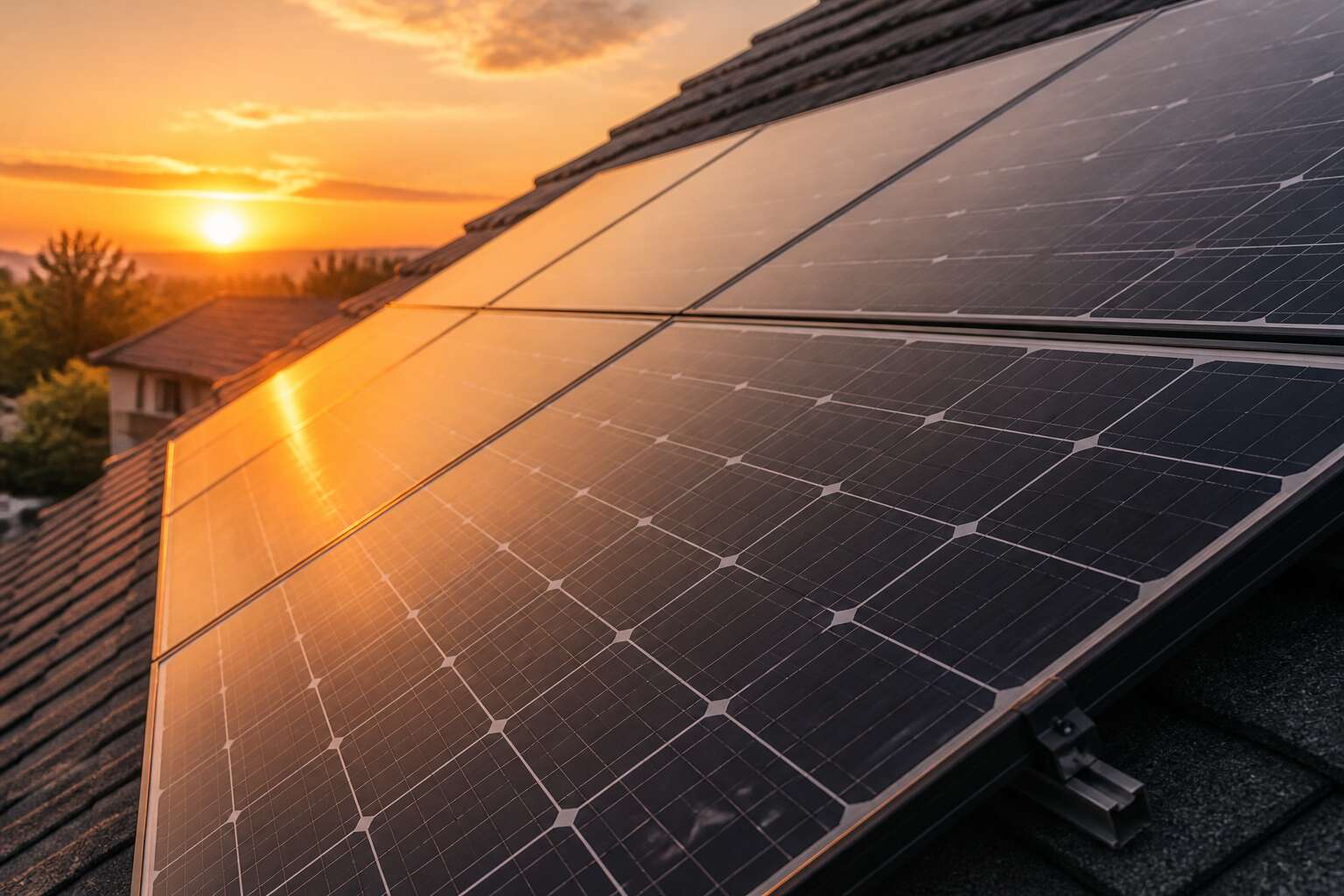
Factors That Influence Panel Longevity
I have watched panels fail in under a decade. Most South African homeowners expect 25 years of service, and the difference usually comes down to environment. Heat causes the most damage. Johannesburg summers can push panels past 70 degrees Celsius, which accelerates chemical breakdown in the cells. Dust also matters. A thin layer of Karoo grit can slash output by 15 percent. Installation quality determines how well panels handle wind loads. Then there are the micro factors:
- Thermal cycling, the daily expansion and contraction.
- UV exposure, which degrades the encapsulant.
- Sudden hailstorms, a real risk in Gauteng.
These forces dictate your solar panel useful life. Proper mounting and ventilation slow the decay. Rain helps wash away grime, but Cape Town’s winter dampness invites corrosion in connectors. Even with care, none of this is guaranteed, and your solar panel useful life remains uncertain.
Degradation and Performance Metrics
South Africa’s sun is generous, yet your system’s true longevity depends on performance metrics. I once inspected a six year old array producing 18% less power than its nameplate. The culprit was a faulty bypass diode, not age. Degradation rates expose such hidden failures.
- Track the performance ratio quarterly.
- Check the temperature corrected output.
- Compare annual yield against the initial baseline.
These measurements separate normal wear from premature decay. A solar panel useful life of 25 years only holds if you catch issues early. Without monitoring, the system quietly loses money. The metrics tell you exactly what the panels deliver.
Maximizing Operational Lifespan
Solar panels don’t simply stop working after a set number of years. Their useful life often stretches past 25 years, but only if you treat them well. In South Africa, our intense sun and frequent dust storms can accelerate wear. I’ve seen installations fail early simply because owners ignored routine maintenance!
The secret to maximizing operational lifespan lies in small, consistent actions:
- Clean panels monthly to prevent dirt buildup.
- Inspect wiring and inverters for corrosion.
- Trim overhanging branches that drop leaves and shade.
Each step protects your system’s output. Remember, solar panel useful life measures performance, not age alone. A well-maintained array can outlive its warranty by a decade or more.
End-of-Life Scenarios and Replacement
Every panel eventually faces its end. The solar panel useful life stretches across decades, yet the close arrives with quiet certainty. I have watched South African homeowners grapple with this moment, torn between memory and efficiency.
When degradation becomes undeniable, replacement transforms from choice into necessity. Consider the signs that your system has reached its terminus:
- Output drops below eighty percent of rated capacity
- Microcracks spread across the silicon surface
- Delamination exposes cells to moisture
Your decision hinges on honest assessment. A failing array costs more in lost production than a new installation. The panels that once powered your home can be recycled, their materials reborn. Weigh the numbers carefully. Then let the mathematics guide your heart.


0 Comments