Understanding solar energy systems
What constitutes a complete solar panel system
Sunlight flirts with South Africa’s roofs, and the power answers with a steady glow. In the past year, solar installations across the country have climbed by double digits, signaling a practical shift from novelty to necessity.
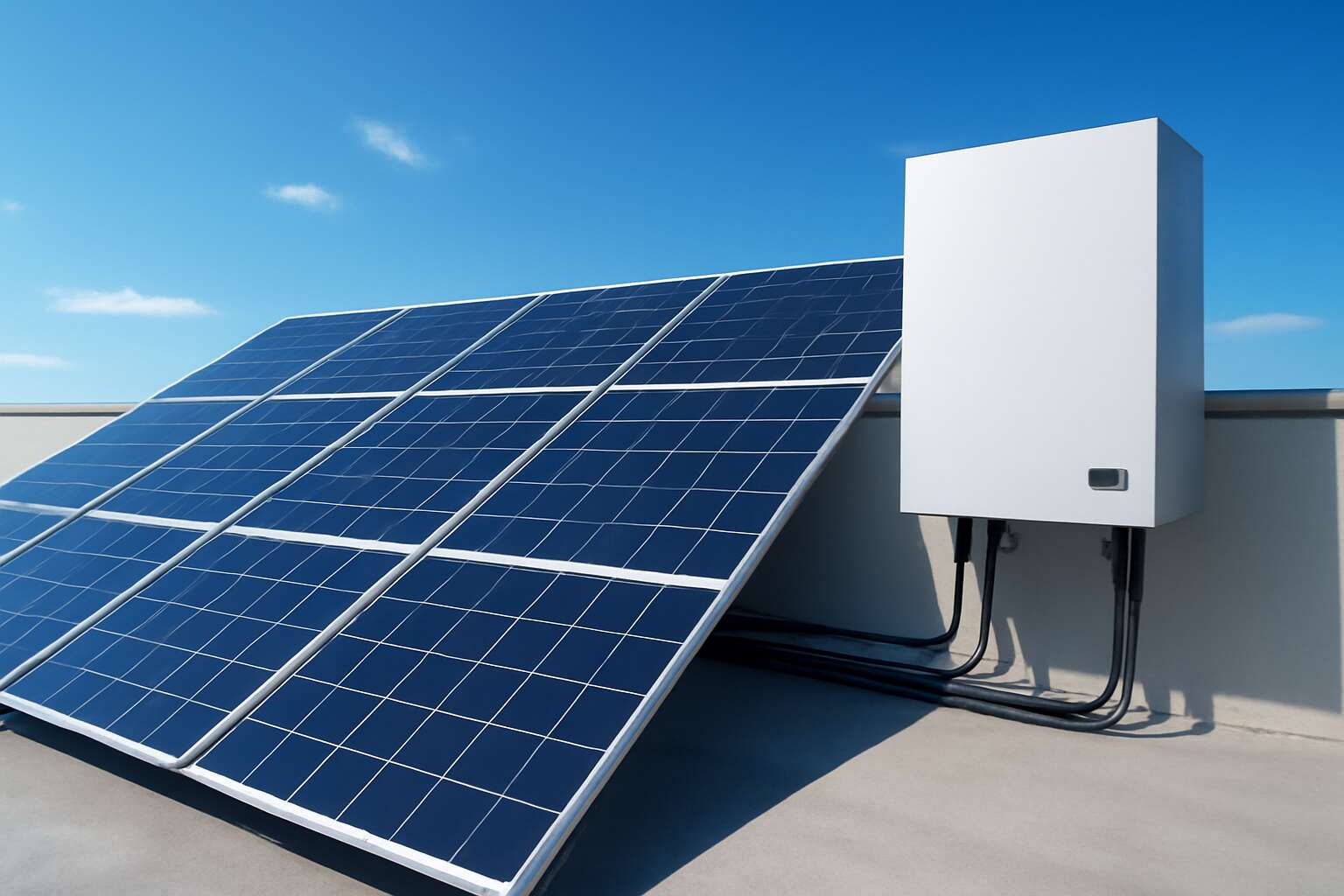
Understanding what constitutes a complete solar panel system helps every choice feel lucid. For many homes, it means a natural harmony of panels, an inverter, modest battery storage, solid mounting, clean wiring, and a monitoring interface that makes data dance in real time.
- solar panels optimized for SA sunlight
- an inverter to convert DC to AC
- battery storage for off-grid reliability
- mounting hardware and wiring
- a monitoring system to track performance
Design choices should suit local grid realities, whether you prefer grid-tied ease or off-grid independence, while considering shading, battery longevity, and warranty terms. A thoughtful layout and steady monitoring turn the sun into reliable, elegant power.
Core components and how they work together
Across South Africa, the sun writes a daily invitation to power that is hard to ignore. A complete solar panel system is not a single trick but a poised ensemble—glass, silicon, and quiet electronics—working in harmony to steady a home’s heartbeat. The rooftops drink light and return it as calm, reliable energy, turning fear of outages into a confident, bright horizon.
- Sunlight becomes usable energy through a carefully engineered path
- That energy is shaped for home use by intelligent conversion
- Stored in batteries or fed to the grid as needed
- Monitoring translates performance into readable poetry you can trust
Together, these elements—arranged with South Africa’s grid realities in mind—form the backbone of a cohesive solar system, a chorus that blends elegance with practical power.
Grid-tied vs off-grid vs hybrid: choosing the right setup
The sun is the most generous partner a home could ask for, and in South Africa its light has become a quiet accord between roof and grid. Understanding solar energy systems means choosing among paths that suit your life: grid-tied, off-grid, or hybrid—each a distinct cadence leading toward a complete solar panel system!
To illuminate the options, consider this quick map:
- Grid-tied: energy flows to your home and back to the utility, balancing daily needs with tariff incentives.
- Off-grid: independence with storage, a deliberate trust in the sun even when the grid falls quiet.
- Hybrid: a graceful compromise, drawing from the sun while keeping a safety net for outages.
In the end, the right setup blends reliability with poetry—letting light become steady power rather than a restless wish.
Factors influencing system size and safety
Sunlight is a patient collaborator, and in South Africa we enjoy 2,500 to 3,000 sun hours annually. I’ve watched a roofline hum at dusk, a reminder that understanding solar energy systems means mapping how size, safety, and daily rhythms converge for a plan that feels inevitable!
Size hinges on key factors: roof orientation and shading, daytime and evening loads, and whether storage or backup power is needed. Safety steps in—proper wiring and compliant inverters guard the glow of your investment. A complete solar panel system blends these elements with grace.
- Roof orientation, tilt, and shading
- Peak daytime demand and overall load profile
- Storage needs and backup requirements
- Electrical codes and protective devices
Ultimately, the balance of size and safety writes a luminous, practical poetry for your home. A well-designed complete solar panel system is more than hardware; it’s a daily promise of reliability, a conversation between sun and home.
Key components and their functions
Solar panels: efficiency, wattage, and output
South Africa basks in roughly 2,500 hours of sun each year, a statistic that promises power, not poetry, to the energy bill. A well-planned complete solar panel system turns that light into steady, dependable comfort.
At the heart are the solar panels. Their efficiency, wattage, and output determine how much energy you harvest.
- Efficiency is the conversion rate from sunlight to electricity, influenced by panel type and temperature.
- Wattage is the nominal DC power rating, measured in watts or kilowatts, guiding how much energy the panel can push under standard tests.
- Output is the actual energy produced over time (kWh), shaped by sun exposure, shading, and orientation.
Here, the panels are the opening act; the inverter, wiring, and mounts choreograph the finale. Efficient panels paired with solid wattage ensure steady output, even when clouds drift by.
Inverters: converting DC to AC and type considerations
Within a complete solar panel system, the inverter is the quiet conductor, translating the panel’s DC heartbeat into the AC rhythm that powers homes and dreams! It doesn’t create energy; it shapes its delivery, smoothing bursts into a steady current.
Inverters come in several guises to suit the sun, the roof, and the budget. In a South African setting, where shading and roof orientation vary, the right choice matters as much as the panels themselves. Key options include:
- String inverters – efficient for uniform arrays and cost-effective scale
- Microinverters – optimize performance panel by panel, reducing shading losses
- Central or hybrid inverters – suited for larger or mixed systems
Across these options, seek reliability, grid compatibility, and protective features that guard against surges and misfires. The inverter’s quiet endurance keeps the lights bright and the dream intact, even when clouds drift by.
Racking, wiring, and safety equipment
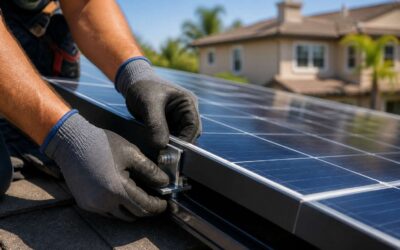
Racking, wiring, and safety gear are the quiet backbone of a complete solar panel system. In South Africa, rooftop geometry and wind loads vary, so how panels are mounted matters nearly as much as the panels themselves. Racking determines tilt and shade resilience; it ties the array to the roof and to the elements with corrosion-resistant hardware.
Consider these core functions:
- Racking: secures panels, fixes the tilt, and withstands local wind loads with corrosion-resistant hardware.
- Wiring: uses properly rated DC cables and conduits to minimize losses and protect against damage.
- Safety equipment: disconnects, fuses or MCBs, surge protection, and earthing to safeguard people and equipment.
From experience, these parts form a coherent whole. They align with local standards and grid requirements, ensuring safety and reliability across seasons.
Battery storage options and their role in a complete setup
“The sun is a stubborn ally,” an industry veteran says, and no string of outages can dim its promise. In a complete solar panel system, battery storage options become the bridge between daytime harvest and after-dark demand, turning raw watt-hours into usable power when the grid stutters.
- Lead-acid solutions (starter or deep-cycle, budget-friendly)
- Lithium-ion packs (high cycle life, lighter, more efficient)
- Flow batteries (long life for larger installations)
Each option informs depth of discharge, cycle life, and maintenance, shaping how a complete solar panel system delivers energy through night and cloudy days.
Designing and sizing your solar installation
Site assessment and shading impact on performance
South Africa basks in roughly 2,200 hours of peak sun each year, a radiant invitation to every roof. Designing and sizing an installation blends art with math, listening to daylight as a partner in the energy story. This is where a complete solar panel system begins to take shape!
Site assessment and shading impact on performance hinge on how the sun travels across the sky and how shadows creep in, while roof geometry channels light. Subtle obstructions can rewrite midday output with quiet precision.
- Shading from trees, chimneys, or nearby structures
- Roof orientation and tilt relative to true south
- Available mounting area and potential for future expansion
- Seasonal sun angle shifts and their effect on exposure
When these elements are read with care, the design grows into a poised balance of daytime demand and daylight availability, turning a roof into a sustained source of light and resilience. This path keeps harmony between structure and sun.
Estimating energy usage and desired autonomy
South Africa sees about 2,200 hours of peak sun per year—enough to power a home with the right plan. Designing and sizing a complete solar panel system blends judgment with numbers, turning daily habits into a daylight partnership. Estimating energy usage and your desired autonomy shapes the size and scope of the project.
A few core inputs guide the fit.
- Daily energy patterns and when demand peaks
- Desired days of autonomy and reserve margins
- Available roof space and potential for future expansion
That mindset turns a South African roof into a steady, resilient source of light—season by season, tariff by tariff!
Orientation, tilt, and panel layout for maximum yield
A well-designed complete solar panel system starts with orientation, tilt, and panel layout for maximum yield. In South Africa, the sun’s arc varies by season, so dial in azimuth to face north for most of the day and tilt to optimise winter afternoon output!
To fine-tune, keep these considerations in mind:
- Angle and orientation interact with latitude and season to influence daily energy capture.
- Spacing accommodates expansion and future panels to reduce shading risks.
- Racking and wiring routes influence maintenance and safety checks.
System sizing scenarios: residential, small business, and off-grid
Across South Africa, rooftop solar adoption is rising 18% year on year, turning homes into quiet power plants. Designing and sizing a system means matching appetite to asset—consumption patterns, available roof space, and future ambitions all converging into a single, scalable plan. A complete solar panel system must flex as life changes, from a cozy lounge to a bustling workshop.
Three sizing scenarios shape most installations:
- Residential: prudent oversizing to handle evenings and cloudy days, with storage optional for quiet mornings.
- Small business: predictable daytime load, prioritize reliability and scalable energy credits.
- Off-grid: robust autonomy, larger battery reserves, and seasonal-spiking demand management.
Sizing mindful of future expansion preserves flexibility and keeps the system humming for years.
Installation, costs, and optimization
Permitting, codes, and inspections for a complete solar panel system
“The sun is patient; it yields to the tact of intention.” In South Africa, that patience becomes a moral wind beneath your roof—translating into a complete solar panel system that redefines how you face the grid and your own energy future.
Installation is more than mounting; it’s a careful choreography of racking, wiring, and safety gear so the whole system speaks in harmony. Costs vary with roof geometry and upgrades to electrical service, while permitting and inspections bind ambition to South Africa’s standards and accountability. Powerfully, it prompts questions about energy stewardship and responsibility.
Permitting, codes, and inspections anchor the project in civic accountability. Key considerations include:
- Compliance with South Africa’s national electrical and building codes
- Documentation for grid connection and commissioning with the local utility
- Scheduled inspections by the local authority and the installer
Installation timelines, labor considerations, and quality checks
Power on your terms starts at the roof. Installation for a complete solar panel system is a precise choreography of racking, wiring, and safety checks—it’s not just mounting. In South Africa, roof layout, shading, and service capacity shape timelines, and a clean run of cables keeps performance reliable and safe.
- Labor considerations: licensed electricians and certified installers, good site access, and strict safety protocols.
- Installation timelines: procurement lead times, weather windows, and on-site sequencing leading to commissioning.
- Quality checks: torque specs, conduit integrity, insulation resistance, and accurate labeling before the system powers up.
Costs vary with roof geometry, wiring runs, and any electrical service upgrades, while optimization focuses on module layout, inverter matching, and minimizing losses. The aim is a balanced, scalable system that aligns with your grid connection and budget.
Cost breakdown, return on investment, and financing options
Installation costs for a complete solar panel system follow a winding path: roof geometry, wiring runs, and service upgrades all whisper budgetary shadows. In South Africa, shading, weather windows, and grid readiness temper timelines, yet the aim stays clear—power on your terms.
Costs break down by component and craft: mounting hardware, cabling, inverters, and any battery storage. Financing options help tailor the journey.
- Cash purchase
- Bank loan or financing
- Power Purchase Agreement (PPA) or lease
Each path shapes the return and risk.
Optimization maximizes return on investment: module layout, inverter matching, and minimizing losses tune performance without overcapitalizing. A balanced, scalable system aligns with the grid and your budget, turning daylight into dependable power with a touch of quiet, alloyed certainty.
Incentives, warranties, and maintenance to maximize value
The sun is not a luxury; it’s a predictable asset that quietly lowers daily bills. With a complete solar panel system, installation becomes a careful dialogue among roof geometry, wiring, and the promise of steady power. In South Africa, this journey blends incentives, warranties, and thoughtful optimization into a practical, sun-powered future.
To maximize value, incentives, warranties, and maintenance become the levers you pull—and we see this as building resilience.
- Incentives and rebates tied to embedded generation
- Clear warranty coverage for modules, inverters, and labor
- Maintenance and monitoring plans to catch drift early
With the right plan, a complete solar panel system becomes not just a purchase but a durable partnership with the sun. Ongoing monitoring and timely maintenance safeguard long-term value and autonomy. This is how daylight becomes dependable energy—quiet, consistent, and confidently yours.

0 Comments