Overview of High Wattage Solar Panels
What defines high wattage solar panels
Across South Africa, rooftop energy use is shifting from curiosity to habit—high wattage solar panels convert sun into a dependable daily asset. They promise more daily energy from the same footprint, turning sunlit hours into measurable savings and resilience.
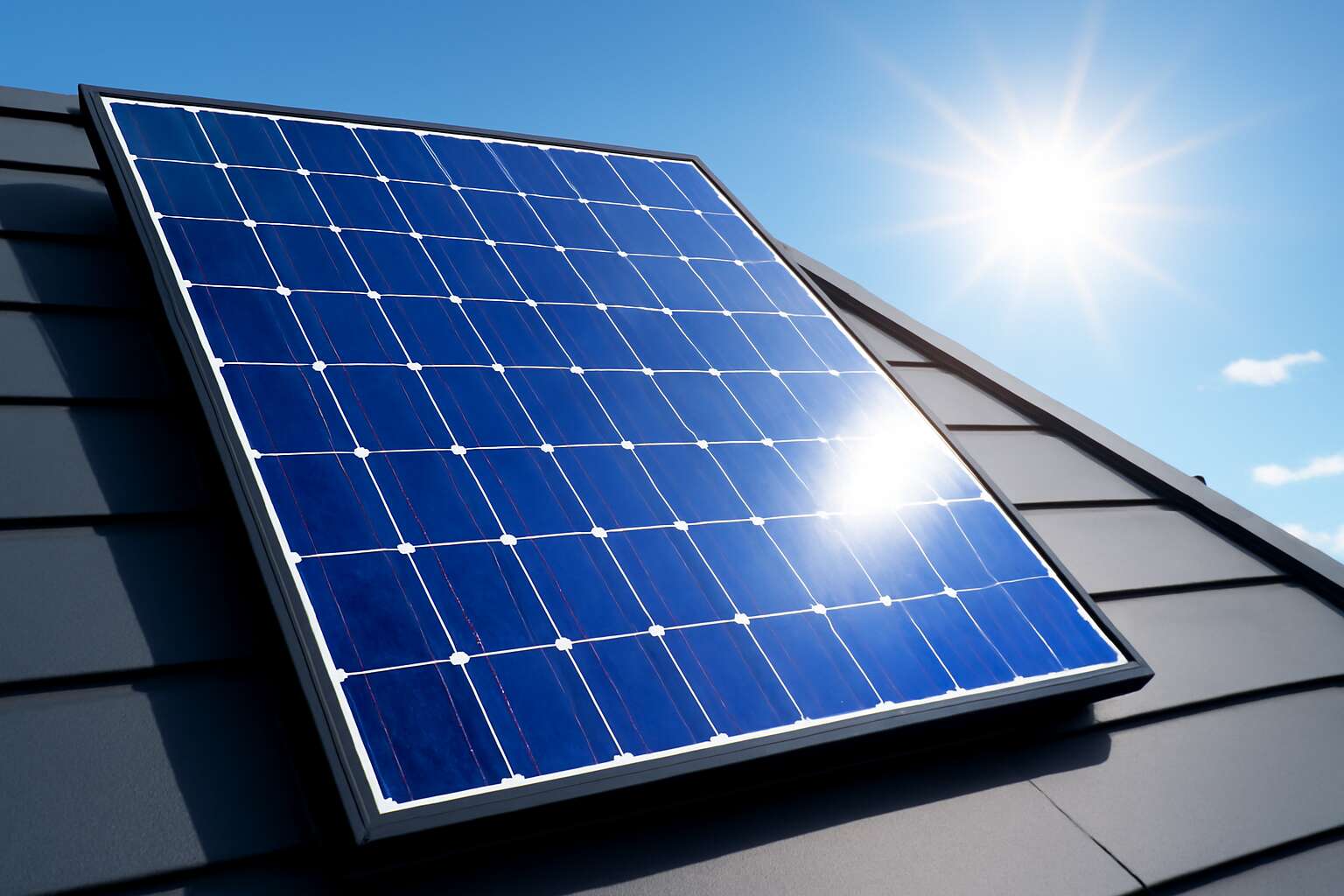
High wattage means a higher output rating under standard conditions, often achieved with denser cell layouts and robust wiring. The 555w solar panel stands as a benchmark, illustrating how modern design squeezes extra kilowatts from a compact surface.
- Fewer strings and simpler wiring
- Increased energy yield per roof area
- Better performance in heat and partial shade
On the ground, that translates to quicker payback and more reliable power, a small revolution for homes and businesses across SA.
Key specs to compare across models
Sunlight is South Africa’s most reliable resource, and homeowners with high wattage panels report up to 20% more daily output from the same roof. Across rooftops, efficiency stays bright through heat and partial shade, turning sunlit hours into steady kilowatts. The 555w solar panel embodies this modern, almost alchemical efficiency.
A quick glance at the key specs helps compare models without getting buried in jargon. Look for wattage tolerance, efficiency, temperature coefficient, size and weight, and warranty terms. These figures shape real performance on SA rooftops, whispering promises of reliability on the hottest Cape Town mornings.
- Rated wattage and tolerance
- Module efficiency and cell technology
- Temperature coefficient and shading resilience
- Physical size, weight, and mounting compatibility
Together, these specs guide decisions for SA homes and businesses seeking dependable power from a dependable sky.
Impact of wattage on solar array design
South Africa basks in roughly 2,500 hours of peak sun annually, and a 555w solar panel isn’t merely a gadget; it’s a statement of space-saving ambition.
Wattage at scale changes the design conversation: higher watt panels pack more punch per module, so you need fewer units to hit a target. That shifts roof layout, wiring strategies, and shading resilience, all while the inverter quietly measures its own heartbeat.
Consider this compass for high-wattage layouts:
- Wattage distribution across strings and rows
- Roof footprint and ballast constraints
- Inverter headroom and protection margins
With a 555w solar panel in your design, the roof feels staged for the future rather than a chaotic garage sale of hardware. In South Africa, reliability becomes the quiet engine powering daily kilowatts!
Expected performance benchmarks and durability
South Africa basks in roughly 2,500 hours of peak sun annually, so any rooftop decision must respect light as an asset. A 555w solar panel isn’t just hardware; it’s a statement of efficiency and space-sense. Higher wattage per module means fewer units to reach a target, cleaner roof layouts, and simpler wiring—while the inverter keeps its pulse steady in the background, quietly supporting daily kilowatts.
- Power density dictates fewer strings and cleaner wiring
- Resilience against SA heat and variable shading
- Robust frames and warranties underpin long-term durability
In SA, a 555w solar panel aims for steady, near-rated output in sunny summers and cooler winters, with durability built to outlast weathered roofs.
Technologies and Performance Metrics
Rated power, tolerance, and real-world output
The 555w solar panel stands as a workhorse for larger rooftops and rural microgrids, especially under South Africa’s bright days. The technology behind it blends high-efficiency cells with a weather-hardy frame, turning intense irradiance into dependable power without crowding space. Rated power meets demand with fewer modules, simplifying design and maintenance while delivering solid value.
Technologies at play include:
- High-efficiency cells with a half-cut design for shading resilience
- Bypass diodes and robust interconnects to minimize losses
- Durable frame and junction box engineered for dust and heat
- Anti-reflective coating and optimized temperature performance
Rated power, tolerance, and real-world output form a triad that guides projects. The 555w solar panel often targets a tolerance near +5%/-0%, giving installers confidence in performance under ideal conditions. In practice, real-world output follows sunny days, heat, and maintenance—still delivering a generous portion of the nominal rating on South Africa’s cloudless afternoons.
Electrical characteristics for system design
South Africa’s sun pours truth onto every rooftop. On cloudless afternoons, a single 555w solar panel can contribute roughly 2 to 4 kWh in a day, turning bright hours into lasting power.
Technologies and performance metrics for system design hinge on the electrical characteristics below:
- Vmp (voltage at maximum power): typically 34–38 V
- Imp (current at maximum power): commonly 14–16 A
- Voc (open-circuit voltage) and Isc (short-circuit current): roughly 42–46 V and 9–12 A
These metrics translate into practical choices for inverter sizing, array configuration, and long-term reliability—ensuring the South African sun continues to power life with quiet confidence.
Efficiency benchmarks and cell technologies
South Africa basks in generous sunshine, and a single 555w solar panel turns daylight into dependable power. With roughly 2,500 sunshine hours annually, that wattage converts bright hours into steady kilowatt‑hours, proving that high output and practical reliability can share the same rooftop stage.
Efficiency benchmarks for modern cells sit in the low to mid 20s under ideal conditions, while real‑world results hinge on cooling and shade. Technologies such as monocrystalline PERC, half‑cut cells, and heterojunction (HJT) redefine performance with resilience.
- Monocrystalline PERC: high efficiency in compact footprints.
- Half‑cut cells: better shading tolerance and lower resistive loss.
- Heterojunction (HJT): superior low‑light and high‑temp behavior.
These design choices tune voltage handling and temperature coefficients, anchoring long‑term reliability on South African roofs.
Temperature coefficient and derating factors
Sunlit corridors across South Africa push the 555w solar panel into a realm where every ray counts. The temperature coefficient becomes your compass here, signaling how output slips as the day grows hotter. In practical terms, heat nudges voltage and current, so smart design sweetens resilience with tighter derating. The result is steady power that keeps pace from dawn to late afternoon.
To translate theory into real‑world performance, derating factors map every watt to practical energy.
- Ambient temperature and cooling
- Irradiance and shading dynamics
- Soiling and wiring losses
- Cell-to-cell mismatch
These derating levers translate heat and light into dependable daily energy.
Durability, warranties, and quality indicators
South Africa’s sun is no joke—prime locations routinely deliver roughly 1,600 to 2,000 kWh per kW of installed capacity each year. The 555w solar panel treats it as a challenge course rather than a speed bump. It isn’t just about raw wattage; it’s about stubborn reliability that keeps delivering steady power from dawn to dusk, rain or shine, in the harsh, heat-happy climate.
Durability here means robust materials and tested longevity: tempered glass, a corrosion-resistant frame, and a backsheet built to outlive the daily SA sauna. Warranties reflect confidence, with long-term power guarantees and product coverage that survive the occasional hailstorm and the occasional power outage in rural towns. For a 555w solar panel, that translates into real peace of mind when the clouds refuse to cooperate.
- IEC 61215/61730 certification
- PID resistance and thermal cycling tested
- 25-year linear power warranty
- ISO 9001 manufacturing and robust field support
In short, quality indicators aren’t decoration—they’re a practical map to reliable daily energy here in SA.
Installation, Safety, and System Integration
Site selection and shading analysis
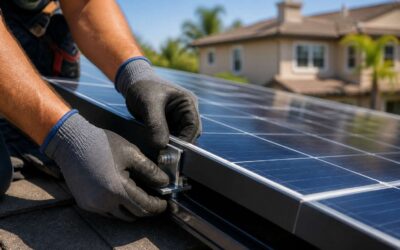
On a sunlit South African farm, the 555w solar panel carries quiet hope. Installation starts with a sturdy mounting that faces north to catch the sun’s arc. Tilt is set to your latitude, cables run tidy and protected from dust. Place the panel where shade won’t dim performance all day. That steady rhythm powers pumps and lights through long, dry afternoons.
- Structural mounting integrity
- Clear cable routes
- Safe maintenance access
Safety matters: isolate the system before any work, wear PPE, and use DC-rated cables with proper fusing. Local standards, like SANS 10142-1 and IEC guidelines, govern these jobs; patience saves lives.
Site selection and shading analysis hinge on the sun’s path across the veld. Check for consistent sun from dawn to dusk, clear of branches or chimneys; for 555w solar panel, compatibility with your inverter matters.
Mounting options and wind load considerations
On a sunlit South African farm, the 555w solar panel quietly drinks in the rays. A sturdy mounting faces north to catch the sun’s arc, with tilt set to latitude and cables tidy and dust-free. Shade-free placement keeps performance steady all day.
Safety matters: isolate the circuit before work, wear PPE, and use DC-rated cables with proper fusing. Adhere to SANS 10142-1 and IEC guidelines; patience saves lives. Safe maintenance access and clear cable routing aren’t afterthoughts—they’re essentials.
System integration, mounting options, and wind-load considerations demand respect for the veld’s gusts. Choose ground, roof, or pole mounts; ensure fixings resist local wind zones and corrosion. For robust performance, align with the inverter and future expansions.
- Ground mounts with piles or ballast
- Roof rails with corrosion-resistant anchors
- Pole mounts designed for SA wind regimes
Inverter compatibility and MPPT optimization
Installation on a SA property is a bit of stagecraft—the sun is the lead. The 555w solar panel deserves a clean, north-facing home with a latitude-tuned tilt. A tidy layout and shade-free placement keep performance steady from dawn to dusk.
- Inverter MPPT window alignment
- Max input current for the panel
- Expansion headroom and wiring routes
Safety matters: isolate circuits before touching anything, don PPE, and use DC-rated cables with proper fusing. Adhere to SANS 10142-1 and IEC guidelines; patience saves lives. Clear cable routing isn’t an afterthought.
System integration and MPPT optimization: ensure your array’s voltage and current sit within the inverter’s MPPT window, mind temperature derating, and keep cabling low resistance. A good match lets the panel shine in SA heat.
Wiring, protection, and safety best practices
A 555w solar panel doesn’t simply sunbathe on a roof; it earns its glow through purposeful placement: north-facing in SA with a latitude-tuned tilt, a tidy layout, and shade-free exposure that keeps output steady from dawn to dusk.
Safety matters: isolate circuits before touching anything, don PPE, and use DC-rated cables with proper fusing. Adhere to SANS 10142-1 and IEC guidelines; patience saves lives.
System integration and wiring protection: ensure your array’s voltage and current sit within the inverter’s MPPT window, mind temperature derating, and keep cabling low resistance.
- DC disconnects should be accessible and clearly labeled
- Wiring gauges should accommodate SA ambient temperatures
- Clamps and grommets help prevent chafing and wear
A careful layout lets this panel perform with reliability, even in the hottest months.
Cost, ROI, and Lifecycle Considerations
Initial cost, financing, and price trends
In South Africa, the fastest ticket to daytime independence isn’t a gadget—it’s a 555w solar panel that shaves your grid bill when the sun is shining. Cost considerations bite early. The upfront price sits at a premium, but flexible financing, leases, and PPAs soften the sting. In SA, efficiency gains and local price trends are closing the gap to conventional power.
- Upfront cost realities and long-term savings
- Financing options tailored for SA households
- Incentives, VAT, and price trends
ROI hinges on how you use the sun: daytime offset, tariff relief, and avoiding outages. With rising electricity prices, the payback period shrinks, even for a lone 555w solar panel when paired with solid system design.
Lifecycle considerations cover degradation, warranties, and end-of-life. A quality 555w solar panel will weather years of sun, with warranties protecting performance and a plan for recycling or repurposing at the end of life.
Energy savings, payback period, and ROI
South Africa’s rooftop market is increasingly coaxed by a 555w solar panel—a compact, high-output choice that fits most homes. The upfront price carries a premium, but SA-specific financing structures and scalable system sizing help tailor payments to budgets while you ride the sun.
ROI hinges on how you deploy the wattage. On bright days, this high-output panel will curb daytime grid reliance and soften rising tariffs, shortening the payback window when paired with careful layout and, if possible, modest storage. Consider these value drivers:
- Higher self-consumption during peak sun
- Tariff relief as Eskom prices climb
- Improved resilience during outages
Durability, warranties, and end-of-life recycling shape long-term value. A quality 555w solar panel will weather years of sun with robust performance guarantees and a plan for recycling or repurposing at the end of life. I keep these in mind during installs, and the 555w solar panel continues to perform.
Warranty terms, maintenance, and reliability
Cost wears its own shadow, and the 555w solar panel wears it like a crown. In South Africa, the upfront price sits at a premium, yet the long arc of savings—sun-forged, silent—often justifies the expense for rooftops that drink light like water.
ROI arrives in measured tides: higher self-consumption on bright days, tariff relief as Eskom tariffs mount, and resilience when the system is properly sized. From my vantage, a touch of storage can tilt the balance toward a swifter payback.
Lifecycle choices seal the fate of your investment: warranty terms, maintenance, and reliability determine long-term value.
- Warranty terms: 25-year performance promise
- Maintenance: minimal, periodic checks and cleaning
- Reliability: strong service network and end-of-life options
Incentives, depreciation, and regional considerations
Across South Africa, the upfront cost of the 555w solar panel sits at a premium, yet the long arc of savings—sun-forged and whisper-quiet—often justifies the expenditure for rooftops that drink light like water. Higher wattage means quicker self-consumption and fewer panels.
ROI shows in measured tides: more energy on bright days, tariff relief as Eskom tariffs rise, and resilience when sized properly. Storage can tilt payback toward swifter gains.
Lifecycle matters: warranty, maintenance, and reliability shape long-term value. And regional realities—sun, policy, and grid rules—alter the balance.
- Incentives: tax credits, rebates, and net-metering policies reward high-output panels.
- Depreciation: accelerated depreciation or tax allowances can shorten payback timelines.
- Regional considerations: sun exposure, grid rules, and load patterns vary by province and affect eligibility.

0 Comments