
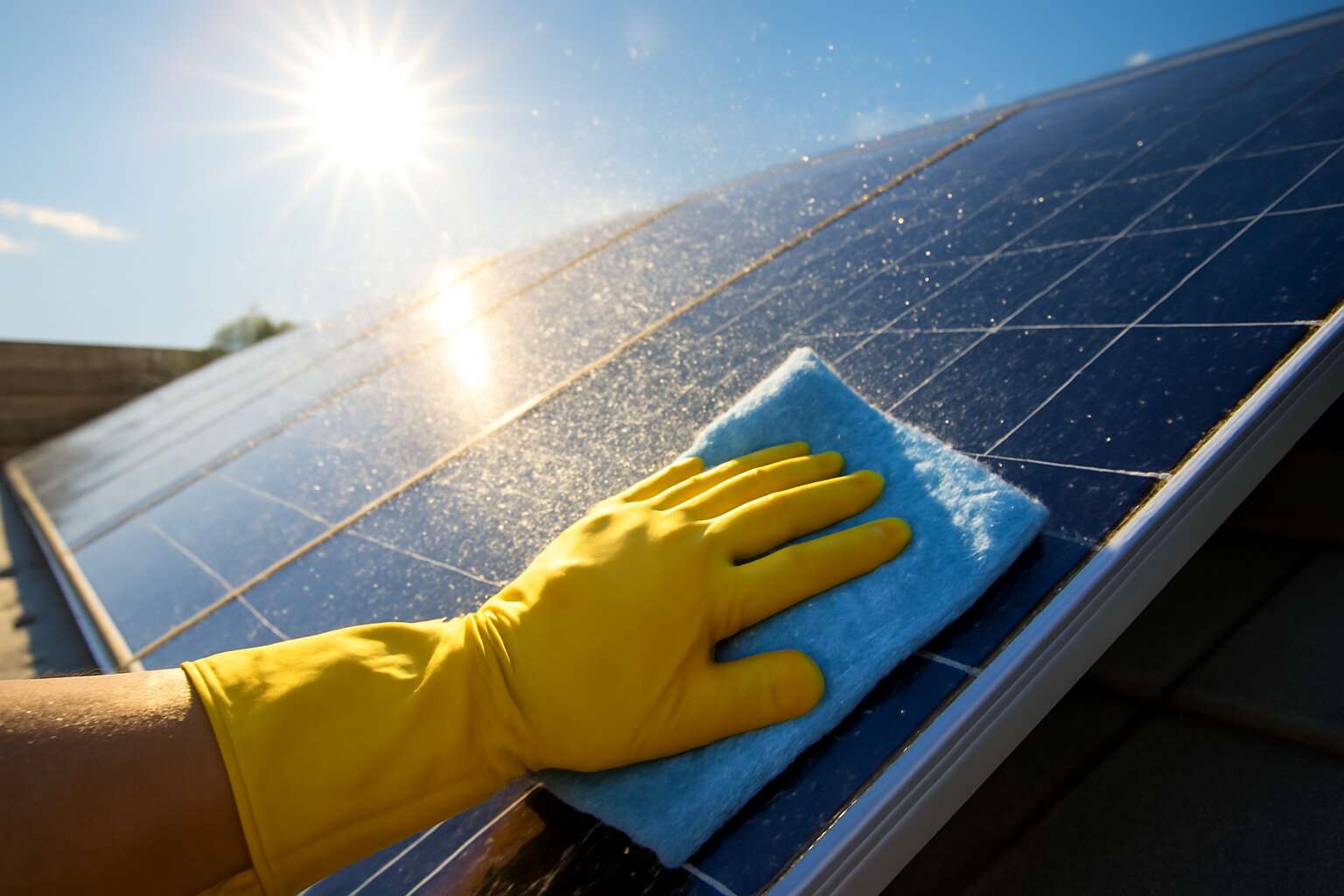
Overview of Solar Panel Cleaning
Understanding Why Cleaning Improves Efficiency
South Africa’s sun can be ruthless for dirty panels. Clean panels can boost energy yield, turning a dusty roof into a reliable power plant. Solar panel washing isn’t cosmetic—it’s a performance decision that keeps PV arrays humming under the African sun.
Dust, pollen, and bird droppings accumulate on panels, creating shading and heat build-up. Regular cleaning restores glare-free light reception, reduces soiling losses, and helps panels run cooler during peak sun, preserving efficiency in SA’s climate.
- Maximized irradiance capture and energy yield
- Reduced hot spots and longer panel life
- Preserved warranty through proper cleaning routines
Understanding why cleaning improves efficiency shows the value of routine attention, especially in our dusty, windy seasons. Solar panel washing keeps output steady and protects long-term investment.
Common Types of Panels and Their Cleaning Needs
A scorching South African sun is a stern boss on any rooftop. solar panel washing stops being vanity and becomes a performance plan, especially where dusty winds and savanna pollen conspire with glare. Clean panels mean steadier output when the day peaks.
This overview highlights how panel families weather grime, with a quick snapshot of the common types and their cleaning needs.
- Monocrystalline — high efficiency, glassy surface that sheds grime; edges need mindful care.
- Polycrystalline — robust and affordable, surface texture can trap dust in windy climates.
- Thin-film — flexible backing, lower profile, sensitive to streaking; sealing and contact matter.
Across SA’s dustier seasons, solar panel washing is less spa day and more quarterly performance check—keeps the light crisp and shade in retreat.
Frequency and Scheduling Considerations
The South African sun is a stern conductor; even the brightest array loses a slice of its chorus when dust and pollen cling to glass. In a rhythm that blends science with craft, cleaning frequency becomes a scheduling artist—neither excessive nor neglectful. A typical cycle in dusty regions threads through the year as a quarterly touchstone, but the cadence shifts with rainfall, wind, and pollen. Solar panel washing is less vanity and more performance, a quiet pact with the day’s peak.
To shape that cadence, weigh the conditions around your roof and microclimate. Consider these factors:
- Dust and wind patterns
- Pollen seasons
- Panel tilt and shading
- Site monitoring data
When in doubt, treat the calendar as a living map for solar panel washing—the right rhythm keeps energy crisp and the harvest faithful to the sun.
DIY vs Professional Cleaning: Pros and Cons
In the South African sun, a panel’s shine can falter behind a thin veil of dust; energy yield slips on the hottest days. DIY solar panel washing offers immediacy and intimacy with your system, while professional cleaning brings method and machine-scale care—two routes to a cleaner harvest that respect the day’s peak.
- DIY cleaning: Low cost, simple tools, and a quick turn-around.
- DIY drawbacks: Safety on sloping roofs, risk of streaks or scratches, and warranty concerns.
- Professional cleaning: Thorough grime removal, safe roof handling, and equipment like purified water and soft washing.
- Professional drawbacks: Higher price and scheduling constraints.
Whichever path you choose, the practice of solar panel washing is a maintenance ritual—quiet, steadfast, a pact with the sun.
Safety and Compliance Basics
Sun-scorched South Africa is unforgiving to dusty panels: even a thin veil can shave several percentage points off the harvest on peak days. That means a cleaner face can translate to more kilowatts feeding into your home or business—and a happier inverter.
Safety and compliance aren’t the boring bits; they’re the hinge on which good solar panel washing pivots. For the basics, plan safe access, electrical isolation, appropriate water quality, and a weather-aware mindset that avoids slick surfaces and sudden gusts.
- Fall protection and PPE
- Electrical safety and isolation practices
- Water quality and environmental considerations
- Manufacturer warranty terms and data sheets
- Local regulations and permit requirements
In South Africa, clean panels mean compliance with local norms and a sun-warmed return on your investment—calm, cautious, and ready to greet the next gust of bright morning light.
Best Practices for Cleaning Solar Panels
Choosing the Right Cleaning Method
Peak sun doesn’t forgive dirty panels. In South Africa, estimates peg efficiency losses around 15% when grime piles up—enough to turn a bright week into a budget disappointment. So choosing the right method for solar panel washing isn’t vanity; it’s a safeguard for your investment. The approach should respect coating tech, dirt type, and climate, while staying gentle on the glass.
- Dirt type and exposure considerations
- Panel surface compatibility and coating considerations
- Water quality and ambient temperature considerations
- Safety and access constraints
Beyond preference, consider local water restrictions, seasonal sun, and panel coating compatibility. A measured approach beats brute force; gentle rinses and appropriate detergents help maintain efficiency without courting unnecessary wear on the glass.
Ideal Cleaning Tools and Supplies
South Africa’s sun is generous, and grime is a thief; solar panel washing is more than maintenance—it’s a quiet testament to stewardship, protecting your investment and preserving those precious kilowatts. A measured touch, respectful of coating tech and climate, keeps the glass pristine without courting wear.
Ideal cleaning tools and supplies align safety, effectiveness, and cost.
- Soft-bristle brushes and microfiber cloths
- Non-abrasive squeegee for gentle gaps
- Mild, solar-safe detergent or pH-balanced soap
- Clean water and a practical rinsing bucket
- Hose with adjustable nozzle for controlled flow
- Safety gear: gloves, non-slip footwear, and fall protection as needed
- Access solutions suited to your roof type and height
These components support a careful, respectful approach to maintenance.
With these elements, solar panel washing becomes a refined ritual, preserving performance through the seasonal glare.
Step-by-Step Cleaning Process
In South Africa’s relentless sun, grime maps itself across glass, and solar panel washing becomes more than maintenance—it is stewardship, guarding every watt the sky offers and every rand invested.
The best practice unfolds as a quiet liturgy: look for grime, welcome a light rinse, cradle the glass with gentle touch, and mind the coating edges.
On South African rooftops, the rhythm respects heat and wind; the approach favours mild detergents and unobtrusive water use, with a posture of care that matches local climate and coating tech.
This refined ritual converts glare to dependable kilowatts and makes a lasting statement of care.
Weather and Seasonal Considerations
South Africa’s sun is relentless, and grime can shave measurable wattage during peak hours. Solar panel washing becomes stewardship—protecting every watt and every rand under the blaze. The practice of solar panel washing keeps performance honest in glare-swept skies!
- Extreme heat accelerates grime cling on glass.
- Dust and wind carry fine grit across roofs.
- Rain helps rinse but can leave mineral streaks.
Weather and seasons shape grime behavior: dry, dusty summers leave tenacious residues; wet months invite mineral streaks and condensation. Observing shifts in buildup helps tune expectations for the year’s cycles.
Seasonal rhythms remind that cleaning is not a one-off task but a weather-driven stewardship of kilowatts—the sky answering with steadier output when the climate cooperates.
Common Mistakes to Avoid
South Africa’s sun pours down with a relentless glare, and grime on glass can shave measurable kilowatts during peak hours. In the realm of solar panel washing, technique matters as much as timing, and a patient approach reveals the hidden value in every panel.
Best practices favour gentle tools, neutral cleaners, and avoiding heat-soaked afternoons. A watchful eye on panel angles and ambient warmth helps keep cleanliness from becoming a glare-inducing shortcut.
- Using abrasive brushes or caustic cleaners that scratch the surface.
- Cleaning under direct sun or with hot water, which causes quick drying and streaks.
- Relying on mineral-rich tap water that leaves residues on the glass.
Staying mindful of these traps preserves warranty and performance, turning prevention into a quiet, efficient form of stewardship.
Cleaning Methods and Techniques
Dry Cleaning and Dust Removal
Dust and grime are the stealthy antagonists of efficient solar harvesting. In dry cleaning and dust removal, the emphasis is on gentle contact, controlled air, and careful surface care—the art of coaxing particles free without water marks. In South Africa’s sun-drenched roofs, dry methods often deliver a quick, low-impact refresh between more thorough cleans.
Dry cleaning relies on soft cloths or brushes to lift the upper layer of dust while protecting coatings and seals. The dust removal process leans on wind, gravity, and the subtle physics of electrostatic attraction to keep surfaces cleaner for longer, reducing the need for moisture in every cycle.
Ultimately, this discipline balances performance gains with surface longevity, a quiet affirmation that cleanliness and resilience can coincide in solar panel washing.
Water-Based Cleaning with Low-Pressure Methods
In South Africa’s sun-drenched roofs, water-based cleaning with low-pressure methods delivers the steady spark that dry methods miss. For solar panel washing on sun-warmed rooftops, a gentle rinse respects coatings and seals while lifting the stubborn film that hamstrings performance. The goal is efficient cleanliness without chasing micro-scratches in the glare of SA sun.
- Gentle nozzle, restrained pressure to avoid contact marks.
- Clean water with minimal additives.
- Non-abrasive cloths and soft brushes.
- Short, controlled passes to reduce moisture use.
Used judiciously, water-based cleaning can maximize output while preserving panel longevity, a quiet partner to the more dramatic dry-cleaning drumbeat. In solar panel washing, the balance between performance and care is where the SA sun meets its match.
Eco-Friendly Cleaning Solutions
The sun on SA rooftops is unforgiving, yet a clean panel returns more energy with precision. In this segment, eco-friendly cleaning solutions take the lead—gentle, effective, and kind to coatings. solar panel washing is powered by plant-based soaps, small doses of dish soap, and vinegar dilutions, paired with pure water to avoid residue.
- Plant-based soap
- White vinegar dilution
- Pure water rinse
Clarity comes through technique: soft cloths, restrained pressure, and short, controlled passes to prevent streaks and mineral deposits. This balance keeps surfaces gleaming while safeguarding coatings.
Dealing with Hard Water and Mineral Deposits
In South Africa’s sun-drenched towns, mineral-rich water and road dust conspire to dim the sun’s gift. Mineral deposits from hard water can shave measurable energy from a panel’s output—up to a fifth in some arid pockets—making solar panel washing feel less a luxury and more a necessity.
Cleaning methods that address mineral deposits rely on balance and subtlety. Demineralized water or distilled rinse leaves fewer traces, while soft microfiber cloths cradle the surface with care. Gentle, restrained passes help preserve coatings and avoid micro-scratches that invite new deposits. In SA contexts, the interplay of windborne dust and mineral films requires mindful technique rather than brute force.
- Demineralized or distilled water for the final rinse when possible
- Non-abrasive microfiber cloths to lift grime without scratching
- Low-pressure, steady contact to minimize streaks and recontamination
Ultimately, the discipline of solar panel washing merges science with craft, turning mineral challenges into a clear, sunlit aesthetic.
Snow and Ice Handling Safety
On SA roofs at dawn, a thin frost can cut energy by as much as 5%—a glimmering reminder that weather is a partner in solar panel washing, not a foe. Snow and ice safety becomes integral to preserving both performance and longevity.
Instead of brute force, the approach favors patience and mindful contact. Gentle observation, soft microfiber textures against the glass, and a respect for coatings keep the surface pristine while the sun does the final clearing. When ice glints, the mission is to wait for melt rather than press on.
With every sunrise, the blend of science and craft reveals a cleaner horizon for your system. This is the quiet magic of careful cleaning.
Maintenance and Long-Term Care
Regular Inspections and Panel Diagnostics
Preventive Measures for Dust and Pollen
Dawn over the veld is bright, but a thin film of dust and pollen can dull a solar panel’s glare and shave a portion of its output. In dry South African air, that film can trim output by up to 15% between cleanings, turning care into an act of stewardship—solar panel washing becomes part of a practical, year‑round habit that honors the land and the work it sustains.
From years spent on the veld, I’ve learned how dust, pollen, and wind create a unique microclimate around each installation. To frame this long‑term care, think about these themes:
- Microclimate and dust dynamics around rural arrays
- Seasonal pollen patterns shaping surface clarity
- Balancing weather windows with water use in arid regions
Together, these reflections reinforce the value of regular upkeep and solar panel washing as a steady thread through changing seasons.
Professional Maintenance Schedules
Maintenance and long-term care hinge on rhythm. A professional schedule treats solar panel washing as a trusted habit, not a one-off chore. In the veld, disciplined service keeps performance honest and maintenance costs predictable, turning risk into reliability.
- Quarterly inspections and performance diagnostics
- Seasonal cleaning windows aligned with weather
- Accurate service logs and warranty compliance
With clear records and smart timing, outputs stay resilient through shifting seasons, and the land’s enduring work remains a constant partner.
Cost-Benefit Analysis of Cleaning Frequency
In South Africa’s sun-scorched valleys, a dirty panel can shave 10–15% off output—turning a routine task into a crucial economic decision. The cost-benefit of solar panel washing is not merely about shine; it’s about predictable performance and long-term care. Frequency chosen with site realities keeps maintenance costs steady and reliability high through shifting seasons.
Balancing upfront cleaning costs against potential energy losses, warranty terms, and diagnostic needs reveals a nuanced picture. Consider these levers:
- Output retention vs cleaning frequency
- Warranty compliance and diagnostic readiness
- Site dust levels and weather patterns
- Labor, equipment, and accessibility costs
An optimised cadence isn’t dogmatic; it’s adaptive—like the land itself, listening to rain and dust. A measured approach keeps the system speaking clearly, season after season, and a steady rhythm of solar panel washing anchors reliability.
Choosing the Right Service Provider
The South African sun is merciless, yet a clean sweep can feel almost magical—dirty panels can shave up to 15% off output, turning maintenance into a money-minded decision. When it comes to maintenance and long-term care, solar panel washing is less a whim and more a strategic partnership that keeps performance predictable through seasons.
Choosing the right service provider means more than a one-off scrub. Safety records, clear warranties, and diagnostic readiness appear as essential hallmarks, allowing issues to stay small. In South Africa, a local outfit with flexible scheduling and dusty-site know-how is worth its weight in reflected sunlight.
- Verified experience and client references
- Comprehensive insurance and safety protocols
- Modern, efficient equipment and eco-friendly methods
- Transparent reporting and adaptable scheduling
With a dependable partner, maintenance becomes routine care, not a reaction to losses. They provide ongoing checks and clear communication, keeping solar panel washing a trusted habit.

0 Comments