Understanding Solar Power Technologies
What Are Solar Panels?
In the quest to harness the sun’s boundless energy, understanding the nuances between solar panel vs photovoltaic technology becomes paramount. Solar panels are often perceived simply as glossy, glassy rectangles, but beneath their sleek exterior lies a sophisticated dance of science and ingenuity. These panels serve as the gateway to converting sunlight into usable electricity, an essential step in renewable energy deployment across South Africa’s sun-drenched landscape.
Photovoltaic (PV) technology, at its core, is the engine behind this transformation. It involves the use of semiconducting materials—most commonly silicon—that generate electric currents when illuminated by sunlight. The distinction between solar panel vs photovoltaic often confuses newcomers, yet the truth is that all PV systems are embodied within solar panels.
- Monocrystalline silicon panels
- Polycrystalline silicon panels
- Thin-film solar cells
Each type offers a unique blend of efficiency, cost, and durability, shaping how solar power integrates into everyday life. As South Africa continues to embrace renewable energy, grasping the essence of these technologies reveals the profound beauty of solar innovation—an eternal dance of light and life.”
What Is Photovoltaic Technology?
Photovoltaic technology stands at the heart of solar power’s silent revolution. It is the unseen force that converts sunlight into electricity, powering homes, businesses, and even entire communities. Unlike traditional energy sources, PV systems harness the sun’s energy directly through sophisticated semiconducting materials, creating a clean, sustainable alternative that feels almost mystical in its efficiency.
South Africa’s abundant sunshine makes photovoltaic technology an excellent fit for the region’s energy needs. The core of this innovation lies in the ability of certain materials—most notably silicon—to generate electric currents when exposed to sunlight. This process is the foundation of all solar panels, yet the distinction between solar panel vs photovoltaic becomes clear when considering the inner workings of these systems.
- Photovoltaic cells, often made from monocrystalline or polycrystalline silicon, absorb sunlight.
- Electrons are energized, creating an electric current.
- This current is then captured and transformed into usable electricity for everyday use.
Understanding these intricate details reveals the true marvel of solar power—an elegant dance of science and sunlight that continues to unfold across South Africa’s landscape. The question of solar panel vs photovoltaic is no longer just technical; it’s a glimpse into the future of sustainable energy innovation.
Historical Development of Solar Power
The evolution of solar power technology is a testament to relentless human ingenuity and a profound quest for sustainable energy. In South Africa, where the sun’s intensity is a daily gift, understanding the historical development of solar power reveals a tapestry woven with scientific breakthroughs and visionary optimism. From humble beginnings—where solar cells were experimental novelties—to today’s sophisticated photovoltaic systems, each leap has propelled us closer to energy independence.
Initially, solar energy was harnessed through rudimentary devices, often inefficient and costly. But as the demand for cleaner energy grew, so did the innovation. The advent of silicon-based photovoltaic cells in the mid-20th century revolutionized the industry, transforming sunlight into usable electricity with unprecedented efficiency. Over decades, technological advancements—such as the transition from monocrystalline to polycrystalline silicon—have refined the process, making solar power more accessible and economical.
Understanding the difference in the context of solar panel vs photovoltaic becomes clearer when considering their roots. Solar panels—composed of multiple photovoltaic cells—represent the physical manifestation of this evolution. They are the tangible output of a long, intricate journey driven by scientific curiosity and environmental necessity. For South Africa, this history underscores not just a technological progression but a resilient shift towards embracing the sun’s full potential in shaping a sustainable future.
Solar Panel vs Photovoltaic: Definitions and Differences
Defining Solar Panels
At the heart of renewable energy, the distinctions between solar panel and photovoltaic technology reveal a profound truth: the way we harness sunlight mirrors our deepest desire to transform fleeting moments of brilliance into lasting power. A solar panel, in its essence, is a physical structure—an assembly of photovoltaic cells designed to capture sunlight and convert it into usable energy. It embodies a tangible commitment to sustainability, a silent promise etched into glass and silicon.
Photovoltaic technology, on the other hand, is the very process—an intricate dance of electrons and quantum physics—that makes this transformation possible. When comparing solar panel vs photovoltaic, it’s crucial to understand that the former is the vessel, while the latter is the mechanism. Solar panels are composed of multiple photovoltaic cells, often arranged in modules, working collectively to generate electricity. This distinction underscores a fundamental truth: our pursuit of clean energy is not just about materials but about the profound potential of light itself.
Defining Photovoltaic Systems
When discussing renewable energy, the terms solar panel vs photovoltaic often emerge as a point of curiosity. While they are closely linked, understanding their distinct roles is essential. A solar panel is a physical device—an assembled structure of photovoltaic cells—that captures sunlight and converts it into electrical energy. Think of it as a window into the sun’s power, a tangible commitment to sustainable progress.
Photovoltaic technology, however, refers to the intricate process occurring within the solar panel. It’s the scientific mechanism—where sunlight energizes electrons—making the conversion from light to electricity possible. Recognizing that solar panels are the vessel, while photovoltaic technology is the engine behind the transformation, clarifies the dynamic between the two.
- Photovoltaic cells are the core components that enable this conversion.
This distinction is vital for those exploring solar energy options in South Africa, where harnessing sunlight efficiently is not just an ideal but a necessity. The debate of solar panel vs photovoltaic isn’t about choosing one; it’s about appreciating how each element plays a crucial role in sustainable power generation.
Key Differences Between Solar Panels and Photovoltaic Devices
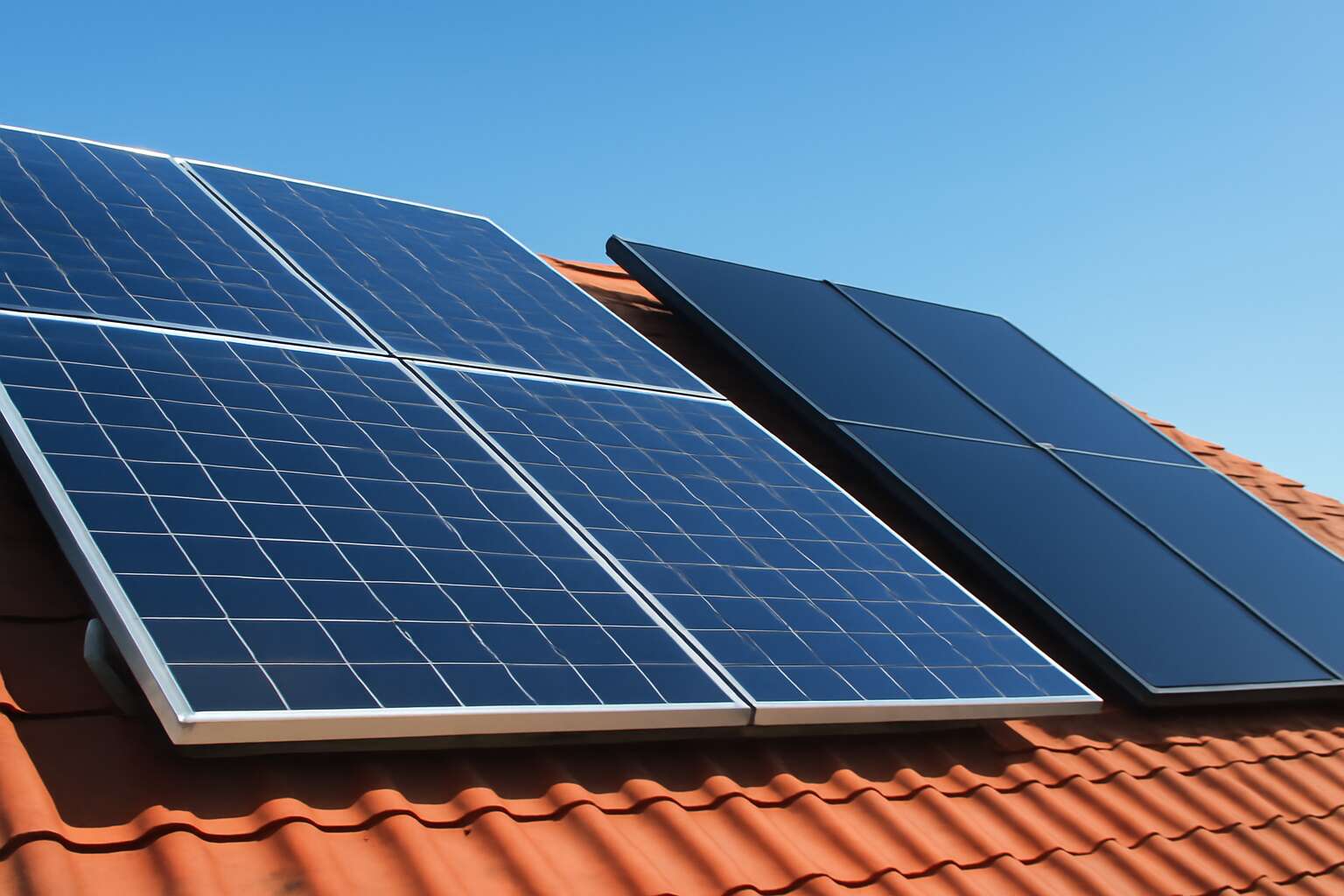
When diving into the world of renewable energy, the debate of solar panel vs photovoltaic often feels like comparing apples to high-tech oranges—both are related, but each has its own unique flavor. A solar panel, in its simplest form, is the tangible, shiny face that you see on rooftops, assembled from many photovoltaic cells. Think of it as a window into the sun’s power—an impressive piece of engineering that’s ready to soak up sunlight and do something extraordinary.
Photovoltaic, on the other hand, refers to the sophisticated process that takes place inside these panels. It’s the scientific magic—where sunlight energizes electrons within photovoltaic cells, generating electricity. If you imagine the solar panel as a vessel, then photovoltaic technology is the engine churning away inside, turning sunlight into usable power. Recognizing this distinction is essential for South African homeowners and businesses eager to harness the sun’s abundant energy—after all, the key isn’t just having a solar panel, but understanding how photovoltaic technology makes it all work.
Understanding the difference between solar panel vs photovoltaic is crucial for making informed decisions about solar energy investments. Essentially, solar panels are the physical devices, while photovoltaic technology is the core process powering them. This synergy ensures a sustainable, efficient power solution—an invaluable asset in South Africa’s sunny climate.
Types of Solar Panels and Photovoltaic Technologies
Types of Solar Panels
When exploring the landscape of solar energy, understanding the different types of solar panels and photovoltaic technologies is essential. Not all solar panels are created equal, and their efficiency varies based on design and material. In South Africa, where sunlight is abundant, choosing the right technology can significantly impact your energy savings.
There are primarily three types of solar panels used in photovoltaic systems: monocrystalline, polycrystalline, and thin-film. Each offers unique advantages. Monocrystalline panels are known for their high efficiency and sleek appearance, making them a popular choice for limited space. Polycrystalline panels, while slightly less efficient, are more cost-effective and durable. Thin-film panels are lightweight and flexible, ideal for unconventional surfaces but generally less efficient than their crystalline counterparts.
Understanding these distinctions is key when comparing the solar panel vs photovoltaic options. The decision often hinges on the specific energy needs, budget, and space constraints of the user. For those in South Africa, where solar exposure is optimal, selecting the right photovoltaic technology can maximize energy output and long-term savings.
Types of Photovoltaic Technologies
In the shadowed realm of solar energy, the choice between solar panel vs photovoltaic technology is not merely a matter of surface appearance but a deeper quest for efficiency and resilience. South Africa, blessed with endless azure skies, beckons the discerning to explore the nuanced landscape of photovoltaic systems. Here, the different types of solar panels harness sunlight in distinctive ways, each with its own dark allure and promise of power.
Among the most revered are monocrystalline panels, with their sleek, black facades whispering of purity and precision. They offer unparalleled efficiency, making every ray count—crucial in tight spaces where every watt matters. Polycrystalline panels, slightly less refined in appearance, are more forgiving on the wallet and boast remarkable durability—an essential trait in South Africa’s volatile climate. Meanwhile, thin-film panels, lightweight and flexible, conjure images of adaptability, fitting seamlessly onto unconventional surfaces but sacrificing some efficiency in the process.
Understanding these distinctions is vital when weighing the options in the solar panel vs photovoltaic debate. It becomes a dance of priorities—whether maximizing output, minimizing costs, or embracing versatility—that ultimately shapes the choice. For those venturing into the sun-drenched landscapes of South Africa, selecting the right photovoltaic technology can turn the relentless solar bounty into long-lasting energy—an eternal symphony of light and shadow.
Performance and Efficiency Comparison
Efficiency of Different Solar Panels
Performance and efficiency are the silent architects of solar power’s evolution, shaping the promise of sustainable energy in South Africa’s sun-drenched landscapes. When comparing a solar panel vs photovoltaic, it becomes evident that while both harness sunlight, their efficiencies diverge in subtle yet impactful ways. Solar panels, particularly the traditional crystalline silicon types, often boast efficiency rates between 15% and 20%. In contrast, advanced photovoltaic systems, especially those employing thin-film or multi-junction technologies, can push these boundaries closer to 25% or higher, translating into more energy captured per square meter.
To truly appreciate the performance differentials, consider the following factors: the quality of materials, technological integration, and installation conditions. Certain photovoltaic devices are engineered to perform optimally under varied light conditions, including low-light or high-temperature environments—conditions prevalent in South Africa. The distinction between a solar panel vs photovoltaic may seem subtle, but it’s these efficiency nuances that determine whether a system maximizes its energy yield or falls short. In essence, while solar panels serve as the physical interface, photovoltaic technology is the brain behind smarter, more efficient energy conversion—an essential consideration for those seeking durability and high performance in their solar investments.
Efficiency of Photovoltaic Technologies
In the ongoing debate of solar panel vs photovoltaic, efficiency remains the defining factor that influences energy output and long-term sustainability. Photovoltaic technology has advanced rapidly, with some systems reaching efficiencies of 25% or more, especially those utilizing multi-junction or thin-film innovations. These higher efficiencies mean more energy per square meter, a crucial advantage in South Africa’s vast but sun-rich landscape.
Conversely, traditional solar panels, primarily crystalline silicon types, typically operate between 15% and 20%. While less efficient, they are often more affordable and reliable, making them a popular choice for many. The performance gap between a solar panel vs photovoltaic system highlights the importance of selecting technology that aligns with specific environmental conditions, such as high temperatures or low-light periods common in South Africa.
Ultimately, the efficiency differences are subtle but impactful. Photovoltaic systems, with their smarter energy conversion, tend to maximize output and durability—key considerations for those investing in sustainable energy solutions. Whether you’re comparing solar panel vs photovoltaic, understanding these nuances can significantly influence your decision-making process and energy savings.
Factors Affecting Performance
Performance and efficiency in solar energy systems are nuanced realms where the subtle interplay of technology, environment, and design determines ultimate output. In the debate of solar panel vs photovoltaic, understanding the factors that influence performance becomes paramount, especially within South Africa’s sun-drenched landscape.
Temperature fluctuations, shading, and the angle of installation can significantly impact the real-world efficiency of these systems. Photovoltaic technologies, particularly those employing multi-junction cells, tend to maintain higher efficiencies under high-temperature conditions compared to traditional crystalline silicon solar panels. This resilience translates to more consistent energy harvest, a vital consideration in regions with intense sunlight and variable weather patterns.
Additionally, the quality of materials and the sophistication of the energy conversion process shape long-term performance. When comparing solar panel vs photovoltaic, it’s crucial to recognize that advanced photovoltaic systems often incorporate smart tracking and cooling mechanisms, further optimizing output amidst South Africa’s environmental challenges. In essence, performance is not solely about raw efficiency but how well the system adapts and sustains energy production over its lifespan.
Ultimately, the choice hinges on a delicate balance—where nuanced understanding of these performance factors can lead to smarter investments and more sustainable energy solutions, making all the difference in harnessing South Africa’s abundant sunshine.
Cost and Economy
Initial Investment and Installation Costs
Embarking on the journey toward harnessing solar energy involves more than just understanding the technology; it requires a keen eye on the financial landscape. When comparing solar panel vs photovoltaic systems, initial investment and installation costs are often the deciding factors for many South African households and businesses. While photovoltaic technology has seen a dramatic decrease in prices over the past decade, the upfront expense still remains a significant consideration.
In essence, the cost of a solar panel vs photovoltaic system can vary based on quality, capacity, and installation complexity. A typical photovoltaic setup might demand a larger initial outlay but promises greater long-term savings through efficiency and durability. For those weighing their options, it’s helpful to recognize that installation costs—covering everything from site assessment to mounting hardware—constitute a substantial portion of the overall expenditure. Factors such as roof type, shading, and local regulations influence these costs, often making the difference between a modest investment and a substantial financial commitment.
- Equipment costs for photovoltaic modules tend to be higher initially but offer better returns on investment due to their efficiency.
- Installation expenses can fluctuate significantly depending on site-specific conditions and the complexity of integration.
- Long-term savings, subsidies, and incentives can offset the initial costs, making the choice between solar panel vs photovoltaic systems more economically viable over time.
Ultimately, understanding the nuanced balance between upfront costs and future savings is crucial in selecting the right solar solution. In South Africa’s unique energy landscape, where load shedding and rising electricity prices are common, investing wisely in photovoltaic systems can be both a practical and philosophical act—an assertion of independence and resilience in a changing world.
Long-term Energy Savings
In the shadowed corridors of energy uncertainty, the long-term savings offered by solar solutions become a beacon of hope. While the initial expenditure for a solar panel vs photovoltaic system may seem daunting, the true darkness lifts when we consider the enduring rewards. South African households and businesses, grappling with escalating electricity prices, find that investing in photovoltaic technology can transform their energy narrative into one of resilience and independence.
Over time, the cost benefits multiply, especially when factoring in government incentives and subsidies designed to illuminate the path toward sustainable power. The efficiency of photovoltaic devices ensures that each ray captured translates into tangible savings—reducing reliance on the unstable grid and shielding against load shedding’s relentless grip. As the years pass, the promise of a return on investment becomes clearer, making the initial investment not just a cost, but a gateway to energy sovereignty.
- Lower operational costs fuel the economy of a photovoltaic system.
- Increasingly, South African incentives soften the financial burden.
- Long-term energy savings forge a path through the darkness of financial volatility.
In this landscape, the choice between solar panel vs photovoltaic is not merely a matter of technology but a philosophical stand—a defiant assertion that the future belongs to those willing to harness the sun’s relentless power. As the world’s shadows deepen with uncertainties, solar power emerges as a luminous force—steadily transforming the economic and environmental fabric of South Africa.
Return on Investment Analysis
When evaluating the cost and economy of solar solutions, understanding the return on investment (ROI) is crucial. South African households and businesses face rising electricity tariffs, making the financial calculus even more compelling. The initial expense of a solar panel vs photovoltaic system might seem steep, but the long-term savings tell a different story—one of substantial economic resilience. Solar photovoltaic systems, in particular, are renowned for their ability to generate consistent energy, reducing reliance on the unstable grid and costly energy imports.
Investors often consider several factors before committing to a solar setup. These include installation costs, maintenance expenses, and the expected lifespan of the equipment. Over time, the savings accrued through decreased utility bills can outweigh the upfront costs, especially when complemented by government incentives and tax rebates available in South Africa. Such incentives effectively soften the financial burden, accelerating ROI and transforming a simple purchase into a strategic move toward energy independence.
- Initial investment and installation costs
- Government incentives and subsidies
- Operational and maintenance expenses
- Long-term savings on energy bills
Ultimately, choosing between a solar panel vs photovoltaic system becomes a matter of evaluating these economic factors against the backdrop of South Africa’s unique energy landscape. With each passing year, the economic benefits grow—illuminating a path toward sustainable power that not only saves money but also fortifies resilience against future energy shocks. The true power lies in harnessing the sun’s relentless energy and turning it into tangible economic advantage.
Applications and Use Cases
Residential Solar Power Systems
In the realm of residential solar power systems, the distinction between a solar panel and photovoltaic technology often becomes a point of curiosity. When considering solar panel vs photovoltaic, homeowners seek clarity on which solution best aligns with their energy aspirations. Photovoltaic systems, rooted in harnessing sunlight to generate electricity, have revolutionized how we perceive sustainable energy. They serve as the backbone of modern residential solar power, transforming rooftops into miniature power plants.
Applications and use cases for these systems extend beyond mere energy production; they embody a lifestyle choice rooted in eco-consciousness and economic prudence. From powering family homes to supporting off-grid living in remote areas of South Africa, photovoltaic technology proves remarkably versatile. For instance, some homeowners install solar panels as part of integrated energy solutions that include battery storage, ensuring resilience even during load shedding episodes. The adaptability of photovoltaic systems makes them an ideal solution for diverse residential applications, whether for reducing reliance on municipal grids or achieving energy independence.
- Reducing electricity bills through self-sufficient power generation.
- Supporting eco-friendly living by minimizing carbon footprints.
- Enhancing property value by adopting cutting-edge solar technology.
Commercial and Industrial Applications
In the shadowed corridors of commerce and industry, the allure of photovoltaic technology beckons with promises of relentless power. Unlike traditional solar panels, which often serve as mere collectors of sunlight, photovoltaic systems are the dark wizards of energy transformation—converting rays into a tangible flow of electricity that sustains vast industrial estates or bustling commercial hubs. Their application extends beyond simple energy generation; they become the backbone of modern enterprise, a silent guardian against the rising tide of energy costs and carbon footprints.
For large-scale operations in South Africa, photovoltaic systems offer a versatility that is nothing short of revolutionary. They can be integrated with battery storage to create resilient power grids, even amidst the chaos of load shedding. Whether powering factories, data centers, or retail complexes, these systems exemplify the essence of a sustainable future.
- Industrial power plants
- Commercial building rooftops
- Remote off-grid facilities
The adaptability of photovoltaic technology makes it an indispensable tool for enterprises seeking to wield control over their energy destiny, transcending the limitations of a traditional solar panel vs photovoltaic debate, and embracing a new dawn of energy innovation.
Grid-connected vs Off-grid Systems
In the realm of solar energy, applications and use cases illuminate a spectrum as diverse as the South African landscape itself. Whether harnessing the sun’s generous rays to power sprawling commercial complexes or remote off-grid facilities nestled in rural expanses, the choice between a solar panel vs photovoltaic system shapes the future of energy independence.
Grid-connected systems are the heartbeat of urban innovation, seamlessly feeding clean power into city grids and reducing reliance on fossil fuels. These setups often include sophisticated monitoring to optimize output and ensure stability—a vital feature in dynamic energy markets. Conversely, off-grid photovoltaic systems are the silent guardians of isolated communities and critical infrastructure, where connection to the main grid is a distant dream.
For off-grid applications, the versatility of photovoltaic technology shines brightest, often combined with battery storage to create resilient power solutions that withstand South Africa’s unpredictable load shedding. Whether powering a rural school or a remote mining operation, these systems exemplify adaptability and resilience. Their ability to be tailored to specific needs underscores why many see the solar panel vs photovoltaic debate as a false dichotomy—both are tools of transformation, each suited to particular challenges and environments.
Environmental Impact and Sustainability
Environmental Benefits of Solar Technology
In a world increasingly conscious of ecological footprints, solar technology emerges as a beacon of hope, offering profound environmental benefits. Unlike fossil fuels, both solar panels and photovoltaic systems harness the sun’s boundless energy without spewing pollutants into our fragile atmosphere. This transformation is vital, especially in South Africa, where sunlight is abundant and underutilized. Solar panel vs photovoltaic debates often focus on efficiency and cost, but their shared promise lies in sustainability—reducing greenhouse gases and conserving water resources.
Solar technology’s environmental impact extends beyond mere energy generation; it fosters a greener future. Photovoltaic systems, in particular, shine as champions of renewable power, converting sunlight directly into electricity with minimal ecological disturbance. Their manufacturing processes are becoming cleaner, further diminishing their carbon footprint. As we embrace these innovations, the cumulative effect is a significant stride toward a resilient, sustainable planet—an essential step for communities eager to flourish in harmony with nature.
Resource Use and Recycling
When evaluating the environmental impact of solar energy systems, understanding resource use and recycling becomes paramount. Both solar panels and photovoltaic systems are designed to minimize ecological footprints, but their manufacturing and disposal processes differ in subtle yet significant ways. The production of solar panels, often involving silicon refinement and other materials, requires substantial water and energy inputs, which can strain local resources if not managed responsibly. Conversely, photovoltaic technology, especially newer, cleaner manufacturing practices, reduces these inputs over time, aligning with sustainability goals.
Recycling initiatives are now crucial in extending the lifecycle of solar technology. Solar panel vs photovoltaic discussions often emphasize their durability, but the real challenge lies in their end-of-life management. Advanced recycling techniques enable valuable materials like silicon, glass, and metals to be reclaimed and reused, mitigating environmental harm. For example, some South African companies are pioneering such efforts, recognizing that responsible disposal and resource recovery are essential for a truly green energy future. Ultimately, these practices underscore a shared commitment to sustainability, ensuring that solar power remains a clean, eco-friendly resource for generations to come.
Lifecycle Sustainability
In the quest for a sustainable energy future, understanding the environmental impact of our choices becomes paramount. Both solar panels and photovoltaic systems are celebrated for their eco-friendly credentials, yet their lifecycle footprints reveal nuanced differences. Solar panels, especially traditional silicon-based ones, demand significant resource inputs during manufacturing—water, energy, and raw materials—challenging local ecosystems if not managed conscientiously. Conversely, advancements in photovoltaic technology are steadily reducing these resource demands, aligning manufacturing practices more closely with sustainability objectives.
Lifecycle sustainability extends beyond production. Recycling initiatives play a critical role in curbing waste and reclaiming valuable materials like silicon, glass, and metals, which can be reprocessed into new solar products. For example, innovative recycling techniques in South Africa exemplify how responsible disposal mitigates environmental harm and conserves resources. The solar panel vs photovoltaic debate often highlights durability, but the true measure of sustainability lies in end-of-life management, ensuring the longevity of the entire energy system rather than just its initial efficiency.
Future Trends in Solar and Photovoltaic Technology
Innovations in Solar Panel Manufacturing
The future of solar technology is nothing short of electrifying, with innovations promising to redefine the very essence of renewable energy. As the world pivots toward sustainable solutions, the line between solar panels and photovoltaic systems continues to blur, giving rise to smarter, more efficient energy harvesting methods. Breakthroughs in materials science are enabling the development of ultra-thin, flexible photovoltaic cells that can be integrated into everyday surfaces—think windows, clothing, and even vehicle exteriors—ushering in an era where solar energy becomes seamlessly invisible yet omnipresent.
Looking ahead, several key trends are poised to revolutionize manufacturing and deployment. First, the advent of perovskite solar cells offers a tantalizing glimpse into higher efficiencies and lower costs, potentially outpacing traditional silicon-based solar panels. Second, manufacturing processes are becoming increasingly sustainable, with a focus on resource reuse and recycling—critical as we strive for lifecycle sustainability. Lastly, innovations in tandem cell technology—stacking different photovoltaic materials—are set to maximize energy conversion, making the debate of solar panel vs photovoltaic even more nuanced. The horizon gleams with promise, and only time will tell which technology will dominate the solar landscape.
Advances in Photovoltaic Materials
The future of solar technology is a realm of endless innovation, where the line between solar panel vs photovoltaic systems is becoming increasingly blurred. Breakthroughs in photovoltaic materials are unlocking unprecedented efficiencies and adaptability, transforming how we harvest solar energy. Advanced perovskite cells, for instance, are promising higher conversion rates at lower costs, creating a tantalizing alternative to traditional silicon-based solar panels.
Moreover, researchers are exploring ultra-thin, flexible photovoltaic cells that can seamlessly integrate into surfaces like windows, clothing, and even vehicle exteriors. This evolution signifies a shift towards invisible yet omnipresent energy capture. As these technologies mature, the distinction between a standard solar panel and a photovoltaic system becomes less clear—each innovation pushing the boundaries of what’s possible.
- Development of tandem cell technology to maximize energy output
- Enhancement of resource reuse and recycling processes for sustainable manufacturing
- Integration of photovoltaic cells into everyday surfaces for increased versatility
Such trends hint at a future where solar energy is utterly embedded into our daily lives, making the debate of solar panel vs photovoltaic more nuanced than ever before. The horizon gleams with potential, and only time will reveal which approach will dominate the solar landscape in South Africa and beyond.
Smart Solar Systems and Integration
As solar technology advances, the future of solar and photovoltaic systems promises a seamless integration into everyday life, transforming how South Africans harness energy. Smart solar systems are emerging as the next frontier, where automation and intelligent energy management optimize efficiency while reducing costs. These systems not only monitor performance but adapt dynamically to weather patterns, ensuring maximum output with minimal intervention.
Integration plays a pivotal role in this evolution. Imagine photovoltaic cells embedded into building facades, windows, or even clothing—creating a universe where energy capture is as invisible as it is omnipresent. This shift blurs the traditional lines between solar panel vs photovoltaic, making the distinction less about structure and more about function. As innovations like tandem cell technology and ultra-thin flexible photovoltaic materials mature, the potential for widespread adoption in South Africa becomes undeniable.
Furthermore, the development of modular, scalable designs allows for tailored solutions—be it residential rooftops or large-scale solar farms—ushering in a new era of versatility. The convergence of these trends hints at a future where solar energy is woven into the fabric of daily existence, elevating sustainability and efficiency to new heights. Truly, the horizon gleams with promise, beckoning us toward a world where solar technology is as natural as the sunlight that sustains it.
Choosing the Right Technology for Your Needs
Factors to Consider
Choosing the right technology to harness the sun’s abundant energy is an intricate dance of science and sustainability. When contemplating solar panel vs photovoltaic, it’s essential to understand that both serve as gateways to a cleaner, more resilient energy future. While solar panels often conjure images of sleek, glassy surfaces basking in sunlight, photovoltaic systems embody the very heart of converting sunlight into usable electricity with remarkable precision.
One must weigh several pivotal factors—efficiency, cost, longevity, and environmental impact. For instance, photovoltaic technology tends to excel in converting sunlight directly into electrical energy, making it ideal for those seeking high efficiency in limited space. Conversely, solar panels may encompass a broader range of applications, from traditional solar thermal collectors to innovative photovoltaic offerings. An in-depth evaluation of your specific needs—be it residential, commercial, or off-grid—can illuminate which path aligns best with your goals.
Ultimately, the choice hinges on a nuanced understanding of each technology’s strengths and limitations, weaving sustainability into your everyday life with deliberate intent. As the sun’s rays dance overhead, so too should your decision reflect a harmony of purpose and practicality, ensuring your investment in solar energy yields radiant, long-lasting dividends.
Expert Recommendations
Choosing the right solar technology isn’t just a matter of picking between shiny panels or high-tech cells; it’s about aligning your energy ambitions with the best fit for your environment. When weighing solar panel vs photovoltaic, consider what truly matters—efficiency, long-term durability, and environmental impact. Photovoltaic systems, renowned for their ability to convert sunlight directly into electricity, often outperform traditional solar panels in limited space, making them perfect for rooftop installations in South Africa’s bustling urban landscape.
For those who prefer a more tailored approach, a quick evaluation can help. Here’s a simple guide:
- Identify your energy needs—residential, commercial, or off-grid.
- Compare installation costs versus expected savings over time.
- Assess the environmental footprint of each technology, especially resource use and recycling potential.
In essence, the decision between solar panel vs photovoltaic comes down to understanding each technology’s unique strengths and limitations. Whether you’re aiming for maximum efficiency or a more versatile application, making an informed choice ensures your investment will shine brightly for decades to come.

0 Comments