Understanding 220w Solar Panels
What is a 220w Solar Panel?
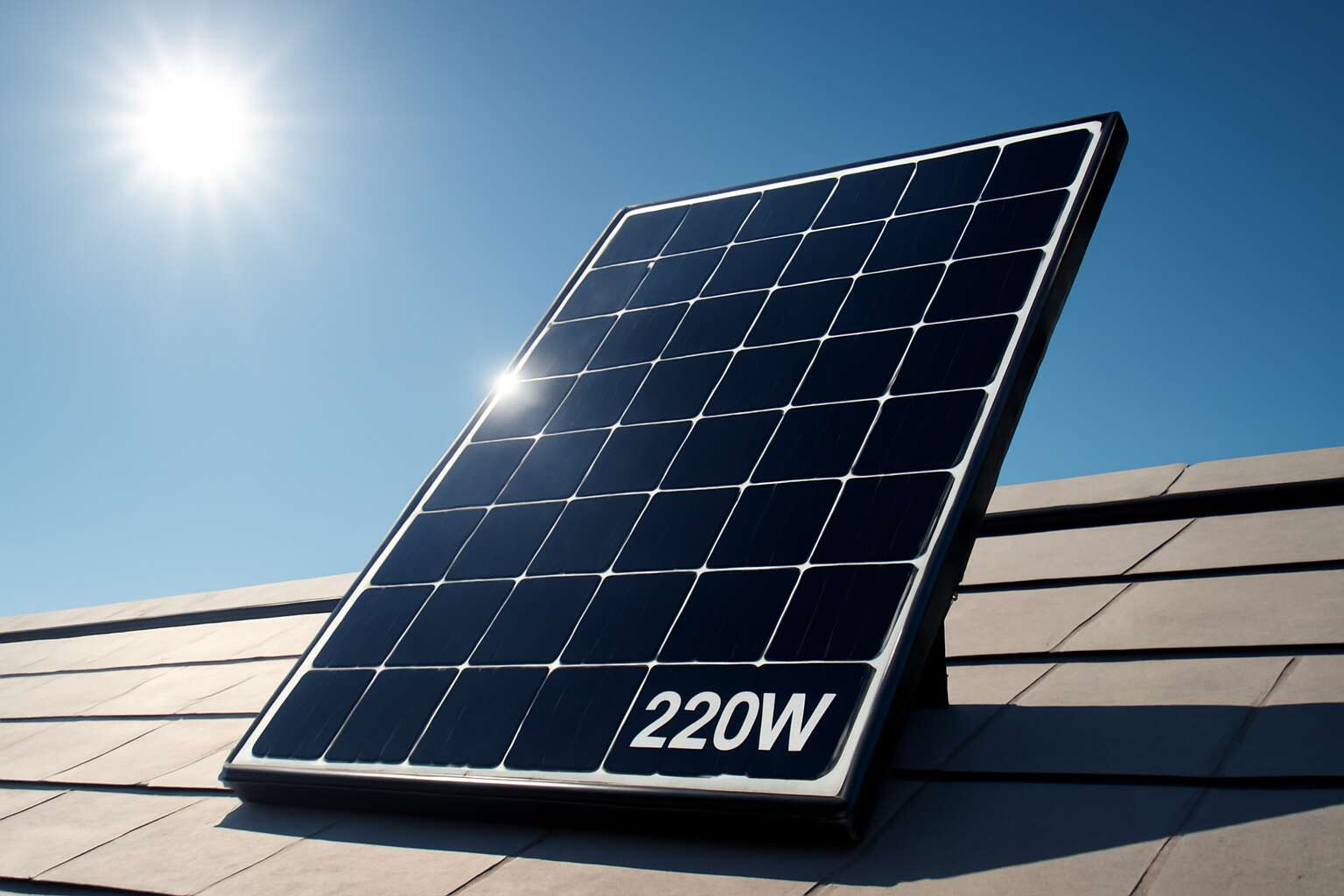
In the realm of renewable energy, a 220w solar panel stands as a beacon of efficiency and promise. Imagine harnessing the sun’s energy with a device compact enough to nestle on your roof yet powerful enough to make a real difference. This particular solar panel, rated at 220 watts, is designed to deliver a substantial amount of power, making it ideal for both small-scale residential setups and outdoor adventures in South Africa’s sun-soaked landscapes.
What truly sets the 220w solar panel apart is its ability to generate consistent energy even during less-than-ideal weather conditions. Its sophisticated photovoltaic technology captures sunlight and converts it into usable electricity with remarkable precision. When considering a solar investment, understanding the specifics of a 220w solar panel can illuminate the path toward energy independence and sustainability. Here are some key features to keep in mind:
- High efficiency in converting sunlight into electricity
- Compact design suitable for limited space
- Durability to withstand South Africa’s diverse climate conditions
Whether you’re powering a small home, a boat, or an off-grid cabin, the 220w solar panel offers a harmonious blend of power and practicality, all while embracing the sun’s timeless gift of energy.
Key Features and Specifications
When diving into the world of renewable energy, knowing the ins and outs of your 220w solar panel can make all the difference—especially in South Africa’s sun-drenched landscapes. These panels are engineered to maximize sunlight conversion with high efficiency, ensuring you get the most bang for your buck. The key features include a robust build that can weather everything from fierce summer storms to chilly winter mornings, making durability an essential aspect to consider.
In terms of specifications, a typical 220w solar panel boasts a compact yet powerful design, perfect for tight rooftop spaces or portable setups. Its sophisticated photovoltaic cells are designed for peak performance, even under less-than-ideal weather conditions. To give a clearer picture, here are some noteworthy features:
- High conversion efficiency—maximizing sunlight into electricity
- Compact design—suitable for limited space installations
- Weather-resistant build—withstanding South Africa’s diverse climate
Understanding these specifications helps ensure your investment aligns perfectly with your energy needs, whether you’re powering a small home or an off-grid retreat. The 220w solar panel isn’t just a gadget; it’s a gateway to energy independence—delivering power with a punch, even when the weather throws a tantrum.
How Does a 220w Solar Panel Work?
Within the silent embrace of South Africa’s relentless sun, the 220w solar panel awakens to harness the spectral dance of light and shadow. How does this marvel of modern alchemy work? At its core, it’s a delicate ballet of photons striking photovoltaic cells—each a tiny gateway to power. These cells, crafted from crystalline silicon, absorb sunlight and convert it into direct current (DC). It’s a process as ancient as the stars but refined into a sleek, efficient mechanism that whispers promises of independence.
When sunlight bathes the panel, the energy is unleashed through a series of complex interactions—electrons are stirred, creating an electric flow. This flow then travels through an inverter, transforming the raw DC into usable alternating current (AC), ready to breathe life into homes or devices. The 220w solar panel’s design ensures that even on overcast days, it maintains a respectable performance, whispering resilience amidst the chaos of weather.
Understanding how a 220w solar panel works reveals the silent poetry of solar energy—an eternal cycle of light captured, transformed, and set free. It’s a testament to human ingenuity, converting nature’s radiant gift into a steady pulse of power that sustains life in the shadows of the vast South African landscape.
Benefits of Choosing a 220w Solar Panel
High Efficiency and Power Output
Choosing a 220w solar panel isn’t just about harnessing sunlight; it’s a strategic move towards energy independence and cost savings in South Africa’s sun-drenched climate. These panels pack enough punch to power small homes, off-grid cabins, or even that ambitious garden shed you’ve been dreaming of—without draining your wallet. The high efficiency of a 220w solar panel ensures maximum energy output, meaning you get more juice per square meter, turning sunlight into savings faster than you can say “solar revolution.”
Moreover, investing in a 220w solar panel means fewer panels are needed to meet your energy demands, reducing installation time and clutter. For those who value durability, the robust build of these panels guarantees longevity against South Africa’s sometimes unpredictable weather. With a reliable power output, a 220w solar panel is more than just a gadget—it’s a steadfast partner in your quest for sustainable living. Plus, they’re perfect for integrating into existing setups, whether on rooftops or DIY off-grid projects. After all, why settle for less when the sun is shining so brightly?
Ideal for Residential and Commercial Use
Choosing a 220w solar panel offers a versatile solution for both residential and commercial applications, making it a smart investment for South Africans seeking sustainable power. Its balanced power output ensures that small homes, offices, and retail spaces can generate enough energy to meet daily demands without the need for extensive infrastructure. This level of efficiency not only reduces reliance on the grid but also translates into significant cost savings over time.
For property owners aiming to optimize space and maximize energy production, a 220w solar panel delivers impressive results with minimal footprint. Its compatibility with existing solar setups simplifies installation and allows for seamless integration into various structures. Whether powering a cozy suburban residence or a bustling business premise, these panels provide reliable, clean energy that aligns with South Africa’s sunny climate and forward-looking sustainability goals.
- Cost-effective energy generation
- Reduced installation complexity
- Enhanced durability against local weather conditions
With their adaptable design and robust build, 220w solar panels are becoming a staple for those who value efficiency and longevity. They are especially ideal for off-grid projects or areas where access to the main power grid is limited. In essence, these panels empower users to take control of their energy destiny—proving that sustainable living can be both practical and economically rewarding in South Africa’s vibrant solar landscape.
Cost-Effectiveness and Energy Savings
Choosing a 220w solar panel isn’t just a practical decision—it’s a conscious step toward sustainable independence. Its cost-effectiveness becomes evident over time, as the initial investment pays dividends through significant energy savings. In South Africa’s sun-drenched landscapes, these panels harness abundant sunlight, transforming it into reliable power that diminishes reliance on expensive grid electricity.
In essence, a 220w solar panel acts as a silent partner in your quest for energy autonomy. Its ability to produce steady, clean energy reduces operational costs and minimizes environmental impact, making it a compelling choice for those who value both fiscal prudence and ecological responsibility. For property owners with limited space, its efficient design ensures maximum output without sacrificing precious real estate.
Durability and Longevity
Durability and longevity stand as the silent champions of a 220w solar panel, quietly ensuring your investment stands the test of time amidst South Africa’s unpredictable weather. These panels are crafted with robust materials— tempered glass, corrosion-resistant frames, and sealed junction boxes—designed to withstand the harshest elements, from scorching sun to heavy rains. Their resilience transforms a simple purchase into a long-term partnership, where reliability is paramount.
Moreover, the longevity of a 220w solar panel means fewer replacements and maintenance costs over the years. This enduring performance not only preserves your peace of mind but also amplifies the cost-effectiveness of your solar setup. As the sun continues to pour its abundant rays over South Africa’s landscape, your panel remains steadfast—generating clean energy season after season, year after year. The durability of a 220w solar panel turns it into a reliable guardian of your energy independence, radiating power long into the future.
Factors to Consider When Buying a 220w Solar Panel
Material Quality and Build
When investing in a 220w solar panel, material quality and build are the unsung heroes behind long-term performance. A shoddy panel might seem like a bargain today, but it’s like buying a fancy car with a bad engine—eventually, it’ll leave you stranded. High-quality materials ensure that your 220w solar panel can withstand South Africa’s unpredictable weather, from scorching sun to sudden thunderstorms, without cracking under pressure.
Look for panels constructed with durable, corrosion-resistant frames and tempered glass that can handle the harsh outdoor elements. The internal components, such as the cells and wiring, should be crafted from reputable materials that resist degradation over time. It’s worth noting that a well-built 220w solar panel not only performs better but also maintains its efficiency across years of use, ultimately saving you money and frustration.
- Premium silicon cells for optimal energy conversion
- Robust aluminum frames for weather resistance
- High-grade encapsulants to prevent moisture ingress
Choosing a 220w solar panel with superior build quality isn’t just about durability; it’s about ensuring every ray of sunlight is converted into usable energy efficiently. After all, if your panel crumbles faster than a South African braai, what’s the point? Invest wisely, and your solar setup will reward you with years of reliable service.
Efficiency Ratings
When selecting a 220w solar panel, efficiency ratings are the secret sauce that can make or break your solar ambitions. It’s not just about how much sunlight hits the panel, but how effectively your 220w solar panel converts that sunlight into usable energy. A higher efficiency rating means more power in less space—perfect for South Africa’s unpredictable weather. Imagine trying to squeeze a watermelon into a sandwich bag; that’s what a low-efficiency panel feels like when you’re chasing optimal energy output.
But how do you gauge efficiency? Look beyond the glossy brochure and dig into real-world performance data. Some panels boast efficiency ratings over 20%, a feat that whispers of advanced silicon technology and superior manufacturing. Remember, a 220w solar panel with a higher efficiency rating not only maximizes energy production but also ensures your investment pays off through consistent power output over the years.
- Review the standard test conditions (STC) efficiency ratings for an apples-to-apples comparison.
- Check the temperature coefficient—the lower, the better—so your panel remains efficient even under South Africa’s scorching sun.
- Compare performance across different brands and models, because not all efficiency claims are created equal.
Efficiency isn’t just a number; it’s a reflection of how smartly your 220w solar panel harnesses the sun’s rays. In a land where sunlight is abundant but sometimes fickle, choosing a panel with top-tier efficiency ratings ensures you get the most bang for your buck—solar style!
Compatibility with Inverters and Mounting Systems
When investing in a 220w solar panel, compatibility with your inverter and mounting system isn’t just a technical detail—it’s the backbone of an efficient solar setup. South Africa’s varied climate demands flexibility, and a mismatch can lead to frustrating power drops or even damage over time. Ensuring your 220w solar panel seamlessly integrates with your existing inverter maximizes energy flow and minimizes headaches.
For optimal performance, look for panels that are compatible with your inverter’s voltage and current specifications. Many 220w solar panels feature standard connectors and mounting points, making installation straightforward, especially with adjustable brackets suited for uneven terrain. To simplify your decision, consider a list of essential factors:
- Matching voltage and current ratings between panel and inverter
- Compatibility with mounting hardware—whether ground-mounted or rooftop
- Ensuring the panel’s connectors align with your system’s connectors
Remember, the right compatibility not only guarantees smooth installation but also enhances durability, ensuring your 220w solar panel operates at peak efficiency for years to come in South Africa’s challenging weather conditions.
Warranty and Support
When investing in a 220w solar panel, warranty and support are crucial factors that often get overlooked. A reliable warranty provides peace of mind, especially in South Africa’s unpredictable weather conditions. It’s not just about coverage; it’s about the assurance that your solar investment is protected against manufacturing defects and performance issues.
Opt for brands that offer comprehensive support services. This includes readily available customer assistance, prompt repairs, and clear communication channels. A manufacturer with a solid reputation for after-sales support ensures you won’t be left stranded if problems arise. Additionally, check the warranty period—longer coverage often indicates higher quality and confidence in the product’s durability.
- Coverage duration and what it includes
- Ease of claim process
- Availability of technical support
Choosing a 220w solar panel backed by a strong warranty and dependable support can significantly extend its lifespan and optimize your energy savings. It’s an investment in reliability—something every South African homeowner or business should prioritize!
Applications and Use Cases
Home Solar Power Systems
In South Africa’s sun-drenched landscape, a 220w solar panel isn’t just a gadget; it’s a game-changer for home solar power systems. Imagine harnessing the relentless African sunshine to power your household with the same ease as flipping a switch—without the hefty electricity bill sneaking up on you. This compact marvel is perfect for reducing your carbon footprint while enjoying a steady stream of renewable energy.
Homeowners and small business owners alike discover that integrating a 220w solar panel into their energy mix delivers remarkable versatility. Whether it’s powering off-grid cabins nestled in the Karoo or supplementing a city apartment’s energy needs, these panels prove surprisingly adaptable. The best part? They seamlessly connect with existing inverter and mounting systems, making installation as straightforward as a Sunday braai.
- Supplementary power for security systems or outdoor lighting
- Backup energy source during load shedding, South Africa’s favorite pastime
- Reducing reliance on the national grid while embracing sustainable living
Small Business and Commercial Installations
For small businesses and commercial enterprises in South Africa, a 220w solar panel presents a compelling opportunity to redefine energy independence. These panels are more than just a sustainable choice—they’re a strategic asset that can bolster operational resilience amidst the country’s unpredictable power grid. With their compact yet powerful design, a 220w solar panel can seamlessly integrate into existing infrastructure, providing reliable supplementary energy.
Many enterprises leverage these panels for specific applications such as outdoor security lighting or backup power during load shedding—South Africa’s ongoing challenge. In fact, some businesses have adopted a hybrid approach, combining multiple 220w solar panels to create a scalable energy solution. This modularity ensures that as energy demands grow, the system can evolve without significant overhaul.
- Reducing operational costs by harnessing renewable energy
- Enhancing sustainability credentials to appeal to environmentally conscious consumers
- Maintaining business continuity during frequent power outages
In essence, a 220w solar panel is more than an investment in renewable energy; it’s a commitment to resilience and sustainable growth in a landscape where energy reliability is paramount. Small businesses and commercial installations find that these panels offer versatility, affordability, and a tangible step toward a greener future.
Off-Grid Solar Solutions
Off-grid solar solutions have become a beacon of hope for communities and entrepreneurs across South Africa, especially in remote areas where the national power grid remains unreliable. A 220w solar panel is an integral part of these systems, providing a dependable source of renewable energy where traditional infrastructure falls short.
Many rural households and small-scale farmers harness the power of a 220w solar panel to meet their daily energy needs. From lighting to water pumping, these panels transform lives by reducing dependence on costly and polluting diesel generators. For those seeking independence from unstable electricity supply, a 220w solar panel offers a practical and affordable gateway to energy sovereignty.
In addition, the modular nature of these panels allows for versatile applications:
- Powering off-grid homes with reliable lighting and appliances
- Supporting small businesses that operate in isolated locations
- Enabling mobile clinics to deliver healthcare services where grid access is limited
- Supplying energy to remote security systems and sensors
These applications underscore how a 220w solar panel doesn’t just generate power — it fuels resilience, sustainability, and independence in areas where they are needed most. As rural communities thrive on renewable energy, these panels become more than just equipment—they become symbols of hope and progress in South Africa’s ongoing journey toward energy equity.
Portable and Camping Power Setups
When venturing into portable or camping power setups, a 220w solar panel becomes an indispensable companion. Its compact size and impressive power output make it perfect for those who crave energy independence in the wild. Whether you’re heading into the South African bush or setting up a remote outdoor retreat, this panel transforms the way you access power. No more noisy generators or reliance on unstable grid connections—just clean, reliable sunlight fueling your adventures.
Imagine a day spent exploring, with your essential devices charging seamlessly from a 220w solar panel tucked away in your backpack or mounted on your campsite. Its versatility shines through in various use cases, from powering LED lights to running small appliances. For added convenience, many setups include:
- Portable battery packs
- USB charging ports
- Inverter compatibility for small appliances
With a 220w solar panel, outdoor enthusiasts and campers unlock a new level of freedom. It’s not just about staying connected; it’s about redefining how you experience the outdoors—sustainable, self-sufficient, and effortlessly powered by the sun’s endless energy. This makes it an essential tool for anyone looking to harness renewable energy on the go, especially in South Africa’s diverse landscapes where reliable power remains elusive in remote regions.
Installation Tips for 220w Solar Panels
Optimal Placement and Orientation
Getting the most out of your 220w solar panel isn’t rocket science, but it does require some finesse. Optimal placement and orientation are the secret sauce to maximizing energy output—crucial, especially when South Africa’s sun can turn into a relentless spotlight. The goal? Position your 220w solar panel so it catches those rays at the right angle, transforming sunlight into electricity with the efficiency of a well-oiled machine.
In sunny South Africa, a good rule of thumb is to face your 220w solar panel directly towards the sun, ideally at an angle that corresponds to your latitude—roughly 30 degrees for many regions. During installation, tilt the panel’s angle to match the season; a steeper angle in winter can boost performance when the sun hangs lower. Don’t forget to ensure no shading from nearby trees or buildings, because even a tiny shadow can dim your solar harvest more than you’d think.
To simplify, here’s a quick checklist for optimal placement:
- Face the panel southward (north-facing in the Southern Hemisphere).
- Adjust tilt seasonally for maximum exposure.
- Maintain a clean surface—dust and debris are the enemies of efficiency.
- Ensure unobstructed sunlight during peak hours, roughly from 9 am to 3 pm.
With these installation tips, your 220w solar panel will soak up the South African sun like a pro, delivering peak performance and energy savings that last for years to come.
Mounting Options
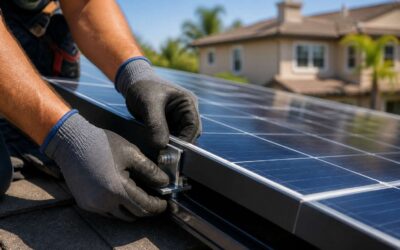
Installing a 220w solar panel isn’t just about placing it somewhere and hoping for the best. The right mounting options can make all the difference in harnessing South Africa’s abundant sunshine. Whether you’re working with a fixed mount or a tilt-adjustable system, each choice has unique benefits that can maximize your energy production. A well-chosen mounting method ensures your solar panel stays secure against the elements while optimizing sunlight exposure.
For residential setups, a sturdy wall mount often suffices, providing stability and easy access for cleaning. Commercial installations, on the other hand, might benefit from ground-mounted frames that allow for seasonal adjustments—an excellent way to boost efficiency during winter months when the sun sits lower. Some installers recommend tilt mounts with adjustable angles, enabling you to fine-tune your 220w solar panel’s position as seasons change, capturing more sunlight and increasing your energy yield.
- Start by selecting a durable mounting system compatible with your 220w solar panel.
- Ensure the mounting surface is stable and free from shading or obstructions.
- Adjust the tilt to match the seasonal position of the sun, typically around 30 degrees for most South African regions.
Remember, your choice of mounting options isn’t just about installation—it’s about creating a reliable, long-lasting solar power system that transforms sunlight into electricity with minimal fuss. Proper mounting ensures your 220w solar panel performs at peak levels, weathering the South African climate and standing the test of time.
Wiring and Inverter Connection
Connecting your 220w solar panel to the rest of your solar power system requires precision and care. Proper wiring and inverter connection are crucial to maximize energy conversion while ensuring safety and durability. When wiring, always use high-quality cables rated for outdoor use, as South Africa’s climate can be tough on lesser materials. Avoid tangled or exposed wires, which can lead to power losses or electrical hazards.
Next, focus on the inverter connection. The inverter acts as the brain of your solar setup, transforming DC power from the 220w solar panel into usable AC electricity. Ensuring a secure connection between your panel and inverter is vital, and it’s recommended to follow the manufacturer’s guidelines meticulously. For optimal performance, consider installing a fuse or circuit breaker inline to protect against surges and short circuits.
To streamline this process, some installers suggest following a simple, numbered sequence:
- Connect the positive terminal of the 220w solar panel to the inverter’s positive input.
- Repeat with the negative terminal, ensuring polarity is correct to avoid damage.
- Ensure all connections are tight and insulated properly to withstand South Africa’s weather elements.
- Test the system gently before full operation, checking for voltage consistency and secure connections.
Remember, wiring and inverter connection aren’t just technical steps—they’re the foundation of a reliable, long-lasting solar power system that can serve your family or business for years to come. Proper installation ensures your 220w solar panel’s full potential is harnessed, weathering storms and shining bright with minimal fuss.
Maintenance Tips for Peak Performance
Installing your 220w solar panel correctly is essential for maximizing its lifespan and performance. Proper placement, secure mounting, and careful wiring ensure that your solar setup withstands South Africa’s often unpredictable weather. Position your 220w solar panel at an angle that captures the most sunlight throughout the day, typically facing north in the Southern Hemisphere. Use durable, weather-resistant mounting brackets to prevent wind damage and corrosion. Remember, a stable installation minimizes the need for costly repairs down the line.
Maintenance is equally important for keeping your 220w solar panel operating at peak efficiency. Regularly inspect for dirt, dust, or debris that can obscure sunlight absorption. Gently clean the surface with a soft cloth and water—harsh chemicals can damage the panel’s surface. Check for loose connections and any signs of wear on wiring, especially considering South Africa’s diverse climate. Ensuring your inverter and wiring are in good condition can prevent power losses and safety hazards.
To streamline maintenance, consider a simple checklist:
- Inspect for physical damage or corrosion.
- Clean the panel surface periodically.
- Verify wiring connections are tight and insulated.
- Test system voltage to confirm optimal performance.
By adopting these installation and maintenance practices, your 220w solar panel will serve your household or business reliably for years. Proper care isn’t just about prolonging equipment life—it’s about harnessing solar power effectively, no matter the weather challenges South Africa presents!
Pricing and Where to Buy
Market Price Range
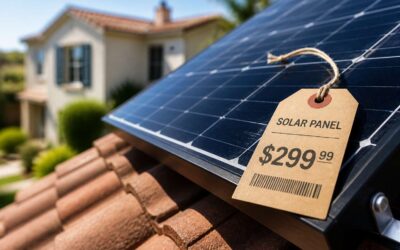
In the shadowed corridors of energy innovation, the price of a 220w solar panel whispers tales of affordability and promise. For those seeking sustainable power without sacrificing their hard-earned gold, the current market price range in South Africa oscillates between R2,500 and R4,000. This variation reflects the craftsmanship, brand reputation, and additional features that accompany each unit, making it essential to navigate with keen discernment.
Where to acquire such luminous marvels? The options are plentiful yet curated. Reputable suppliers and specialized solar stores stand as gateways, offering both new and certified refurbished 220w solar panels. Online marketplaces also beckon, providing a convenient portal to compare prices and specifications. For the discerning eye, it’s wise to consider vendors that offer comprehensive warranties and post-sale support, ensuring your investment remains protected against the shadows of uncertainty.
- Local solar distributors with established reputations
- Online e-commerce platforms with verified reviews
- Authorized solar installation partners
In this realm of luminous potential, the cost of a 220w solar panel is more than mere numbers; it’s an investment in the future’s quiet revolution. As the sun’s eternal dance continues, so too does the promise of clean, sustainable energy within reach of those brave enough to harness its power.
Trusted Suppliers and Brands
In South Africa’s burgeoning renewable landscape, the 220w solar panel stands as a luminous beacon of practicality and promise. Its price tag, ranging from R2,500 to R4,000, reflects a delicate balance between affordability and quality. This variation is influenced by factors such as brand reputation, craftsmanship, and additional features that may enhance performance or durability. For those who wish to embrace solar power without straining their budget, understanding where to find trusted suppliers is key.
Reputable sources are abundant yet carefully curated. Local solar distributors with established reputations often offer certified 220w solar panels, ensuring quality and reliability. These vendors typically provide comprehensive warranties and post-sale support, safeguarding your investment against unforeseen shadows. Additionally, authorized solar installation partners can guide you toward optimal setup, seamlessly integrating the panel into your energy system.
- Visit trusted local solar suppliers renowned for their expertise and genuine products.
- Explore verified online e-commerce platforms where reviews and ratings illuminate the best choices.
- Consult with certified solar installation professionals who can recommend the most compatible 220w solar panel for your needs.
Choosing the right source for your 220w solar panel transforms an ordinary purchase into a step toward a brighter, sustainable future. Whether for residential or commercial applications, the journey begins with selecting a trusted brand — a decision that echoes in the enduring glow of a sun-powered tomorrow.
Buying Tips and What to Look For
When it comes to purchasing a 220w solar panel, price often plays a starring role in the decision-making drama. Typically, you can expect to pay anywhere from R2,500 to R4,000, depending on the brand, craftsmanship, and added features. While it might seem tempting to chase the cheapest option, remember that quality and durability often go hand-in-hand with a slightly higher price tag. A reliable 220w solar panel is an investment that pays dividends in energy savings and longevity.
Where should you look? The best approach is to buy from trusted local solar suppliers renowned for their expertise and genuine products. These vendors usually provide warranties and after-sales support, which means your solar investment is protected. For those who prefer shopping from the comfort of their couch, verified online e-commerce platforms with robust reviews and ratings can be a treasure trove of options. Lastly, consulting with certified solar installation professionals ensures you select a 220w solar panel that fits perfectly into your energy setup.
- Ensure the supplier offers certified products backed by warranties.
- Read customer reviews to gauge real-world performance and reliability.
- Confirm compatibility with your existing inverter and mounting system.
Remember, choosing the right source isn’t just about price; it’s about securing a dependable, efficient, and long-lasting solar solution that will keep your energy bills in check and your conscience clear. After all, a well-chosen 220w solar panel is a small step towards a more sustainable South Africa — and a brighter future!
Environmental Impact and Sustainability
Reducing Carbon Footprint
Harnessing the power of a 220w solar panel is more than just a smart energy choice—it’s a commitment to protecting our environment and fostering sustainability. These panels produce clean, renewable energy that significantly reduces reliance on fossil fuels, which are a major contributor to climate change. Every kilowatt-hour generated by a 220w solar panel helps lower greenhouse gas emissions, making a tangible difference in our fight against global warming.
Moreover, adopting solar technology promotes long-term sustainability by decreasing the carbon footprint of households and businesses alike. The impact extends beyond individual savings; it’s about building resilient communities that value eco-friendly practices. For those in South Africa, where energy shortages can be a challenge, a 220w solar panel offers a reliable, eco-conscious solution that aligns with a sustainable future. By integrating these panels into home or commercial systems, we contribute to a healthier planet—one watt at a time.
Recycling and Disposal of Solar Panels
Environmental impact extends far beyond the immediate benefits of clean energy. As we harness the power of a 220w solar panel, we actively participate in reducing the strain on our planet’s finite resources. Solar panels are designed with eco-conscious materials, and their use results in minimal pollution compared to traditional energy sources. Over time, this shift toward renewable energy sources helps preserve biodiversity and mitigates climate change’s devastating effects.
Recycling and disposal of solar panels, including the 220w solar panel, are critical components of sustainable solar energy practices. Advanced recycling programs enable the recovery of valuable materials such as silicon, glass, and metals, reducing waste and conserving raw resources. Proper disposal minimizes environmental contamination, ensuring that solar technology remains a truly green solution. In regions like South Africa, where environmental preservation is vital, responsible recycling practices amplify the positive impact of solar technology on local ecosystems.
- Recovering valuable materials through specialized recycling processes
- Reducing landfill waste by repurposing solar panel components
- Preventing environmental pollution from hazardous substances
Promoting sustainability through the adoption of a 220w solar panel isn’t just about immediate energy savings — it’s about fostering a long-term commitment to ecological resilience. Every step in the lifecycle of these panels, from manufacturing to disposal, should reflect a dedication to minimizing environmental footprint. This holistic approach ensures that solar energy remains a sustainable, responsible choice for communities striving for a greener future.
Supporting Green Energy Initiatives
As South Africa continues its bold pivot towards sustainable energy, the environmental impact of solar technology becomes more than mere rhetoric—it’s a testament to our collective responsibility. The 220w solar panel, a compact powerhouse, exemplifies this shift, offering a cleaner alternative that significantly reduces greenhouse gas emissions. Unlike traditional fossil fuels, which have long plagued our skies with smog and pollution, solar panels operate silently and invisibly, yet their benefits resonate loudly across ecosystems.
However, the journey of a 220w solar panel doesn’t end at installation. Its recyclability and environmentally conscious disposal are crucial to ensuring that the green promise remains untainted. Specialized recycling processes recover valuable materials, such as silicon and glass, which can be repurposed into new panels or other products. This not only conserves raw resources but also prevents hazardous substances from contaminating our soil and water—an imperative in regions like South Africa, where environmental preservation is vital.
Supporting green energy initiatives with the adoption of a 220w solar panel fosters long-term ecological resilience. It’s a commitment that extends beyond energy savings, embodying a philosophy of sustainability that respects both our planet and its inhabitants. In essence, every 220w solar panel installed is a subtle act of rebellion—against pollution, against waste, and against the complacency that hampers our journey to a greener future.

0 Comments