Understanding Solar Power Systems
What Are Solar Panels?
Imagine harnessing the sun’s relentless energy—power that transforms everyday sunlight into a lifeline for your home. Solar power systems are no longer a distant dream but an accessible reality, especially with the rise of innovative solar panels and batteries in South Africa. These systems are designed to capture sunlight, converting it into clean, renewable energy that can sustain your household even during power outages. Understanding what makes a solar panel work is crucial: it’s a sophisticated dance of photovoltaic cells that absorb sunlight and generate direct current (DC). This DC is then converted into usable alternating current (AC) through an inverter, seamlessly integrating into your home’s electrical system. The true magic lies in pairing your solar panel with a high-capacity battery, storing excess energy for use at night or during cloudy days. It’s this synergy that creates a resilient, eco-friendly power solution tailored to South Africa’s unique energy landscape.
Different Types of Solar Panels
Understanding solar power systems reveals a captivating world where technology meets sustainability in South Africa’s vibrant landscape. Different types of solar panels for home use offer unique advantages, each tailored to specific energy needs and environmental conditions. Monocrystalline panels, for example, boast high efficiency and sleek aesthetics, making them ideal for limited spaces. Polycrystalline panels are more affordable, yet still reliable, providing a balanced option for many households. Thin-film solar panels, though less efficient, excel in flexibility and lightweight design, perfect for innovative applications. Paired with a robust solar panel and battery system, these options create a resilient energy network capable of powering homes through unpredictable weather or outages. The true magic of these systems lies in their synergy, where each component plays a vital role in harnessing the sun’s power with precision and purpose.
How Solar Panels Work
Solar power systems are not merely a collection of components; they are a reflection of our innate desire to harness nature’s most abundant resource—sunlight—and transform it into a force of resilience. When sunlight hits a solar panel, it’s not just about generating electricity; it’s about awakening a silent revolution within our homes, especially in South Africa, where energy security is often a challenge.
Understanding how a solar panel and battery work together reveals a delicate dance of energy flow. Solar panels convert sunlight into direct current (DC) electricity through a process called photovoltaic effect. This electricity then passes through an inverter, transforming it into usable alternating current (AC) for household appliances. But the true magic begins with the battery—a sentinel that stores excess power generated during sunny days. When the sun dips below the horizon or clouds gather unexpectedly, the stored energy powers your home seamlessly, creating an unbreakable link between nature’s rhythm and human needs.
- The solar panel captures sunlight, initiating the energy conversion process.
- The inverter transforms this energy into a form suitable for household use.
- The battery stores surplus energy for later use, ensuring power continuity.
This interplay between solar panel and battery isn’t just about technology; it’s a moral statement—a commitment to sustainable living and energy independence. It’s a reminder that by embracing this synergy, we are actively participating in a future where resilience and responsibility go hand in hand.
The Role of Batteries in Solar Energy Storage
Why Store Solar Energy?
In the quest for energy independence, the role of batteries in solar energy storage becomes undeniable. As sunlight diminishes and night falls, a well-structured battery system ensures that the power generated by your solar panel can be stored efficiently, ready to energize your home when you need it most. This seamless transition from generation to consumption is what transforms a simple solar panel into a resilient energy solution.
Why store solar energy? The answer lies in the unpredictable nature of weather and the need for continuous power. Batteries act as silent guardians, capturing excess energy during sunny days and releasing it during overcast periods or after sunset. This not only maximizes the utility of your solar panel but also enhances energy security, especially in South Africa where power outages are not uncommon.
- Reliable energy supply during grid disruptions
- Reduced reliance on expensive grid electricity
- Enhanced self-sufficiency and sustainability
In a landscape where energy resilience is becoming more critical, the integration of a high-capacity battery with your solar panel system transforms the way we harness and utilize solar power. It’s not just about capturing sunlight; it’s about creating a self-sustaining energy ecosystem that adapts and endures.
Types of Solar Batteries
The magic of harnessing the sun’s energy doesn’t end with just installing a solar panel; it’s about unlocking a hidden reservoir of power with the right battery. Batteries in solar energy storage act as the silent custodians of your solar system, capturing excess sunlight and safeguarding it for when the sun dips below the horizon. This vital role ensures your home remains energized, even during overcast days or unexpected power outages.
When considering the best way to store solar energy, understanding the different types of solar batteries becomes essential. From lithium-ion to lead-acid options, each offers unique advantages tailored to specific needs and budgets. For instance, lithium-ion batteries are renowned for their longevity and high energy density, making them a popular choice for South African households seeking reliable, long-term energy security. Conversely, lead-acid batteries may appeal to those prioritizing affordability and straightforward maintenance.
- Lithium-ion batteries – compact, durable, and with a longer lifespan, perfect for maximizing efficiency.
- Lead-acid batteries – cost-effective and well-established, ideal for smaller solar panel systems.
- Flow batteries – scalable for larger setups, offering flexible capacity and sustained performance.
Choosing the right solar battery is akin to selecting a steadfast companion for your energy journey—one that transforms your solar panel into a dependable, resilient powerhouse capable of weathering any storm, be it a cloudy day or a grid disruption.
Advantages of Using Solar Batteries
Batteries are the unsung heroes of solar energy storage, quietly ensuring that your solar panel and battery system keeps the lights on during those gloomy, overcast days or unexpected power outages. Without a reliable battery, your solar panel’s hard-earned energy would vanish into the ether, wasted or lost. Instead, a well-chosen solar battery transforms your solar panel into a dependable powerhouse—ready to unleash stored energy whenever needed.
One of the biggest advantages of using a solar battery is the ability to maximize self-consumption. Instead of feeding excess energy back into the grid and getting a pittance in return, you store that surplus for later use. Moreover, solar batteries provide a buffer during grid disruptions, giving your home a resilient energy source when the grid fails or becomes unreliable—a common occurrence in South Africa.
To put it simply, investing in a solar panel and battery combo enhances energy independence and can lead to significant savings in the long run. Whether it’s the sleek durability of lithium-ion batteries or the affordability of lead-acid options, each type offers benefits tailored to different needs. Choosing the right battery not only extends your system’s lifespan but also ensures you’re ready for whatever energy challenges come your way.
Integrating Solar Panels with Batteries
How Solar Panels and Batteries Work Together
When solar panels and batteries unite, a symphony of energy transformation unfolds—turning sunlight into a reliable power source that withstands even the fiercest storms. This integration is not just about capturing sunlight; it’s about harnessing it efficiently and storing it for when the sun dips below the horizon. Imagine the possibility of living off-grid, where your solar panel and battery system becomes a sanctuary of energy independence, powering your home seamlessly.
To achieve this harmony, a sophisticated dance occurs between the solar panel and battery. The solar panel captures sunlight and converts it into electricity, which then flows into the battery for storage. During cloudy days or at night, the stored energy lights up your space, ensuring uninterrupted power. This integration is crucial for maximizing energy savings and reducing reliance on traditional power grids—especially in regions like South Africa, where energy stability can be unpredictable.
For optimal performance, consider these essential components:
- Charge controllers that regulate energy flow
- Inverters that convert stored DC power into usable AC energy
- Monitoring systems to optimize energy usage and storage
By understanding how a solar panel and battery work together, homeowners unlock a world of energy resilience, unlocking the true potential of solar power with a touch of modern magic.
Key Components for Integration
Integrating a solar panel and battery system is a delicate choreography, demanding precision and an understanding of each component’s role in the energy ballet. The key components that facilitate this harmony are often overlooked but are vital for maximizing efficiency and longevity. Among them, charge controllers stand as the gatekeepers, ensuring that the energy flowing from the solar panel and into the battery remains balanced, preventing overcharging and extending battery life.
In tandem, inverters play a crucial role—transforming the stored direct current (DC) energy into the alternating current (AC) that powers our homes. Without this conversion, the stored energy remains inert, unable to meet the needs of everyday appliances. Monitoring systems complete the circle, providing real-time data on energy production, storage levels, and consumption patterns. This insight not only optimizes the use of your solar panel and battery but also deepens your connection to the natural rhythm of sunlight and shadow.
- Charge controllers regulate the energy flow, safeguarding your investment.
- Inverters facilitate the essential transformation from DC to AC power, making solar energy usable in your home.
- Monitoring systems offer a window into your energy ecosystem, ensuring everything functions harmoniously.
In South Africa, where unstable energy grids threaten daily life, these components become more than mere accessories—they are the backbone of energy independence. As the sun dips below the horizon, the synergy of a well-integrated solar panel and battery system becomes a testament to resilience, a silent guardian of power that endures through storms and shadows alike.
Designing a Solar Battery System
In the intricate dance of sustainable energy, integrating a solar panel and battery system demands more than mere connection—it requires an artful synthesis of technology and intuition, especially in regions like South Africa where energy resilience is paramount. Designing a solar battery system involves understanding the delicate balance between capturing sunlight and storing it for when shadows fall. The goal is to craft a seamless flow of power, harmonizing the raw potential of solar panels with the silent, steadfast capacity of batteries.
A well-structured system considers not just the capacity of the solar panel and battery but also the ebb and flow of energy demands. It’s about creating an ecosystem that is resilient against grid instability, providing a buffer that sustains daily life through storms and shadows alike. To achieve this, one must evaluate:
- The size of the solar panel needed to meet consumption needs
- The optimal battery capacity for storage and backup
- Complementary components such as charge controllers and inverters that ensure efficiency and longevity
This meticulous calibration transforms a simple solar panel and battery into a fortress of energy independence, offering a quiet assurance that your power supply endures no matter what the horizon holds.
Benefits of Combining Solar Panels and Batteries
Energy Independence
In the grand dance of sunlight and storage, harnessing the synergy between solar panel and battery transforms mere illumination into a symphony of energy independence. Imagine a world where your home breathes in the morning’s first light and exhales stored power long after sunset—an unbroken chain of self-sufficiency woven by technology’s gentle hand. This union offers more than just savings; it grants a sanctuary of resilience amid South Africa’s unpredictable energy landscape.
By integrating a solar panel and battery system, you tap into a reservoir of power that flows seamlessly, empowering you to break free from grid dependency. During daylight hours, excess energy is captured, stored, and summoned at will, ensuring your energy needs are met with silent, sustainable grace. As the sun dips below the horizon, this stored vitality sustains your lifestyle, shielding you from outages and fluctuating tariffs. Truly, this harmony of components elevates your home into a fortress of energy sovereignty.
Cost Savings
In a landscape where energy costs soar and grid reliability wavers, the union of a solar panel and battery emerges as a beacon of fiscal clarity and sustainable resilience. The marriage of these components unlocks a cascade of cost savings that ripple through your household budget, transforming sunlight into a tangible economic boon. By harnessing the sun’s generous bounty, you reduce reliance on expensive, fluctuating grid tariffs, forging a path toward genuine financial independence.
Imagine harvesting daytime’s excess power—an invisible yet potent resource—and storing it for night’s quiet hours. This seamless cycle not only diminishes your electricity bills but also shields you from unpredictable energy tariffs that threaten to destabilize your finances. The true beauty lies in the potential to optimize your energy consumption, turning every sunlit moment into a strategic investment in your future.
To maximize these benefits, consider the strategic deployment of a solar panel and battery system, which can be tailored to your unique needs. A well-designed system often involves:
- Harnessing peak sunlight hours to generate maximum power
- Storing surplus energy efficiently for later use
- Reducing dependence on costly grid power
In South Africa’s dynamic energy environment, this synergy offers not just savings but a sanctuary of stability—an unshakable foundation of energy independence built on sunlight and innovation. The solar panel and battery duo elevate your home from mere consumers to sovereign custodians of their energy destiny, turning promise into prosperity with every sunbeam absorbed and stored.
Backup Power During Outages
When the power grid falters and darkness creeps in unexpectedly, a solar panel and battery system becomes a luminous sanctuary—an oasis of unwavering energy. During outages, this dynamic duo ensures your household remains illuminated, your appliances hum steadily, and your peace of mind remains intact. It’s as if the sun’s eternal promise is woven into your home’s very fabric, turning fleeting sunlight into a steadfast shield against the chaos of blackouts.
By integrating a solar panel and battery, you gain a reservoir of stored sunlight—ready to be unleashed when the grid’s grip loosens. This backup power doesn’t merely keep the lights on; it transforms your home into a bastion of resilience. The true magic lies in the uninterrupted flow of energy, creating a seamless transition from daylight to darkness—an invisible guardian that protects your daily rhythm.
For those seeking to elevate their energy security, consider the benefits of a solar panel and battery system, such as:
- Ensuring continuous power supply during outages
- Reducing reliance on unpredictable grid power
- Enhancing overall energy independence and resilience
In South Africa’s unpredictable energy landscape, this synergy offers not just stability but a profound sense of sovereignty. Harnessing the sun’s gift, your home becomes a luminous fortress—an enduring testament to innovation and enlightened living.
Environmental Impact
Combining solar panels and batteries offers a profound shift in how we power our homes, especially in South Africa’s often unpredictable energy landscape. This synergy doesn’t just provide practical benefits; it embodies a commitment to sustainability and resilience. By harnessing the sun’s abundant energy and storing it efficiently, your household reduces its environmental footprint, cutting down on greenhouse gas emissions and reliance on fossil fuels.
The environmental impact of integrating a solar panel and battery system is significant. It promotes cleaner air and a healthier planet, transforming everyday energy use into an act of ecological stewardship. Furthermore, this combination encourages the adoption of renewable energy, fostering a ripple effect that benefits communities and future generations alike.
Additionally, the use of solar batteries extends the benefits beyond daylight hours, ensuring that clean energy continues to power your home when the sun isn’t shining. This results in a decreased demand for grid power, which is often generated through environmentally harmful processes. As a result, your investment in a solar panel and battery not only delivers economic savings but also plays a vital role in reducing your carbon footprint.
- Reduced greenhouse gas emissions
- Decreased reliance on fossil fuels
- Promotion of sustainable living practices
In essence, the union of solar panels and batteries is a beacon of hope for a greener, more resilient future—empowering South Africans to take control of their energy and safeguard the environment for generations to come. It’s a heartfelt step toward a brighter, cleaner tomorrow.
Factors to Consider When Choosing a Solar Panel and Battery System
System Size and Energy Needs
Choosing the ideal solar panel and battery system is akin to composing a symphony where every note must harmonize with your unique energy demands. In South Africa’s sun-drenched landscape, understanding your energy needs is the first step—whether it’s powering a cozy home or a bustling enterprise. The size of your system must be meticulously tailored, balancing consumption patterns with available sunlight, to ensure your investment yields maximum efficiency and resilience.
Energy needs fluctuate like the tides, and a nuanced assessment helps determine the perfect system size. For instance, a household that consumes 20 kWh daily will require a different setup compared to a commercial establishment. To streamline this process, consider the following:
- Calculating your average daily energy consumption
- Estimating peak power requirements during outages or high demand
- Assessing the available space for installing solar panels and batteries
Ultimately, selecting the right solar panel and battery hinges on a clear understanding of your energy profile, ensuring your system is as resilient as the African sun that fuels it. The goal is to craft a sustainable, efficient power solution that not only meets current needs but also adapts to future growth—transforming sunlight into a steadfast source of life’s vital energy.
Cost and Budget
When investing in a solar panel and battery system, cost and budget become more than mere numbers—they shape the very essence of your energy journey. South Africa’s abundant sunlight offers tremendous potential, but harnessing it wisely requires a keen eye on financial feasibility. A misstep here can turn a sustainable dream into a burdensome burden, so understanding the true value of your investment is crucial.
While initial costs are significant, consider the long-term savings and resilience a well-chosen system can provide. To navigate this landscape, it’s vital to balance your budget with the quality and capacity of the components you select.
- Prioritize durable solar panels that withstand South Africa’s harsh climate
- Opt for reliable batteries designed for longevity and efficiency
Remember, a cheaper system may save money upfront but could cost more in repairs and replacements down the line. The goal is to find a harmonious balance—an investment in a solar panel and battery that aligns with your financial realities yet promises enduring performance and energy independence.
Efficiency and Durability
When selecting a solar panel and battery system for the South African landscape, efficiency and durability are the twin pillars upon which your energy future rests. The relentless sun scorches the plains and mountains alike, demanding components that can withstand such ferocity without faltering. A solar panel that’s efficient in capturing sunlight transforms daylight into power with a silent, unwavering grace, while a resilient battery guards that energy against the dark or stormy days.
To truly harness the raw power of South Africa’s abundant sunlight, consider the following:
- Opt for solar panels with high conversion efficiency—these marvels of engineering extract every flicker of sunlight, ensuring maximum output.
- Choose batteries engineered for endurance, capable of enduring temperature extremes and repeated cycles without degradation.
- Prioritize quality over cost, for a cheaper solar panel and battery may falter prematurely, costing more in the long run.
In this shadowed dance of light and darkness, the harmony between efficiency and durability becomes a beacon—a testament to a system that not only survives but thrives amid South Africa’s unforgiving environment.
Maintenance Requirements
Choosing the right solar panel and battery system involves more than just picking the most popular brands or the cheapest options. Maintenance requirements are an often-overlooked aspect that can make a significant difference in long-term performance and cost-effectiveness. South Africa’s harsh climate—characterized by intense sunlight, dust, and temperature fluctuations—means that both components need regular care to keep functioning optimally.
For solar panels, routine cleaning to remove dust and debris is essential, especially in arid regions. This simple act can improve efficiency and extend the lifespan of your system. Batteries, on the other hand, require periodic checks of electrolyte levels, terminal cleanliness, and proper ventilation to prevent overheating or corrosion. Neglecting these maintenance tasks can lead to reduced capacity and earlier failure.
To better understand what’s involved, consider these key factors:
- Monitoring system performance regularly to catch potential issues early
- Scheduling professional inspections to evaluate the condition of your solar panel and battery
- Ensuring proper system ventilation to avoid overheating which can damage batteries
While maintenance might seem like an inconvenience, it’s a small price to pay for ensuring your solar energy system remains resilient amid South Africa’s demanding environment. A well-maintained solar panel and battery system guarantees not only longevity but also consistent energy output—crucial for those relying on solar power as their primary energy source.
Warranty and Service Support
When selecting a solar panel and battery system, one of the most compelling considerations is the warranty and service support offered by manufacturers. In South Africa’s unpredictable climate, where intense sunlight and dust are relentless, a robust warranty can be a lifeline. It’s not just about peace of mind—it’s about safeguarding your investment against the wear and tear that the environment can inflict.
Opt for providers who offer comprehensive warranties covering both performance and manufacturing defects. A good warranty reflects confidence in the durability of the solar panel and battery, while responsive service support ensures that any issues are promptly addressed, keeping your system running smoothly. Consider the following factors:
- The length and scope of the warranty
- Availability of local service centers
- Ease of warranty claims process
In a land where power outages are as common as sunrises, reliable support can be the difference between continuous energy and frustrating downtime. When your solar panel and battery system is backed by solid service support, your reliance on solar energy becomes not only a sustainable choice but a resilient one. After all, the true value of your investment lies in its enduring performance amidst South Africa’s demanding environment.
Installation and Maintenance Tips
Site Assessment and Placement
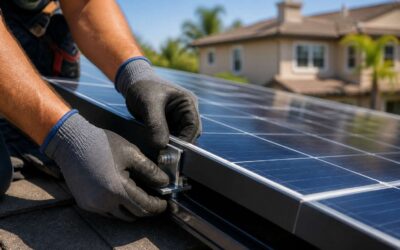
Installing a solar panel and battery system isn’t just about slapping them on a roof — it’s an art that demands precision and foresight. A thorough site assessment is crucial; it uncovers the best placement to maximize sunlight exposure while avoiding shadows that could diminish efficiency. Remember, the right placement can transform your energy yield from ordinary to extraordinary.
Once your optimal location is identified, consider the nuances of installation and ongoing maintenance. Proper mounting ensures durability against South Africa’s fierce sun and sudden storms. Regular inspections help catch minor issues before they escalate, safeguarding your investment in a solar panel and battery setup. A clean, unobstructed surface and secure wiring are essential for peak performance and safety.
To streamline the process, follow an organized approach:
- Conduct a detailed site assessment for optimal placement.
- Secure professional installation to ensure adherence to safety standards.
- Implement a routine maintenance schedule to keep the solar panel and battery system operating at full capacity.
Investing in a solar panel and battery system demands vigilance, but with the right assessment and upkeep, it promises years of dependable, clean energy. The right placement isn’t just about efficiency — it’s about unlocking the true potential of your solar power journey.
Professional Installation vs DIY
When it comes to installing a solar panel and battery system, the choice between professional installation and a DIY approach can significantly influence your long-term performance and safety. While the allure of saving money might tempt some to go the DIY route, expert installation ensures that every component is correctly positioned and securely mounted—crucial in South Africa’s unpredictable weather patterns. A professional team brings not only technical expertise but also the assurance of compliance with safety standards, reducing risks of faults or damage.
For those considering a hands-on approach, it’s vital to recognize the complexity of integrating a solar panel and battery system. Proper wiring, grounding, and inverter setup are delicate processes that demand precision.
- Ensuring the correct tilt angle for maximum sunlight exposure
- Securing weather-resistant mounting to withstand storms
- And verifying all electrical connections for safety and efficiency
can be the difference between a reliable energy source and ongoing technical issues.
Regular maintenance also plays a pivotal role. Cleaning dust and debris from your solar panel and battery, inspecting wiring for wear, and monitoring system performance can extend lifespan and optimize output. While a professional service guarantees that your solar panel and battery system operates at peak capacity, a vigilant homeowner can catch minor issues early, preventing costly repairs. Ultimately, the decision hinges on your comfort with technical tasks versus the peace of mind that comes with expert oversight—either way, meticulous installation and ongoing upkeep unlock the full potential of your solar investment.
Routine Maintenance Practices
When it comes to maintaining your solar panel and battery system, routine upkeep isn’t just a chore—it’s the secret sauce to longevity and peak performance. South Africa’s fierce sun and unpredictable weather demand that your system is always in tip-top shape. Regular cleaning, for instance, can boost energy output by removing dust, bird droppings, and stubborn dirt that love to settle on your solar panels like an unwanted guest. A quick inspection of wiring and connections can prevent minor issues from snowballing into costly repairs. Think of it as giving your system a health check-up—much less dramatic than a Hollywood blockbuster, but equally crucial.
To keep things straightforward, here’s a simple maintenance checklist for your solar panel and battery setup:
- Clean panels with a soft brush or sponge to avoid scratching the glass surface.
- Check for loose or corroded wiring connections—think of it as giving your system a friendly pat on the back.
- Inspect and clear any debris around the mounting structure to prevent unnecessary strain during storms.
- Monitor system performance through your inverter or monitoring app—if the output drops, it’s time for a closer look.
- Schedule annual professional inspections to ensure everything is compliant and functioning optimally.
Remember, while DIY maintenance can save a few rand, tackling complex wiring or inverter issues without proper expertise can turn into a costly disaster faster than you can say “short circuit.” Regular upkeep doesn’t just prolong the lifespan of your solar panel and battery but also ensures that your system continues to deliver the energy independence South Africans crave. So, treat your solar setup like a fine wine—give it the care and attention it deserves for a long, fruitful life under the South African sun!
Monitoring System Performance
Monitoring the performance of your solar panel and battery system isn’t just a technical task—it’s a vital aspect of ensuring sustained energy independence amidst South Africa’s unpredictable climate. A well-tuned system can operate at peak efficiency, capturing the fierce sun and converting it into usable power with minimal fuss. Modern monitoring solutions, whether through dedicated apps or inverters with integrated displays, offer real-time insights that can reveal subtle shifts in energy output. These fluctuations might seem minor but can signal underlying issues that, if left unchecked, could diminish your system’s lifespan and performance.
To effectively track your system’s health, consider implementing a few straightforward practices. First, routinely check your inverter’s display for performance metrics. If you notice a significant drop in energy output, it might be time to investigate further. Second, keep an eye on your battery’s charge levels and cycling patterns—these are crucial indicators of longevity and capacity. Regularly comparing current data with your initial system specifications can uncover inefficiencies early on. Ultimately, consistent performance monitoring transforms passive observation into proactive maintenance, safeguarding your investment in a solar panel and battery setup.
- Use monitoring apps that integrate seamlessly with your solar system for instant alerts and updates.
- Record monthly energy production to identify trends or sudden declines.
- Schedule periodic professional assessments to calibrate and verify your system’s accuracy.
In the South African context, where energy loads can fluctuate unexpectedly, having a vigilant eye on your solar panel and battery system ensures resilience and maximizes returns. The ability to detect and address issues early not only prolongs the lifespan of your system but also guarantees that your journey toward energy independence remains uninterrupted. After all, a system that performs optimally underpins a lifestyle rooted in sustainability and self-sufficiency—values increasingly vital in today’s world.
Future Trends in Solar Panel and Battery Technologies
Emerging Battery Technologies
As the world pivots toward sustainable energy, future trends in solar panel and battery technologies promise a revolution that could redefine our relationship with power. Breakthroughs in perovskite solar cells are pushing the boundaries of efficiency, offering lighter, more flexible options that blend seamlessly into architectural marvels. Meanwhile, emerging battery technologies such as solid-state batteries and flow batteries present unparalleled energy density and longevity, ensuring that stored solar power remains reliable during long periods of low sunlight. These innovations not only enhance system performance but also significantly lower costs, making solar panel and battery solutions more accessible to South Africans seeking energy independence. As we gaze ahead, the integration of smart grid technology and IoT-enabled monitoring systems will enable real-time management, optimizing energy flow with unprecedented precision. The horizon gleams with promise, where solar panel and battery systems become the cornerstone of resilient, eco-friendly homes and businesses, capturing the true essence of a sustainable future.
Advancements in Solar Panel Efficiency
The future of solar panel and battery technology is nothing short of a revolution, promising to elevate energy efficiency to unprecedented heights. Breakthroughs in solar panel innovation, such as perovskite solar cells, are pushing the boundaries of what’s possible — offering lighter, more flexible options that can seamlessly integrate into modern architecture. These advancements mean that solar panel and battery systems will become even more versatile and accessible, especially for South Africans eager to harness sustainable energy solutions.
Meanwhile, emerging battery technologies, including solid-state batteries and flow batteries, are transforming energy storage. These cutting-edge systems boast unparalleled energy density and longevity, ensuring that stored solar power remains reliable even during extended periods of low sunlight. As a result, solar panel and battery setups will soon be capable of delivering consistent power, reducing dependence on the grid and boosting energy independence across the region.
- Enhanced efficiency due to new materials and design innovations
- Longer-lasting, more durable batteries that withstand harsh environments
- Lower costs driven by technological breakthroughs and mass adoption
With these technological strides, the integration of smart grid technology and IoT-enabled monitoring systems will become standard practice. Real-time management of solar panel and battery systems will optimize energy flow, making sustainable power more reliable and smarter than ever before. South Africa stands on the brink of an energy transformation where these innovations will redefine resilience, affordability, and eco-friendliness for homes and businesses alike.
Smart Grid Integration
As South Africa continues its dance with energy independence, the future of solar panel and battery technology is poised to revolutionize how we harness and store sunlight. Smart grid integration stands at the forefront, promising a symphony of efficiency that’s as intelligent as it is innovative. Imagine a world where your solar panel and battery system not only powers your home but also communicates seamlessly with the grid, adjusting in real-time to optimize energy flow and cost savings.
Emerging trends highlight a move towards IoT-enabled monitoring systems that make managing solar panel and battery setups as simple as a swipe on your smartphone. These intelligent systems can predict energy demand, detect faults before they become costly, and even suggest maintenance schedules. For South Africans, this means fewer surprises and more reliable, eco-friendly power—no matter how many clouds drift overhead.
Furthermore, the integration of advanced battery technologies like flow batteries and solid-state designs ensures that stored solar energy remains accessible even during extended overcast periods or grid outages. Combining these innovations with cutting-edge solar panel designs—such as lightweight, flexible perovskite cells—sets the stage for a future where solar energy is not just sustainable but smarter, more resilient, and more accessible than ever before.
- Enhanced energy management through real-time data analytics
- More resilient systems capable of withstanding South Africa’s harsh climate
- Lower overall costs, making solar panel and battery solutions more affordable for every household
Policy and Incentives
As South Africa’s energy landscape evolves, policymakers are increasingly recognizing the importance of fostering innovation through targeted policies and incentives. Governments and private sectors alike are crafting frameworks that encourage investment in solar panel and battery technologies, aiming to accelerate adoption and reduce reliance on traditional fossil fuels. These incentives—ranging from tax rebates to feed-in tariffs—are designed to make solar energy solutions more accessible to ordinary households and large-scale industries.
Future trends suggest a shift towards more comprehensive policy measures that support research and development, streamline permitting processes, and promote local manufacturing of solar panel and battery components. This holistic approach not only enhances technological advancement but also stimulates economic growth, creating a resilient energy ecosystem tailored to South Africa’s unique climate and infrastructure challenges.
- Incentives that reduce upfront costs, making solar panel and battery systems more affordable.
- Regulatory frameworks that facilitate easier integration of smart grid technologies.
- Support for emerging battery innovations like flow batteries and solid-state designs, which promise greater longevity and safety.
By aligning policy with technological progress, South Africa is paving the way for a future where solar power becomes an integral part of everyday life, empowering communities and fostering sustainability. The synergy between innovative policies and cutting-edge solar panel and battery technology is poised to transform the nation’s energy paradigm—making clean, reliable power a universal reality.

0 Comments