
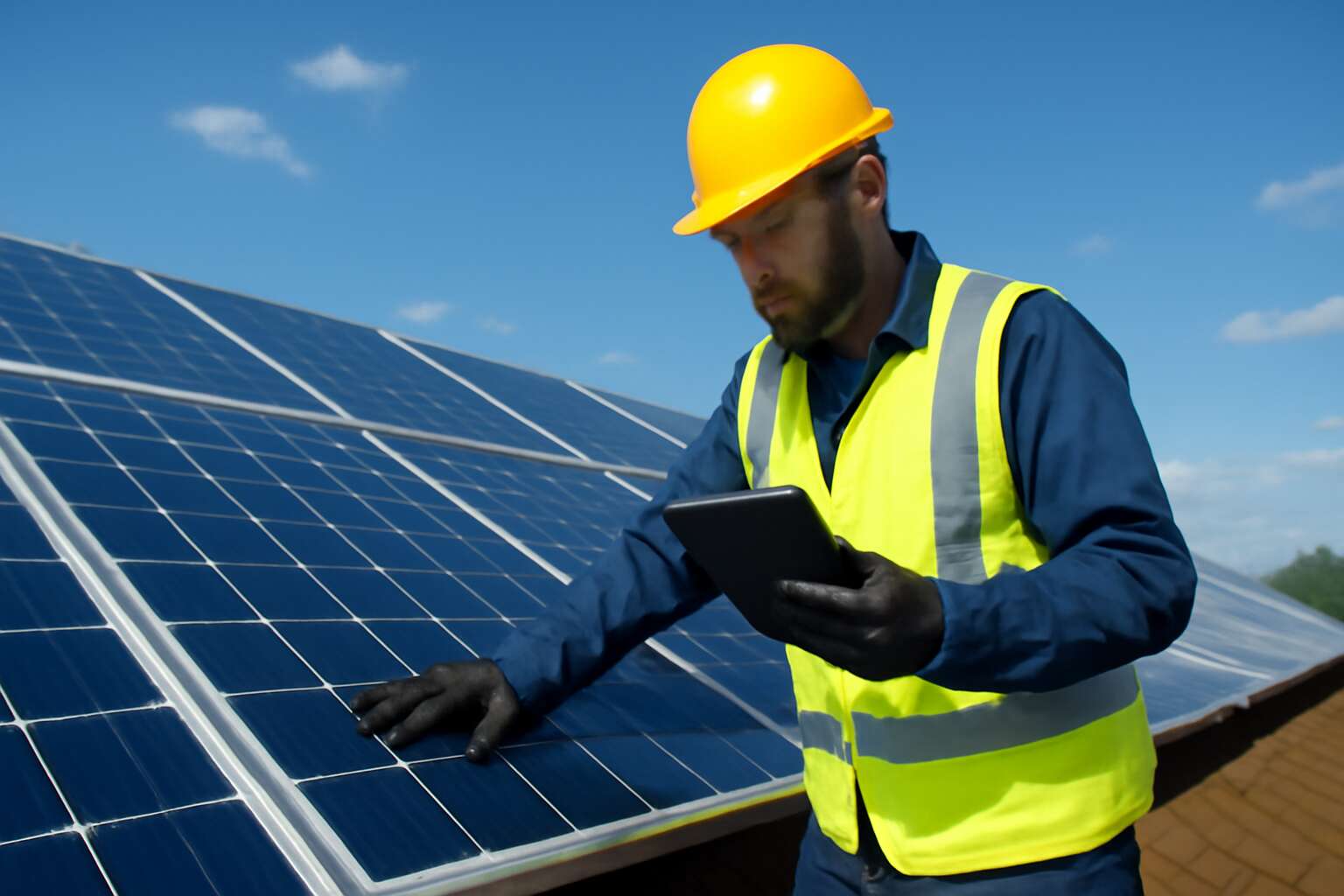
Overview of compensation in solar installation roles
Understanding pay structures for solar panel installers
“Pay climbs with the sun,” says a veteran solar installer in Cape Town. In South Africa, solar panel installer pay is linked to region, demand, and hands-on skill, making early steps into the field hopeful yet unpredictable. The numbers can glow differently, depending on company size and project scope.
Pay structures in solar installation roles blend base wages with performance-based rewards, reflecting a mix of skill, risk, and project complexity. To illustrate the landscape, consider common structures:
- Hourly wages tied to region and experience
- Commission or bonuses for meeting project milestones
- Overtime pay, on-call stipends, and travel allowances
In South Africa, employers may also offer training pathways and apprenticeships that shape long-term earnings. Across Cape Town, Johannesburg, and beyond, the payroll ledger glows softly where demand meets skill, and safer, more efficient installations turn into steady earning potential under an expanding sun.
Regional differences in compensation for solar installers
Sunlit wages swing across South Africa’s solar landscape, and the paycheck follows the city and the season. An overview of compensation in solar installation roles reveals a country where opportunities glitter differently from coast to coast. The numbers glow with region, demand, and hands-on skill, turning early steps into hopeful beginnings or unpredictable climbs toward mastery. The phrase solar panel installer pay becomes a sunbeam that shifts with project scope and market heat, reminding readers that the market rewards both craft and courage in equal measure.
- Cape Town and Western Cape: steady residential installs, with travel and living costs nudging compensation up or down.
- Gauteng (Johannesburg–Pretoria): high project volume, commercial scale, and often higher pay bands.
- KwaZulu-Natal and Eastern Cape: mixed projects from farms to grids, where travel and overtime shape earnings.
Across these currents, the solar sector glows with opportunity, yet remains bound to the rhythms of place.
Factors that influence solar installer wages
South Africa’s solar push keeps the pace strong, with rooftop and commercial installs driving demand. Rooftop and grid projects tilt the job market, and wages bend to travel and living costs in different cities. This is why solar panel installer pay shifts with project scope and market heat!
- Regional demand and project type influence pay bands.
- Experience, certifications, and electrical licensing raise earning potential.
- Travel, accommodation, and living-cost adjustments shape take-home pay.
- Overtime and shift differentials can boost earnings beyond base rates.
- Company size, project complexity, and safety standards impact compensation structures.
Across South Africa, compensation in solar installation roles mirrors market momentum and practical skill more than city labels.
Strategies to maximize pay and advancement in solar installation
Across South Africa, rooftops soak up the sun, and with that brightness comes a brighter paycheck for solar teams. This market shows solar panel installer pay rising as rooftop and commercial projects push ahead, rewarding practical skill, reliability, and the willingness to move between sites. In this market, compensation reflects not just hours worked but the value delivered to communities.
Regional demand and project scope shape pay bands, while living costs and travel between towns influence take-home pay. Earning potential climbs with electrical licensing, recognized solar certifications, and a track record of safe, quality installs. Companies of all sizes balance base rates with overtime and project complexity, creating structures that can reward steady performance and steady growth.
In this sun-drenched landscape, compensation grows where skills meet necessity and communities count on reliable power!


0 Comments