Gizzu solar technology and panel design
Module construction and durability
Across South Africa, load shedding has turned the sun into a practical power partner. A Gizzu solar panel makes that partnership simple, turning daylight into usable electricity with a smile.
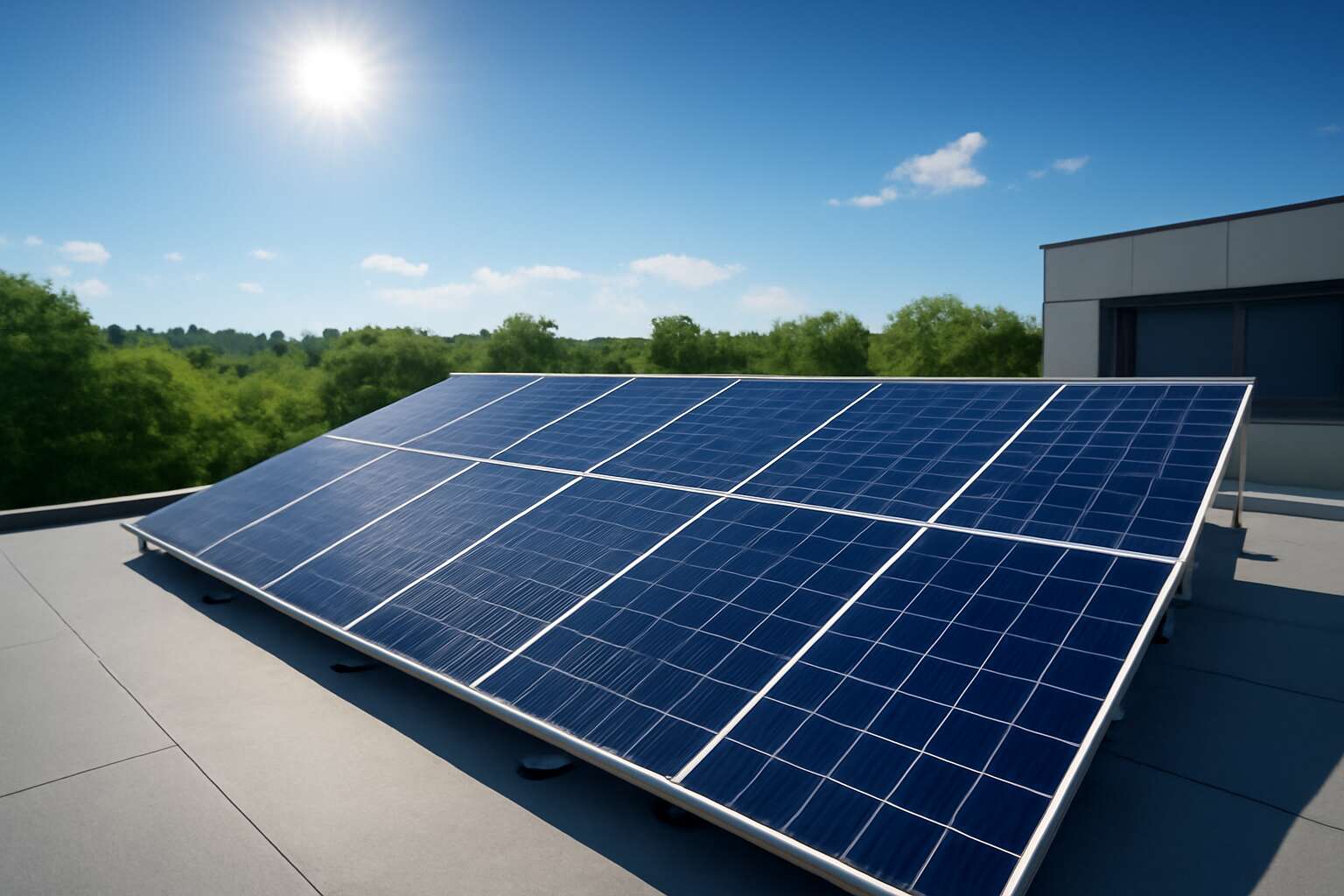
Gizzu technology features high-efficiency cells, a tempered-glass front, and a durable anodized aluminum frame designed to shrug off SA’s heat and dust. Module construction uses robust junctions and bypass protection for steady performance.
- Robust, corrosion-resistant frame for coastal SA sites
- IP-rated weather sealing and reliable cabling
- Long warranty and straightforward mounting
In practice, the gizzu solar panel design keeps temperatures in check with efficient heat dissipation, ensuring less power loss on hot days. Its durable coating stands up to dust and wind, while easy integration into existing systems keeps maintenance minimal.
Efficiency benchmarks and performance in varying conditions
South Africa basks in a generous sun, with twelve peak sun hours painting rooftops with possibility. The gizzu solar panel arrives as a quiet partner in that daylight arc, turning photons into usable energy with a dancer’s poise and a craftsman’s resolve.
In varying conditions, its performance keeps faith with the day. Under clear noon glare, output holds strong; when a cloud passes, the response is swift rather than surrender. The design favors steady voltage and resilient operation through heat, wind, and dust—an honest companion for SA environments.
- Full sun yields robust output and fast recovery after brief shade
- Partial shade and diffuse light maintain usable energy rather than dropping to near zero
- Dusty, windy days see stable wiring and minimal degradation
Together, these traits sketch a panel that blends poetry with pragmatism, inviting homes and businesses to listen to the sun and respond in steady, dependable light.
Aesthetic considerations and installation environments
South Africa enjoys some of the planet’s brightest solar potential—think 4 to 6 kWh of sunlit energy per square meter per day at peak. The gizzu solar panel emerges as a quiet partner in that daylight arc, turning photons into dependable power with quiet confidence!
Design speaks before numbers: a refined silhouette, corrosion-resistant frames, and a matte finish that blends with tiled roofs or metal fascias. It’s engineered for visual harmony in homes and businesses, so installation respects architecture as much as output. I appreciate how its silhouette respects a roofline.
Installation environments demand versatility. For SA roofs, it thrives on pitched and flat structures, coastal salt spray, and inland dust alike. Considerations include tilt optimization, wind uplift, and clearances—captured here in practical choices:
- Tile or metal roofs
- Flat or carport installations
- Coastal versus inland environments
Certifications and safety standards
South Africa’s sun isn’t just bright—it’s a patient engine. With 4 to 6 kWh per square meter daily, the gizzu solar panel converts daylight into steady power with quiet efficiency. Inside, high-efficiency cells ride a corrosion-resistant frame and a heat-tolerant laminate that stays reliable from dawn to dusk. It’s silent, durable, and built to endure the local weather and the grid’s fluctuations!
Certifications and safety standards anchor every gizzu solar panel.
- IEC 61215 crystalline PV module standard
- IEC 61730 safety qualification
- SABS testing and CE/RoHS marks
- UL/CSA listings for export markets
These marks assure performance in SA roofs and export markets alike. I’ve seen the calm confidence these standards provide when the sun blazes.
Installation and integration with home energy systems
Wiring options and inverter compatibility
In South Africa, a well-tuned solar setup can trim daytime grid use by up to 40%—a fact that feels almost prophetic when the sun hits your roof. A gizzu solar panel slides into that narrative, turning sunlight into dependable power with minimal fuss.
Installation and integration with home energy systems should feel seamless, not sweeping away your routine. These panels are engineered to talk to common inverters and storage packs, enabling grid-tied or hybrid configurations that ride the South Africa daylight window without drama.
Wiring options and inverter compatibility keep the system singing. Choose your path and enjoy a future-ready setup:
- MC4 connectors for quick, secure DC runs
- Pre-wired junction box with weatherproof terminations
- Single-phase inverters for typical SA homes; three-phase options for larger loads
Roof mounting vs ground mounting considerations
Rooftop space is precious and sunlight is free, but mounting choices shape daily power delivery more than any spec on the box. The gizzu solar panel is designed to flex, lining up with common inverters and storage to form a quiet partner in a grid-tied or hybrid SA home.
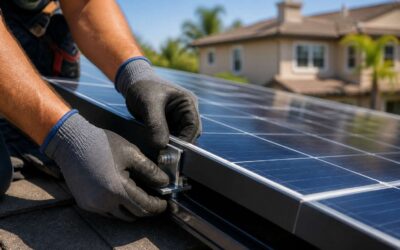
Roof mounting keeps cables short and aesthetics tidy, ideal for compact homes and wind exposure. Ground mounting offers an adjustable tilt for seasonal sun and easier access for maintenance on larger setups. Whichever path you choose, the aim is secure mounting, proper drainage, and clean cable runs that stay out of sight while respecting SA safety standards.
- Roof mounting considerations: shade, orientation, and wind load
- Ground mounting considerations: soil stability and drainage
- Electrical planning: conduit routing and accessibility
Energy storage integration with home battery systems
Across South Africa, rooftops bask in about 2,500 hours of sun each year—enough to turn a gizzu solar panel into a quiet revolution. It becomes a quiet partner that slides into a home’s energy spine, aligning with inverters and storage to unlock seamless daytime power. In grid-tied or hybrid residences, installation and integration feel almost ceremonial: reliable, simple, and ready when the sun returns.
Energy storage integration with home battery systems is where the magic truly blooms. The panel communicates with battery management, supports DC or AC coupling, and helps balance demand with daily sunlight. The aim is to weave generation and storage into one quiet cadence, so evenings glow with retained warmth and reliability.
- Battery-ready wiring and safe sequencing
- Inverter compatibility for flexible system design
- Remote monitoring to keep you in the loop
DIY vs professional installation safety and permits
Across South Africa, rooftops soak up about 2,500 hours of sun each year, and with a gizzu solar panel on a sunlit roof, daylight becomes a quiet reservoir of energy, weaving power into a home’s everyday rhythm and easing the sting of outages.
- Safety and code compliance
- Permits and inspections
- Warranty and insurer considerations
DIY may feel right for a capable hand, but installation sits at the crossroads of safety, code, and local permitting. In South Africa, permits and inspections may be required—work that professional installers are trained to navigate, safeguarding your system, warranty, and insurance.
In the end, gizzu solar panel integration is about restoring quiet reliability to daily life—especially for rural homes that know the value of steady power and the dignity of a job well done.
Cost, warranties, and ROI for Gizzu solar solutions
Pricing, financing options, and incentives
Sunlight tells a blunt truth: cost follows value. The gizzu solar panel is priced for durability, yet the true payoff is lower power bills over time. In South Africa, ROI often appears within a few years as energy costs drop.
Warranty packages offer peace of mind: long-form performance guarantees and product coverage are common. Financing options span cash, bank loans, and supplier instalments, letting buyers align payments with their budget.
- Cash purchase for immediate savings
- Bank or fintech loan with predictable repayments
- Supplier instalment plans
Incentives vary by municipality and policy; rebates and net-metering can accelerate payback. A gizzu solar panel becomes a steady, sun-powered partner in daily life.
Warranty terms and after-sales service
Sunlight writes a blunt ledger: the gizzu solar panel costs more upfront, but it pays dividends as bills shrink. In South Africa, payback often shows up within a few years as tariffs rise. The real value is durability and steady power, turning purchase cost into ongoing savings.
Warranty terms and after-sales service are designed for confidence. The gizzu solar panel arrives with long-form performance guarantees and comprehensive product coverage. Here’s what to expect:
- 10-year product warranty covering defects and workmanship
- 25-year linear power output warranty to protect long-term efficiency
- Nationwide service network with responsive support and easy claim process
ROI depends on system size and usage, with incentives sometimes accelerating payback. Rebates and net-metering can shorten the timeline, while reliable service keeps the sun paying dividends long after the initial installation.
Long-term savings and payback period
In a country where tariffs crest higher every year, the gizzu solar panel on your roof can feel like a small revolution in control over bills. The upfront cost is noticeable, but the real dividend shows up as steady savings on monthly charges.
Warranty terms back that faith with a robust safeguard and nationwide support. The gizzu solar panel is backed by long-term guarantees and a straightforward service network, turning a purchase into a worry-free partnership with your power supply.
ROI depends on system size and usage, but incentives can accelerate payback. Rebates and net-metering shorten the timeline, while dependable after-sales service keeps the sun delivering value long after installation.
- Upfront cost versus long-term savings
- Warranty coverage and service accessibility
- Incentives and net-metering impact on payback
Resale value and depreciation considerations
Tariffs crest higher every year, and in South Africa that means angry envelopes and lighter wallets. Enter the gizzu solar panel—a rooftop revolution that quietly converts sun into savings. The upfront cost is noticeable, but the real dividend lands as steady, predictable charges month after month.
Warranties back that faith with robust safeguard and nationwide support. A long-term guarantee and a simple service network turn a purchase into a worry-free partnership with your power supply.
ROI is conditional on system size and usage, yet incentives can accelerate payback. Rebates and net-metering shorten the clock, while reliable after-sales service keeps the sun delivering value long after installation.
- Resale value: modern solar features can lift property appeal as buyers hunt for lower bills.
- Depreciation considerations: for business use, tax rules may offer write-offs; homeowners see asset value on sale.
- Market timing: SA energy policy dynamics can translate into faster transactions for homes with solar upgrades.
Performance optimization and maintenance for solar panels
Cleaning schedules, dirt resistance, and longevity
Sunlight pours across South Africa with more than 2,400 hours of peak sun each year, and a gizzu solar panel greets that bounty with steady grace. Performance optimization starts with a simple premise: surfaces stay clean enough to drink in the light, dirt-resistance works behind the scenes, and longevity is protected by mindful design.
Dirt resistance isn’t magic; it’s smart materials meeting climate. In dusty seasons, surface repellents help keep shading at bay and output steadier. A thoughtful cleaning schedule—aligned with local weather—preserves performance without turning maintenance into a burden.
- Seasonal dust and pollen cycles shaping routine checks
- Nearby flora, birds, or industrial zones increasing soiling
- Shading changes from growth or structures over time
- Manufacturer guidance and warranty considerations intact
With a gizzu solar panel, maintenance becomes a quiet, lyrical ritual—turning sunny days into reliable energy, and I see it as a steadfast ally for any South African home!
Monitoring systems and data analytics
South Africa averages over 2,400 hours of peak sun annually, and every watt should matter. Real-time visibility turns guesswork into strategy. A gizzu solar panel sits quietly on the roof while a connected monitor translates daylight into a living performance map. It makes optimization feel like a breeze, not a burden!
Monitoring systems feed data into dashboards and analytics that reveal not just current output, but trends, weather impact, and shading episodes. Sensors whisper alerts when efficiency drifts, letting you schedule maintenance with precision rather than urgency.
Key signals that keep the system honest:
- Real-time energy yield vs forecast
- Panel and string temperatures
- Voltage and current consistency
- Anomaly detection and timely alerts
From experience, dashboards translate sun into strategy, turning data into a quieter, smarter form of resilience for South African homes.
Damage prevention: hail, debris, and weatherproofing
South Africa’s sun knows no mercy, and gizzu solar panel must stand up to more than glare alone. When hail rattles the roofs and debris rides the wind, durability becomes a quiet ally. Weatherproofing lets a system breathe through sudden storms and dusty afternoons, keeping output steady rather than apologizing for the weather. In this climate, resilience isn’t ornamental; it’s economical, turning rough days into reliable power without drama.
- Hail-resistance considerations aligned with local standards
- Debris shielding and routine inspection rhythm
- Weatherproofing integrity and enclosure sealing
These principles keep performance honest and maintenance visits purposeful.
Seasonal performance optimization tips
Sun-burnished South Africa teaches resilience; the gizzu solar panel responds with quiet vigor as the calendar turns. Across the country, seasonal yields can swing by up to 15% without tuning, a reminder that the sun loves a patient partner. Seasonal performance shifts with angle, dust, and humidity, yet well-tuned systems stay steady, turning bright days into reliable power. The aim is to harmonize sun and circuit, not chase perfection, but to keep outputs honest through the season’s caprice. Attentive care—allowing data to speak and the system to unfold—becomes the quiet art that guards longevity.
- Seasonal tilt alignment and sun-angle expectations
- Dust, debris, and filtration rhythm
- Inverter health, wiring insulation, and monitoring signals
Let monitoring whisper its data, and maintenance become a ritual rather than a reaction, a cadence that keeps the system singing through quiet mornings and storm-washed afternoons.

0 Comments