What is a 30-Watt Solar Panel?
Definition and rating basics
South Africa basks in about 2,500 hours of sunshine each year, turning a 30 w solar panel into a practical energy ally for charging phones and lanterns— a quiet beacon for homes, farms, and dreams!
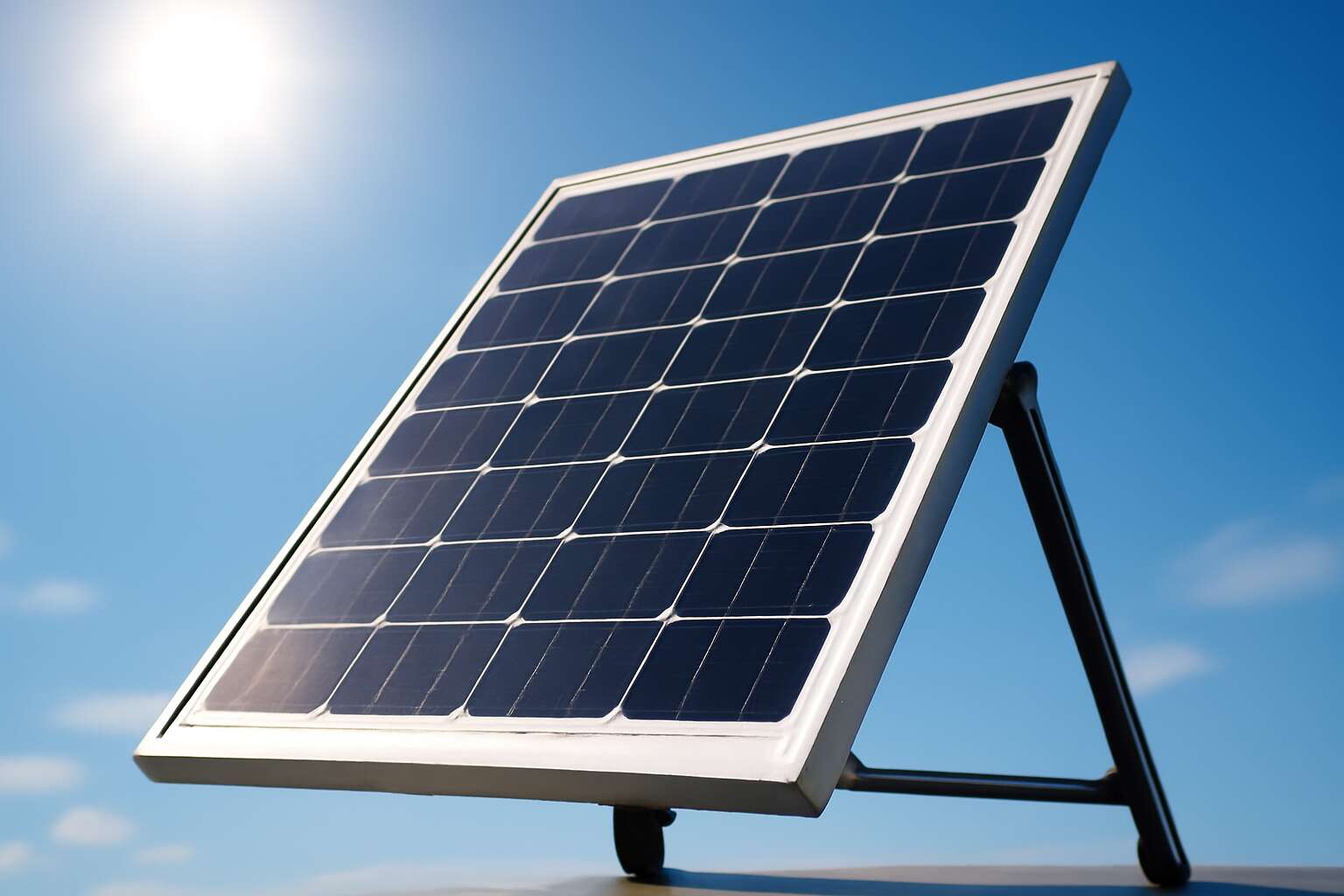
A solar panel of this size is rated to deliver about 30 watts under standard test conditions (STC). Under STC, the maximum power point sits around 17-18 volts, drawing roughly 1.7-1.8 amps, a quiet testament to efficiency in the sun-washed mornings.
- Rated wattage (W) under standard test conditions
- Voltage at maximum power (Vmp)
- Current at maximum power (Imp)
- Open-circuit voltage (Voc)
- Short-circuit current (Isc)
In practice, daylight angle, temperature, and shading influence actual output; I’ve watched a compact, modular unit weave seamlessly into a home or rural setup!
How 30-Watt panels compare to other sizes
Small but mighty, a 30 w solar panel fits on a balcony or rural hut and quietly powers a phone and a lantern when the sun shines. It’s simple, reliable, and budget-friendly—a practical entry point into solar power in South Africa!
Compared with larger panels, this size trades steady bigger output for space and portability. Larger panels (60 W, 100 W) deliver more watts per hour but need more roof or yard space. Smaller units (under 20 W) slip into pockets yet multiply the setup.
- Size and weight: easy to mount and transport
- Output profile: steady charging for essentials
- Best fit: compact systems, backups, and hobby-scale projects
For homes and farms, this size is a quiet ally for charging devices and powering off-grid lanterns. It’s a neat, quiet ally for off-grid living!
Key performance metrics for small panels
South Africa’s sun is a resource you don’t want to waste, and a 30 w solar panel proves it can power a phone or lantern on bright days. This compact unit fits on a balcony or a rural hut and works quietly in the background. The 30 w solar panel is simple, reliable, and budget-friendly—a practical entry into solar power for everyday use.
Key performance metrics for small panels help you compare options without guesswork. Beyond a sticker price, look at how a panel behaves as light shifts and temperatures rise.
- Nominal power rating around 30 W (Pmax)
- Voltage at maximum power (Vmp)
- Current at maximum power (Imp)
- Open-circuit voltage (Voc)
- Short-circuit current (Isc)
- Efficiency and temperature coefficient
Common sources that use 30-Watt panels
South Africa averages around 2,500 usable sun hours per year, turning balconies into power stations. A 30 w solar panel proves that you don’t need a megawatt budget to stay connected—on bright days, it can keep a phone humming and a lantern lit long after sunset.
Designed for compact spaces, it stays simple yet reliable. It pairs with USB devices and battery packs, offering a practical entry into off-grid living.
- Charge a phone without grid power
- Light a campsite lantern all evening
- Top up a small power bank for emergencies
In South Africa, you’ll spot these panels on apartment balconies, rural huts, and caravan setups, quietly bringing energy where cables end. Their quiet operation and budget-friendly price make them ideal for trials, hobbyists, and small households alike.
Key Specifications and How They Impact Performance
Power output, voltage, and current considerations
South Africa basks in thousands of sun hours each year — more than 2,500 on average — and a 30 w solar panel can turn daylight into reliable energy. Under test conditions, the nominal output is 30 watts, but real sun and shade narrate a richer tale of power, voltage, and current!
Key specifications at a glance shape how the panel behaves through the day. For a compact 30 w solar panel, typical values include:
- Nominal power (Pmax) around 30 W
- Voltage at maximum power (Vmp) typically about 18 V
- Current at maximum power (Imp) around 1.7 A
- Open-circuit voltage (Voc) in the low 20s volts
Temperature and irradiance drift modulate these figures in practice. Heat nudges Pmax downward while Voc shifts with temperature, a reminder to consider climate when planning in South Africa’s varied landscapes.
Efficiency and temperature effects
South Africa’s sun rewards patience: average annual sun hours exceed 2,500, translating into steady power from a 30 w solar panel. In ideal conditions, Pmax hovers near 30 W, Vmp around 18 V, and Imp about 1.7 A, with Voc in the low 20s volts.
Temperature and irradiance drift modulate these figures. Heat nudges Pmax downward while Voc shifts with temperature, a reminder to consider climate when planning across SA’s diverse landscapes.
- Pmax ~30 W
- Vmp ~18 V
- Imp ~1.7 A
- Voc in the low 20s volts
Real-world performance follows the sun’s arc; cooler mornings can yield different outputs, while midday glare pushes current up.
Physical dimensions and weight
In the theatre of sunlight, a 30 w solar panel stands as a compact sentinel, its dimensions a quiet predictor of where it will endure the day. Size and mass are not mere trivia; they decide how easily it travels, where it can be mounted, and how it resists the wind’s patient bite. Typical footprints cling to a compact envelope—roughly half a meter across and a touch over a third in height, with a slender 18–25 millimetre profile.
- Dimensions: compact footprint around 0.5 m × 0.3–0.4 m
- Weight: a few kilograms, commonly 2–4 kg
- Mounting: pre-drilled holes or integrated rails for portable or rooftop setups
These measurements shape how the panel threads into South Africa’s diverse landscapes—from caravan rigs to rooftop grids—affecting portability, mounting flexibility, and long-term durability under sun and season.
Durability and warranty
Key specifications shape how a 30 w solar panel behaves in daily use. Pmax sits near 30 watts under standard test conditions, while Voc and Isc define edging with charge controllers and battery banks. Temperature coefficients reveal how much power fades in South African heat and high-altitude glare—it’s real!
Maintenance and durability hinge on build quality: frame, junction box, and sealings. These factors influence long-term reliability and warranty coverage. A sturdy, weatherproof design stands up to coastal humidity and inland gusts alike.
- Nominal power (Pmax)
- Open-circuit voltage (Voc) and short-circuit current (Isc)
- Temperature coefficient
- Durable frame and junction box
- Warranty terms
In short, the warranty often mirrors the expected life of the panel’s output and the manufacturer’s confidence in its sealing and soldering integrity.
Ideal mounting options
South Africa’s sun is a fierce ally, and a 30 w solar panel translates that energy into reliable power through a few key specifications. A tough frame and a watertight junction box set the long game for durability, while the voltage range and current capacity shape how easily it harmonizes with a charge controller and battery bank. Temperature coefficient tells you how quickly the panel loses punch in furnace-hot days, a critical factor for inland heat and high-altitude glare.
Knowing these figures helps you mount, orient, and size the system without mystery. The right mounting approach keeps the panel steady against gusts, dust, and humidity, preserving output and warranty credibility.
- Roof or wall mounting with a gentle tilt to chase the sun
- Ground stands for portable or remote installations
- Adjustable tilt brackets to suit seasonal sun angles
Ideal Use Cases and Applications
Off-grid camping and caravans
Sunlight writes a quiet story across South Africa’s open campsites. A 30 w solar panel becomes a steadfast companion for off-grid camping and caravans, sipping the sun and delivering a reliable charge when the mains stay at home. In dawn’s first light, it promises a gentle vitality for the day ahead.
- Charge smartphones, GPS, LED lighting, and a small Bluetooth speaker.
- Keep a compact 12V cooler or battery-powered fridge ready for perishables.
- Power a camera, drone, or charging hub to capture trip memories.
With a battery bank, this pocket-sized sun engine becomes an anchor in the breeze—sensible, efficient, and ready for the next sunrise over the Drakensberg or the Garden Route.
Charge controllers and battery charging setups
South Africa basks in ample sun, clocking roughly 2,500 to 2,700 sunny hours a year. A 30 w solar panel is a compact workhorse for off-grid living, boats, and bush retreats, delivering steady power to keep devices moving as the day warms. When paired with the right charge controller and a battery bank, it becomes a reliable daily partner.
Ideal use cases span small homes on the edge of towns, caravans, and remote campsites where mains power isn’t available. It powers phones, GPS, lanterns, and a compact cooler during longer trips. A well-matched charge controller protects the battery and lets you charge safely, efficiently, and with minimal fuss.
- 12 V battery bank with lead-acid or LiFePO4 cells
- MPPT for maximum harvest in variable sun
- Proper cabling, fusing, and a smart charging profile
Portable solar kits for emergencies
South Africa basks in roughly 2,500 sunny hours a year—a statistic as practical as it is poetic. A 30 w solar panel becomes a compact workhorse for off-grid living, boats, and bush retreats, delivering steady power to keep devices moving as the day warms.
Ideal use cases and applications span portable emergencies and mobile living: small huts on the edge of towns, caravans, and remote campsites where mains power isn’t available. A well-chosen 30 w solar panel powers clocks, GPS units, lanterns, and compact coolers during longer trips.
- Emergency power during outages and grid disruptions in urban and rural South Africa
- Compact kits for caravans, boats, and bush camps
- Backups for mobile workers and disaster-relief teams in remote locations
Pair it with a proper charge controller and a battery bank, and the setup stays safe, efficient, and quietly dependable.
RVs and boats
South Africa basks in about 2,500 sunny hours a year, turning dawn into power. A 30 w solar panel is a quiet companion for RVs and boats, delivering steady energy as the day warms.
Ideal use cases hinge on mobile living and reliable daily routines—RVs and campervans moving between towns and remote camps.
- RVs and campervans: power clocks, lights, fans, and small fridges.
- Boats: charge chartplotters, VHF radios, GPS, and deck lights.
- Temporary moorings: steady energy at remote docks and sun-soaked weekends.
Paired with a compact charge controller and a modest battery bank, the panel stays safe, efficient, and quietly dependable under South African skies.
Compact solar solutions for tiny homes
South Africa enjoys roughly 2,500 sunny hours a year, a fact that turns dawn into a power source. A 30 w solar panel becomes a quiet backbone for tiny homes, delivering steady energy where space is tight and the grid is distant.
Ideal use cases for compact solar solutions in tiny homes span rural retreats, city micro-homes, and backyard pods where power reliability shapes daily life. Consider these scenarios:
- Off-grid rural cottages and micro-homes
- Backyard studios and detached offices
- Portable cabins on farms and holiday properties
With a tidy installation, this panel can run essentials such as LED lighting, device charging, and compact fans, keeping mornings bright and evenings comfortable.
Under South African skies, the 30 w solar panel remains efficient, safe, and quietly dependable for tiny homes.
Buying Guide and How to Choose
Evaluating brands and certifications
South Africa basks in sunlit hours—roughly two thousand per year—enough to turn modest rooftops into a chorus of clean energy. A 30 w solar panel can be a quiet sentinel in off-grid huts, caravans, or a shaded workshop, sipping daylight and gifting it back as usable current. It feels almost ritual, the way light becomes power in the palm of your hand.
Buying the right panel begins with brands you can trust and certifications that outlive trends. To guide the eye, keep this checklist handy:
- IEC 61215 and IEC 61730 certifications; independent testing matters.
- A solid warranty (preferably 25 years) and transparent performance data.
- SABS or regional approvals with traceable manufacturing records for local service.
Beyond marks, seek datasheets that reveal temperature behavior, shading tolerance, and real-world output. In South Africa, local support and a credible supply chain can be as important as the label on the back. I have watched a well-chosen module endure heatwaves and dust, standing sentinel over a quiet, stubborn grid.
Compatibility with controllers and inverters
South Africa’s sun isn’t shy; with roughly two thousand sun hours a year, a tiny 30 w solar panel can quietly sip daylight and spit back usable energy. The compatibility tango with controllers and inverters isn’t magic—it’s about matching voltages, tolerances, and expectations so the kit doesn’t throw a sulk in a dust storm.
To navigate this, consult datasheets and look for these compatibility cues:
- System voltage alignment (12V, 24V, or higher) with your controller and inverter
- Controller type (MPPT often wins in warm, dusty SA conditions)
- Open-circuit voltage and short-circuit current ranges that keep devices within safe limits
The right pairing keeps the 30 w solar panel singing through heat waves and outages, with a calm, dependable flow of power.
Price ranges and cost-per-watt
South Africa’s sun is a relentless ally; a 30 w solar panel can start feeding a light or small fan with daylight. The buying moment isn’t price alone—it hinges on price per watt, warranty, and build quality. Read datasheets, compare like-for-like, and watch for certifications. A clear view saves money and future headaches.
- Price bands: entry, mid, premium
- Cost-per-watt math: price divided by 30
- Warranty, certifications, and after-sales support
With price bands and cost-per-watt in mind, you’ll see how tiny shifts in specs change value. For a given 30-watt setup, the price-per-watt is a quick yardstick, and that figure climbs when you chase durability and efficiency. In SA, consider who stands behind the kit and how readily parts are available.
Sizing your system for daily needs
Sunlight in SA is a stubborn muse; when you install a 30 w solar panel, you begin a quiet conversation with daylight, sizing your needs to a single panel’s breathing. In a buying guide sense, consider daylight hours, load priority, and future growth as you weigh the options for daily comfort.
- Daily energy target aligned to essential devices
- Shading, orientation, and mounting considerations
- Potential for expansion and controller capacity
Choosing the right scale isn’t only price—it is a promise of reliability for cloudy mornings and hot afternoons; the panel fits a light or a small fan, and with proper sizing, it tethers daily life to daylight in a quiet, hopeful way.
Installation, Maintenance, and Longevity
Mounting considerations and safety
Installing a 30 w solar panel in a South African setting blends practicality with a touch of solar alchemy. Mount it on a sturdy, corrosion‑resistant frame that can endure coastal spray or inland winds. The panel should face the sun with an unobstructed arc, and the tilt should adapt through seasons while remaining connected to a rainproof junction box. Outdoor‑rated connectors finish the setup.
Maintenance is minimal but essential. A quick visual check for loose hardware and cleaned glass keeps performance steady. A qualified technician should inspect seals after severe weather to preserve safety and longevity.
Longevity rests on smart mounting, UV-resistant materials, and robust weatherproofing. Ensure safe clearances from roofs or ground, and use a protective enclosure for wiring. Safety comes first.
- Wind load and secure mounting
- Shade management and proper tilt
- Professional inspection and code-compliant connections
Cleaning and maintenance tips
Across South Africa’s sun-kissed rooftops, a tiny powerhouse can reshape daily life—the 30 w solar panel, quietly efficient in 2,500 hours of yearly sun. Mount it on a sturdy, corrosion-resistant frame that can endure coastal spray or inland winds. The panel should face the sun with an unobstructed arc, and the tilt should adapt through seasons while remaining connected to a rainproof junction box. Outdoor-rated connectors finish the setup.
Maintenance is minimal but essential. A quick visual check for loose hardware and the 30 w solar panel’s cleaned glass keeps performance steady. A qualified technician should inspect seals after severe weather to preserve safety and longevity.
Longevity rests on smart mounting, UV-resistant materials, and robust weatherproofing. Ensure safe clearances from roofs or ground, and use a protective enclosure for wiring. Safety comes first.
Shade management and orientation strategies
Across South Africa’s sun, a 30 w solar panel can power essentials with surprising tenacity. Install on a sturdy, corrosion-resistant frame that shrugs off coastal spray or inland winds. The panel should face the sun in a clear arc, with a seasonally adaptable tilt and a rainproof junction box. Outdoor-rated connectors finish the setup!
Maintenance stays minimal yet vital. A quick visual check for loose hardware and a wipe of the cleaned glass keeps performance steady. After severe weather, have a qualified technician inspect seals to safeguard safety and longevity.
Longevity rests on smart mounting, UV-resistant materials, and robust weatherproofing. Shade management matters: keep trees and ducts out of the path, and orient toward the sun’s daily trajectory. Small adjustments to tilt and orientation help preserve output through the year.
Troubleshooting common issues
On installation, a 30 w solar panel deserves a sturdy home. In South Africa’s sun, mount it on a corrosion-resistant frame that withstands coastal spray or inland winds. Position the panel to follow the sun in a clear arc, with a seasonally adjustable tilt and a rainproof junction box for reliability.
Maintenance stays simple yet vital. A quick visual check for loose hardware and a wipe of the glass helps keep output steady. After storms, a qualified technician can inspect seals to safeguard safety and longevity.
Longevity hinges on smart mounting, UV-resistant materials, and solid weatherproofing. Shade management matters: keep growth and ducts out of the path, and tune tilt to the sun’s daily trajectory. If you notice reduced output or seal leakage, recheck seals and call a pro promptly.
Replacement and end-of-life options
Installation: In South Africa, a 30 w solar panel needs a sturdy foundation. Choose a corrosion-resistant frame that can shrug off coastal spray or inland winds, and mount it to follow the sun in a clear arc with a seasonally adjustable tilt. A rainproof junction box boosts reliability day after day.
- corrosion-resistant frame materials
- sealed, rainproof junction box
- rigid, UV-stabilised mounting hardware
Maintenance: Quick visual checks for loose hardware and a glass wipe keep output steady. After storms, a qualified technician can inspect seals to safeguard safety and longevity.
Longevity, replacement and end-of-life options: With smart mounting, UV-resistant materials, and good weatherproofing, the panel lasts longer. When the time comes, consider recycling programs, certified refurbishers, or safe disposal to minimise environmental impact.


0 Comments