
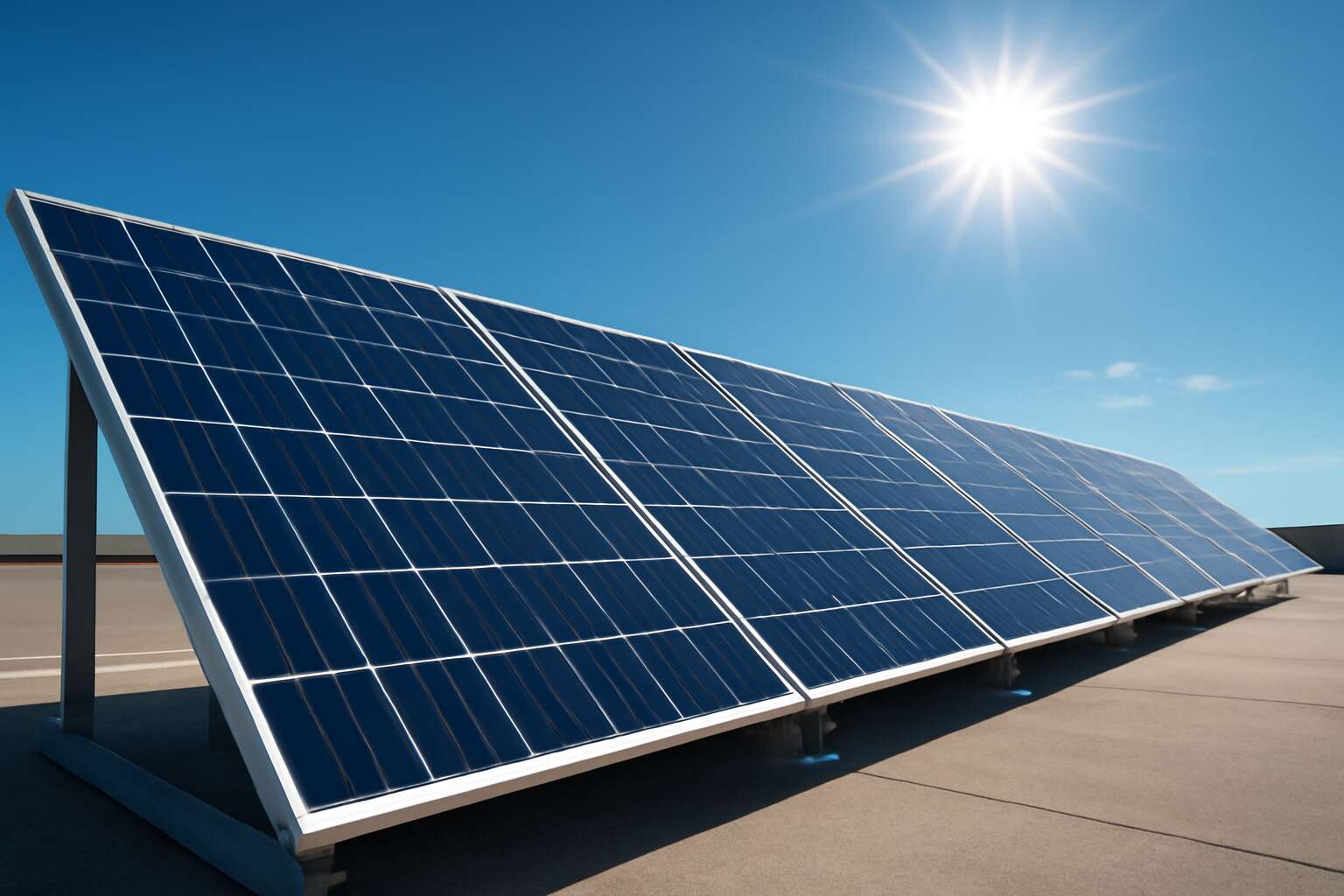
Comprehensive Guide to 250W Solar Modules
Understanding 250W Solar Modules
South Africa glows with sun for most of the year, turning rooftop space into a practical power resource. A 250 watt solar panel is compact enough for tight spaces and robust enough to handle daily solar fluctuations—perfect for homes and small businesses seeking reliable generation.
Understanding 250W solar modules means looking at efficiency, temperature performance, and mounting compatibility, all explained in plain language.
- Nominal output and performance in South Africa’s sun
- Durability and climate resilience in local conditions
- Compatibility with popular inverters and mounting systems
In this guide, the focus stays grounded in practicality—how these modules translate into steady, accessible power for communities and businesses alike.
Performance, Efficiency, and Output
South Africa records well over 2,000 hours of sunshine each year, a daily invitation to clean, quiet energy. A 250 watt solar panel sits compactly on a roof, a steadfast partner for homes and small businesses facing rising electricity costs. Its quiet reliability turns daylight into usable power, day after day.
For this comprehensive guide, performance, efficiency, and output are viewed through a real-world lens. The nominal 250 watt rating comes from ideal tests; in the real sun, output follows the daylight arc and dips on hot afternoons while rising with cooler mornings.
- Sun exposure and shading
- Ambient temperature and heat effects
- Inverter compatibility and system design
Efficiency and resilience meet in everyday use. A moderate temperature coefficient means watts drift with heat, but robust mounting and dependable inverters keep energy flowing. This 250 watt solar panel line remains a practical, steadfast choice for communities and small enterprises.
Installation, Compatibility, and System Design
South Africa enjoys more than 2,000 hours of sunshine each year, turning rooftops into potential power stations. A 250 watt solar panel sits quietly on a tile or tin roof, a compact partner for homes and small businesses facing rising electricity tariffs. Daylight becomes a dependable asset, turning into usable energy with calm, almost zen-like reliability.
Within the Comprehensive Guide to 250W Solar Modules Installation, Compatibility, and System Design, real-world constraints take center stage rather than glossy brochures. The approach examines site orientation, shading from trees or vents, and how the solar array interacts with inverters and battery options to deliver steady output under SA conditions.
Key considerations weave practicality into theory, keeping the conversation grounded in common-sense realities rather than fantasy-grade efficiency figures:
- Site viability and mounting options
- Electrical compatibility with inverters and system balance
- Shading analysis, orientation, and infrared realities
- Durability against SA dust, heat, and humidity
Cost, ROI, and Warranty
South Africa enjoys more than 2,000 hours of sunshine a year, turning rooftops into quiet gold mines. A 250 watt solar panel sits high on a tile or tin roof, a steady companion for homes and small businesses facing rising tariffs. Its promise is simple: daylight becomes usable energy with calm, almost spellbound reliability.
In the Comprehensive Guide to 250W Solar Modules Cost, ROI, and Warranty, cost is framed as long-term value rather than a dash on the price tag. A 250 watt solar panel typically ships with 20–25 year warranties covering material defects and performance. ROI hinges on local tariffs, consumption patterns, and maintenance—factors that shade the final verdict.
- Brand reliability and manufacturing standards
- Degradation rate and performance warranty specifics
- Balance-of-system costs, including inverters and cabling
The tale stays grounded in SA reality, where dust and heat color the numbers. This guide keeps the narrative clear, showing that the 250 watt solar panel is not mere fantasy but a durable ally for a sustainable future.
Branding, Certification, and Supplier Selection
Across South Africa, where daytime sun pours over every rooftop, branding for a 250 watt solar panel matters as much as its wattage. A trusted name signals reliable performance, solid warranties, and ready access to spare parts—even when dust and heat test every connection on a high-slung tile or tin roof.
- Brand reliability and manufacturing standards
- Certification scope, testing benchmarks, and data sheets
- Supplier networks, local service, and warranty support
Choose suppliers who share transparent performance data and clear after-sales commitments, so your solar journey remains smooth through seasons of sun and shade.

0 Comments