Understanding the Zimbabwean solar market
Current energy landscape in Zimbabwe
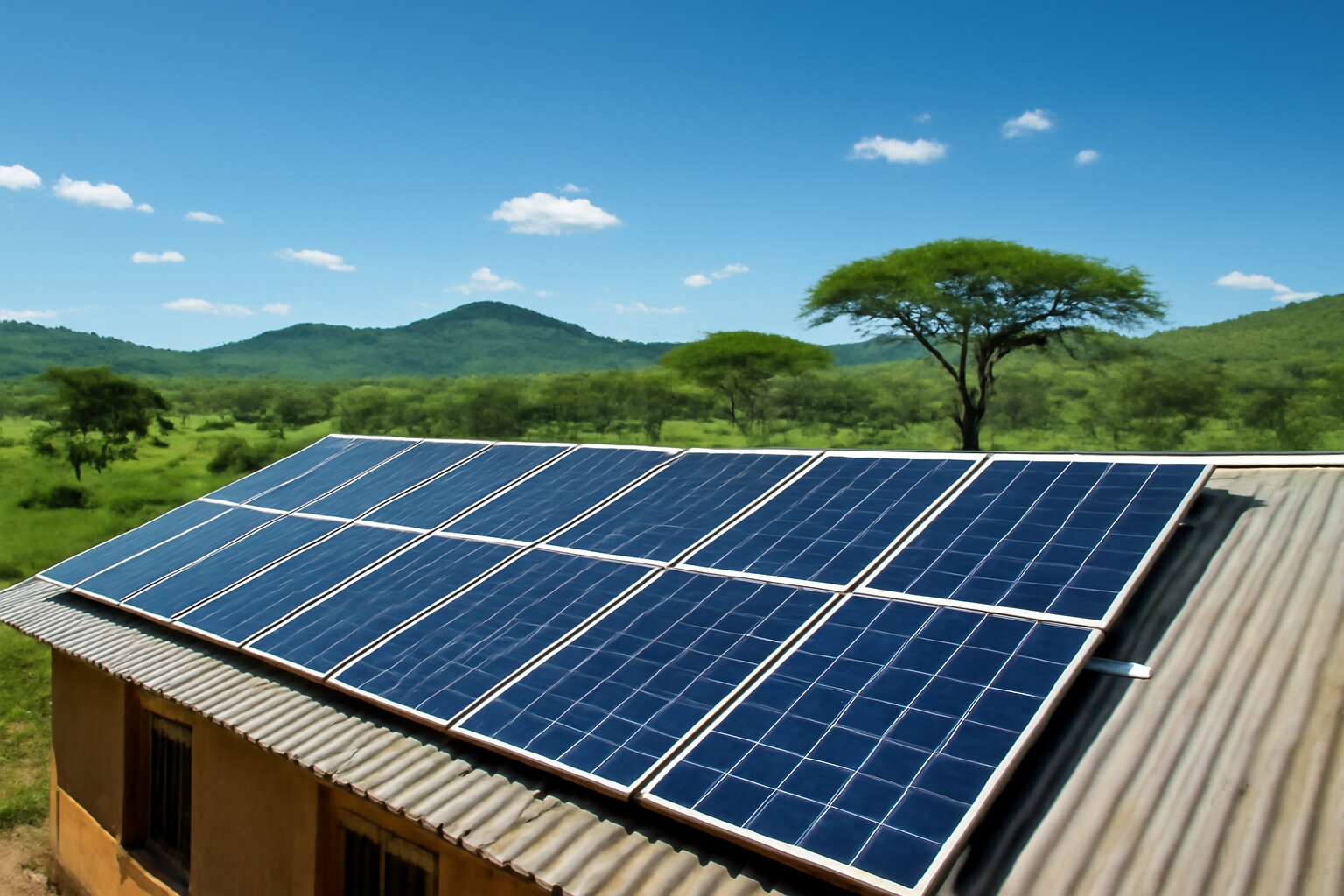
Zimbabwe basks in roughly 2,000 hours of sun each year, the sun’s patient gaze turning rooftops into potential power plants. This abundance makes solar a practical lifeline for homes and small businesses facing load-shedding and rising tariffs. When considering which solar panel is best in zimbabwe, efficiency, durability, and solid local support become the compass guiding choices.
The current energy landscape in Zimbabwe blends grid supply, diesel backups, and off-grid solar, with rural communities leaning on micro-grids that tolerate irregular public power. For South African energy teams, Zimbabwe’s market offers lessons in resilience. The market favors durable, heat-tolerant panels; monocrystalline delivers more power per roof, while polycrystalline keeps costs down.
- High solar irradiance across most regions
- Frequent outages and tariff volatility driving demand
- Growing local service and warranty networks
In this evolving landscape, the choice hinges on compatibility with local maintenance and supply chains, and the reliable glow of panels that endure the climate with grace!
Common solar panel technologies used in Zimbabwe
Across Zimbabwe’s sun-drenched towns and rural homesteads, solar thinking is practical and intimate. With roughly 2,000 sun hours a year, the sun is a patient neighbor, turning rooftops into quiet power plants. When weighing which solar panel is best in zimbabwe, durability and local support matter as much as efficiency.
Common technologies you’ll encounter on Zimbabwean roofs include:
- Monocrystalline: higher efficiency, compact footprint, strong heat tolerance
- Polycrystalline: lower upfront cost, robust performance across variable climates
- Thin-film: flexible mounting options, good heat behavior, easier integration on curved surfaces
In the field, the real story is about service and endurance. Monocrystalline yields more watts per roof; polycrystalline keeps the price friendlier; thin-film suits tricky layouts and blistering heat—especially where local maintenance networks stand as a lifeline.
Key local factors affecting solar panel performance
In Zimbabwe, the path to power is as much about networks as panels. The question of which solar panel is best in zimbabwe goes beyond wattage, leaning on service, maintenance, and local availability. For South Africa’s neighbors, the market rewards durability and trusted supply chains, where warranties translate into real-world help and peace of mind on remote rooftops.
Several local factors shape performance and value:
- Robust local service networks and warranty coverage
- Spare parts availability and import timelines
- Climate effects, dust, and temperature swings on performance
In this context, choices hinge on balancing upfront price with long-term resilience.
Where to buy solar panels in Zimbabwe
Power in Zimbabwe isn’t only about panels; it’s about who stands behind them when the sun warms the morning air. The question which solar panel is best in zimbabwe is often overshadowed by concerns over local service, spare parts, and warranty support. In practice, the best choice balances performance with the reliability of supply chains and after-sales care that travels to remote rooftops.
- Authorized regional distributors with clear warranty terms
- Local installers offering design, commissioning and after-sales support
- Retail outlets and co-ops with reliable stock and transparent return policies
From years of field experience, I’ve found that the market rewards durability and accessible spare parts more than any glossy label. Understanding the Zimbabwean market means tracing how products move from importers to rooftops and how service networks keep systems resilient during dust, heat, and outages.
Types of solar panels suited for Zimbabwe
Polycrystalline vs Monocrystalline: which to choose
Zimbabwe’s sun isn’t just bright; it’s relentlessly practical, delivering energy that makes outages feel almost quaint. The question is simple, yet stubborn: which solar panel is best in zimbabwe. The answer isn’t a single winner but a careful balance of cost, efficiency, and climate quirks.
Polycrystalline and monocrystalline panels share a lineage but perform quite differently in the Zimbabwean sun. Here’s the quick read:
- Polycrystalline: lower upfront cost and a larger footprint to hit the same power, making it appealing for bigger rooftops.
- Monocrystalline: higher efficiency and better heat tolerance, ideal for tighter spaces and partial shade, though pricier.
- Reality check: temperature and shading can tilt results, so layout matters as much as the badge on the back of the panel.
In the end, the choice comes down to space, budget, and how aggressively you chase sunny days.
Thin-film panels and their relevance in Zimbabwe
In Zimbabwe’s sun, which solar panel is best in zimbabwe? Thin-film panels deserve a closer look. They’re light, flexible, and surprisingly forgiving on awkward rooftops. In heat-heavy climates, their temperament toward high temperatures and diffuse light can deliver serviceable energy without the drama of crystalline panels chasing the sun.
- Lightweight and flexible for unconventional or curved rooftops
- Better tolerance to heat and partial shade
- Lower upfront costs per watt when covering large areas
Their relevance grows in settings where large roof canvases exist and budget constraints outweigh peak efficiency. The decision isn’t a simple badge choice; it’s a nuanced balance of area, climate, and project timeline.
Durability in hot and dusty conditions
“The sun here is generous, but the dust is the stubborn guest,” a local installer often says. which solar panel is best in zimbabwe isn’t just about peak efficiency—it’s about enduring heat and grit on rural roofs.
Durability in hot, dusty conditions means robust framing and coatings that resist sun bleaching. In Zimbabwe’s sun, panels with solid heat tolerance and sealed junctions perform longer, while dust and wind are managed with easy-clean surfaces and simple mounting.
- Heat tolerance and low temperature coefficient
- Dust resistance and easy cleaning
- Sturdy framing and weather seals
For families and small farms, choosing the right panel is a promise of lights after dusk and steadfast hope.
Warranty and service considerations
In Zimbabwe, the question isn’t just how much sun you get—it’s how long your investment keeps delivering after the dust settles. Types with strong warranties and accessible service networks matter as much as peak efficiency. Panels designed to endure heat and rough mounting speak to resilience on rural roofs, and they should be easy to inspect and maintain.
- Warranty length and what’s covered (materials, workmanship)
- Local service network and authorized installers
- Spare parts availability and recall history
This approach frames a practical choice for South Africa’s solar ambitions too, and brings us to the heart of the matter: which solar panel is best in zimbabwe.
Reliability under local weather patterns
Zimbabwe’s sun isn’t merely bright—it’s providential, gifting roofs with power to turn daylight into electricity. Reliability under heat, dust, and lull matters as much as peak efficiency. The question, which solar panel is best in zimbabwe, threads the needle between endurance and performance, favoring designs that hold steady in scorching afternoons and resist the grit that settles on rural fittings. A robust warranty and trusted local service amplify the panel’s value.
- High heat tolerance that keeps output steady in blazing 40°C days.
- Dust- and wind-resistant frames that battle the elements on rural rooftops.
- Ready spare parts and local installers that ensure ongoing service.
Ultimately, Zimbabwe’s conditions reward panels that pair robust construction with sensible economy and accessible support. For South Africa’s solar ambitions, a dependable, well-supported option travels well across borders, sustaining energy flow even when the landscape turns dusty or shadowed.
Top solar panel brands and models for Zimbabwe
Global brands with Zimbabwe-compatible ratings
Zimbabwe’s solar uptake has surged by over 60% in the last five years, proving that the sun is no longer a stubborn asset but a strategic one. When presented with which solar panel is best in zimbabwe, buyers parse efficiency, durability and local support rather than price alone.
Global brands like SunPower, LG, Canadian Solar, REC, and Jinko offer panels with Zimbabwe-compatible ratings—high efficiency in heat, strong end-of-life performance, and warranties that span decades. Models frequently cited include SunPower Maxeon series, LG NeON series, Canadian Solar HiKu and Vertex lines, and REC Alpha.
Consider these flagship models:
- SunPower Maxeon series — premium efficiency for hot, dusty climates
- LG NeON series — strong performance with solid warranties
- Canadian Solar HiKu/Vertex — value with scalable power
Local distributors and regional brands
<p Zimbabwe’s solar uptake has surged by over 60% in the last five years, turning the sun from a stubborn asset into a strategic ally. When people ask which solar panel is best in zimbabwe, the answer hinges on endurance, heat tolerance, and local support, not price alone.
Top brands available through Zimbabwean local distributors and regional suppliers across Southern Africa blend resilience with proven warranties. SunPower Maxeon, LG NeON, Canadian Solar HiKu/Vertex, and REC Alpha stand out for hot, dusty climates and steady performance.
- SunPower Maxeon series
- LG NeON series
- Canadian Solar HiKu/Vertex
- REC Alpha
These models offer robust support networks and local service, ensuring installations endure the climate’s long shadows and bright noons.
Budget-friendly panels that perform in heat
Zimbabwe’s sun is relentless, yet some panels turn that brightness into steady power without the premium price. For readers asking which solar panel is best in zimbabwe, budget-friendly options that shrug off heat are proving their mettle in warehouses and rooftops alike. Brands popular across Southern Africa pair affordable price points with robust performance in high temperatures, making reliable energy more accessible for homes and small businesses under the harsh midday glare.
- Canadian Solar CS6K-xxx (poly/mono) — known for solid heat tolerance and value
- Jinko Solar Eagle/Tiger Pro series — dependable in hot climates
- Trina Solar Vertex S/Lite lines — efficient without a premium tag
- LONGi Hi-MO series — durable, region-friendly performance
Across Southern Africa, these lines are widely stocked, helping installers match heat tolerance with cost-effectiveness.
Premium panels with high efficiency for small spaces
Zimbabwe basks in roughly 5–6 kWh of sun per square meter each day, the sun-smith forging power on tight roofs. Premium panels turn daylight into compact energy that saves space. For readers asking which solar panel is best in zimbabwe, premium models deliver standout efficiency for small rooftops and shops.
These high-efficiency options are engineered for limited space without sacrificing output. Consider these top-tier models:
- SunPower Maxeon Z — industry-leading efficiency, small footprint
- REC Alpha Series — high performance, excellent heat resilience
- LG NeON R — compact 60/66-cell design, strong power density
- Q CELLS Q.PEAK DUO-G5 — half-cut cells, uniform shade tolerance
In Zimbabwe’s heat, premium panels thrive with optimized mounting and micro-inverters, a trend mirrored across South Africa, delivering a neat, quiet energy solution for homes and small enterprises. These panels prove more power per square meter can be a day-to-day reality.
Brand certifications and support networks in Zimbabwe
Across Zimbabwe’s sun-splashed landscapes, top brands win trust with solid certifications and strong regional support networks. For readers asking which solar panel is best in zimbabwe, reliability and service matter as much as wattage. These panels arrive with IEC and local compliance marks, backed by Zimbabwe-focused distributors and service partners who know the heat and dust—and how to keep systems humming through the dry season.
- SunPower Maxeon Z — industry-leading efficiency, trusted for hot climates, with regional service partners and solid warranty.
- REC Alpha Series — top performance and heat resilience, supported by Southern Africa distributors.
- LG NeON R — compact design, high power density, backed by local service centers and warranty programs.
- Q CELLS Q.PEAK DUO-G5 — half-cut cells for shade tolerance, with established Zimbabwe-focused distribution.
These brand networks translate into practical uptime for homes and small businesses across the region.
Tech specs to compare before buying
Efficiency and performance under high temperatures
On blistering Zimbabwean afternoons, the true test of a panel isn’t its shine but its stubborn endurance. The question which solar panel is best in zimbabwe reveals itself in heat and dust: the spec that matters most is how output holds as temperatures rise. I’ve watched numbers drift, and the truth is stubborn—efficiency must survive the furnace, not merely glow under perfect lab light.
- Temperature coefficient: how much output drops per °C above STC
- High-temperature efficiency retention
- Degradation rate (%/year)
- Build quality and sealing against dust and heat
Under Zimbabwe’s furnace, panels with tighter packaging and robust backsheet stay steady through the hottest hours and dusty days. The real artistry is resilience, not bravado in a cool lab, and that is what decides the winner in this climate. South African readers with similar heat will recognize the truth.
Voltage, current, and wattage considerations
Zimbabwe’s afternoon sun is not just bright; it’s a stern critic testing a panel’s mettle. Fact: temperature ramps erase output—roughly 0.4–0.5% per degree Celsius above standard conditions. That furnace-like reality is why performance in heat matters more than lab shimmer!
Tech specs to compare before buying: Look at voltage at maximum power (Vmp), current at maximum power (Imp), and wattage (Pmax) under your typical heat. Open-circuit voltage (Voc) and short-circuit current (Isc) reveal resilience. The temperature coefficient tells you how fast output falls as the day bakes on. Include Pmax tolerance and robust packaging in dusty heat.
- Voltage at maximum power (Vmp)
- Current at maximum power (Imp)
- Open-circuit voltage (Voc)
- Short-circuit current (Isc)
- Temperature coefficient and tolerance
For Zimbabwe and South African readers, the real winner is resilience under dust and high temp — which solar panel is best in zimbabwe becomes a question of specs rather than shine!
Durability: certifications, IP ratings, and warranties
In Zimbabwe’s furnace-like afternoons, durability isn’t a luxury—it’s performance under pressure. For readers across Southern Africa, tech specs matter as much as brand shine. For readers wondering which solar panel is best in zimbabwe, look beyond wattage: certifications, IP ratings, and robust warranties reveal the panel’s true resilience in dusty heat.
Durability check-points:
- Certifications: IEC 61215/61646, UL 1703, CE marking.
- IP ratings: IP65, IP66, or higher to resist dust and water spray.
- Warranties: 25-year linear power warranty plus product warranty and local service coverage.
In fields where heat and dust shape outcomes, these markers help gauge true value.
Temperature coefficient and shading tolerance
Tech specs to compare before buying include how a panel handles heat and shade. Temperature coefficient is the drag race for high noon in Zimbabwe: the smaller the loss per degree, the steadier the output. Shade tolerance matters because dusty afternoons and patchy cloud cover can shave watts off quickly. If you’re asking which solar panel is best in zimbabwe, the answer sits between coefficient and shading resilience, not just watts.
Look for these indicators:
- Temperature coefficient: typically -0.4% to -0.5% per °C; closer to zero means less heat loss.
- Shading tolerance: higher tolerance (3–5% or more) with robust bypass diodes to minimize hot spots.
Maintenance and cleaning requirements
Heat is the thief of output in Zimbabwe’s noon sun. Temperature coefficient is the drag race for high noon: the smaller the loss per degree, the steadier the watts. Typical panels run -0.4% to -0.5% per °C; closer to zero means less heat bleed. If you’re asking which solar panel is best in zimbabwe, seek that quiet resilience.
Shade matters because dusty afternoons and patchy cloud cover can shave watts quickly.
- Temperature coefficient: typically -0.4% to -0.5% per °C
- Shading tolerance: 3–5% or more with robust bypass diodes
Maintenance and cleaning requirements drift through the system, shaping long-term performance in Zimbabwe’s climate. Those factors help reveal the best option for Zimbabwe’s sun.
Practical guidance for choosing the best panel in Zimbabwe
Assess your location, sun hours, and roof space
In Zimbabwe, sunlight pours down with generous abandon, turning rooftops into quiet power stations. Readers seeking clarity pose a simple question: which solar panel is best in zimbabwe? The answer blends practicality with poetry, marrying sun-hours to roof realities and budget in a single narrative.
Practical guidance unfolds as attention turns to location, sun hours, and roof space. The layout of a home or business shapes which panels sing best under heat and dust, while the surrounding terrain (urban, rural, or remote) nudges choices toward reliability and supply networks. For readers in South Africa evaluating cross-border energy options, these factors translate across borders.
- Sun exposure over the year
- Roof orientation, shade, and mounting area
- Space for potential expansion
Resilience and credibility matter: modules designed for hot, dusty climates, paired with a credible local ecosystem for parts and support, help ensure longevity in Zimbabwe’s conditions.
Grid-tied vs off-grid vs hybrid systems
Zimbabwe basks in roughly 2,000 sun hours annually, enough to keep a rooftop orchestra playing all year. When readers ask which solar panel is best in zimbabwe, the answer hinges on your setup—grid-tied, off-grid, or a hybrid system that stores daylight for the long, thirsty evenings. For South Africans eyeing cross-border energy options, the logic stays the same.
- Grid-tied systems leverage existing networks and typically cheaper tariffs, ideal where reliability and metering exist.
- Off-grid setups rely on battery storage to cover outages and remote locations, with careful sizing to avoid doom-loop losses.
- Hybrid configurations blend both, buffering outages while still drawing from the grid when the sun gives a sigh of relief.
Also factor heat tolerance and dust resilience, local service networks, and warranty terms—Zimbabwe’s dust storms punish laziness but reward robust hardware.
Cost analysis: upfront vs long-term savings
Zimbabwe gets roughly 2,000 sun hours a year, turning rooftop space into a quiet cash generator. For South Africans eyeing cross-border energy options, the math remains the same: which solar panel is best in zimbabwe comes down to cost dynamics—upfront investment versus long-term savings.
Cost analysis should weigh upfront price, warranty terms, degradation rate, maintenance needs, and the panel’s expected lifetime. To frame the choice, consider these axes:
- Upfront costs: sticker price, installation, and equipment quality;
- Long-term savings: reduced energy bills, reliability, and warranty-backed performance.
Balancing risk with reward helps compare options without chasing short-term hype.
Installation tips and safety
Sunlight is a stubbornly honest currency; a rooftop panel pays back with quiet interest. Zimbabwe enjoys roughly 2,000 sun hours a year, turning rooftop space into a quiet cash generator. For South Africans eyeing cross-border energy options, the question remains: which solar panel is best in zimbabwe?
Practical guidance starts with installation integrity and safety. Consider engaging qualified technicians who understand Zimbabwean grid realities, framing, wind loads, and heat tolerance. To shape a sensible choice, weigh the essentials below:
- Upfront quality: certified panels and inverters with credible warranties
- Professional installation and compliant wiring
- Ongoing maintenance and easy-access service networks
A careful pairing of panels with dependable support networks helps sustain performance in Zimbabwe’s hot, dusty climate—and keeps South African buyers confident in cross-border reliability.
Finding reliable installation partners and after-sales support
Practical guidance starts with picking installation partners who actually understand Zimbabwe’s grid quirks, heat waves, and dusty panels—because the best answer to which solar panel is best in zimbabwe hinges on who installs and services it, not just the spec sheet. Look for local experience, transparent pricing, and real-world testing in similar climates.
- Licensed electrical contractors with compliant wiring and proper framing
- Warranties that are honoured locally and backed by a reliable service network
- Maintenance plans and ready access to local spare parts and technicians
Prioritise after-sales support: a quick response time, on-site troubleshooting, and clear service terms protect long-term performance in Zimbabwe’s hot, dusty climate—and help answer the perpetual question of which solar panel is best in zimbabwe with confidence.

0 Comments