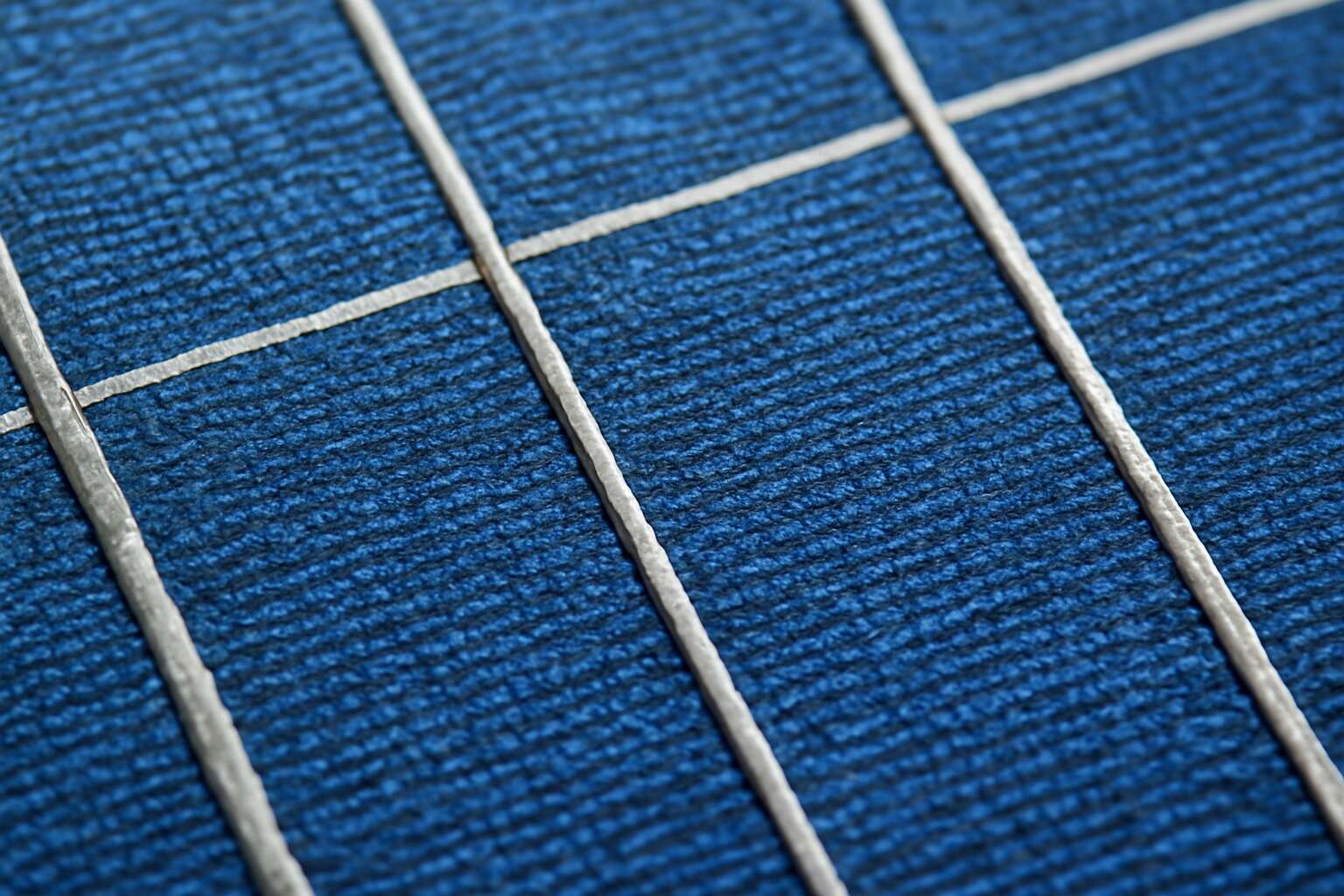
Key materials for photovoltaic panels
Monocrystalline silicon foundations
South Africa basks in some of the world’s highest solar irradiance, turning clear skies into enduring power. In this bright landscape, solar panel material choices matter more than ever. Monocrystalline silicon foundations stand at the core of modern cells, celebrated for efficiency, stability, and space-saving performance.
From the silicon wafer to the outer shield, every layer shields and steers photons into useful current. Key components often include:
- Monocrystalline silicon wafers
- Encapsulant EVA for edge-to-edge sealing
- Tempered glass to resist hail and wear
- Backsheet for insulation and longevity
- Aluminum frame for strength and mounting
In relentless SA sunlight, durability and efficiency hinge on material selection; the future glows with these choices. The solar panel material you deploy shapes performance, resilience, and ROI, helping homes and businesses harvest radiant fortune with grace.
Polycrystalline silicon basics
South Africa’s sun makes for tough math and honest payoff. In the realm of solar panel material, polycrystalline silicon provides a cost-versus-performance balance. Polycrystalline silicon, or multicrystalline silicon, is formed by casting molten silicon into blocks and slicing them into wafers that carry many crystal grains. This grain structure trims waste and keeps prices friendlier than mono, a sensible trade-off for SA rooftop projects.
Here are its core traits:
- Lower production costs and shorter supply chains
- Robust tolerance to high heat and diffuse light
- Solid performance in a range of South African climates
As solar panel material, polycrystalline silicon balances price, reliability, and local demand.
Thin-film material options
South Africa’s sun is a raw material—our rooftops harvest it daily. More than 2,500 peak sun hours a year power a diverse set of panel options beyond silicon, expanding the conversation about solar panel material in practical terms.
- Amorphous silicon (a-Si): lightweight, flexible film with steady heat tolerance
- Cadmium telluride (CdTe): cost-effective, performs well in hot climates
- Copper indium gallium selenide (CIGS): high adaptability, tunable bandgap for varied light
- Perovskite: rapid efficiency gains and potential in tandem configurations
These thin-film materials diversify the landscape, offering new production paths and performance traits for SA projects.
Emerging PV materials
South Africa basks in more than 2,500 peak sun hours a year, a stubborn gold mine of energy. In this solar-rich landscape, solar panel material possibilities stretch far beyond familiar silicon, inviting rooftops to dance with light in new ways.
Emerging PV materials thread a new narrative: organic photovoltaics offer flexibility for curved façades; quantum dot cells promise color-tuned absorption and glass-compatible performance; tandem architectures stack layers to harvest more sunshine, thriving where heat erodes conventional panes.
Consider these emerging formats:
- Organic photovoltaics (OPV): lightweight, flexible, and ideal for curved surfaces.
- Quantum dot PV: nanoscale absorbers with color-tuned response for glass and rooftops.
- Tandem architectures: stacked layers that push beyond single-material limits.
This spectrum of options carves a path for SA projects, offering resilience, aesthetic integration, and enduring return.
Performance and durability of panel materials
Efficiency implications by material
South Africa basks in roughly 2,500 hours of sun each year, and the solar panel material you choose writes the ledger of daily life under that generous sky. I’ve learned performance isn’t just peak numbers but resilience through heat and dust.
Performance and durability hinge on the material’s character: sturdy, light-catching constructs endure and age gracefully; flexible layers bend with heat and wind, yet demand attention to UV exposure and moisture. The most resilient solar panel material resists desert winds, preserves color, and seals against humidity.
- Thermal stability in high temps
- Dust and abrasion resistance
- Moisture and UV resilience
Efficiency implications by material unfold like a landscape: some platforms retain voltage in the fiercest sun, while others excel in diffuse light; emerging PV options promise lighter weight and new forms. The right balance lets solar panel material turn roofs into quiet, radiant stories.
Temperature and aging effects
South Africa’s sun-drenched climate tests a solar panel material far beyond its grille of light. Heat spikes can skew voltage and speed aging, turning optimistic forecasts into fading numbers. The best materials endure the scorch and keep performance steady under the roof’s long watch.
Temperature swings and the march of time shape durability more than a single peak efficiency. The most resilient material expands and contracts without cracking seals or fading color, preserving both output and curb appeal.
- Thermal stability in high temps
- Dust and abrasion resistance
- Moisture and UV resilience
Beyond raw tolerance, the panel’s aging profile matters. The right material locks in reliability as dust, humidity, and sunlight gnaw at lesser options, turning rooftop installations into quiet, lasting stories.
Durability under weather conditions
In South Africa’s sun-drenched climate, the right solar panel material keeps capacity honest when the mercury climbs and shadows shrink. A well-chosen panel material doesn’t just harvest daylight; it preserves steady output through dust, heat spikes, and the occasional cloud break.
Durability under weather conditions isn’t a single feat but a choreography: materials must endure thermal cycling, resist surface wear, and shrug off UV without a hint of color fade. The smart choice balances rigidity with a touch of give, preventing microcracks as roofs endure decades.
From rooftop to boardroom, performance and durability cohere: wind-blown dust, humidity, and heat may roam, but the best options keep the electrical ledger firm and the home’s curb appeal intact.
Degradation pathways and mitigation
On South Africa’s sun-scorched rooftops, the right solar panel material does more than harvest light; it keeps the rhythm of power steady when heat climbs and dust swirls. The glow through midsummer is the true measure of enduring performance!
Degradation pathways are subtle adversaries: UV exposure, moisture ingress, and micro-cracking from daily thermal cycling work at the edges of even the best cells.
- UV exposure — UV-stabilised encapsulants help slow fade and preserve light capture.
- Thermal cycling — flexible interconnects resist micro-cracks and maintain conductivity over years.
- Moisture ingress — edge seals and drainage keep cells dry in rain and humidity.
From Cape Town’s harbor to Soweto’s terraces, this solar panel material translates into decades of confident energy, less maintenance, and a roof that ages gracefully with the sun. Let the light tell a steady story.
Cost and availability
South Africa basks in heavy sun—roughly 2,500 hours of peak sun each year—yet the true test is how the solar panel material holds up when heat climbs and dust swirls. Performance and durability hinge on the craft behind coatings, interconnects, and seals, not just the cells. Let the light tell the story.
- UV-stable encapsulants protecting light capture
- Flexible interconnects resisting micro-cracks
- Edge seals and drainage preventing moisture intrusion
Beyond performance, cost and local availability of solar panel material shape ROI. In South Africa, supply chains, import duties, and regional manufacturers affect delivered price and service—yet local yards and installers keep parts accessible. Availability can vary by region, but bulk orders and long-term warranties tilt the balance toward value.
Manufacturing processes and material choices
Wafer production and silicon purity
Manufacturing processes determine not just yield but the enduring character of solar panel material. In South Africa’s evolving solar supply chain, silicon begins as high-purity feedstock, then threads through crystal growth—where boule quality and lattice uniformity matter—and into wafer slicing with razor-like precision.
- Purity refinement and feedstock preparation
- Crystal growth and boule formation
- Wafering, cleaning, and surface passivation
Wafer production hinges on purity controls: minimal oxygen and carbon, stable dopant levels, and defect-free surfaces. The resulting wafers become the canvas for reliable devices.
Choosing material pathways involves balancing availability, processing energy, and performance. Presented with care, the journey from raw silicon to a finished cell reveals why material choices matter in a South African context!
Thin-film deposition techniques
Light is a ruthless editor; the fate of a solar panel material rests on the precision of its birth! Manufacturing choices shape endurance, efficiency, and the story a panel tells under South African skies.
Thin-film deposition techniques offer a spectrum of possibilities for this material. Magnetron sputtering, chemical vapor deposition (CVD), atomic layer deposition (ALD), and inkjet printing let engineers layer ultrathin films on a variety of substrates, balancing performance with cost and supply realities.
- Magnetron sputtering
- Chemical vapor deposition (CVD)
- Atomic layer deposition (ALD)
- Inkjet printing
Within the South African context, these processes align with local supply chains, energy realities, and site-specific goals. A nuanced path through deposition yields a narrative that is both elegant and enduring.
Module assembly and encapsulation
South Africa enjoys about 2,300 sun hours a year, and the real test is how the solar panel material behaves under load—from rooftop to rack. In module assembly, lamination seals out humidity and dust, while encapsulation keeps the cells singing through temperature swings. The result is a durable, professional-looking pane that tells a confident energy story under the SA sky.
Choosing the right combination matters for long-term uptime and cost. Consider these manufacturing nuances:
- Encapsulation compatibility with the panel stack
- Junction box, glass, and backsheet integration
- Inline QA and accelerated aging tests
Future trends and eco-friendly options in PV materials
Perovskite and tandem cell technologies
Since 2010, the price of solar panel material has fallen by roughly 90%, turning rooftop dreams into practical power. Perovskite and tandem-cell technologies are quietly rewriting efficiency and sustainability, offering high absorption with gentler processing.
Here are eco-friendly paths shaping the horizon:
- Perovskite–silicon tandems pushing higher output per square metre
- Low-temperature deposition and lead-free formulations to reduce environmental footprint
- Recyclable, modular modules designed for easier end-of-life recovery
Africa’s sun-drenched landscapes invite closer consideration of how these advances become practical in SA, reshaping choices and supplier relationships across the module ecosystem.
Cadmium-free alternatives
Global solar costs have fallen about 90% since 2010, turning rooftops into power stations. In South Africa, future trends in solar panel material emphasize cadmium-free options, lower-temperature processing, and end-of-life recyclability—keeping the footprint small as output climbs.
Cadmium-free paths are advancing from labs toward lightweight, durable modules. Here are viable directions:
- CIGS (copper indium gallium selenide) with cadmium-free buffers for robust, recyclable modules
- Organic photovoltaics (OPV) for flexible, low-cost panels that fit irregular spaces
- Dye-sensitized solar cells (DSSC) as cadmium-free options for certain architectural applications
This shift could reshape SA’s supplier relationships and local manufacturing, keeping the grid resilient while lowering environmental risk.
Recycling and lifecycle analysis
Global solar costs have fallen about 90% since 2010, and rooftops are turning homes into power stations. In SA, the solar panel material landscape is shifting toward safer, lower-emission processing and smarter end-of-life recycling—keeping the footprint small even as output climbs.
Lifecycle analysis (LCA) illuminates the improvements gained when modules are designed for disassembly and circular recycling streams, reducing waste and extending value in the local economy.
- Design for disassembly and modular replacement to simplify end-of-life processing
- Adoption of lower-toxicity, recyclable material choices
- Local recycling partnerships and material passports to close the loop
Policy levers, market incentives, and SA manufacturing capabilities will steer adoption!
Thin-film vs crystalline trade-offs
Global solar costs have fallen about 90% since 2010, and in South Africa’s towns and farms, rooftops are quickly becoming power stations. The conversation now centers on the solar panel material that will weather our sun-baked days and stormy nights while keeping the footprint small.
Future choices hinge on the thin-film versus crystalline trade-offs. Thin-film brings versatility for unconventional roofs and lighter weight, often with lower processing energy. Crystalline modules deliver higher peak efficiency in bright sun, delivering more kilowatts per square metre. For rural homes with variable shading, the balance is about reliability, cost, and how easy the system is to recover at end-of-life.
- Lower-toxicity materials and greener encapsulants for safer production
- Design for disassembly and modular replacement to simplify end-of-life processing
- Local recycling partnerships and material passports to close the loop
Eco-friendly manufacturing practices
Global solar costs have fallen about 90% since 2010, and in South Africa’s sun-drenched towns the demand for durable solar panel material grows daily. The next shift hinges on greener choices that cut waste and energy to manufacture.
We’re seeing eco-friendly manufacturing take root: lower-toxicity materials, greener encapsulants, and processes that trim water and energy use. Design for disassembly and modular replacement is gaining traction, while local recycling partnerships and material passports close the loop.
- Lower-toxicity materials
- Modular design for end-of-life
- Local recycling networks and material passports
Looking ahead, the solar panel material landscape will reward safety, modularity, and circular supply chains, turning each rooftop into a cleaner, more reliable energy asset for South Africa.
Market availability and supply chain considerations
Global solar costs have fallen about 90% since 2010, and in sun-drenched South Africa the next frontier hinges on the solar panel material that endures our climate and our communities. The push is toward greener inputs, safer laminates, and supply chains that save water and energy from cradle to rooftop. When material choices align with local needs, a rooftop becomes a steadfast partner in daily life, not just a yard full of panels.
- Localized supply hubs and shorter transport routes
- Modular, upgrade-ready designs for easier end-of-life management
- Material passports and transparent recycling streams
In terms of market availability and the broader supply chain, South Africa benefits from regional collaboration, diversified sources, and predictable, low-toxicity inputs that weather price swings. Strong partnerships with recyclers and manufacturers can cushion shocks, keeping energy assets reliable for homeowners, farms, and rural clinics alike.


0 Comments