Foundations of Solar Technologies
Solar panels: types and how they work
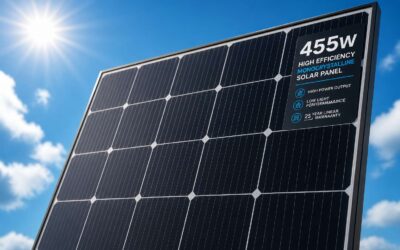
South Africa basks in sunlight, turning rooftops into power stations. The sun delivers more energy to Earth in an hour than humanity uses in a year! Foundations of Solar Technologies begin with solar panels—the glass-and-silicon gates that harvest photons and spark electrons into motion. They come in three broad flavors, each with a different balance of efficiency, cost, and form factor.
- Monocrystalline: compact, high efficiency
- Polycrystalline: robust, cost-conscious
- Thin-film: flexible, lightweight
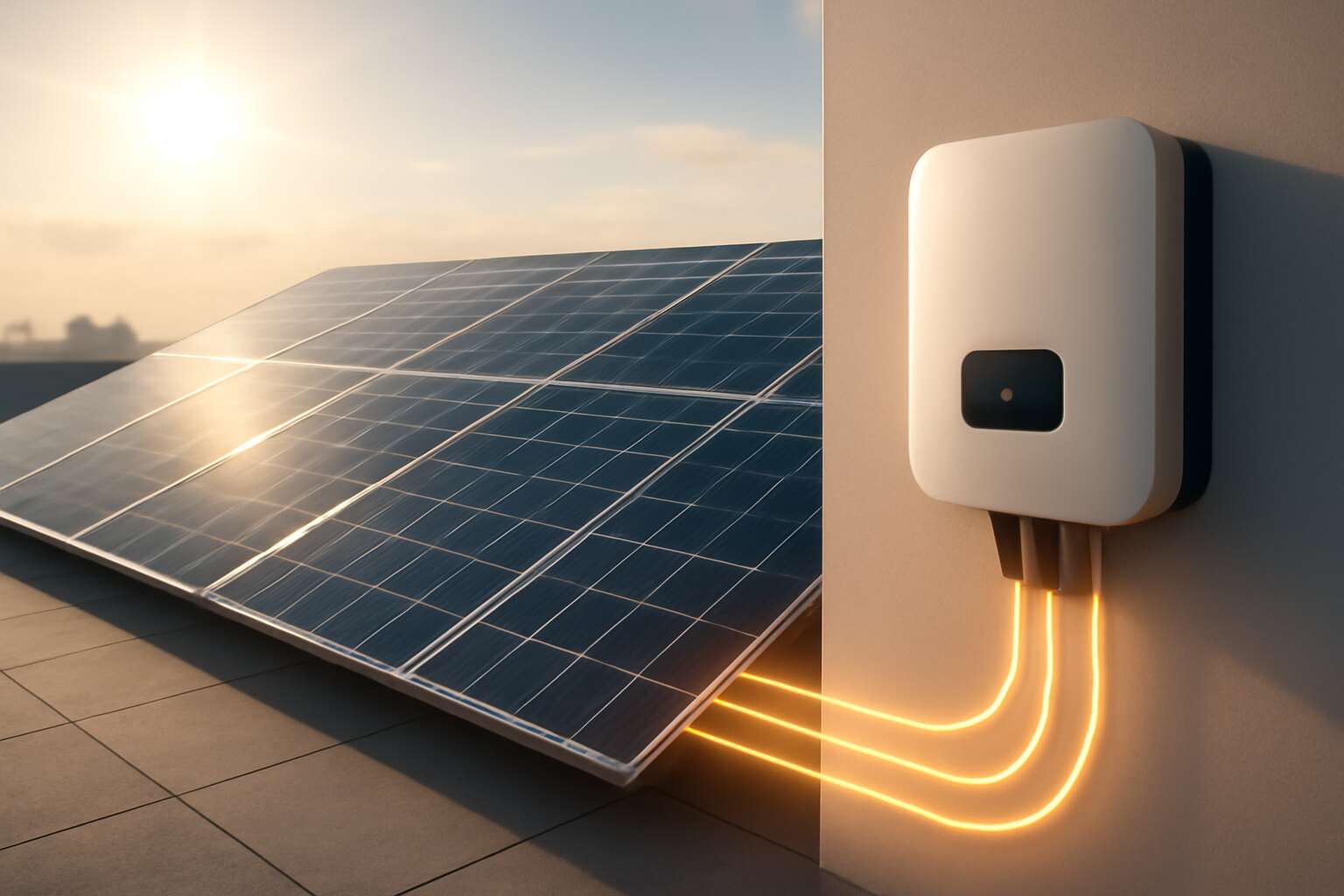
Inside each panel, photons excite semiconductors, producing a photovoltaic effect that yields direct current. An inverter translates this DC into alternating current for homes and businesses; in South Africa, many systems mesh with the grid while offering resilience during outages.
In the solar panel vs inverter equation, harvesters meet translators: panels collect daylight, inverters speak the language of the grid and appliances. The interplay shapes durability, maintenance needs, and how storage fits into a local energy plan.
Inverters: purpose and major types
On a bright South African afternoon, sunlight pours onto rooftops in patterns that could power a village; peak flux hovers around 1,000 watts per square meter. In the solar panel vs inverter conversation, the inverter acts as translator, turning the DC current captured by panels into the AC that lights rooms and powers the kettle.
Foundations of Solar Technologies Inverters come in several major types with distinct personalities.
- String inverters
- Microinverters
- Power optimizers
- Hybrid inverters
In the SA context, each type balances efficiency, monitoring, and storage compatibility, shaping how well a system handles shade, grid interaction, and future upgrades.
For homes facing outages and rising grid pressures, the right inverter is the quiet backbone—offering resilience, modest maintenance, and a clear path to integrating storage with daytime surplus.
System architecture: from PV array to main service panel
On a bright Cape afternoon, the sun writes energy into the air and rooftops glow with possibility. In SA, rooftop solar can trim monthly power bills by up to 40% on sunny days, turning a simple array into a reliable home power plant. I see the story start with system architecture—the route from PV harvest to the main service panel!
From the PV array, DC current travels through safety devices to a conversion point. I notice the choice of inverter type—string, microinverter, or hybrid—transforms that DC into clean AC, ready to feed circuits, charge storage, and seamlessly tie into the house’s distribution panel. Keeping this flow steady is the aim!
In the South African context, shade, grid pressures, and storage readiness shape this simple chain. The solar panel vs inverter question softens when architecture supports reliability, monitoring, and daytime surplus that can grow with future upgrades.
Cost, ROI, and Financial Considerations
Upfront costs and financing options
When weighing solar panel vs inverter, cost becomes a bright paradox: the upfront outlay versus long, luminous savings. In sunny South Africa, a properly sized system tips the scales toward energy independence and calmer monthly bills.
Upfront costs cover hardware and skilled installation; the inverter’s price can steer the total, yet ROI is born from sun hours, tariff structures, and maintenance. The faster the system offsets grid use, the shorter the payback and the deeper the financial sense—this is the heart of solar panel vs inverter.
Financing options can ease the ascent. Consider these routes:
- Cash purchase for the lowest lifetime cost
- Bank or retailer finance with fixed terms
- Power purchase agreements or leases
The choice, in the end, is a balance of timing, trust, and opportunity, all penned in the language of Cost and ROI.
Incentives, rebates, and tax credits
Cost is a compass that guides the solar panel vs inverter conversation. The upfront price covers hardware and installation, but the balance of system and inverter efficiency tint the final figure. In sun-drenched South Africa, the right sizing translates into steadier bills and a smoother ride toward energy independence!
ROI blooms when sunny hours meet clever design. I’ve seen that the faster your system offsets grid use, the quicker the payback—and the clearer the advantage of the solar panel vs inverter balance in your home. Tariffs, maintenance, and ambient weather co-author the final yield.
Financial considerations—incentives, rebates, and tax credits—can tilt the balance in subtle, luminous ways. Consider these avenues:
- Municipal rebates and net-metering programs
- Tax incentives or depreciation opportunities
- Financing options and payment structures
Together with careful sizing, these glow-well options may shorten the arc from installation to savings.
Long-term savings and payback period
Cost acts as a compass in the solar panel vs inverter dialogue, where the upfront price covers hardware and installation, yet the balance of system and inverter efficiency tilts the final tally. In South Africa’s sun-drenched towns, thoughtful sizing translates into steadier bills and energy independence.
- Upfront investment vs long-term savings balance
- Balance of system components and inverter quality
- Ongoing maintenance costs and system aging
ROI blooms when sunny hours meet clever design. I’ve found that faster grid offset shortens payback and clarifies the edge of a well-matched solar solution for a home. Tariffs, weather, and maintenance co-author the final yield.
Financial considerations—incentives, rebates, and tax credits—tilt the balance in subtle, luminous ways. Consider municipal rebates and net-metering programs, depreciation opportunities, and flexible financing options. Together with careful sizing, these avenues may shorten the arc from installation to savings.
Warranty, maintenance, and replacement costs
Rooftop resilience pays back with patience. In South Africa’s sun-drenched towns, a well-designed system slowly earns its keep, eroding bill shocks and adding energy independence. The cost story isn’t only the sticker price; warranty length, replacement cycles, and ongoing upkeep tilt the total. In the solar panel vs inverter debate, hardware quality matters, but timing matters just as much—panels often carry 25-year warranties; inverters typically 10 to 15 years, with eventual replacement looming as the system ages!
Beyond the initial outlay, maintenance and replacement costs shape the long game. Consider the inverter’s life cycle, the potential for degraded performance, and routine checks that prevent efficiency losses.
- Inverter replacement timing and cost (roughly every 10–15 years, depending on load and quality)
- Panel cleaning and degradation losses that erode output in dusty SA towns
- Aging components and warranty gaps that can affect future protections
ROI stays steady when design matches sun hours with tariff realities. With diligent upkeep, the system maintains reliable output, reducing surprises and keeping the path from installation to savings clearly lit!
Performance, Efficiency, and Site Assessment
Shading, orientation, and installation angle
The sun doesn’t negotiate; it delivers, and performance follows. In the solar panel vs inverter conversation, performance is the result of how well the modules and the conversion stage work as a single system. When components harmonize, energy flows with a quiet, almost inevitable certainty.
Efficiency isn’t just watts; it’s how consistently those watts arrive. In the solar panel vs inverter equation, efficiency depends on heat, mismatch handling, and the quality of the electrical paths.
- module temperature response
- inverter efficiency under load
Site assessment—shading, orientation, and installation angle—decides how much sun your setup can truly greet. In South Africa’s bright climate, even slight shadow or a stubborn tilt can skew results, reminding us that space and light are partners, not adversaries.
Panel efficiency and rating standards
The sun doesn’t negotiate; it delivers—one degree of tilt can swing a day’s worth of kilowatts in South Africa’s blazing climate. Performance in the solar panel vs inverter debate is the quiet arithmetic of light meeting hardware. When modules and the conversion stage harmonize, watts arrive with calm, predictable rhythm—yet heat, mismatch, and wiring paths can rewrite the score.
Efficiency isn’t merely watts; it’s consistency. Module temperature response and inverter efficiency under load determine how much energy your system savors rather than loses.
- Module temperature response
- Inverter efficiency under load
- Quality of electrical paths
Site assessment decides how much sun your setup truly greets. In South Africa’s bright climate, even a stray shadow or a stubborn tilt can skew results, reminding us that panel efficiency and rating standards—IEC 61215 and related safety specs—keep expectations honest against real-world light.
Inverter efficiency, sizing, and MPPT considerations
In South Africa, a neat 1 kW setup can spit out roughly 4–6 kWh on a sunny day—a stat that makes the meters smile. That’s the heart of the solar panel vs inverter conversation: performance is the quiet math where light meets hardware.
Efficiency isn’t merely watts; it’s consistency. Module temperature response and inverter efficiency under load decide how much energy you savor. A well-matched pairing reduces heat losses and keeps volts steady.
- MPPT tracking across irradiance changes
- Inverter sizing to prevent clipping
- Quality electrical paths reduce losses
Site assessment decides how much sun your setup truly greets. In SA’s bright climate, stray shadows or tilt can skew results, reminding us that real-world output lives beyond the spec sheet.
Seasonal and climate effects on performance
In the solar panel vs inverter conversation, performance is the sun’s strict ledger. Midday in SA can pour power from a neatly arranged array, but the real measure is the steady hum of output—reliable, predictable, and kind to the meter!
Efficiency is more than peak watts; it is consistency under heat and load. Module temperature response and inverter efficiency under duty cycle determine how much energy you really savor. A well-matched pairing curbs heat losses and keeps the system singing.
Site Assessment Seasonal and climate effects on performance: In South Africa, seasonal sun angles and local climate quietly rewrite the numbers. Stray shadows, tilt, and dust alter irradiance; real-world output lives beyond the spec sheet, unfolding with each bite of light through the year.
System Design Scenarios and Use Cases
Residential solar design considerations
Sunlight pours over South Africa, and tariffs climb, with household bills rising year after year, turning energy into a fortress. The design question shifts from gadget specs to how a home uses power from dawn to dusk. The dialogue between solar panel vs inverter is a roadmap for resilience.
Residential design must respect roof space, shading, and local rules. For compact city rooftops, microinverters can smooth shade and capture every ray; for larger homes with sunlit exposures, central inverters with smart sizing deliver steady daytime yields!
- Urban rooftops with partial shading and limited space
- Homes facing regular outage cycles needing reliable daytime energy
- Families with morning peaks and evening wind-downs
Across these scenes, the choice between solar panel vs inverter becomes a question of rhythm and need, not brand names. By imagining daily routines—the kettle, the washing, the fridge—designers weave a system that turns sun into a trusted ally.
Commercial and industrial deployment patterns
Sunlight is a ruthless yet generous partner in commerce. As one veteran SA engineer likes to remind colleagues, “The sun doesn’t watch the clock.” In commercial realms, the question often narrows to solar panel vs inverter—the device that best aligns generation with daytime demand.
Key patterns include:
- Warehouses and distribution centers seeking reliable daytime cooling and lighting
- Retail complexes and car parks where canopy shading and space reuse matter
- Light manufacturing and processing plants with steady daytime loads
- Data centers and telecom hubs needing robust monitoring and uptime
Deployment patterns favour modular, scalable configurations that adapt to load profiles rather than chasing gadgets; the best bets balance the pairing with site geometry, canopy options, and grid rules. When a system respects rhythm over branding, the pairing becomes a practical choice.
Storage integration and hybrid systems
The sun never clocks in, so grid-ready systems must ride the daytime load. In South Africa, storage integration is not a luxury; it’s a shield against tariffs and outages. System Design Scenarios hinge on whether you stack batteries with PV or blend solar with existing generation. When you pair for hybrid operation, you unlock resilience for warehouses, data centers, and retail canopies. In this framing, the question often narrows to solar panel vs inverter—who orchestrates the rhythm of daytime demand.
- Storage-integrated, battery-first designs that shave peak loads and offer fast response during outages.
- Hybrid configurations that combine PV, storage, and a back-up generator or grid-tied backbone to balance storms and tariffs.
Site geometry, canopy options, and grid rules shape the pairing more than gadget metrics. Storage and hybrid configurations let you shift from chasing components to orchestrating the day’s energy rhythm—without forcing a one-size-fits-all answer.
Grid-tied versus off-grid configurations
The sun never clocks out, but power prices do. In South Africa, grid instability makes the choice between grid-tied and off-grid less about gadgetry and more about resilience. When you weigh solar panel vs inverter, you’re really balancing daytime demand, tariffs, and outages on the same stage.
Grid-tied configurations let you dance with the grid — you draw in daytime, export surplus, and ride tariff structures. I see these setups offering clear economic clarity for sunny hours.
- Net metering or tariffs with favorable returns
- Lower upfront hardware costs
- Access to grid services during sunny hours
Off-grid or hybrid designs store energy for equalization, offering fast response during outages and unmatched resilience for warehouses or data centers. In practice, I’ve watched the debate between solar panel vs inverter shift from gadgetry to orchestrating the day.
Retrofits and upgrades for existing properties
“Sunlight is the only utility that never clocks out,” a designer once quipped, and South Africa proves the point daily. System design for existing properties now hinges on how you balance daytime demand, tariffs, and outages on the same stage when you weigh solar panel vs inverter. Retrofits chase efficiency without turning a home into a gadget showroom, stitching new hardware into familiar walls and circuits.
- Roof shading and orientation managed with panel grouping and microinverters for tight urban roofs
- Battery-ready inverters that gracefully swap to storage during outages
- Grid-interactive layouts that adapt to tariffs, shaving daytime peaks and easing service loads
- Expandable designs that accept extra panels or storage as costs and policies evolve
For retrofits and upgrades, the real art is orchestration: aligning old wiring, modern inverters, and the inevitable policy shifts with a calm, almost theatrical confidence. This is resilience as design, not a gadget spree—read as a well-timed performance rather than a garage sale of gadgets.

0 Comments