Understanding 300W solar panels
What does 300W mean in a solar panel
On South Africa’s sun-drenched mornings, a single solar panel 300w speaks volumes with a quiet, relentless voice. A sunny day can coax roughly 1.5 kWh from that modest frame, enough to illuminate a fridge, recharge devices, and still leave a sigh in the roofline. Understanding its reach means tracing the geometry of light into usable energy.
To translate watts into everyday reality, consider these facets:
- Peak power output under optimal sunlight
- System compatibility with inverters and storage
- Durability for a SA climate: heat, dust, and humidity
From panels to roofs, those numbers become a steady current of possibility.
Key specifications to look for when evaluating 300W modules
In South Africa, a solar panel 300w isn’t flashy, but it’s a stubborn stake in the rooftop that pays off day after day. Quietly efficient, it can power a fridge, charge devices, and leave room for future expansion on a bright morning!
For a solar panel 300w, key specifications translate into practical expectations. Look for peak power under standard test conditions, the voltage at maximum power (Vmp) and current (Imp), and how the module behaves with rising temperature.
- Pmax tolerance and rated output (how close the real world is to the nameplate)
- Voc and Isc values to map wiring and series connections
- Temperature coefficient and expected performance in heat
- Durability features and warranty coverage
Durability in SA climates matters—the frame, junction box, and dust resistance all play a role in long-term reliability. Choose a module that aligns with your inverter and mounting setup to ensure steady current across seasons.
How 300W compares to other common sizes in solar installations
Understanding 300W solar panels means spotting balance on a SA rooftop. A single unit delivers solid daily power with a compact footprint, making it a practical choice for homes and small offices alike. A solar panel 300w is a practical sweet spot.
Compared with 250W modules, the 300W panel offers more power without a dramatic rise in mounting area. Against 350W units, you may need fewer panels to reach the same daily yield, though roof space per watt climbs a little.
In South Africa, sunny days tilt the odds in favor of good returns, and a 300W setup pairs well with common inverters and mounting options. It’s a reliable backbone that scales as needs grow.
Ideal installation scenarios for 300W panels
South Africa’s sun is a relentless ally, and rooftops here hold quiet power. On average, the sun graces the country with well over 2,000 hours of usable daylight each year. A solar panel 300w emerges as a pragmatic workhorse—compact enough for tight urban roofs yet capable of delivering meaningful daytime energy. The country’s abundant sunlight translates these modest units into tangible returns, turning patience into watts with every clear day.
Ideal installation scenarios for 300W panels include modest homes, small offices, and remote sheds where space is premium and shading minimal. North-facing or slightly east/west rooftops with a tilt close to local latitude maximise annual yield. A 300W module also fits neatly under standard inverters and mounting systems, offering a scalable backbone for evolving energy needs.
- Urban rooftops with limited space
- Small commercial storefronts needing quick returns
- Outbuildings and carport canopies
Technical performance and efficiency
Efficiency ranges for 300W modules and what they imply
The sun on a rooftop is a surprisingly punctual partner, and the maxim goes: “The sun is Africa’s most reliable energy partner.” A solar panel 300w often proves it. In the South African context, technical performance and efficiency still matter—more watts per sunlit metre means more value from a compact footprint.
Efficiency ranges for 300W modules typically sit in the high teens to low twenties, translating to roughly 1.6–1.9 square metres of area under standard testing conditions. Temperature coefficient and shading can shave output quickly, so the real-world performance may drift from lab numbers.
- Cell technology (mono- vs. polycrystalline)
- Temperature effects and cooling
- Shading and soiling
- Angle of incidence and orientation
For solar panel 300w options, the beauty lies in how modest capacity can still deliver meaningful solar grid independence when matched to space and climate. In SA, this translates to reliable daytime generation across seasons, even as efficiency ticks up with better materials.
Impact of cell type on performance in 300W panels
Across the solar frontier, the cell type inside a solar panel 300w scripts its fate. Mono-crystalline cells drink sunlight with lean elegance, yielding higher efficiency and tighter footprints. Polycrystalline cells, by contrast, favor cost and warmth resilience, trading a sliver of gain for breadth of charm. For a solar panel 300w, the choice matters when space is scarce and daylight is precious.
Under the SA sun, real-world conditions tilt the balance. Temperature, shading, and angle of incidence shape what the panel can deliver. Key differences unfold as:
- Mono-crystalline often delivers the strongest output per square metre, boosting a solar panel 300w output in tight layouts.
- Poly-crystalline tends to offer a friendlier price-to-performance curve, with slightly lower peak efficiency but robust daytime yield.
- Advanced designs, like PERC variants, can edge performance upward, especially in bright, warm months.
Thus, cell technology becomes a compass for compact, reliable solar arrays in South Africa, where the sun is bright and days vary. The right mix can turn a modest 300W module into steady daytime generation, a daylight champion against the grid!
Temperature and irradiance effects on output for 300W systems
South Africa’s sun is relentless and rewarding—4 to 6 kWh per square metre daily. For a solar panel 300w, that difference between a sunny afternoon and a hazy noon matters in real kilowatt hours. Technical performance rides on two forces: temperature and irradiance.
Temperature and irradiance tug the panel’s output in opposite directions. In a 300W setup, watch these:
- Temperature drags voltage, trimming peak watts on hot days.
- Irradiance pumps current; more sun means more electrons, up to the module limit.
- Angle of incidence and shading dramatically affect real-world yield.
In SA, the right siting and cell choice keep a 300W unit humming through seasonal swings. With the sun as partner, a solar panel 300w can deliver steady daytime generation, even when clouds drift by.
Voltage, current, and power characteristics in 300W configurations
In SA’s solar reality, real wattage can swing by up to 30% through the day. Technical performance in a solar panel 300w hinges on how voltage and current respond to sun and heat. The open-circuit voltage drifts with temperature, while irradiance pushes current—so watts ride the IV curve from dawn to noon. That 300w label is a peak, not a promise.
- Voltage characteristics: VOC and Vmp anchor the maximum power point and define operation as temperatures swing.
- Current characteristics: Isc and Imp scale with irradiance, driving watts higher as daylight intensifies.
- Power characteristics: Pmp and fill factor describe how closely the curve matches ideal efficiency for the solar panel 300w.
In South Africa, MPPT pursues the IV curve’s sweet spot, keeping 300W-class modules steady during seasonal swings and cloud drifts.
Durability and reliability
Weather resistance, certifications, and suitability for harsh climates
South Africa’s sun is relentless, and the solar panel 300w rises to meet it! With more than 2,000 hours of sunshine each year, durability isn’t optional—it’s a necessity that translates into steady, predictable power even during outages.
Weather resistance is the quiet hero here: tempered glass protects the cells, a robust anodised frame resists corrosion, and sealants guard against dust, humidity, and sudden showers. In harsh climates, modules must endure heat cycling, wind, and hail, and this is where engineering fidelity shows its mettle.
Certifications provide a trusted benchmark:
- IEC 61215 crystalline module standard
- IEC 61730 safety qualification
- SABS certification for South Africa
For coastal zones and inland deserts alike, the resilience translates to longer service life and better return on investment, because reliability reduces downtime.
Degradation rates and warranty expectations for 300W panels
Durability in a solar panel 300w isn’t a gimmick; it’s a financial safeguard. On rooftops across South Africa, reliable output translates into steadier bills and fewer outages, as the sun bears down with relentless intensity.
Degradation rates for modern crystalline modules linger around 0.3–0.7% per year. Over 20–25 years, that means a modest drop—roughly 6–15% of peak output—before environmental realities and maintenance come into play.
- Typical annual degradation rate: 0.3–0.7% per year
- Product warranty: commonly around 12 years
- Performance warranty: often 25 years, guaranteeing a minimum output level
Warranty expectations mirror the investment: a robust product warranty paired with a long-term performance guarantee provide confidence for households and businesses alike in SA, translating to longer service life and steadier returns.
Installation considerations to maximize longevity of 300W modules
South Africa’s rooftop solar market surged 28% last year, and the solar panel 300w category led the way in reliability. On sun-drenched roofs, durability isn’t a gimmick; it’s a financial shield. The sun’s intensity translates into steadier bills and fewer outages, even as weather tests the system.
To maximize longevity, consider how the module is mounted, wired, and sheltered from SA’s harsh climate. The frame, seals, and junction boxes should speak to durable engineering.
- Corrosion-resistant frames and hardware for coastal climates
- Sealing and IP-rated junction boxes to deter moisture
- Ventilation to prevent heat buildup and hot spots
- UV-resistant cabling with robust strain relief
Smart choices here ripple through warranty and real-world output. Modules built for SA’s temperature swings and irradiance patterns maintain a high, dependable performance from dawn to dusk, keeping the panel in prime form for decades.
Cleaning, maintenance, and lifecycle care for 300W solar panels
Rooftop resilience in SA isn’t about glitter—it’s about keeping the sun from turning into a bill shock! In South Africa, rooftop solar installations climbed 28% last year, and the solar panel 300w category earned a reputation for steady reliability. On sun-drenched roofs, durability isn’t a gimmick; it’s a financial shield. The path to long life starts with design that shrugs off heat, wind, and dust, preserving performance from dawn to dusk.
To support this longevity, focus on the big-picture upkeep rather than quick fixes. Here are high-level considerations for lifecycle care:
- Regular visual inspections to spot corrosion, loose fixings, or seal wear that could invite moisture and heat buildup.
- Monitoring performance trends to detect gradual output declines and flag when professional checks are warranted.
- Engaging qualified technicians for periodic maintenance, especially in coastal or dusty environments where salt spray and grit accelerate wear.
With mindful lifecycle care, this solar panel 300w keeps its edge for decades, turning bright irradiance into dependable savings.
Applications and use cases
Residential off-grid and on-grid setups using 300W panels
Residential off-grid dreams meet practical reality with compact modules that fit on tight South African rooftops and corrugated iron sheds. In a country where load shedding can strike during supper, a small system can keep fans, lights, and Wi‑Fi humming. The 300W class shines in on-grid homes as a supplementary source or in micro‑units and granny flats, delivering steady daytime power without the drama.
- Rooftop homes with on-grid backups for evenings
- Remote off-grid cabins and farmworkers’ dwellings
- Small offices, sheds, and caravans with portable power needs
Used correctly, a solar panel 300w setup can extend energy independence from single-family homes to compact commercial sites, especially when paired with a modest battery bank and a smart inverter. It’s economical, scalable, and surprisingly chatty with the sun in South Africa.
Commercial rooftop installations and 300W deployment strategies
Across South Africa’s commercial rooftops, a solar panel 300w is more than a module—it’s a reliable daytime power partner. Warehouses, retail centers, and clinics discover that compact, modular units slot into tight spaces and budgets, delivering steady output during peak sun hours and easing pressure on the grid.
Deployment strategies for commercial rooftop projects with 300W modules hinge on modularity, smart wiring, and robust mounting.
- Maximize usable area with modular strings configured for the available roof footprint.
- Use shading-aware layouts and correct tilt to align with the South African sun path.
- Pair with a weather-ready inverter and weatherproof cabling to ensure long lifespans in SA climates.
These approaches keep installations economical, scalable, and ready for grid-tied or hybrid operation, translating daylight into dependable daytime power for commercial spaces.
Portable and temporary setups with 300W modules
Portable power isn’t a luxury—it’s a business partner. A solar panel 300w sits discreetly on a trailer roof or market tent and still leaves room for branding. Across South Africa, that compact reliability trims diesel burn, keeps lights on through peak sun, and proves you don’t need a generator to feel heroic.
- Markets, pop-up eateries, and roadside stalls that crave quiet, reliable power
- Film sets, photo shoots, and portable production offices on location
- Rural clinics and emergency kits where mains access is scarce
From festivals to field clinics, these portable setups turn daylight into dependable daytime power without fuss, letting crews chase opportunities rather than outlets.
Off-grid microgrids and remote power solutions with 300W panels
Across South Africa’s rural heartlands, daylight is more than a gift—it’s a scalable resource. Industry observers note that reliable off-grid microgrids could dramatically cut diesel use in remote zones. A solar panel 300w sits quietly on a shed roof or a field hut, feeding energy into storage so pumps and lights survive the night!
Off-grid microgrids built with 300W modules blend into a broader, resilient grid: modular, scalable, and gentler on the land. In my experience, they empower clinics, farms, and research posts where mains access is scarce.
- Rural clinics and emergency kits where mains access is scarce
- Mobile production camps, field research stations, and agricultural operations
- Remote filming locations and pop-up workspaces that demand dependable daytime power
In practice, this modular approach translates daylight into dependable power across the veld.
Pricing, ROI, and financing
Cost per watt for 300W solar panels and total system costs
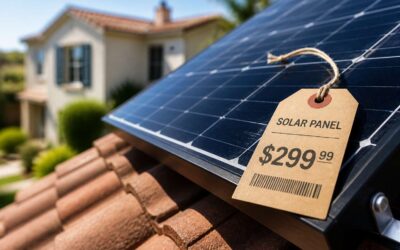
Pricing for a solar panel 300w setup in South Africa blends ambition with practicality. A lone module is only part of the equation; the total system cost hinges on BOS, inverter, and installation. The 300w package suits tight roofs and compact off-grid nooks, delivering efficient solar charm!
- Cost per watt installed for a 300w system in SA often sits around R18–R28 per watt, based on BOS and roof access.
- Financing options include cash, bank loans, and solar financing plans with fixed terms.
ROI depends on usage and grid tariffs; many households notice payback when solar production meets high daytime demand, turning upfront costs into enduring savings and a steadier, greener pocketbook.
Financing options, incentives, and rebates for 300W installations
Pricing for a solar panel 300w package in SA sits around R18–R28 per watt when you factor BOS, inverter, and installation. A lone module is a charity case; the full system is the chorus, and rooftop access can tilt the finale.
ROI hinges on how you use power and the local tariffs; many South Africans observe payback when daytime production coincides with peak use, turning upfront costs into ongoing savings and a greener pocketbook.
- Cash upfront
- Bank loans tailored for solar
- Solar financing plans with fixed terms
Incentives and rebates vary by municipality and program; some schemes offer VAT considerations, import duties relief, and energy-efficiency grants—check local portals for current offerings.
Calculating payback period and return on investment for 300W setups
Rooftop sun in South Africa isn’t a luxury—it’s a utility. A solar panel 300w package sits around R18–R28 per watt when you factor BOS, inverter, and installation. A lone module is a note; the full system becomes the chorus powering daytime loads and tamping tariff spikes.
ROI depends on how you use power and the local tariffs. When daytime production lines up with peak use, upfront costs convert to ongoing savings and a greener pocketbook. For a typical 300W setup, payback often travels into the 4–8 year window, depending on sun and tariffs.
Financing options cover cash upfront, bank loans tailored for solar, and fixed-term plans. Incentives vary by municipality; some schemes offer VAT relief, import duties relief, and energy-efficiency grants. These offsets can shorten the return horizon and strengthen the case for investing in solar.
Warranty, maintenance costs, and total ownership value for 300W panels
Rooftop sun is rewriting South Africa’s energy bill. “Solar is the new utility,” a seasoned installer likes to say. A solar panel 300w kit, with BOS, inverter, and install, signals true value, not just a module.
ROI hinges on timing; daytime production during peak tariffs accelerates savings. For a solar panel 300w setup in SA, payback often lands in the 4–8 year window, depending on sun and rates.
- Cash upfront
- Bank solar loan
- Fixed-term financing
Financing options span cash, bank loans tailored for solar, and fixed-term plans. Municipal incentives vary; VAT relief and energy grants can shorten the horizon and strengthen the total ownership value.
Warranties cover panels and inverters, often 10–25 years for the module and 5–12 for the inverter. Maintenance is modest: occasional cleaning and checks protect output and extend total ownership value.
Buying guide and installation tips
What to check before buying a 300W panel
South Africa basks in generous sunshine, with peak sun hours often in the four-to-six range. That makes a solar panel 300w feel less like a gadget and more like a compact power plant for a shed, caravan, or off-grid hideaway. When buying, demand reliability, a solid warranty, and real-world output rather than glossy marketing fluff.
What to check before buying a solar panel 300w? These fundamentals matter:
- Warranty length and expected degradation
- Certifications (IEC/UL) and tested conditions (STC/PTC)
- Voltage and current compatibility with your inverter
- Weather resistance and suitable mounting options for SA climates
Getting these right helps ensure predictable performance and value for money.
Installation considerations should reflect local realities: how the panel sits in sun versus shade, exposure to coastal corrosion, and whether your mounting supports future expansion. The right 300w choice pairs well with your system’s voltage, wiring, and protection devices, keeping SA households powered when the skies turn dramatic.
Matching 300W panels with inverters, mounting hardware, and racking
Installation best practices to optimize performance of 300W modules
Across South Africa, the sun is a near-constant co-star in homes and businesses, turning bright days into tangible savings. A well-chosen solar panel 300w can transform a modest roof into a dependable power ally, delivering steady output when it’s most needed.
For a buying guide, focus on durability and frame integrity, reliable junction boxes, and a favorable temperature coefficient. Performance under partial shade, robust warranties, and credible certifications (IEC/UL) matter more than glossy brochures. Factor in inverter compatibility, mounting options, and local incentives that sweeten the deal. In my experience, a well-chosen kit can turn a simple roof into a power hub!
- Orientation and tilt tailored to your site
- Shade assessment to prevent hot spots
- Corrosion-resistant connectors and hardware
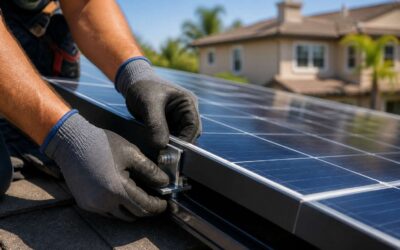
Installation best practices emphasize secure mounting, clean cabling, and thoughtful routing. In SA’s varied climates, select UV-rated components and commission via a professional — a small premium that protects long-term output and longevity.
Safety considerations, certifications, and regulatory compliance for 300W installs
South Africa’s rooftop solar scene is booming, with double-digit growth last year translating into more reliable power for homes and businesses. The right choice of equipment can deliver steady output when the sun is brightest.
Safety, certifications, and regulatory compliance are non-negotiable. Look for IEC/UL marks, sturdy junction boxes, and corrosion-resistant hardware. For a solar panel 300w install, ensure wiring, fusing, and mounting meet SANS 10142-1 and local permit requirements.
Consider these essentials:
- Certifications: IEC/UL marks confirm performance and safety.
- Weatherproofing: IP ratings and UV-rated components guard against SA climate.
- Regulatory compliance: SANS 10142-1, municipal permissions, and grid-connection rules.
- Electrical protection: proper junction boxes, fuses, and safe cable routing.
These safeguards help protect long-term output and align with credible standards for installations.
Where to buy and how to choose reputable brands for 300W panels
Markets shift fast, but reliability endures. In South Africa’s evolving solar landscape, a thoughtful purchase avoids disappointment. For a solar panel 300w, reputations matter as much as ratings: look beyond the peak wattage to a brand with proven field performance and solid local support.
Where to buy: established solar retailers, authorized distributors, and OEM partners. How to choose reputable brands: check certifications, warranty terms, service networks, and transparent performance data. A carefully chosen supplier in SA means parts availability and local installer compatibility.
- Authorized distributors and local service coverage
- Clear warranty terms and responsiveness
- Independent performance ratings and real-world data
- Alignment with SANS, IEC/UL certifications
Keep an eye on post-purchase care; even the best module needs support.

0 Comments