
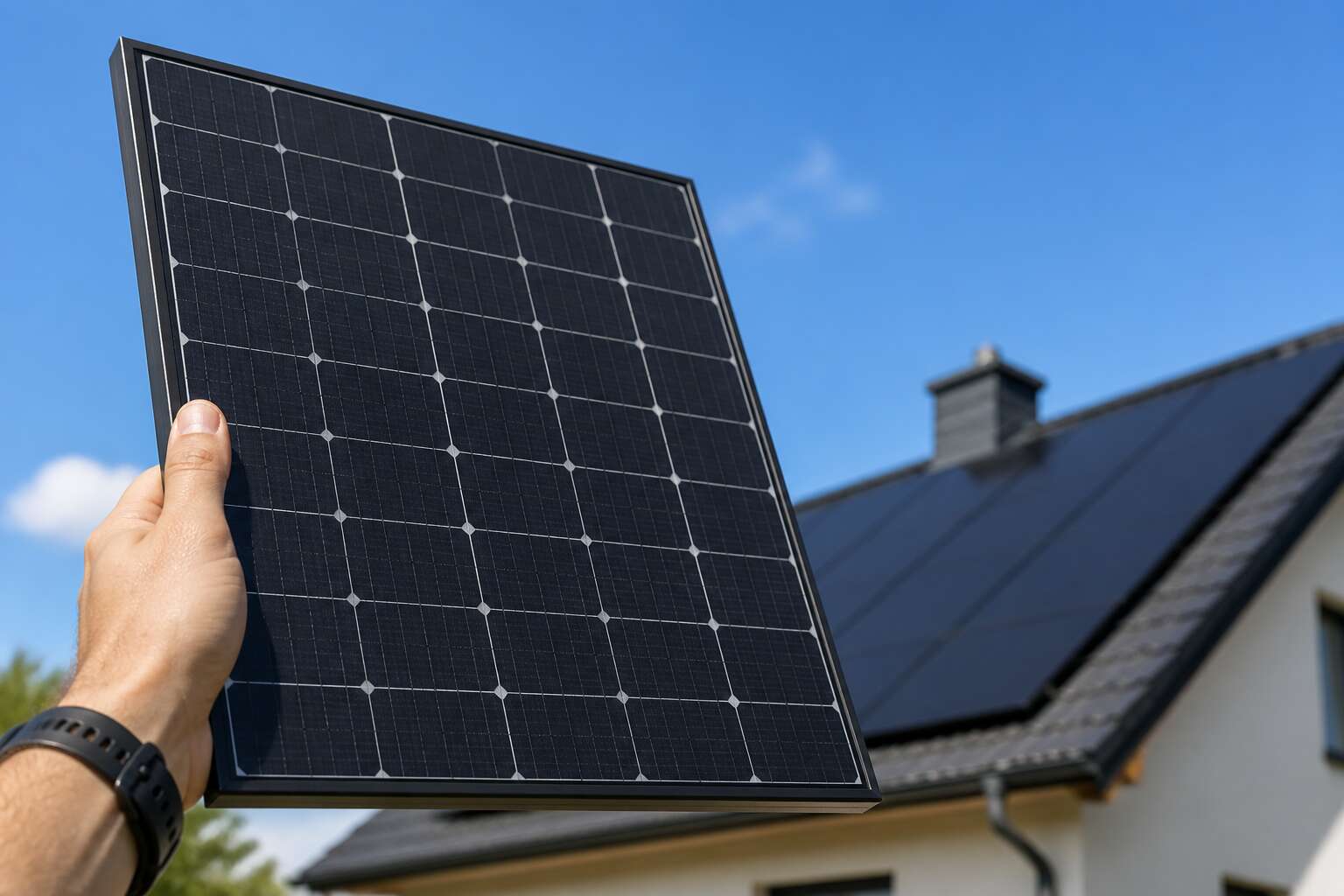
Assessing Your Household Energy Requirements
Calculating Your Average Daily Electricity Consumption
South African households typically consume around 900 kWh per month, yet your own number could be far lower or significantly higher. To assess your energy requirements, start by gathering twelve months of electricity bills and identifying every appliance in your home.
- Refrigerator and freezer
- Geyser or water heater
- Stove and oven
- Washing machine and dishwasher
- Lighting and electronics
Each item carries a wattage rating and an estimated daily runtime. Multiply these together, sum the results, and you have your average daily electricity consumption in kWh! I have seen homes double their expected usage after including a pool pump. This figure becomes the foundation for selecting what solar panel to buy, since your array must generate enough to cover that load on overcast days too.
Analyzing Peak Sunlight Hours in Your Region
Assessing your household energy requirements means understanding when you use power, not only how much. The morning kettle, the evening geyser, the weekend pool pump create spikes that your inverter must survive. In my experience, a home using 30 kWh daily may still need an 8 kW surge capacity. This nuance changes what solar panel to buy.
- Morning load between 6am and 8am
- Evening load between 5pm and 9pm
- Seasonal heating or cooling demands
Then analyze peak sunlight hours in your region. South Africa receives between 4.5 and 6 peak sun hours daily, varying by province and season. Johannesburg enjoys around 5.5; Cape Town closer to 4.5 in winter. Your array’s output equals its wattage multiplied by these hours. A 5 kW system generates roughly 27 kWh in high sun, but only 22 kWh under cloudier skies. That comparison, alongside your daily consumption, determines what solar panel to buy.
Determining the Optimal System Size
Your household uses energy in patterns. The surge when the kettle and toaster fire together at 6:45am, the geyser that clicks on at 5pm, the pool pump that hums all Saturday. These moments define what solar panel to buy more than any spreadsheet. A system sized purely on average consumption will stumble when those spikes arrive.
I have watched families install a 5 kW inverter only to hear it complain during winter evenings. The optimal system size accounts for your highest simultaneous draw, not your monthly average. That means listing your heavy appliances and their start-up demands:
- The kettle and air fryer at breakfast
- The geyser and washing machine in the evening
- The pool pump and irrigation system on weekends
Each one adds to the peak your inverter must handle. When you know that peak, you can decide what solar panel to buy with confidence, matching the array and battery to reality, not theory.
Considering Future Energy Needs and Expansion
Future energy needs rarely announce themselves. A new job brings an electric vehicle. A growing family adds another geyser. These changes ignore yesterday’s usage, and a solar system designed for the present will struggle later.
- An electric car adds about 10 kWh per day
- Home extensions increase occupancy and load
- Electric cooking shifts peak demand
When deciding what solar panel to buy, future needs should shape the selection. An inverter with extra MPPT capacity and a battery system that accepts additional modules offers flexibility. The upfront cost is small compared with redoing the installation later.
Exploring Solar Panel Technologies
Monocrystalline vs Polycrystalline Panels
The choice between monocrystalline and polycrystalline panels is a study in contrasts. Monocrystalline cells, hewn from a single silicon crystal, deliver higher efficiency per square meter. Polycrystalline panels, formed from fragmented crystals, present a lower upfront cost. Both have earned their place on South African rooftops.
Consider the physical footprint. Monocrystalline panels require less roof area to produce the same wattage. Polycrystalline panels demand more space. This becomes critical in suburban homes where roof orientation is constrained.
Here is what I weigh when evaluating what solar panel to buy:
- Efficiency rating under high ambient temperatures
- Temperature coefficient, since Pretoria summers stress panels
- Warranty length and degradation rate over 25 years
Thin-Film Solar Panels for Flexible Applications
Thin film technology bends where rigid panels cannot. A flexible module curves over camper roofs, wraps around carport structures, or lies perfectly flat on a metal warehouse deck. That adaptability changes the question of what solar panel to buy for anyone with a non conventional roof in South Africa.
In this class, the classic silicon wafer gets replaced with photoelectric layers deposited onto a backing material. The trade off sits clearly in efficiency. No thin film product beats a standard monocrystalline panel in output per square meter. But flexible panels earn their place through low weight and a natural shadow resistance.
- A canvas caravan annex offering compact seasonal power
- A prefabricated structure where roof loading is critical
- A temporary agricultural setup for water pumps or lights
If your roof is curved or lightly reinforced, list avoidance. Compare the space and maps of your panel array. Maybe a flexible design does not work. Then the clear solution is cash: standard glass remains the simpler route.
Bifacial Panels and Their Efficiency Advantage
Bifacial modules collect light from two faces, front and rear. In my estimation, that rear harvest depends entirely on what lies beneath. This is where South Africans get a genuine edge. High solar radiation plus reflective ground surfaces can push generation well above standard panel scores. But the edge only shows with deliberate placement. A panel bolted low over dark gravel receives almost nothing from behind. A panel lifted above light concrete or pale soil collects meaningful bonus light.
The arrangement dictates the outcome.
- Height off the ground changes the volume of reflected light available.
- Surface colour determines how much energy bounces back.
- Rear shading removes the entire benefit.
When deciding what solar panel to buy, bifacial deserves consideration only where those variables align in your favour.
Comparative Efficiency Ratings Across Types
There is a persistent myth that the most expensive solar panel is always the best. That notion performs about as well as a lead balloon in the Karoo sun. The comparative efficiency ratings across types tell a different story, one focused on real-world yield rather than laboratory bragging rights.
Monocrystalline panels typically sport the highest headline numbers. Polycrystalline models lag slightly, but their lower price point can make them the financial winner. The trick is understanding that a panel’s rated efficiency refers to its ability to convert sunlight into electricity. It does not reflect how it handles heat, dust, or the aging process. A panel in Durban’s humidity will behave differently than one in Upington’s arid heat.
South African conditions often punish panels that score well in controlled tests. High ambient temperatures can slash output by up to 15% on a scorching afternoon. If you are weighing the numbers, consider the temperature coefficient. This metric is the workhorse behind true performance. A panel with a lower degradation rate will outlive its flashier competitor.
Here is the point often missed when deciding what solar panel to buy:
– The measured efficiency is a snapshot taken in perfect conditions.
– Actual performance in South African heat can deviate wildly from that snapshot.
– The warranty terms often reveal more about the manufacturer’s confidence than the marketing brochure.
When you compare types, look at the type of silicon cell and the manufacturing tolerance. A panel rated at 21% efficiency with a positive tolerance will deliver more than one rated at 21% with a negative one. This means your system’s actual output can vary by several percent from the start. The variance compounds over time, turning a small spec gap into a significant difference in energy harvest.
In my experience, the rush to chase top-tier efficiency often ignores the law of diminishing returns. Paying a 40% premium for a 2% gain in efficiency might take years to recover in electricity savings. That cash might be better spent on an extra panel or a smarter inverter. The best strategy is to project your savings over ten years, not just look at the first month’s power bill. That is the difference between a smart investment and an expensive ornament for your roof.
Longevity and Degradation Rates
Solar panels wear down like a well-used hiking boot, slowly and unevenly. The linear degradation rate quoted on spec sheets rarely matches reality in South Africa. Intense UV, thermal cycling, and dust scouring all take their toll. A 2% first year drop is common, followed by a 0.5% annual decline. That subtle erosion compounds over two decades, leaving a system at 80% capacity while the inverter still works overtime.
Warranty terms are the closest thing to a confession. A manufacturer willing to guarantee 80% output after 25 years is betting on its own silicon. Ask what solar panel to buy and you are really asking which company has enough faith in its materials to sign away their reputation.
- Temperature cycling causes microcracks in solar cells.
- Coastal humidity attacks the laminate edges.
- High UV radiation degrades the backsheet polymer.
Warranty Terms and Manufacturer Reliability
The warranty document says more about a solar panel than the spec sheet ever will. A 25 year warranty is not a single promise. It bundles product, performance, and workmanship coverage into one document. South African installers see warranties voided for poor earthing, improper mounting torque, or panels mounted too flat for self cleaning. I have watched installers throw away perfectly good panels because the warranty paperwork was incomplete.
Manufacturer reliability is the quieter variable. A brand with five years of local presence and a stocked claims office beats a foreign name with no local support. When panels fail, you need a replacement within weeks, not months.
Questions about what solar panel to buy often ignore the claim process entirely. Strong warranties share three traits:
- The local distributor holds replacement stock.
- The claims process is published, not hidden.
- The exclusions mention coastal salt spray and high altitude UV.
Evaluating Technical Specifications and Performance Metrics
Understanding Power Output and Wattage Ratings
The wattage printed on a solar panel is measured in a laboratory, not on a Pretoria rooftop. Standard Test Conditions assume a cell temperature of 25°C, yet South African panels routinely climb past 60°C in summer. That number is a starting point, not a promise.
The temperature coefficient shows power loss per degree above 25. A panel rated at -0.37%/°C sheds about 13% under real heat. A stronger performer at -0.30%/°C keeps noticeably more. In my experience, that gap trips up more buyers than any other spec!
When weighing what solar panel to buy, compare power tolerance and NOCT ratings too:
– temperature coefficient below -0.35%/°C
– positive power tolerance of 0 to +5 watts
– NOCT rating that reflects real conditions
Wattage matters, but operating conditions matter more.
Temperature Coefficient and Hot Climate Performance
In the middle of a Pretoria summer, a solar panel’s laboratory-rated performance is quickly exposed. The temperature coefficient specifies power loss per degree above 25°C, but the actual operating temperature depends on things the datasheet never mentions: roof pitch, nearby shading, and whether the panel has space to release heat.
I have measured two identical panels, one mounted flush and one raised for airflow, and seen their output diverge meaningfully. Before you decide what solar panel to buy, remember that the coefficient is a starting point, not a final answer.
- The quoted coefficient assumes a cell temperature of 25°C, which South African roofs rarely offer
- Manufacturers seldom publish performance at 60°C, where summer rooftops actually operate
- Airflow under the panel often matters more than spec sheets indicate
That is the difference between reading numbers and understanding them.
Cost Per Watt and Long-Term Value
One compelling number hides a hundred others. The stated wattage only reveals what a panel produces under perfect light. What solar panel to buy depends on how those specifications translate to your roof, your grid, and your bank statement over twenty years. Cost per watt is a tempting shortcut, but it ignores the slow erosion of performance. A cheaper panel with a higher degradation rate costs more annually than a pricier one that holds its output.
You must compare specifications like current at maximum power, voltage at maximum power, and fill factor, all of which shift with real conditions. I have measured panels from the same wattage class that diverged by more than eight percent in midday output because of these unseen metrics.
- Examine the power tolerance, which reveals whether you receive above or below the rated output.
- Check the operating cell temperature range, not just the standard test condition.
- Assess the number of bypass diodes for shade tolerance, since Pretoria storms and trees create partial shade.
Long-term value emerges from these details. A panel with a low cost per watt but weak thermal performance may lose its advantage in Highveld heat. I have seen warranties that promise 25 years yet cover only manufacturing defects, not power loss. That is the real metric.
Physical Dimensions and Rooftop Fit
Every datasheet contains hidden specifications. The fill factor, often overlooked, separates high performers from mediocre ones. I have seen two 450 watt modules diverge by 8 percent in midday current because their voltage at maximum power differed. What solar panel to buy depends on these metrics.
Physical dimensions dictate your rooftop fit. A panel that works on paper may clash with your ridge line. Measure roof segments, note orientation, and check the mounting footprint. In Pretoria, partial shade changes the equation.
Consider these rooftop realities:
- Bypass diode count, which preserves output under leaf shadow.
- Panel length and width versus your rafters.
- Weight per square metre, critical for tile roofs.
The operating cell temperature range reveals behaviour in January heat. Match the physical footprint to your usable roof area, not the total. That leads to real long-term value.
Comparing Top Brands and Budget-Friendly Choices
Economical Panel Options Without Sacrificing Performance
When deciding what solar panel to buy, South Africans often assume premium brands are the only reliable option. That is not always true. Budget-friendly panels from lesser-known factories frequently use the same photovoltaic cells as their expensive counterparts, just with simpler frames or shorter warranties.
Compare the datasheets, not the logos. Focus on three numbers:
- Efficiency rating above 20%
- Degradation rate under 0.5% per year
- Warranty length of at least 25 years
A cheaper panel that meets these specs will perform nearly identically to a top brand. Also check local distributor support. A budget option with a responsive local agent often beats a premium brand with no after-sales service. So when you ask what solar panel to buy, let performance data and logistics, not marketing, guide your choice.
Premium Panels with High Efficiency and Enhanced Aesthetics
I placed a premium 550W module next to a budget brand on a roof in Johannesburg. The electricity output was nearly identical. Yet one panel looked like a single dark glass surface, while the other shouted its silver frame from the street. On a visible roofline, that difference shows daily.
Premium panels also apply engineering to dirt and glare. A dark backsheet, a slim frame and a low-reflection glass make cleaning easier and reduce reflected light onto nearby walls.
The differences are location specific:
- Street facing, patio visible roofs suit fully black or frameless modules.
- Garages and hidden sections tolerate standard aluminum frames without losing value.
When you decide what solar panel to buy, place the physical position at the front of the decision. A module that belongs to the house will deliver far more than the final meter.
Warranty Comparison and Customer Support Reputation
South Africa’s solar market offers international brands with glossy brochures versus local budget panels that also produce electrons. The question of what solar panel to buy may be answered by the support after installation. A warranty is only as good as its customer support.
Top brands maintain local warehouses and quick claims. Budget manufacturers rely on the importer to handle complaints, with variable results. Ask an installer which brand they trust; they will name one that answered a Friday afternoon emergency call.
- Verify whether the local distributor handles warranty claims directly.
- Compare the warranty’s labour coverage alongside the product guarantee.
- Search online forums for claim experiences in major cities.
Reputation builds over years, not through advertising. Two panels may look identical on paper, but treat a defect differently in practice. Choosing what solar panel to buy means trusting your future self to a company that will still answer the phone.
Financing, Incentives, and Rebates to Offset Costs
Top tier manufacturers demand a premium, but budget friendly panels often deliver most of the performance for a fraction of the price. The real question of what solar panel to buy depends on your payback horizon. A cheaper panel may degrade faster, yet a premium module might never recoup its extra cost over its lifespan.
South Africa offers several ways to offset the initial outlay. The renewable energy tax credit allows businesses to deduct 125% of the cost. Residential users can access green energy loans from major banks. Some municipalities provide property rate rebates for solar installations.
Consider these financing routes:
– Installment sale agreements from solar providers
– Home loan top ups with fixed interest rates
– Eskom’s rebate programme for grid tied systems
Pairing the right panel with the right funding makes the final decision clearer.


0 Comments