Understanding Waterproofing in Solar Panel Connectors
What makes solar panel connectors waterproof
In the sunburnt corridors of South Africa’s rooftops, moisture is the silent antagonist. A recent industry survey finds up to 60% of solar-array maintenance calls linked to moisture ingress, turning sunny days into costly downtime.
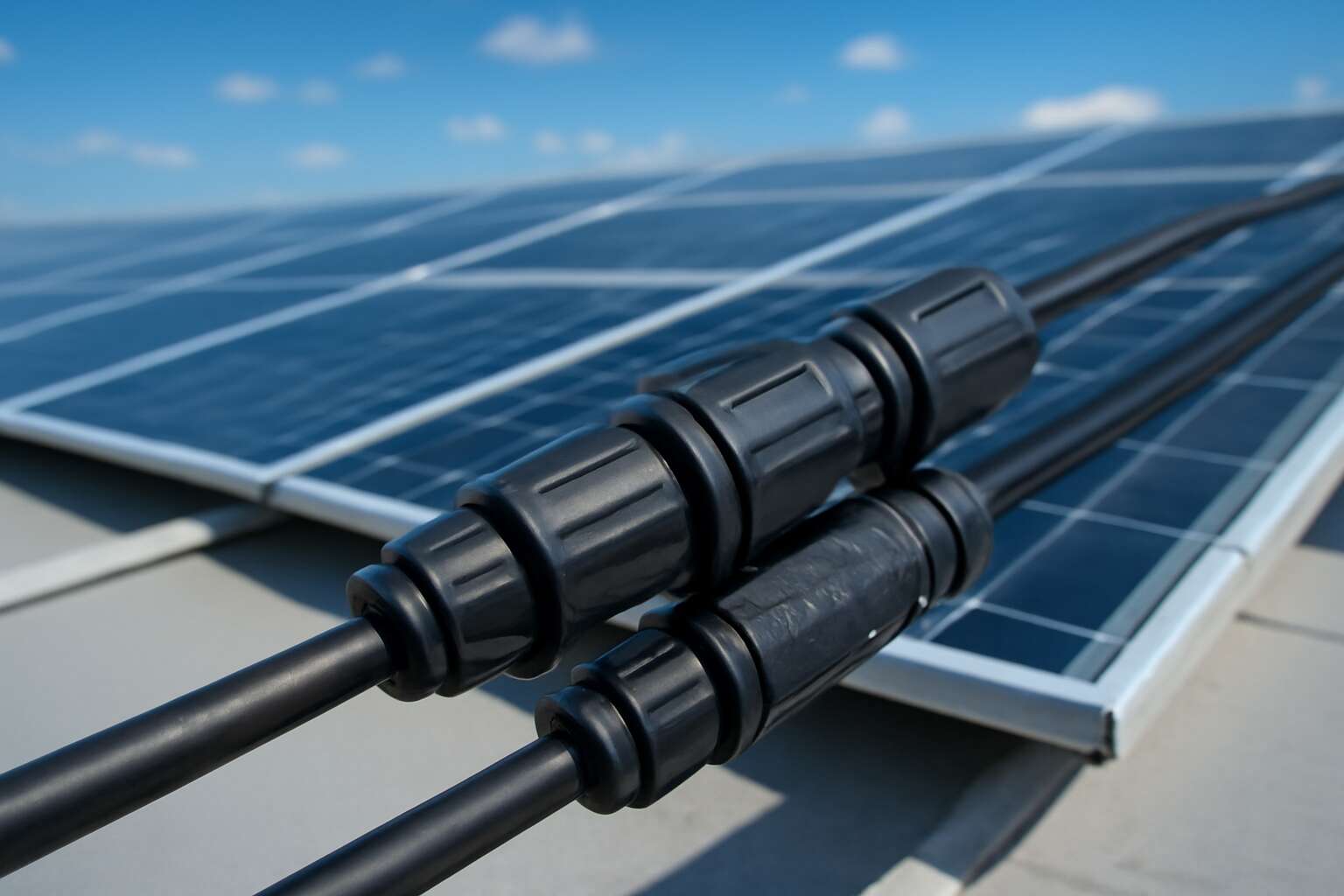
So, are solar panel connectors waterproof? The answer lies in architecture—how seals embrace housings and how wiring exits remain shielded from rain and spray. Waterproofing hinges on IP ratings, gasket integrity, and materials that resist UV and corrosion.
- Sealed housings designed to keep moisture out
- Gasketed, robust couplings for task-specific flexibility
- UV- and corrosion-resistant plastics and sealants
Across the South African climate, coastal humidity and fierce sun demand durable design; the best connectors stay quiet and dry, like a lighthouse standing firm in a storm.
Common waterproofing techniques for connectors
Water is the quiet architect of any solar installation, and South Africa’s sun-drenched rooftops prove that even the lightest mist can rewrite a day’s performance. “Water is the silent architect,” proclaims a veteran solar installer, and the question are solar panel connectors waterproof shifts from guesswork to design creed.
Common waterproofing techniques for connectors blend resilience with practicality, weaving protection into the path of electricity:
- Conformal coating over exposed circuits to repel moisture
- Potting epoxy to encapsulate the chamber
- Gasketed housings with robust seals
- UV-stable plastics and sealants
- Cable glands and strain relief to block spray
From the Karoo to the coast, these choices adapt to climate, leaving systems more faithful to the sun and less troubled by spray and sweat.
Difference between IP ratings and real-world waterproofing
Salt, spray, and sun—South Africa’s solar landscape tests every connector. A veteran installer often reminds that water is the silent architect behind failures. Are solar panel connectors waterproof? The answer dances with climate and design, not a single rating on a datasheet.
IP ratings measure ingress under controlled lab conditions, but real life brings wind-driven spray, temperature swings, and salt exposure. The gap between rating and reality matters because field performance is what keeps a system honest.
- Environmental spray patterns and height influence leakage risks
- Gasket quality and enclosure joints matter more than the rating alone
- UV stability and material compatibility sustain protection over years
Durability finally rests on thoughtful material selection, robust seal geometry, and dependable cable management. From Karoo heat to coastal humidity, you learn that protection is a narrative written over years, not a checkbox checked today.
Why waterproof connectors matter for solar installations
South Africa’s solar field teaches in real time: the sun is relentless, winds sharpen, and storms rewrite the margins of a day. A striking 78% of field faults trace to moisture intrusion, not the plan on the drawing board.
But are solar panel connectors waterproof—the answer isn’t a checkbox, it’s a story of climate, materials, and year-after-year performance. Site conditions from the Karoo to the coast push tolerances beyond what lab tests promise.
- Material compatibility with salt spray and UV exposure
- Seal geometry that gracefully handles temperature swings
- Cable management that keeps joints dry under windy spray
Waterproofing, then, is a narrative of durability rather than a point-in-time rating. The human factor—experienced installers and thoughtful design—keeps systems honest as seasons turn.
Materials and Designs That Improve Waterproof Performance
Seals, gaskets and potting materials
In South Africa’s blistering sunscape, moisture is the quiet antagonist of outdoor electricals. Waterproof performance thrives on seals, gaskets and potting materials that stay pliant where heat, rain and dust collide. When asking are solar panel connectors waterproof, the answer lies in thoughtful geometry and material choice that keep moisture at bay without sacrificing flexibility.
Key materials and designs that excel in real-world weather include:
- Silicone elastomers for durable, heat-tolerant seals
- EPDM gaskets with closed-cell structure for UV resistance
- Potting compounds, such as polyurethane formulations, that encapsulate connections against immersion
Design choices that support waterproof performance appear in how seals are shaped—double-lip geometries, proper potting depth, and clever drainage channels that shed water instead of inviting it. A well-considered combination of materials and form yields connectors that endure field conditions as if the climate were merely a polite suggestion.
Cable entries, strain reliefs and enclosure design
South Africa’s blistering sunscape makes moisture the quiet antagonist of outdoor electricals. A leak isn’t just water; it’s heat, dust and a whispering seam that buckles under pressure. The big question: are solar panel connectors waterproof, and the answer rests in how cable entries and resilient strain-relief shapes keep currents calm when rain meets sun.
Design and materials that lift waterproof performance emerge at every entry: water-dispersing entry geometry and enclosure corners engineered to drain rather than pool. Embraced choices include soft, heat-tolerant interfaces and encapsulating compounds that lock connections against immersion.
- Water-shedding cable glands at entry points
- Flexible strain-relief boots that tolerate heat and bending
- IP-rated enclosures with built-in drainage paths
Material choices: plastics, metals and coatings
South Africa basks in roughly 2,200 to 2,500 hours of peak sun each year, turning every rooftop into a straining relay of power. In that heat, moisture is the quiet antagonist, testing seals and joints with every rain and dust storm. Material and design choices decide the outcome: are solar panel connectors waterproof.
Material choices: plastics, metals and coatings. The right balance keeps connections steadfast through scorch and shower. Consider these options:
- UV-stable plastics and engineered polymers
- Corrosion-resistant metals such as stainless steel or treated aluminum
- Protective coatings and encapsulants that seal from within
Designs tilt toward water shedding and drainage rather than pooling—rounded entries, chamfered corners and seals that breathe while keeping moisture out. When these elements align, the system breathes easy under sun and rain, with currents kept calm and predictable!
Weatherproof vs. waterproof ratings and implications
South Africa basks in roughly 2,200 to 2,500 hours of peak sun each year, and every rooftop becomes a quiet furnace of power. In this theatre, resilience wears a weathered skin: polymers that resist sunburn, metals that shrug off rust, and seals that keep the sea at bay. The right mix keeps currents through joint seams steady, and even dust can’t stumble the current.
To answer are solar panel connectors waterproof, look to the architecture around the plug, not just the material. Weatherproof ratings are a map, but real weather tests are harsher. Favor design cues that shed water, promote drainage, and allow seals to flex without sucking moisture inside—together, they turn a vulnerable seam into a steadfast hinge against the elements!
Standards, Ratings and Certification for Waterproof Solar Connectors
IP ratings explained for solar connectors
In the solar industry, the question of are solar panel connectors waterproof isn’t mere trivia—it’s a baseline for service life and safety. Standards such as IEC 60529 define IP ratings that translate weather exposure into measurable protection. The most common targets—IP67 and IP68—signal dust-tight durability and submersion tolerance, a quiet guarantee against rain, spray and grit in South African conditions.
To verify this in practice, look for certifications that bridge laboratory tests and field performance:
- IEC 60529 and the meaning of IP67/IP68 for connectors
- Quality marks such as CE, UL or SABS for South Africa compliance
- Environmental testing footprints (thermal cycling, salt spray, water ingress) that reflect real-world conditions
With the right accreditation, you gain confidence that are solar panel connectors waterproof under local weather swings—sun-drenched days, chilly nights, and seasonal rains—translating to steadier power and fewer maintenance surprises across a South African installation.
IEC and UL standards relevant to PV connectors
Weather writes the first draft of every SA solar project. ‘are solar panel connectors waterproof’—it’s not trivia, it’s the baseline of safety and uptime. IEC 62852 defines PV connector performance, translating exposure into durable design, while lab and field align through recognized certifications.
Certification matters: IEC and UL standards guard against moisture ingress and heat failure. Look for IEC 62852 conformance and UL-listed PV connectors, along with marks such as CE or SABS that signal South Africa compliance. These credentials translate risk into reliability across sun, dust, and rain.
- IEC 62852 PV connector standard alignment
- UL certification for PV interconnection systems
- Environmental and reliability testing footprints
NEMA, IPX, and moisture ingress testing methods
Standards and certification set the benchmark for waterproof performance. NEMA ratings guide weather-resistant enclosures, with NEMA 4X signaling splash and corrosion resistance ideal for outdoor PV setups. IPX ratings focus on water ingress, with levels such as IPX5 for heavy spray and IPX7 for immersion — numbers that translate to real-world reliability.
Testing methods underpin these marks:
- Moisture ingress tests at IPX levels (IPX5, IPX7, IPX68) gauge spray, immersion, and jetting resilience.
- Damp-heat and humidity cycling simulate climate extremes, stressing seals and potting materials.
- Salt spray exposure assesses corrosion resistance for coastal or high-humidity installations.
- Environmental and mechanical stress tests validate performance under vibration, temperature shifts and wind-driven rain.
When you ask, are solar panel connectors waterproof, proper certification is the answer—these standards turn field conditions into predictable uptime for South Africa’s rugged landscapes.
How to read connector datasheets for waterproofing
The question, are solar panel connectors waterproof, is answered by standards, ratings and certification. In South Africa’s harsh sun and exposed coastlines, uptime depends on seals that actually seal and on tests that prove it.
Standards translate field reality into reliable numbers. That’s how you plan for uptime. NEMA 4X indicates splash and corrosion resistance for outdoor PV work. IPX ratings chase water ingress, with common levels like IPX5, IPX7 and IPX68 providing guidance for spray, immersion and jetting scenarios.
When reading a connector datasheet, look for the actual ratings first, then the test methods and materials behind them. Check enclosure type, seals and potting, cable entries and strain reliefs, and any corrosion or vibration tests. To help, a quick checklist:
- Rating and corresponding conditions (IPX/NEMA)
- Test methods and duration
- Materials and sealing details
Choosing certified connectors for harsh environments
In South Africa’s merciless sun and salt-laden winds, a single seal can decide uptime. The truth is simple: are solar panel connectors waterproof. The coastline tests that truth daily, and I’ve learned to listen to the numbers that standards whisper.
Standards translate field grit into numbers you can rely on. NEMA 4X marks splash and corrosion resistance for outdoor PV work, while IPX ratings guide ingress—from IPX5 spray to IPX68 jetting. When reading a datasheet, seek the rating, the test method, and the materials behind it—enclosure type, seals, potting, cable entries, and strain reliefs.
- Rating and corresponding conditions (IPX/NEMA)
- Test methods and duration
- Materials and sealing details
From my bench, certified connectors for harsh environments become guardians of uptime in SA’s fields and rooftops. To confirm, are solar panel connectors waterproof in real-world installations? Look for IEC/UL marks, documented moisture ingress tests, and proven corrosion resistance as you choose partners for the long haul.
Installation, Maintenance and Troubleshooting for Waterproof Connectors
Proper sealing and housing installation tips
Installation matters: sealing and housing keep moisture out where cables meet panels. Use enclosures with rugged gaskets and proper strain reliefs, especially in coastal South Africa’s salty, humid air. And yes, are solar panel connectors waterproof depends on ratings, materials, and careful placement.
Maintenance means keeping seals pliable and dry. Quick visual checks for wear and condensation prevent surprises.
- Gasket wear
- Pin corrosion
Troubleshooting focuses on ingress, loose connections, and mismatched parts. Start with a visual check, then verify continuity and seals, and note any moisture that returns after rain or humidity spikes.
Inspection routines and leak detection
The question lingers in the salt wind (are solar panel connectors waterproof). Installation along South Africa’s coast is a vigilance test—where sea air and sun conspire to stress every seam. Enclosures that speak with rugged gaskets and steadfast strain reliefs endure, while cables press in and exit with quiet restraint.
Maintenance keeps the mechanism from turning to rust. Keep seals supple and dry, and watch for signs of wear or pin corrosion that whisper of weakness.
- Visual integrity checks for enclosures and fittings
- Signs of creeping moisture or condensation inside junctions
- Corrosion or pin wear on metal hardware
Troubleshooting keeps vigil after rain or humidity spikes. Ingress, loose connections, and mismatched parts rise as ghosts; evaluate continuity and seal integrity, noting any moisture that reappears with the next cloud.
Maintenance intervals and replacement indicators
On South Africa’s windy coast, installation is a test of patience and craft. The question, are solar panel connectors waterproof, guides the sealant choice and enclosure design. Rugged gaskets, steadfast strain reliefs, and weathered-but-well-sealed housings withstand salt spray and sun.
Maintenance intervals keep the system honest. Watch for seal cracks, gasket compression, and pin corrosion as indicators that a component may need replacement. Regularly check housings for moisture tracks and salt buildup, and keep interiors dry to preserve longevity.
- Seal integrity indicators
- Gasket wear signs
- Corrosion on pins
Troubleshooting after rain or humidity spikes calls for calm vigilance. Ingress, loose connections, and mismatched parts creep in; evaluate continuity and seal integrity, and note any moisture that reappears with the next cloud. I’ve learned to trust the quiet telltales of a stubborn junction.
Common failure modes and fixes for waterproof connectors
On South Africa’s windy coast, installation tests patience and craft. The question ‘are solar panel connectors waterproof’ guides our choices; seal integrity and enclosure design decide the outcome. Favor rugged gaskets, steadfast strain reliefs, and weathered-but-strong housings that weather salt spray and sun.
Maintenance becomes a quiet ritual amid salt-laden winds. Regular checks for moisture traces, seal stiffness, and corrosion indicators keep the system honest. Coastal installations reward those who listen to the subtle signals before wear becomes unmanageable.
Troubleshooting after rain or humidity spikes demands calm vigilance. Ingress, loose connections, and mismatched parts can creep in; evaluate continuity and seal integrity; let the environment reveal itself, as the quiet telltales of a stubborn junction speak louder than the weather.

0 Comments