Overview and Core Concepts
Understanding the Essentials of a High-Wattage Monocrystalline Module
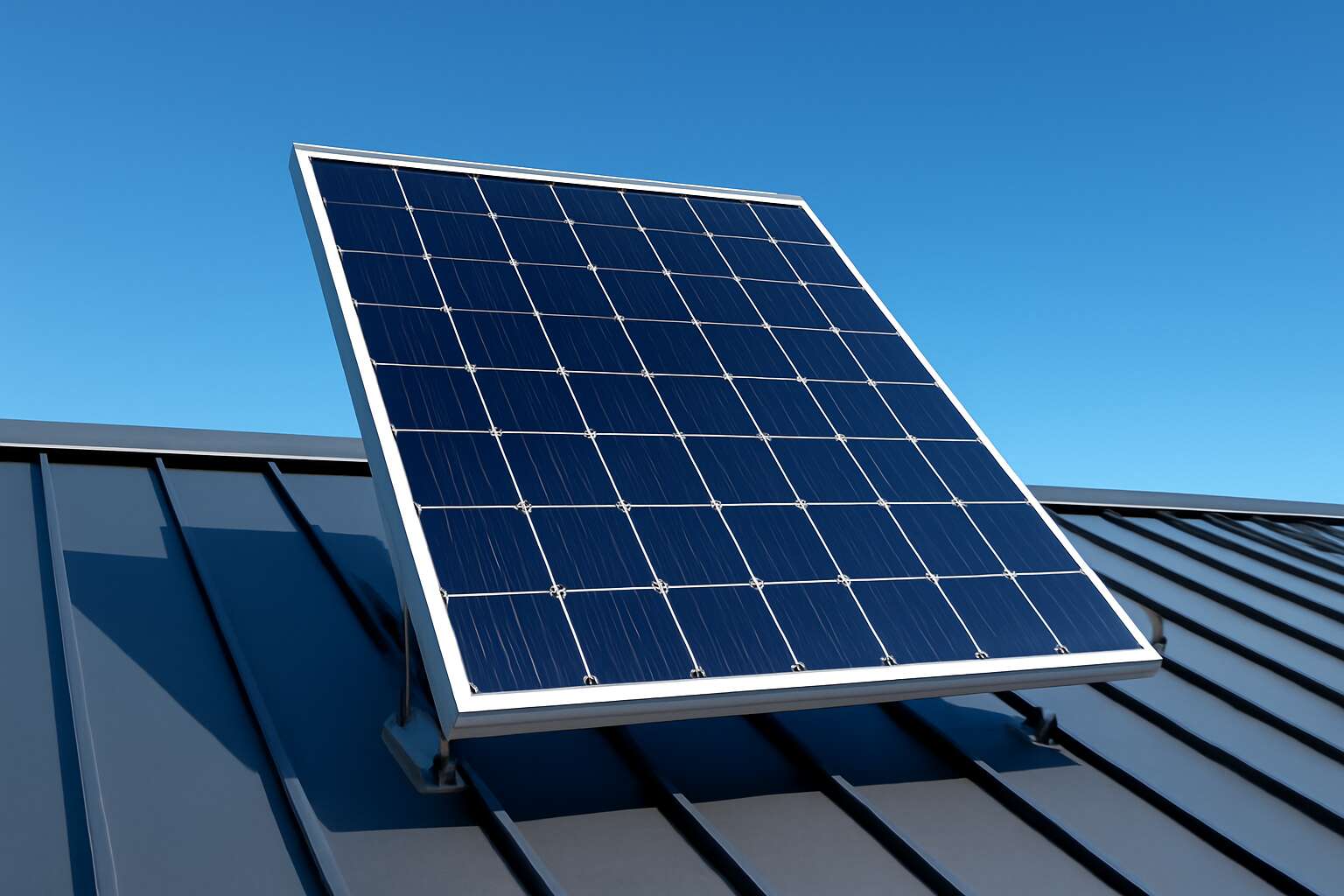
Sunlight is the currency of a sustainable home, and South Africa averages more than 2,500 hours of sunshine each year—enough to power a quiet, unshakable routine. A 550w monocrystalline solar panel stands at the threshold of this promise, translating daylight into robust electrical potential. I’ve watched how the right module becomes a steady companion in a household’s energy narrative—calm, efficient, almost elemental!
Overview and Core Concepts: Understanding the Essentials of a High-Wattage Monocrystalline Module for the South African climate requires attention to a few steady truths.
- Cell efficiency and mono-crystal purity
- Power rating versus real-world output under heat
- Durability, warranties, and long-term returns
In this dialogue, we glimpse how a 550w monocrystalline solar panel threads reliability through both peak sun and grid strife.
Benefits and Use Cases for Premium Monocrystalline Panels
A 550w monocrystalline solar panel isn’t merely hardware; it’s a quiet engine that redraws a home’s energy map. In South Africa’s sun-soaked mornings, it converts daylight into dependable power with a calm, almost elemental certainty.
Premium monocrystalline panels balance purity, resilience, and form, delivering durability that stands up to heat and hail. A 550w monocrystalline solar panel identity remains steadfast, especially with warranties that promise long-term reliability, making them a prudent choice as the climate grows more variable and solar demand rises.
From these traits emerge clear benefits and use cases for premium panels.
- Residential rooftops seeking quiet efficiency
- Off-grid homes and remote properties
- Reliable backup power for essential loads
In the SA landscape, this blend of efficiency and endurance crafts a dependable energy narrative.
Comparing Panel Types: Mono vs Poly vs Thin-Film
South Africa basks in some of the world’s strongest solar irradiation, with annual averages that exceed 2,000 kWh per square meter. That daylight becomes more than light; it is a mechanism for renewal. A 550w monocrystalline solar panel embodies that sunlit promise with quiet grace, turning daylight into steady power and brightening homes without fanfare.
Understanding panel types helps you read the solar landscape with clarity: mono, poly, and thin-film each tell a different energy story.
- Mono: high efficiency, uniform color, ideal for compact roofs
- Poly: lower cost, variable shade tolerance, generous wattage per panel
- Thin-film: flexible, lightweight, best in installations where shape or weight are factors
From our perspective, the interplay of efficiency and resilience makes mono the preferred partner for South African rooftops. For a 550w monocrystalline solar panel, the run of heat tolerance and enduring performance speaks clearly—and we champion mono as the steadfast heart of a home’s sun-powered future.
Who Benefits from a 550W-Scale Panel Configuration
In South Africa’s sun-drenched mornings, a 550w monocrystalline solar panel becomes more than hardware—it is a hinge between daylight and enduring power. Quietly, it converts bright days into reliable energy, turning brightness into resilience across rooftops that face the season’s heat. An overview of scale and elegance invites homeowners to imagine rooftops as silent powerhouses, where high efficiency meets lasting reliability.
Core concepts and who benefits from a 550W-scale panel configuration reveal a landscape where energy stewardship meets practical craft. The approach emphasizes robust heat tolerance, straightforward installation, and a long service life under South Africa’s climate. Beneficiaries include:
- Homeowners seeking dependable daytime power for suburban roofs
- Small businesses relying on steady, meter-friendly energy costs
- Rural communities and off-grid projects that value reliability and low maintenance
Technical Specifications and Performance
Power Output and Electrical Characteristics
In South Africa’s sun-soaked towns, a 550w monocrystalline solar panel stands as a bold workhorse, turning daylight into dependable power with minimal fuss. Its high-wattage profile suits larger rooftops and commercial spaces where every watt counts and reliability matters as much as ambition.
Technical Specifications and Performance Power Output and Electrical Characteristics:
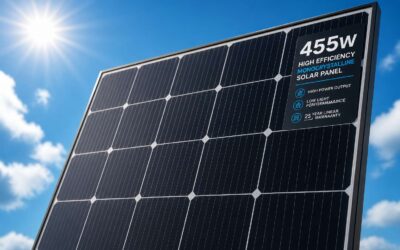
- Max Power (Pmax): ~550 W
- Voltage at Pmax (Vmp): ~41–46 V
- Current at Pmax (Imp): ~11–13 A
- Open-Circuit Voltage (Voc): ~52–60 V
- Short-Circuit Current (Isc): ~19–21 A
- Module Efficiency: ~20–22%
Temperature robustness and real-world performance are hallmarks here. The mono cells deliver solid efficiency and a favorable temperature coefficient, helping output stay steady from Cape Town’s sea breeze to Pretoria’s heat. The 550w monocrystalline solar panel sustains reliable power in varied irradiance and seasonal sunshine across SA.
Efficiency Benchmarks for Monocrystalline Cells
Across South Africa’s sun-warmed skylines, the 550w monocrystalline solar panel becomes a crucible where daylight is forged into steady energy. Its Pmax sits near 550 W, with Vmp in the 41–46 V range and Imp around 11–13 A, while Voc runs ~52–60 V and Isc ~19–21 A.
- Module efficiency: ~20–22%
- Voltage and current characteristics tuned for large rooftops
- Temperature resilience that preserves output through Cape Town’s sea breeze to Pretoria’s heat
In real-world irradiance and seasonal sunshine, the cells’ low thermal drift keeps performance predictable. The favorable temperature coefficient helps the panel sustain power even as the SA sun climbs higher, turning radiant days into reliable energy with minimal fuss.
How Temperature and Sunlight Affect Output
The 550w monocrystalline solar panel stands as a measured beacon of efficiency, a technical marvel where form meets function. Its output remains firmly anchored by a near-half-kilowatt Pmax and a voltage window crafted for large rooftops, while a practical temperature coefficient keeps heat-induced losses small as South Africa’s sun travels from coastal breezes to interior heat. In this frame, performance remains predictable, robust, and ready for everyday rooftop endurance.
Temperature and sunlight shape output in observable ways. Consider these factors:
- Higher temperatures slightly reduce voltage and Pmax, but the panel’s design cushions the drop with a favorable temp coefficient.
- Brighter irradiance increases current and power, especially as the sun reaches its zenith over SA’s skies.
- Clean, properly tilted surfaces minimize shading and dust losses, keeping the response steady through seasonal variations.
Installation, Siting, and System Integration
Optimal Mounting, Orientation, and Tilt
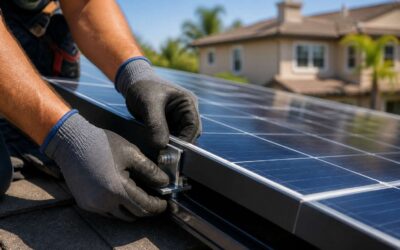
The sun does not bargain; it delivers, and I watch a 550w monocrystalline solar panel stand as a silent witness on the roof. Installation is a quiet ritual, balancing weight, weather, and the patience of the panels themselves, awaiting their moment of sunlit revelation!
Siting matters; I place the panel where daylight dances without shadows from chimneys or eaves, where the south-facing aspect in South Africa gathers the longest hours. Let the unit breathe, shield from corrosive wind, and harmonize with the house’s silhouette.
System integration demands harmony between mounting, orientation, and tilt and the rest of the power system. I aim for a seamless dialogue with the inverter and grid, avoiding shade corridors and heat pockets that dull performance.
Inverter Sizing, String Configuration, and Mismatch Loss
On a quiet South African roof, installation feels like a sunrise rite. A 550w monocrystalline solar panel settles into place, its frame catching the morning glow as I secure the mounting and route the cables toward the heart of the system. The moment breathes patience and promise.
Siting matters: I choose a spot where daylight flows unimpeded, away from chimneys, eaves, and shadows. The south-facing slope gathers our longest hours, and a gentle breeze keeps things cool. Key considerations:
- Inverter sizing tuned to panel output
- String configuration that respects wire gauges and breaker limits
- Mitigation of mismatch loss through daylight-path planning
System integration demands a quiet harmony between installation and the rest of the power architecture. Inverter sizing, string configuration, and a mindful approach to mismatch loss keep the 550w monocrystalline solar panel performing when the sun arcs high and heat pockets threaten the glow.
Roof Space, Weight, and Aesthetics Considerations
South Africa basks in abundant sun, turning rooftops into power-rich stages. I watch a 550w monocrystalline solar panel begin its quiet dance, converting daylight into a steady heartbeat for the home. The installation, when done with care, feels like a sunrise ritual—patient, precise, almost musical.
Placement begins with siting: a spot where daylight flows unimpeded, away from chimneys, eaves, and shadows. The south-facing slope gives us the longest hours, and a gentle breeze keeps mounting hardware cool, preserving efficiency as the sun climbs.
- Roof space and orientation: Unobstructed daylight, away from chimneys and shadows, with a sun-tracking tilt.
- Weight and mounting: Solid structure, corrosion-resistant rails, secure fixings against wind.
- Aesthetics and integration: Cable routing that blends with the roofline.
System integration completes the circle with clean cabling and a quiet rooftop presence, ready to translate sunlight into daily life.
Electrical Safety, Codes, and Compliance
In South Africa, installation is as much a respect for space as for daylight. A 550w monocrystalline solar panel demands thoughtful siting, clean mounting, and a calm, methodical approach to safety that preserves performance as the sun climbs.
To align system integration with safety and regulation, consider these high-level compliance touchpoints:
- Adhere to local electrical codes and SANS 10142-1 standards relevant to rooftop PV installations
- Secure municipal permits and plan inspections for rooftop access and wiring routes
- Use certified components with correct cabling, grounding, and over‑current protection
When these elements harmonize, the system becomes a quiet, compliant partner in daily life rather than a question mark on the skyline.
System Monitoring, Diagnostics, and Maintenance
Sunlight in South Africa blesses rooftops with a quiet voltage, and a 550w monocrystalline solar panel translates that gift into tangible power. Installation becomes a careful choreography of siting, mounting, and electrical harmony—our team threads daylight access with safety and aesthetics, ensuring the skyline remains serene while power blooms!
System monitoring and diagnostics keep this partnership honest. A modern setup streams performance data—voltage, current, temperature—from the panel and inverter, revealing subtle shifts long before they impair output. Maintenance becomes a reverent ritual: checking connections, guarding against corrosion, and listening to the system’s rhythm through regular audits.
To keep the flow steady, consider these focus areas:
- Performance monitoring and data integrity
- Electrical integrity and protection
- Environmental resilience and corrosion control
Cost, ROI, and Financing
Pricing Trends for High-Wattage Panels
Costs for a 550w monocrystalline solar panel and installation have shifted in South Africa as global prices ease and local incentives evolve. A typical residential package includes mounting hardware, wiring, and an inverter, with the 550w monocrystalline solar panel offering solid value per watt and a compact roof footprint. It’s a practical choice for tight spaces.
ROI hinges on daytime usage and tariff structures! In high-demand regions, predictable sun can translate into savings, shortening payback periods. A well-chosen high-wattage module amplifies offset when paired with proper orientation and storage.
- Local electricity tariffs and demand charges shape savings
- Roof exposure and system size determine payback
- Warranty, maintenance, and monitoring affect lifetime value
Financing options in South Africa are expanding, with green loans, PPAs, and longer-term lines offering competitive rates. Pricing trends show more flexible payment structures, reducing upfront barriers for a 550w monocrystalline solar panel investment as electricity costs continue upward.
Estimating Energy Savings and Payback Period
Cost can be surprisingly approachable with the 550w monocrystalline solar panel when you consider the full package. In South Africa, a residential setup typically bundles mounting hardware, wiring, and an inverter, while the module itself delivers solid value per watt and a compact roof footprint for tight spaces.
ROI hinges on daytime use and tariff structures; in sun-rich regions, predictable generation translates into meaningful savings and a shorter payback. A high-wattage module amplifies offset when properly oriented and paired with storage, making the system a resilient centerpiece.
Financing options are expanding in South Africa, with green loans, PPAs, and longer-term lines offering competitive rates.
- Green loans
- PPAs
Incentives, Tax Credits, and Financing Options
Sunlight pays the best dividends, and the 550w monocrystalline solar panel makes that promise feel tangible. In a typical South African home, the module is part of a larger package that includes mounting hardware, wiring, and an inverter, delivering solid value per watt and a compact roof footprint for tight spaces.
Cost is just the opening act; ROI blooms with daytime use and tariff structures. In sun-rich regions, predictable generation translates into meaningful savings and a shorter payback. When properly oriented and paired with storage, this high-wattage module becomes a resilient centerpiece in a home’s energy plan.
Financing incentives and tax credits are evolving in South Africa, expanding options for homeowners. Green loans, PPAs, and longer-term lines are becoming more accessible, offering competitive rates and flexible terms.
- Green loans
- PPAs
- Longer-term financing options
Warranty Coverage and Long-Term Value
In South Africa’s sun-soaked suburbs, a 550w monocrystalline solar panel doesn’t just cut bills; it turns daylight into disciplined savings. The catch is steady sizing and smart pairing!
Cost is the overture; ROI is the symphony. A higher-wattage module means fewer roof penetrations and quicker payback when daytime usage and storage align with your tariff. The upfront price is balanced by long-term gains.
- Maximized on-roof energy density for small spaces
- Lower wiring and mounting complexity per watt
- Resilient performance under SA heat and storms
Warranty packages typically cover 12–25 years on product and 25 years on power output; durable frames and robust coatings ensure long-term value in SA climates. With proper maintenance, these panels stay battle-ready for decades.
Maintenance, Durability, and Longevity
Cleaning, Inspection, and Maintenance Routine
Maintenance for a 550w monocrystalline solar panel is the quiet guardian of its glow. In South Africa’s sun-drenched landscapes, a light touch of cleaning, routine inspections, and gentle upkeep keeps performance bright and steady, turning hot days into reliable energy when it matters most.
A balanced maintenance rhythm covers cleaning, inspection, and a steady maintenance routine that respects local conditions. A quick checklist can help preserve performance without disruption.
- Debris and dirt assessment for uniform light exposure
- Moisture seals and wiring connections integrity
- Mounting hardware and frame corrosion status
Durability and longevity come from design that battles SA dust and sudden showers. Protective glass, resilient framing, and sealed cells are complemented by mindful routine checks that catch corrosion, micro-cracks, and seal leaks early, preserving performance and the value baked into the system’s warranty.
Degradation Rates and Year-by-Year Performance
Maintenance for a 550w monocrystalline solar panel is not flashy, but its quiet discipline guards long-term output. Across South Africa’s sun-drenched landscapes, degradation stays manageable when dust, moisture, and thermal cycling are kept in check. Typical annual degradation sits around 0.5%, with most production remaining strong after a decade. Environmental conditions in SA shape how fast that drift occurs.
- Dust exposure and cleaning cycles
- Moisture seals and wiring integrity
- Masking by shading and micro-cracks
- Coating and frame corrosion in coastal zones
Year-by-year performance follows a gradual curve. With a sturdy high-wattage module, the decline is typically 0.3–0.8% per year, so after 20–25 years output remains a solid majority of the original rating. Warranty language commonly guarantees at least 80% of rated power after 25 years, underscoring long-term value for SA installations.
End-of-Life Options: Recycling and Disposal
A 550w monocrystalline solar panel is engineered for the long haul. In South Africa’s sun-soaked landscapes, its rugged build—glass, frame, and seals—keeps the power steady as years slip by, resisting micro-cracks and corrosion while dust and heat take their toll. Maintenance may be quiet, but durability speaks loudly in the field.
End-of-life options shape its final chapter. Recycling and responsible disposal aren’t afterthoughts; they’re a clean goodbye to energy that once hummed across the roof. South Africa encourages take-back programs and certified facilities to reclaim silicon, aluminum, and glass for new life.
- Certified recycling facilities for PV modules
- Manufacturer take-back programs
- Safe disposal aligned with local regulations
Environmental Factors, Durability, and Best Practices
South Africa basks in sun with impressive intensity; a 550w monocrystalline solar panel powers homes even on the sunniest days. With around 2,000 kWh/m²/year in many regions, your system hums through load-shedding. Maintenance stays quiet; durability speaks loudly.
Durability comes from tempered glass, an anodized frame, and weather seals that shrug off SA dust, heat, and salt spray. This design resists micro-cracks and corrosion, keeping performance steady as the years slip by.
Longevity hinges on regular—yet simple—care. Clean gently, monitor output, and inspect for shading or loose connections. Degradation remains slow, so the first decade often looks remarkably similar to the first day on the roof.
- Surface cleanliness matters; gentle cleaning is advised.
- Regular inspections of mounting hardware and seals support longevity.
- Monitoring performance helps spot subtle degradation early.
With these habits, rooftop energy stays reliable year after year.

0 Comments