Understanding PV panel connectors
What are PV panel connectors and why they matter
South Africa’s rooftop solar boom grew 28% last year, and the unsung heroes behind that surge are solar panel connectors. They do the quiet, stubborn work—linking each panel to the next and on to the inverter—so sunlight becomes steady power, rain or shine!
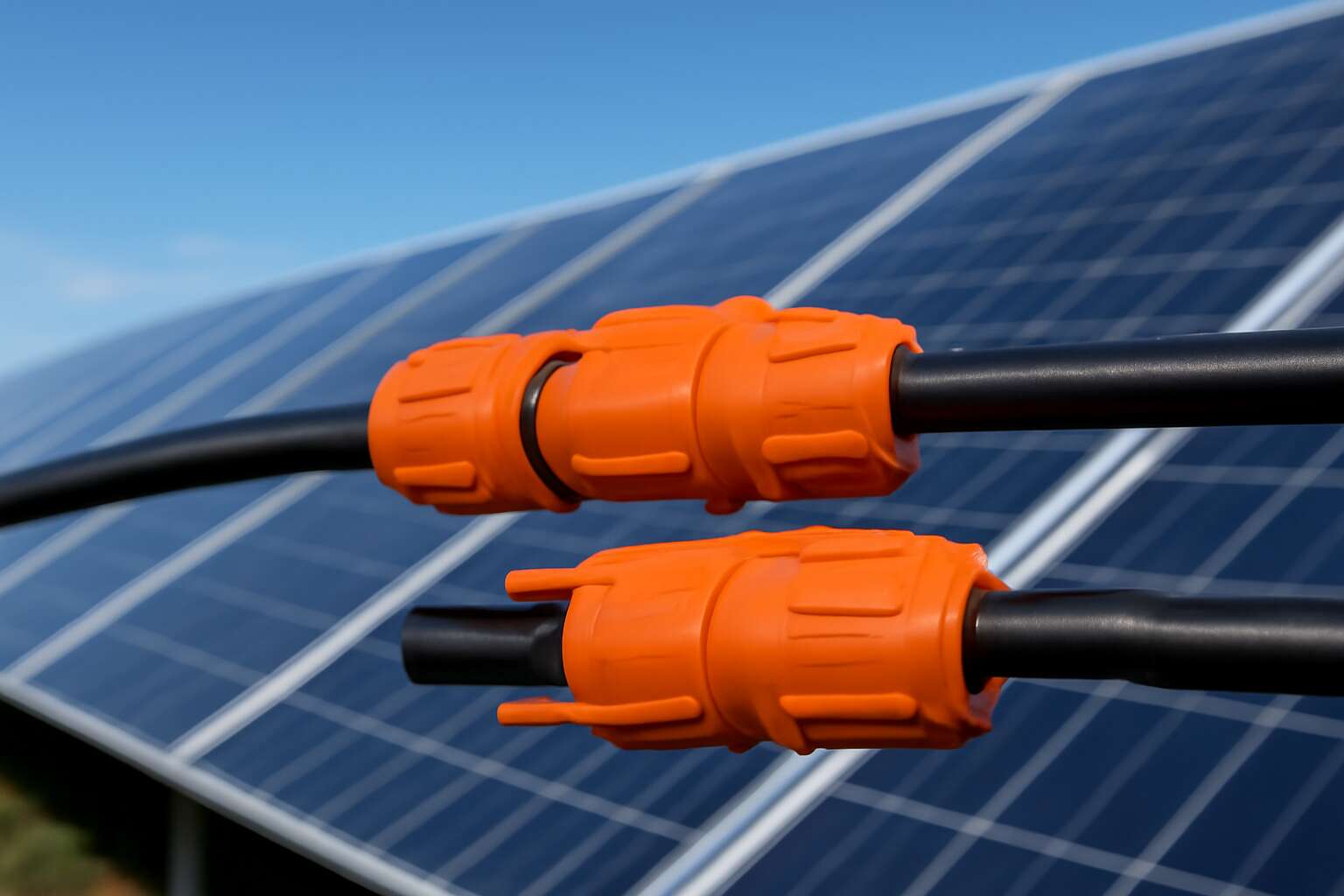
PV panel connectors are the interface between modules and the rest of the array. They ensure current flow, keep moisture out, and stand up to our fierce sun. Good connectors mean fewer voltage drops and happier maintenance crews.
- Weatherproof seals and IP-rated shells
- Correct voltage/current ratings and polarity
- MC4-style compatibility for easy, plug-and-play servicing
In this South African context, choosing durable, UV-stable materials and proper ratings helps protect your investment and keeps winter storms from turning your solar dream into a paperwork nightmare.
Key components and how they work together
Across South Africa’s rooftop solar boom, the 28% leap last year is more than a statistic—it’s a story of steady reliability. Solar panel connectors are the quiet on-ramps that link every module into a seamless ribbon of light, turning scattered rays into a dependable grid.
Understanding hinges on a handful of essential components:
- Contacts engineered for low resistance and enduring conductivity
- Sealed, UV-stable housings that shrug off South Africa’s sun and rain
- Polarity safeguards and alignment features that prevent misconnection
- Standardized mating geometries for reliable, plug-and-play servicing
These parts work in concert: when panels string together, precise contact interfaces capture current with minimal drop, while the outer shells shed moisture and resist corrosion. The result is a sealed, conductive pathway that stays true as temperatures swing and shadows shift across the roof.
In the South African context, durability and predictability trump novelty—the quiet resilience of solar panel connectors keeps the dream of a stable, sunlit grid intact through seasons and storms.
Impact on efficiency and safety in solar systems
Across South Africa’s rooftop solar boom, a 28% leap last year isn’t just a statistic—it’s proof that every link matters. Understanding PV panel connectors reveals how efficiency and safety ride on a quiet, copper-threaded chain. solar panel connectors channel current with minimal resistance, turning shifting sun into a dependable grid even as heat and clouds test the day.
- Low-resistance contacts and clean interfaces
- Sealed, UV-stable housings that shrug off sun and rain
- Polarity safeguards and precise alignment to prevent misconnection
Together, these elements create a sealed, conductive pathway that stays faithful through temperature swings and time. In SA, this solid engineering is the quiet backbone of a stable, sunlit future.
Standards and certifications you should know for PV connectors
In SA’s rooftop solar boom, a 28% leap last year proved reliability is built into the tiny links. For solar panel connectors, the compass is IEC 62852—the global benchmark that defines safety, sealing, and current-carrying performance under heat and UV. When you read spec sheets, these certifications validate a product’s heart and hands.
Key certifications and marks to seek include:
- IEC 62852 family for PV connectors
- UL/CSA and CE markings for international acceptance
- SABS approval for South Africa
With these in place, these connectors promise dependable service across seasons and borders.
Types of PV panel connectors
MC4 connectors and MC3 compatibility
Across South Africa’s solar landscape, the gatekeepers of current are the solar panel connectors that seal the circuit from weather and glare. MC4 connectors stand as a modern map—compact, lockable, and able to shrug off dust and heat. Their design promises a dependable link from panel to string with minimal fuss.
MC4 and MC3 belong to different eras of the same tale. While MC4 is the global standard, MC3 hails from older arrays and isn’t always happy sharing a platform with newer kin. Direct mating is discouraged; adapters exist, but the safest path is to match solar panel connectors to a corresponding panel harness to maintain continuity and safety.
In our solar story, compatibility is a quiet compass guiding installers toward reliable heritage and future growth.
- MC4: the standard for new installations
- MC3: legacy, common on older panels
- Adapters can bridge types where needed
Other common variants like H4 and H5
Sunlight is a stern editor, and solar panel connectors are the punctuation that keeps the story alive. When seals fail or misfit, watts slip away—making these tiny links surprisingly consequential in SA rooftops.
Beyond MC4 and MC3, other common variants like H4 and H5 keep pace with evolving panels, delivering solid weather resistance and reliable current paths.
- H4: robust locking and UV-hardened seals
- H5: compact form for tight arrays
The point is compatibility and ongoing accessibility; different variants serve different needs, but the goal remains a reliable arc of power.
Anderson Powerpole and industrial alternatives
A brisk SA breeze rattles the corrugated roofs, and a sobering stat cuts through the chatter: residential solar losses in South Africa hover around 12%—often traced to the wrong connector. In this dim economy of watts, solar panel connectors become the unseen gatekeepers of uptime, offering modularity, weather seals, and a future-ready arc for rooftops across veld and city.
Beyond the common family, a spectrum exists—Anderson Powerpole and industrial alternatives—each tuned for varying climates.
- Anderson Powerpole: modular housing and color-coded contacts
- Industrial alternatives: rugged seals and durable conductors
- Compact variants for tight roof spaces
- Field-friendly, tool-free assembly and quick testing
Choosing the right path isn’t a whim but safety and reliability, a quiet guardian against creeping losses under South Africa’s sun.
Connector compatibility across panels, inverters, and cables
Sunlight is a ruthless editor. A single incompatible plug can mute a day’s power. In SA rooftops, 12% of solar losses trace to the wrong connector. Types of PV panel connectors range from the ubiquitous field-ready designs to rugged industrial variants and compact interconnects for tight spaces. From rooftop surveys, I’ve learned these connectors must harmonize with panels, inverters, and cables, forming a seamless chain of safety and performance. Choosing the right solar panel connectors shapes uptime and safety in a demanding climate.
Within this ecosystem, three considerations guide compatibility:
- Panel-to-cable continuity
- Inverter input tolerance
- Environmental sealing
When these threads pull tight, the system behaves like a living thing—flexible, safe, and quietly efficient.
Choosing the right PV connectors
Voltage and current ratings to match your system
In South Africa, where the sun pours down about 2,800 hours a year, voltage and current ratings aren’t just numbers; they’re the shield around solar panel connectors, guarding your investment from heat, arcing, and performance fade. The right rating keeps the system singing all day and night, even as clouds drift and temperatures rise!
Choosing the right PV connectors means the rating mirrors the system’s profile: the voltage rating aligns with the array’s Voc and the overall operating voltage, while the current rating matches the string current the setup demands. When these numbers align, power flows with calm certainty.
- Voltage rating reflects the maximum open-circuit voltage the array can produce.
- Current rating mirrors the design current the string carries.
- Temperature derating and SA heat impact real-world performance.
- Physical fit and certifications ensure safe, long-term operation.
A balanced pairing paves the way for reliable energy generation without the drama of mismatches.
Environmental sealing and IP ratings for outdoor use
South Africa gleams under roughly 2,800 sun hours a year, turning every rooftop into a treasure chest of potential. When selecting PV connectors, environmental sealing isn’t cosmetic—it’s a line of defense against dust, moisture, and heat that erode performance. An IP rating tells you the shield you’re buying: higher ratings mean more endurance against the elements. The right choice keeps connections reliable from dawn to dusk, rain or shine.
Key sealing cues for outdoor use include:
- IP65 or higher for protection against dust and water jets
- UV-resistant housings to withstand South Africa’s sun
- Gasketed mating interfaces to minimize moisture ingress and arcing
With these safeguards, solar panel connectors stay robust through seasons, and your energy harvest remains steady—a quiet, dependable hum under the SA sky. solar panel connectors deliver a watertight, weather-hardened bond that lasts beyond a single installation, guarding your investment from heat and rain.
Material durability and temperature tolerance
South Africa enjoys about 2,800 sun hours a year, turning every roof into a potential powerhouse. In this bright theatre, solar panel connectors must weather heat, dust, and rapid temperature swings.
Choose housings from UV-stabilized polymers and reinforced composites that resist cracking under afternoon heat. Look for contacts at the heart of the connector made from copper alloys with corrosion-resistant plating, and for insulation that endures repeated connections without creep.
- Wide temperature tolerance (-40°C to 125°C)
- UV-stable, heat-resistant housings
- Moisture sealing and arcing resistance
- Salt spray or coastal exposure readiness
With these criteria, connectors stay robust through seasons, guarding investment as reliably as a steady South African sunrise.
Compatibility with panels and future upgrades
With roughly 2,800 sun hours a year, South Africa treats every roof as a potential power plant—and the fate of that harvest rests on your solar panel connectors. Choosing the right PV connectors means prioritizing compatibility with current panels and readiness for future upgrades; you want gear that ages like a fine Chardonnay, not a brittle souvenir after heatwaves.
Here are the essentials to keep future-proofing simple:
- Panel compatibility and current rating alignment to avoid under- or over-stressing contacts
- Upgrade-ready design with modular housings or swappable contact kits
- Cabling and inverter ecosystem synergy to keep the DC side tidy and efficient
That thoughtful selection pays off, guarding solar panel connectors against wear as upgrades roll in. It translates to fewer headaches and smoother maintenance for South African rooftops, where sudden storms and scorching afternoons test every seal.
Installation and maintenance of PV connectors
Crimping techniques and secure mating practices
Across South Africa’s sun-drenched roofs, solar panel connectors quietly guard the flow of electrons. Industry notes that up to 15% of field faults trace to loose or poorly crimped joints, making secure connections more than a nicety.
In installation and maintenance, cleanliness, proper alignment, and the right cable-connector pairing matter. Crimping techniques with solar panel connectors rely on correct terminals and tools to deliver a firm termination that withstands heat and wind. Secure mating practices ensure seals engage and stay locked through the day’s glare.
- Matched conductor sizing and weather-rated seals
- Proper mating pair and durable housings
- Engagement verification and seal integrity
With careful attention, solar panel connectors endure Africa’s climate, delivering steady performance from dawn to dusk.
Routine inspection for wear, corrosion, and water ingress
South Africa’s roofline is a furnace and a wind tunnel at once, and the reliability of solar panel connectors hinges on proper install and ongoing care. A loose joint can sap a day’s harvest, and field notes show wind-driven faults often trace to poor terminations. Maintenance isn’t glamorous, but it pays in steady volts and fewer call-outs!
Routine inspection for wear, corrosion, and water ingress keeps those connections honest. We look for grime on mating surfaces, bent terminals, and seals that show signs of strain. Clean interfaces, aligned components, and durable housings stay resilient under Africa’s sun and sand.
Routine observation items to note during checks:
- Visible wear or damage to connector bodies
- Corrosion on terminals or tarnish
- Water ingress or compromised seals
These observations help keep solar panel connectors performing across SA’s climate.
Safe disconnection and troubleshooting steps
From installation to ongoing care, solar panel connectors must weather SA’s furnace-like heat and gusty winds. The steady harvest often hinges on the health of these joints, and small faults can steal hours of sunshine.
Safe disconnection means acknowledging live states and using protective habits; troubleshooting steps must be understood as non-destructive checks.
- Secure mating and intact seals to resist dust and rain
- Clear labeling and accessible interfaces for quick checks
- Use of manufacturer-approved tools to preserve weatherproofing
Handled with care, these connections stay resilient under Africa’s sun, turning routine maintenance into a quiet guarantee of power and peace.
Common connector issues and replacement guidelines
Sunlight tests the nerve of every joint, and as the saying goes, “every connection matters.” In South Africa’s furnace-like climate, installation and maintenance of solar panel connectors require respect for heat, dust, and gusts. When seals remain intact and mating stays true, these connections become quiet guardians of steady power, turning routine checks into invisible insurance against outages.
Common issues to watch for include:
- Loose or misaligned mating increasing resistance and heat
- Corrosion at contact points from humidity and dust
- Damaged seals or cracked housings due to UV exposure
Replacement guidelines stress compatibility and weatherproofing. Choose manufacturer-approved parts that match the system ratings; inspect interfaces for wear, contamination, or misalignment; avoid improvised fixes that compromise IP sealing. With careful selection, solar panel connectors continue to supply power with confidence and peace of mind.

0 Comments