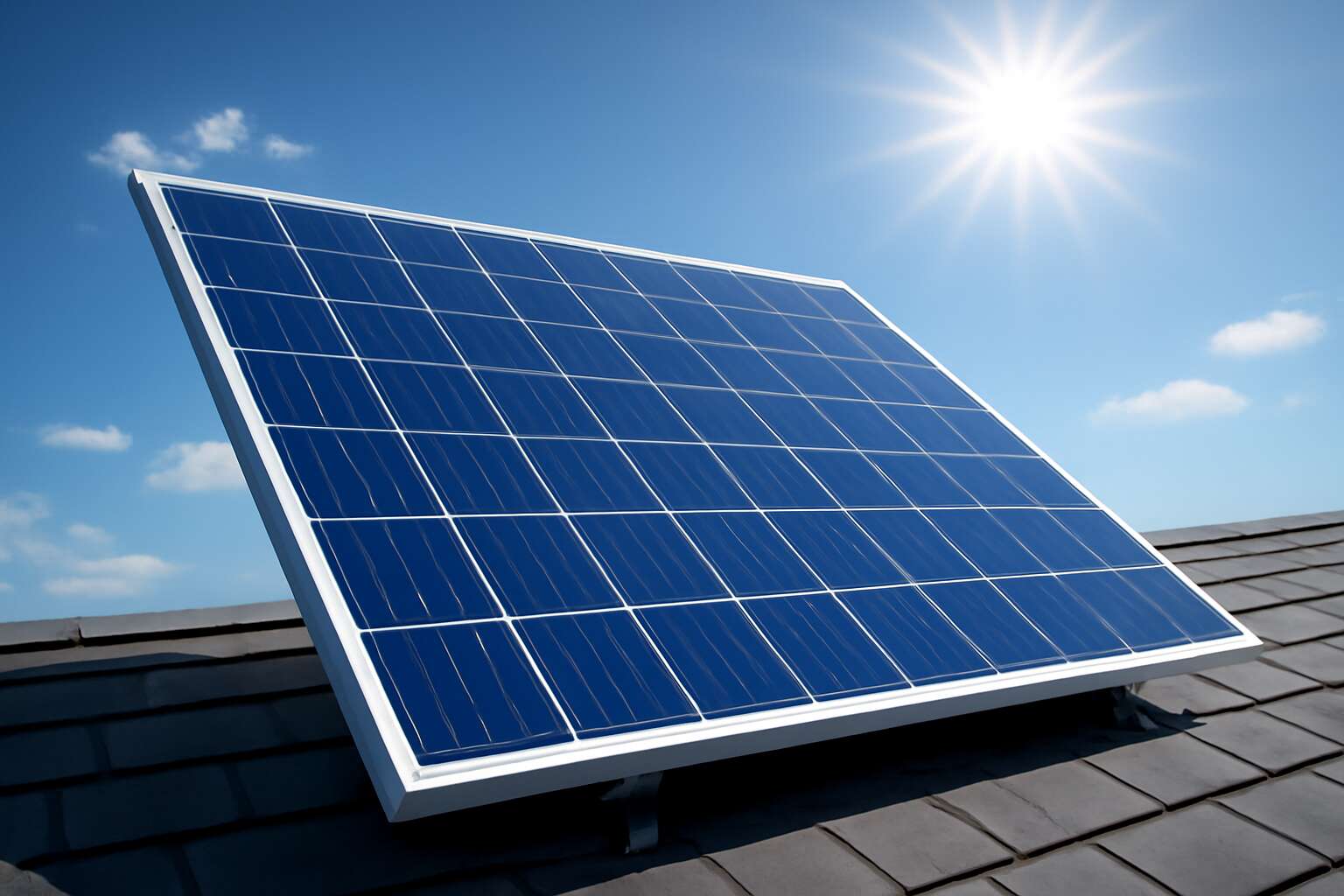
Overview of 400W solar panels
What does 400W mean in solar panels?
Across South Africa’s sun-burnished landscapes, a solar panel 400w feels like a quiet promise to rely on light rather than luck! The core fact is simple: 400 watts is the panel’s peak power under standard test conditions—the maximum the sun can coax from glass and silicon when skies are bright. A single panel can illuminate a shed, run a fridge for a few hours, or power essential tools in a small workshop, especially when storage and careful wiring are part of the setup in rural towns.
What does 400W mean in solar panels? In plain terms, it’s the ceiling the sun pushes through the cells. Real-world output varies with sun angle, temperature, and shading.
- Peak power at standard test conditions (STC)
- Sun angle and latitude affect daily yield
- Temperature and wiring losses reduce real output
Who should consider a 400W panel?
In the South African glare, a solar panel 400w sits at the hinge between ambition and discipline. It carries a promise: daylight power that can light a kitchen, run a fridge, or juice a small workshop, even when the grid falters. The real tale is daylight management—careful placement, storage, and wiring turn bright hours into reliable energy. Modest in footprint, formidable in quiet resilience.
Who should consider a panel of this size? For homes, rural ventures, and compact spaces, it offers a balanced upgrade that doesn’t demand a cavernous roof or a treasury of inverters. Consider these paths:
- Off-grid SA homes needing daytime power
- Small workshops and sheds
- Rural businesses seeking backup power
- Battery-backed systems that scale easily
Key specifications to compare 400W models
South Africa basks in about 2,500 hours of sun each year, turning a solar panel 400w into daylight currency—and a practical hedge against load-shedding. This size sits between a tidy rooftop kit and industrial-scale energy, a neat fit for homes and small ventures.
A solar panel 400w model is compact enough to share roof space and sturdy enough to weather a storm of glare. It powers essentials—fridge, lights, and a small workshop—without demanding an oversized system.
- Rated power (Pmax) around 395–420W under standard conditions
- Voltage: Vmp 32–38V, Voc 40–46V—useful for wiring choices
- Durability and warranty: 12–25 year product warranty with long-term performance guarantees
Key specs to compare 400W models include efficiency, temperature coefficient, tolerance, and mounting compatibility—factors that shape real-world output across South Africa’s sunny days.
Ideal use cases for 400W panels
In South Africa’s sun-bathed climate, a solar panel 400w can turn daylight into a steady power stream, a practical hedge against outages and a tidy fit for rooftop space. This size sits squarely between compact kits and industrial arrays, offering real-world versatility for homes and small ventures.
- Small homes and townhouses seeking daytime independence with minimal roof impact
- Off-grid cottages and workshops that don’t justify full-scale systems
- Backup fridge and lights during load-shedding with a simple hybrid setup
- Remote small businesses aiming for reliable daytime power without overbuilding
Durability, mounting ease, and long warranties make the solar panel 400w option a smart long-term move for dependable daytime power.
Performance and efficiency of 400W modules
Understanding efficiency ratings and expectations
In South Africa’s sun-drenched landscape, a solar panel 400w is more than a number—it’s a promise of reliable power. The figure hints at peak output, but true performance rides on efficiency ratings that reflect real-world conditions. Expect module efficiency in the high teens to low twenties, tempered by temperature, orientation, and shade.
To translate that into numbers you can trust, consider these factors:
- Orientation and tilt maximize sun exposure across SA’s latitude
- Shade, dust, and soiling reduce current quickly
- Ambient temperature and module temperature co-efficient limit output on hot days
In the South African climate, a solar panel 400w often delivers a reliable share of its nominal rating, especially on clear days. Real-world output depends on system design, inverter efficiency, and panel cleanliness—the trio that governs daily kilowatt-hours.
Temperature effects on 400W panels
In South Africa’s sunlit corridors, a solar panel 400w carries a quiet, almost sculptural promise: power that arrives with a discipline of science and an ache of poetry. Real-world performance bends to the day’s heat, dust, and the sun’s angle, shaping results that look different from the lab’s whiteboard!
Consider how heat and shade sculpt the curve of output.
- Panel temperature and derating: higher ambient temps trim wattage.
- Dust and soiling: lose kilowatts when panels aren’t clean.
- Sun-angle and mounting: tilt and orientation alter exposure across the day.
On clear SA days, a 400w module can deliver a reliable share of its nominal rating, turning generous sunlight into tangible daily kilowatt-hours. This is the essence of the concept.
Impact of shading and how to mitigate losses
In SA’s sunlit corridors, performance isn’t a straight line; a 400W panel lands a curve shaped by heat, dust, and the sun’s angle. Real-world output drifts from the lab’s bright whiteboard, with efficiency shifting as temperatures rise and panels age under the sky.
- Bypass diodes help limit losses when even one cell is shaded
- Module-level electronics can optimize performance across a string
- Careful layout reduces the probability of persistent shading across multiple panels
On clear SA days, the output still delivers a meaningful slice of its rating, underscoring how shading-aware design keeps power generation steady. For a solar panel 400w system, the impact is felt most in the daily kilowatt-hours and overall system reliability.
Installation considerations for a 400W solar system
Racking and mounting options suitable for 400W panels
South Africa basks in abundant sunshine—more than 2,500 hours per year—and a well-sited solar panel 400w can convert that brilliance into daytime power for homes and small businesses. Installation considerations for racking and mounting are the quiet backbone, shaping performance as surely as the panels themselves.
Racking options range from flush roof mounts to adjustable-tilt rails, and from fixed carport structures to sturdy ground mounts. For a 400W panel, choose a system that suits roof pitch, wind exposure, and your aesthetic goals. Coastal or salty air demands corrosion-resistant hardware and careful sealants to prevent long-term wear. We tailor mounting choices to your site, ensuring lasting performance.
- Flush mounts for pitched roofs to keep a clean silhouette
- Rail-based fixed-tilt systems for steady angles
- Ground or carport mounts with adjustable tilt for seasonal sun optimization
With the right mounting philosophy, your solar panel 400w will hold fast through high winds and heat, turning sunlight into dependable energy for South African conditions!
Wiring, inverters, and MPPT sizing for a 400W setup
South Africa’s sun pours down for thousands of hours each year, but the real heartbeat of a solar panel 400w system lies in wiring, inverters, and MPPT. When these elements harmonize, a 400W panel can deliver dependable daytime power across seasons; misalignment lets losses creep in.
Wiring decisions shape every watt that reaches the inverter. They must balance voltage, safety, and loss minimization, while staying resilient under SA heat. Inverters matter too—select a unit with solid efficiency and headroom to absorb surges. MPPT sizing completes the triad: for a solar panel 400w, the MPPT interface must tolerate the panel’s voltage range and chase maximum power as conditions shift.
- Wiring length and gauge considerations to minimize losses
- Inverter efficiency, cooling, and surge handling
- MPPT voltage window, controller rating, and temperature compensation
Space planning and layout for maximum output
South Africa’s dawn pours gold across the veld, and a solar panel 400w catches it with quiet insistence. Space and sun become partners when you design for the day’s longest arc, letting light spill across a tidy, purposeful rooftop tableau.
Space planning and layout for maximum output require envisioning the sun’s path as a living map: align rows, respect roof angles, and let no shade linger from a chimney or tree.
Structure and safety guide the placement: weigh wind uplift, ensure robust mounts, and keep maintenance doors unblocked so the system breathes under SA heat.
Ultimately, the installation is part sculpture, part instrument—hushed rows that cradle light and translate it into steady daytime power. A well-placed installation fits a home’s story and the country’s promise.
Safety, permits, and local code compliance
SA rooftops are turning sunny power into everyday reality. A solar panel 400w sits quietly at the intersection of practicality and responsibility—the kind of unit that asks for proper handling from the outset. Safety, permits, and local code compliance shape the installation as much as the sun shapes energy. It’s a pragmatic faith in sunlight!
For a solar panel 400w setup, safety and compliance are non-negotiable. Safety starts with knowing who signs off and what rules apply. In South Africa, this means municipal permits and adherence to electrical standards like SANS 10142-1, plus inspection checkpoints that ensure containment of arcs and faults. Store, maintain, and access the system so it breathes under heat.
- Permits and approvals from your municipality
- Electrical code compliance (SANS 10142-1 or local equivalents)
- Scheduled inspections and clear maintenance access
Cost, ROI, and durability of 400W solar panels
Upfront costs and financing options for 400W systems
South Africa’s daytime sun is a powerful ally; energy bills shrink when you ride the solar wave, often by a third in five years. A solar panel 400w delivers steady output and long-term resilience, built to withstand our climate and coastal humidity.
Upfront costs for 400W systems vary with mounting and wiring, but financing options can smooth the path. A cash purchase is simplest, while bank loans or installer financing spread the investment over time.
ROI comes from reduced grid use and rising electricity tariffs—your savings compound as panels age gracefully. Durability is the hallmark: solid frames, tempered glass, and warranties that back decades of performance in South Africa’s sun and heat.
Estimating payback period and long-term savings
South Africa’s daytime sun can trim energy bills by as much as a third over five years, a compelling hook for a solar panel 400w investment that quietly powers your days.
Upfront costs vary with mounting and wiring; cash purchases stay simple, while bank loans or installer financing smooth the path. The payback window averages roughly 4–7 years, depending on tariffs and how you use electricity.
ROI blooms as grid prices rise and daylight use aligns with generation. Consider these ROI levers:
- Tariff escalations and metering rules
- Self-consumption versus export mix
- Maintenance costs and component efficiency
- Warranty duration and performance guarantees
Durability is the hallmark: sturdy frames, tempered glass, and coastal-humidity resilience. Warranties back decades of performance, and the solar panel 400w is engineered to endure South Africa’s heat and bright skies.
Durability, warranties, and reliability considerations
Cost starts with mounting and wiring, then the choice between cash and financing. Cash purchases stay simple; loans or installers’ plans smooth the path toward energy independence and predictable bills.
ROI grows when tariffs rise and daylight aligns with consumption. Levers that influence payback include:
- Tariff escalations and metering rules
- Self-consumption versus export mix
- Maintenance costs and component efficiency
- Warranty duration and performance guarantees
Durability and warranties keep the lights on long after the brochure glare fades. The solar panel 400w is built with sturdy frames, tempered glass, and coastal-humidity resilience to shrug off South Africa’s furnace sun. Warranties span decades and back performance guarantees, so reliability isn’t a gamble but a solid bet.

0 Comments