Understanding Solar Panels
What is a Solar Panel and How It Works
Sunlight is South Africa’s steadfast ally, offering roughly 2,500 hours of brilliance each year. That glow makes every roof a stage for a solar panel, turning daylight into quiet, clean power!
A photovoltaic panel is a compact orchestra of cells. Light frees electrons; a converter sings it into usable AC for the home.
- PV cells power a panel by converting light.
- Glass, frame, and backing guard against weather.
- Inverter changes DC to usable AC for homes.
In sun-drenched landscapes, the installation of these systems speaks to resilience, design, and enduring energy independence.
Types of Solar Panels: Mono-, Polycrystalline, and Thin-Film
Understanding panel types reveals a spectrum where light becomes everyday energy. South Africa enjoys roughly 2,500 hours of sunshine each year, turning rooftops into stages for a solar panel to perform—quietly, efficiently, and with enduring grace!
Mono-, polycrystalline, and thin-film panels wear sunlight in different guises, balancing efficiency, cost, and flexibility.
- Monocrystalline: sleek, high efficiency, with a uniform deep hue.
- Polycrystalline: accessible, reliable, a touch lower in output but kinder on budget.
- Thin-film: lightweight and flexible, ideal for curved or unconventional surfaces.
On South African horizons, installation choices shape how architecture embraces daylight—design meeting durability in a quiet, luminous partnership.
Key Components of a Solar System
In sunny South Africa, 2,500 hours of sunlight a year turn rooftops into power stations. Understanding the key components of a solar system helps households stay resilient, cut bills, and avoid outages that shape daily life here.
A solar panel array relies on a handful of core parts that work in harmony:
- Inverter — converts DC to AC for home circuits
- Racking and mounting — weather-ready support for the panels
- Charge controller — protects battery banks from overcharging
- Monitoring and safety — meters, fuses, and disconnects
Beyond the hardware, installation quality matters for safety, efficiency, and longevity.
Benefits of Installing Solar Panels
In sunny South Africa, 2,500 hours of sunlight a year turn rooftops into power stations, turning everyday homes into tiny energy hubs. This sun-born magic helps households stay resilient, cut bills, and ride out outages that shape daily life.
The benefits of solar panel and installation extend beyond savings—it’s a gateway to energy independence and quiet confidence.
- Lower, more predictable monthly bills
- Reduced outages during load shedding
- Increased property value and lasting peace of mind
How to Assess Home Solar Potential
South Africa basks in about 2,500 hours of sunshine a year, turning rooftops into power promises. Understanding solar panels and how to assess home solar potential starts with a simple construct: treat your roof as a sun-catching surface and gauge what it can deliver. Think of it as solar panel and installation potential, not magic.
- Roof orientation (north-facing is typically best in the Southern Hemisphere)
- Shading from trees, vents, or chimneys
- Available roof area and panel count
- Roof structure and weight considerations
- Current electricity usage and load patterns
With orientation, shading, and space mapped, you can estimate production and align it with your household energy needs. This is where you choose the right solar panel and installation partner.
The Solar Panel Installation Process
Site Assessment and Roof Suitability
South Africa averages around 2,500 hours of sunshine each year, turning rooftops into hidden power sources. The site assessment is the compass for any solar panel and installation plan. We map roof direction and tilt, note shadows from trees or chimneys, and verify the home’s electrical readiness. This early scrutiny reveals how much energy your system can reliably harvest and flags potential constraints before work begins.
Roof suitability hinges on structure, material, and weatherproofing. We evaluate mounting options, panel accessibility, and how the roof age stands up to extra loads. Different roof types—tiles, metal, or flat decks—demand tailored fittings to ensure a durable, weather-tight installation.
- Orientation and shade assessment
- Structural integrity and mounting feasibility
- Roof material compatibility and waterproofing
With the site assessment complete, the solar panel and installation advances to the next phase.
System Design and Sizing for Your Home
Across South Africa, the sun never sets on opportunity; we average more than 2,500 hours of peak sunshine per year, turning rooftops into quiet power stations. The solar panel and installation design translates this abundance into a disciplined blueprint: aligning your household’s appetite with daylight, selecting equipment that breathes with your daily patterns, and embedding safety, code compliance, and future flexibility into the framework.
System design and sizing for your home is a study in balance. It weighs when you consume, how much you want to store, and how you intend to interact with the grid. The conversation considers inverter capabilities, storage needs, and the potential for expansion, all framed by the realities of local weather, shading, and electrical infrastructure.
- Load profiling and daytime generation alignment
- Inverter capacity and storage pairing
- Future scalability and maintenance access
Choosing Inverters and Mounting Hardware
South Africa basks in a climate that makes rooftops into quiet power stations; we average more than 2,500 hours of peak sunshine per year. The solar panel and installation journey translates that daylight into a disciplined routine, pairing inverters with mounting strategies that respect roof dynamics and wind resilience. We’re balancing form, function, and future flexibility in one tidy package.
- Inverter selection aligned to peak load and daytime generation
- Mounting hardware chosen for roof type, wind loads, and maintenance access
- Cable routing, waterproofing, and aesthetic integration
Finally, the installation window becomes a moment of quiet theatre: teams coordinate with the property owner, safety checks pass, and the system settles into its new routine with a confident click. In the SA climate, tidy hardware and thoughtful placement pay dividends for years to come.
Permits, Inspections, and Regulations
In the South African solar panel and installation landscape, the permit desk often decides the pace as much as the roof’s slope. Permits and inspections codify safety, electrical standards, and neighborhood aesthetics, smoothing the path toward a confident grid connection and a warranty that lasts through the seasons!
- Building and electrical permits set the stage before any rooftop work begins.
- Documentation includes site plans, wiring diagrams, and equipment specifications for review.
- Inspections mark milestones—pre-entry, mid-wiring, and post-installation—to verify safety and compliance.
- Final grid connection requires certification and sign-off from the local authority.
That regulatory choreography protects people, property, and finances, ensuring the system endures South Africa’s sun and outages.
Installation Timeline and What to Expect
South Africa basks in around 2,500 hours of sunshine a year—a statistic that makes investors grin and roofs hum. The solar panel and installation journey unfolds with the precision of a good etiquette lesson: measured, compliant, and never hurried past the next forecast. Expect a process that respects both sun and grid.
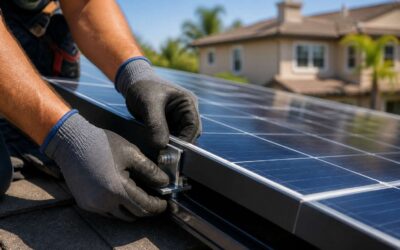
I’ve watched teams transform a dusty attic and a sleepy roof into a quiet powerhouse, step by step. On-site, the rhythm is steady: mounts rise, panels settle into their slots, and cables sneak to the inverter. By day’s end, the system looks almost civic—polite, efficient, and ready to greet the morning sun.
What to expect in the installation timeline:
- Access and safety brief
- Mounting, cabling, and panel placement
- System check and commissioning
Costs, Financing, and Incentives
Upfront Costs and Value Proposition
Upfront costs cover more than the panels. You’re paying for mounting, wiring, inverters, and permits, plus professional installation. A smart solar panel and installation plan can trim daytime bills, boost home value, and keep the lights on during outages!
Financing keeps the dream within reach. Options include cash, a bank loan, or energy financing, plus leases and PPAs:
- Cash purchase with immediate ownership
- Bank loan with predictable payments
- Lease or PPA reducing upfront costs
Incentives vary by municipality, and many South African homeowners see a shorter payback thanks to energy savings and resilience. Local rebates and tax considerations can shave initial costs; the value proposition grows as electricity prices rise and homes gain a modern, sustainable edge.
Financing Options and Leases
Bold savings begin with a bold idea: a solar panel and installation can cut daytime electricity use by up to 60%, while letting your home wear its green credentials with pride! Yet upfront costs go beyond panels—mounting hardware, wiring, inverters, permits, and skilled installation all shape the final bill and the return you savor.
That reality invites thoughtful planning. A carefully designed setup prioritizes where power is used, keeps daytime bills low, and preserves essential lighting during outages—keys to a more self-reliant home.
- Cash purchase for immediate ownership
- Bank loan with predictable repayments
- Lease or PPA reducing upfront costs
Financing options help turn potential into reality, aligning monthly savings with affordable terms. For many South Africans, energy financing or PPAs unlock a solar panel and installation without delay.
Incentives vary by municipality; rebates and tax considerations can shave initial costs. In South Africa, energy savings grow as electricity prices rise, and a modern system adds resilience and a sustainable edge to any home.
Tax Credits, Rebates, and Incentives
In a country where daytime outages and rising bills are a daily fact, a solar panel and installation can trim daytime grid use by as much as 60%. Yet the price tag isn’t only for panels; mounting hardware, wiring, inverters, permits, and skilled installation shape the final bill and the return you savor.
Costs can be softened with thoughtful financing:
- Cash purchase for immediate ownership
- Bank loan with predictable repayments
- Lease or PPA reducing upfront costs
Incentives vary by municipality; rebates and tax considerations can shave upfront costs. In South Africa, energy savings grow as electricity prices rise, and a modern system adds resilience and a sustainable edge to farms, towns, and the homestead.
Net Metering and Long-Term Savings
In South Africa, daytime outages and rising electricity prices are a daily fact. The true cost of going solar isn’t just panels; it includes mounting hardware, wiring, inverters, permits, and skilled installation. A well‑executed solar panel and installation lowers daytime grid draw and boosts resilience for homes, farms, and towns.
Financing turns a sizable upfront bill into a steady, predictable benefit. Flexible options let you synchronize costs with savings, so your system starts paying for itself from day one. Net metering and related terms can further improve cash flow:
- Net metering credits reduce daytime consumption by sending surplus energy back to the grid.
- Tariff structures and utility rules shape the payback timeline!
Incentives vary by municipality, but long‑term savings remain consistent as electricity prices climb. A well planned solar panel and installation becomes a hedge against price volatility and a durable asset for households, farms, and communities.
Warranty and After-Sales Support
Sunlight is a patient lender; in South Africa, daytime outages and rising tariffs sharpen opportunity. A purposeful solar journey redraws your energy map, turning glare into steadiness and peace of mind.
Costs stretch beyond the array to the quiet mechanics that hold it together: mounting hardware, wiring, inverters, permits, and skilled installation.
- mounting hardware
- wiring and protection
- inverters
- permits and inspections
- professional installation
Financing transforms a hefty upfront bill into predictable savings for a solar panel and installation, letting the system begin earning from day one.
- cash purchase
- solar loan
- lease or PPA
Incentives vary by municipality, yet warranties and after-sales support anchor performance and value.
- equipment warranty
- workmanship warranty
- monitoring and service
Maintenance, Performance, and Longevity
Routine Maintenance and Cleaning
South Africa’s solar installations have grown by more than 25% year on year, a sunny testament to practical optimism. We know your solar panel and installation deserve care, because well-tended systems perform with the quiet efficiency that makes a grid-tie consumer blush with envy. A bit of routine attention preserves output and protects the investment.
Maintenance isn’t glamorous, but it’s indispensable. Dust, shade, and weather can erode gains; a watchful eye on cleanliness and integrity of the hardware can stave off creeping losses. Regular monitoring reveals anomalies before they become excuses to shout at your meter.
When kept in good order, the performance of your solar panel and installation holds up across seasons, translating sunshine into stable savings. We know longevity comes from treating the system as a living asset rather than a one-off purchase; routine care sustains efficiency, preserves warranty value, and keeps conversations with your energy provider benign.
Performance Monitoring and Diagnostics
A quiet hum of sun-powered progress greets us at dawn. In South Africa, where rooftop light meets the veld’s breeze, a well-kept solar panel and installation stands as a stubborn beacon of reliability. Routine attention preserves output and protects the investment. Keeping the optics clear and the frames tight isn’t glamorous, but it’s money in the bank.
Performance monitoring turns that quiet hum into measurable confidence. Modern systems whisper through dashboards, flagging anomalies before they widen into costly losses. Diagnostics read the system’s pulse, catching issues without guesswork.
- Real-time dashboards and alerts
- Seasonal trend analysis
- Early fault detection with minimal disruption
Viewed as a living asset, the installation ages with steady hands and thoughtful care. Longevity hinges on consistent oversight, preserving warranty value and keeping the South African sun turning savings into a quieter, steadier future.
Optimizing for Shading, Orientation, and Tilt
Maintenance for the solar panel and installation is a quiet discipline: screening for shading intrusions, clearing dust, and tightening mounting hardware. In the South African light, even a small misalignment erodes energy. Routine attention preserves output and protects the warranty, turning average days into reliable power.
Performance hinges on shading, orientation, and tilt—the trio that turns sunlight into steady harvest. When shading is minimized, panels drink more watts; proper orientation follows the sun’s arc across South Africa’s skies; tilt angles adapt with seasons for maximal capture. Seasonal adjustments yield tangible gains!
- Shading control
- Orientation alignment
- Tilt angle tuning
As the solar panel and installation age, steady care keeps value intact and margins predictable. Longevity hinges on thoughtful oversight, ensuring corrosion doesn’t creep and protective coatings stay intact. The result is a quieter, steadier future where energy savings outlast every weathered season.
Battery Storage: When to Consider It
Sunlight is free, but the quiet discipline of maintenance keeps the harvest honest! In a capable solar panel and installation, battery storage deserves vigilant care: guard the system’s health and shield connections against corrosion.
Performance blossoms when storage rides the sun’s arc, shifting daytime surplus into the night. In South Africa’s rhythm of outages and tariffs, I’ve seen a well-sized storage system make self-consumption sing and the grid breathe a little easier.
- Frequent outages
- High daytime tariffs
- Wanting true independence
Longevity hinges on temperature balance and understated stewardship; with proper care, the storage system ages gracefully and keeps delivering, season after season, quietly faithful.
Extending System Lifespan with Proper Care
Maintenance is the quiet vigil that keeps the sun’s bounty true; a recent study shows regular upkeep can preserve up to 95% of a solar system’s output over a decade. In South Africa, neglect invites corrosion as dust and loose connections creep in.
Performance blossoms when the system rides the sun’s arc with disciplined care. Clean panels, proper tilt, and vigilant monitoring transform daytime surplus into reliable night-time power.
- Check connections and insulation
- Monitor voltage and current with a simple app
- Inspect cabling for wear after storms
Longevity hinges on temperature balance and understated stewardship; with proper care, the system ages like a quiet cathedral. For a solar panel and installation, a disciplined rhythm—seasonal checks, firmware updates, and gentle cleaning—extends life and keeps the lights singing season after season.

0 Comments