Why Panel Security Clamps Matter for Solar Installations
Understanding the Risk to Solar Assets and Installations
Sun-powered dreams meet a hard reality: rooftop theft is a real punchline in South Africa. The glare of the sun brings opportunity, but it also draws opportunists to unattended installations. Security matters more than you think, and smart choices like solar panel anti theft clamps can preserve energy generation, protect warranties, and spare you the dramatic misadventure of chasing a thief down the street.
Here’s how risk shows up on the rooftop battleground:
- High-value assets in plain sight invite curious hands
- Wind, rain, and temperature shifts loosen fixtures over time
- Urban and rural pockets differ in tampering likelihood
Getting the right clamps into the system isn’t vanity; it’s a quiet, practical safeguard that keeps the sun working for you, not against you.
How Clamps Deter Theft Compared to Other Security Measures
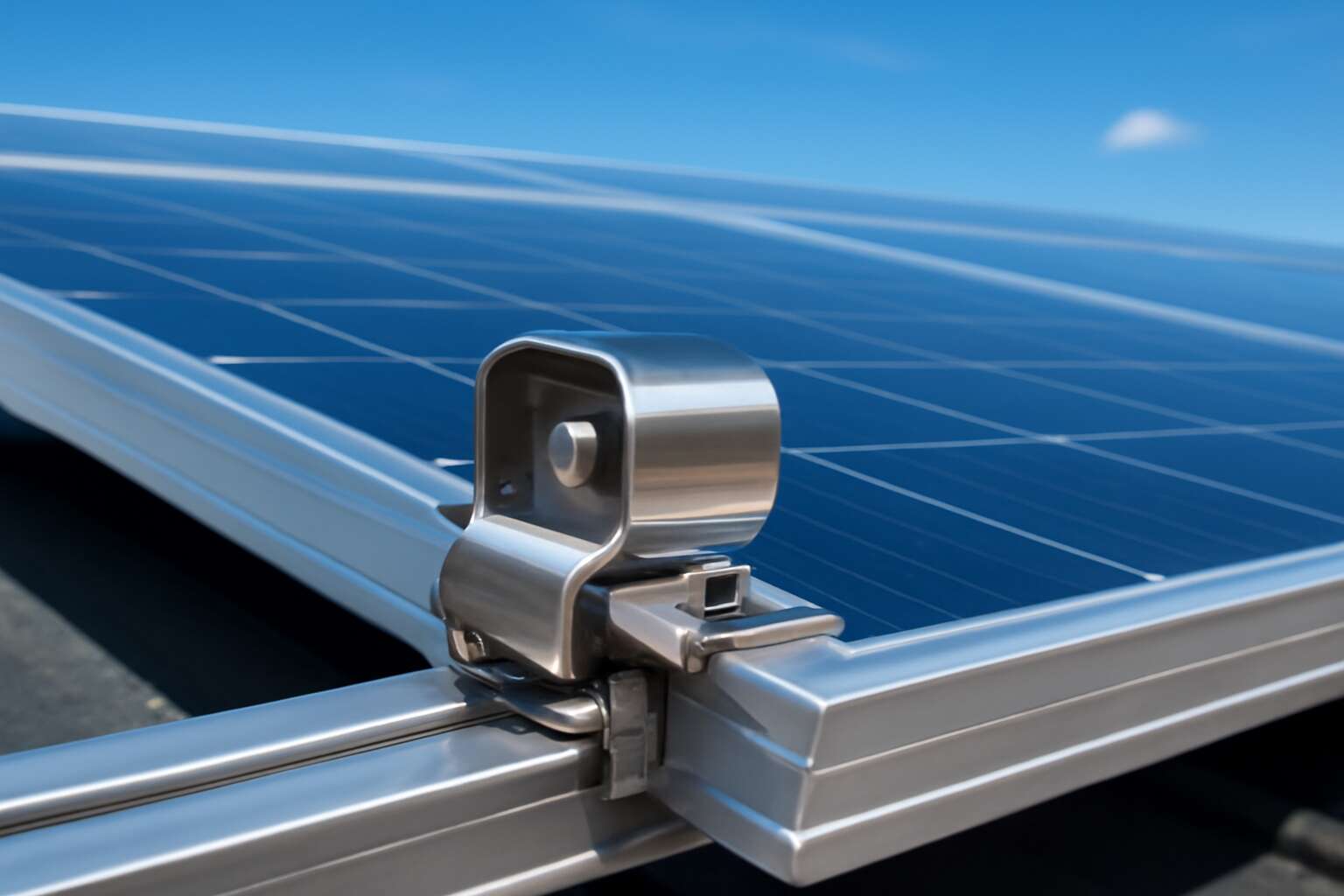
Panel security isn’t cosmetic; it’s practical. On busy SA rooftops, stopping theft at the source saves cash, downtime, and the drama of chasing culprits. That’s where solar panel anti theft clamps come into play. They secure rails to panels with robust hardware and tamper-resistant finishes, turning a quick grab into a stubborn, unprofitable prank.
- Visible deterrence that slows grab-and-go thefts.
- Easy retrofitting onto existing setups without rewiring.
- Low ongoing maintenance in harsh sun and wind.
In the comparison with other security measures, clamps integrate into the system rather than sticking out as an afterthought. They provide tangible, cost-efficient protection that doesn’t rely on electricity to do its job and keeps your solar investment humming through seasons of heat and hail.
Insurance, Warranty, and Value Implications
Security isn’t a luxury; it’s revenue protection. On busy SA rooftops, a single theft can derail production and sour client trust. That’s where solar panel anti theft clamps come into play, quietly turning risk into resilience by anchoring rails to panels with rugged hardware and tamper-resistant finishes.
Insurance and warranty angles follow the same logic: visible, robust security may sway insurers toward easier claims and continuous coverage, while manufacturers often reward compliant installations with smoother warranty handling and fewer dispute costs.
From a value standpoint, a secure installation communicates durability to buyers and lenders, safeguarding resale value and long-term ROI in a market that prizes asset integrity.
- Lower risk of theft-related claims influencing premiums
- Consistent warranty coverage with compliant security
- Higher perceived value for secure solar assets
Geographic and Environmental Considerations for Security
On South Africa’s rooftop horizons, where the sun powers more than your wallet and more than your dreams, a single theft can erase weeks of hard-won yield. I’ve watched busy skylines slow to a hush as alarms echo and certainty wavers—security isn’t a frill, it’s revenue protection in the bright glare of noon.
Geography and climate carve distinct security needs. For solar panel anti theft clamps, durability means more than steel; it means endurance against salt air on the coast, dust across the veld, blistering heat, and fierce wind. In our market, coatings and fit must thrive amid these environmental pockets with grace and resilience.
- Coastal salt spray and corrosion challenges
- Wind uplift and gusts on exposed ridges
- Dust, sand, and UV-bleached surfaces in inland regions
- Temperature swings from cool nights to scorching days
When these clamps weather the elements, they whisper value to buyers and lenders, turning risk into a quiet anchor for secure solar assets and steady long‑term returns.
Choosing the Right Clamps for Your Solar Installation
Material Options and Durability
Sunlight is a generous storyteller, but in South Africa, mischief shadows the panels—one in five exposed installations report tampering in the first year. Such tales demand sentinels that stand against wind and opportunists alike.
Choosing the right clamps means matching them to rail profiles and panel arrays, balancing weight, wind load, and quick assembly. Solar panel anti theft clamps are more than hardware — they are guardrails for the sun, quietly ensuring the day’s power remains untroubled. In practice, we’ve seen the quiet difference this makes when a storm rolls in.
- 316 stainless steel for coastal and high-salinity zones
- anodized aluminum for lighter, corrosion-resistant frames
- galvanized steel with epoxy coating for rugged, cost-conscious installations
Durability thrives where UV, heat, and rust fear to tread. In the South African landscape, the right choice means resilience across desert, coast, and urban heat—where solar panel anti theft clamps become the unsung guardians of every radiant day!
Locking Mechanisms and Security Ratings
In South Africa, 18% of exposed solar installations report tampering within the first year—storms may roar, but mischief often strikes quietly. Locking mechanisms and security ratings act as a quiet patrol over the rails, turning sunlight into steadfast continuity. Choosing the right clamps is choosing guardians for the day’s power—these solar panel anti theft clamps. I’ve seen how the right guard can calm a rooftop even when hail drums on the metal.
Choosing the right clamps means matching them to rail profiles and panel arrays, balancing weight, wind load, and quick assembly.
- Locking mechanisms that resist torque and prying
- Tamper-evident seals for quick verification
- Anti-rotation and anti-vibration features
- Coatings suited to coastal or desert exposure
Look for security ratings backed by third-party testing and clear wind-load specifications, ensuring your clamps hold through gusts and time. A robust system blends with the roof and the sun, never shouting, always protecting!
In the end, the right clamps feel almost like a promise—a quiet, invisible chassis guarding a day’s harvest from dawn to dusk.
System Compatibility with Racking and Panel Sizes
Rooftop shadows hold secrets, and in South Africa the sun rewards the careful. Choosing clamps means syncing with rail profiles and panel arrays, balancing weight, wind, and fast, clean installation. The solar panel anti theft clamps should speak the language of the racking system—quiet, resolute, as if the sun itself bears witness.
Alignment with rail and panel geometry determines longevity. Look for clamps that accommodate exact rail footprints and irregular layouts without forcing changes. The right choice is a quiet guard—one that respects the wind and the weight of each module.
- Rail profiles matched to clamp footprint
- Panel array geometry supports single- or multi-row layouts
- Tool-free installation for fast, secure mounting in SA conditions
Flexibility in Installation and Mounting Methods
South Africa enjoys around 9 to 10 hours of peak sun on clear days, and that abundance asks for quiet, steadfast hardware. Choosing clamps means embracing flexibility in installation and mounting methods—no two roofs are alike, and no panel array stays perfectly square in the wind. The right solar panel anti theft clamps align with your rails and panels, bearing the weight without shouting. They feel like a southern sunset: steady, inevitable, and ready to witness the day.
On farms and in townships alike, I’ve watched clamps that adapt to irregular layouts and variable sun angles earn trust. That’s the beauty of solar panel anti theft clamps—they stay with the system through seasons. They are a quiet guardian, distributing load, resisting wind, and keeping theft at bay without fuss. In SA conditions, the best choice respects the land and its people—durable, unobtrusive, and easy to audit when maintenance comes calling.
Technical Specs and Installation Best Practices
Mounting Hardware and Corrosion Resistance
Sun-scorched or sea-salted, South Africa’s solar assets need protection that can survive a fickle climate. The most reliable shield isn’t a wall; it’s solar panel anti theft clamps that stand up to theft attempts and weather alike. They’re the first line of defense you can trust.
Key specs: 316 stainless steel for coastal zones, or 304 inland; corrosion-resistant finishes such as epoxy powder coat or galvanised coatings; compatible with common racking and panel sizes. When chosen wisely, these clamps maintain performance from the Karoo to the coast.
- 316 stainless steel or equivalent for long life
- Epoxy coating or galvanised finish for salt spray resistance
- Compatibility with standard rail systems and panel dimensions
With solar panel anti theft clamps as the core, installation best practices emphasize secure mounting with minimal maintenance: check fasteners for wear, ensure proper alignment with rails, and prefer tamper-resistant designs suited to South African installations.
Torque, Fastening, and Safety Considerations
Secure mounting is the quiet backbone of a resilient solar asset. In South Africa’s capricious climate, a well-tuned fastener is more credible than bravado. The phrase solar panel anti theft clamps deserves reverent respect—security lives in the margins of the spec.
Technical specs spell fidelity: 316 stainless steel for coastal zones or 304 inland; epoxy powder coat or galvanised finishes resist salt spray; and compatibility with standard rail systems and panel dimensions keeps installations coherent.
- Verify rail compatibility and panel footprint
- Torque to spec with a calibrated tool
- Use tamper-resistant fasteners where appropriate
- Confirm straight alignment and re-check after wind exposure
Installation best practices hinge on torque, fastening, and alignment. Follow the manufacturer’s torque ratings with a calibrated wrench, avoid over-tightening that strains rails, and favor tamper-resistant designs where security matters.
Safety considerations remind installers to wear PPE and guard against galvanic corrosion and slip hazards during service.
Cable Management and Access Considerations
On South Africa’s wind-swept rooftops, a veteran installer whispers a guiding line: “Security is a system, not a lock.” That truth anchors the solar asset, where quiet clamps stand watch as seasons turn and storms roll in.
Technical specs matter: 316 stainless steel for coastal zones and 304 inland; epoxy powder coat or galvanised finishes resist salt spray; and compatibility with standard rail systems and panel footprints keeps installations coherent. The solar panel anti theft clamps embody this fidelity.
Installation best practices hinge on cable management and access.
- Routing that respects airflow and minimizes shading
- Clear access panels and service paths
- Consistent labeling and enclosure sealing
These choices sustain alignment and performance under wind and heat.
Site Preparation, Weatherproofing, and Sealing
Sun-scorched rooftop truth: “Security is a system, not a lock,” as one veteran South African installer quips. The technical specs back him up: 316 stainless steel for coastal zones and 304 inland; epoxy powder coat or galvanised finishes resist salt spray; and compatibility with standard rail systems and panel footprints keeps installations coherent. The solar panel anti theft clamps embody this fidelity, delivering steadfast hold while the sky keeps its throne.
Site preparation and weatherproofing are the quiet gears that let the clamps do their job under wind and heat. A dry, stable mounting plane and joints built to shrug off salt spray shield the hardware.
- Enhanced corrosion resistance in coastal environments
- Durable seals that withstand UV and heat fluctuations
Sealing rounds out the trifecta by limiting moisture ingress and diffusion of heat. The result is consistent performance, minimal maintenance drama, and peace of mind on SA’s sunlit rooftops.
Maintenance, Inspection, and Lifecycle Planning
Technical specs drive long-term security and performance. For South Africa’s rooftop reality, corrosion resistance and predictable finishes matter as much as raw strength. Coastal sites benefit from 316 stainless, inland from 304; epoxy powder coat or galvanised coatings shrug off salt spray and sunlight. The solar panel anti theft clamps blend strength with compatibility, keeping theft-resilience intact through seasons.
Installation best practices emphasize even clamping and reliable seals. Torque considerations, alignment with standard rail systems and panel footprints, and attention to clearances help avoid heat build-up or cable pinch.
- Commissioning torque verification
- Post-storm visual inspection
- Seal and corrosion monitoring
Maintenance, inspection, and lifecycle planning turn a clamp into a long-term asset. Schedule annual checks for fasteners, seals, and corrosion; track warranty dates; plan for component replacement as panels or rails evolve.
Cost, Compliance, and Long-Term Value
Pricing Breakdown and Warranty Terms
Rooftop solar is reshaping South Africa’s energy story, and protection is the quiet cost that sustains it. The price tag on solar panel anti theft clamps is more than currency—it’s confidence you can count on when dusk falls.
Pricing breakdown reveals tangible value, not mystery. Here are the core components:
- Unit price for the clamps
- Installation and commissioning
- Warranty and service package
- VAT, duties, and shipping
Compliance matters as much as design. These clamps meet local safety and building codes, with clear documentation and certifications that simplify audits and insurance checks, even in exposed coastal or high-sun SA sites.
Long-term value comes from durability and a solid warranty. Expect 5 to 10 years of coverage on mechanical parts, corrosion resistance, and fit, with straightforward replacement parts that keep maintenance predictable and the return on investment tangible.
Regulatory Standards and Compliance Guidelines
The cost of solar panel anti theft clamps isn’t just the unit price; it’s installation, commissioning, VAT, shipping, and the quiet assurance that the evening switch-on actually happens. While the tag might feel sharp, the long-term savings—lower theft risk, fewer panel replacements, simpler maintenance—outweigh it.
Compliance isn’t a nuisance; it’s a feature. These clamps align with local safety and building codes, and come with documentation that makes audits a breeze. For SA sites, that means smoother insurance checks and less red tape on coastal, high-sun roofs.
- Clear safety certifications
- Install documentation for audits
- Warranty against corrosion and mechanical wear
Long-term value comes from durable materials and robust warranties. Expect 5–10 years on mechanical parts and corrosion resistance; parts are replaceable and lifecycle planning is straightforward. Regulatory Standards and Compliance Guidelines ensure that as the system ages, the clamps still perform and the roof remains intact.
Impact on Resale Value and Return on Investment
On South African rooftops, where theft can imperil a bankable solar story, the cost of protection becomes an investment in resilience. Cost isn’t merely the unit price; installation, commissioning, VAT, and shipping ride the same tide as the quiet promise that the evening switch-on will happen. Compliance isn’t a nuisance; it’s a feature that audits and insurers appreciate, quietly easing coastal, high-sun sites into steady service. The value of solar panel anti theft clamps goes beyond guards; they safeguard your asset and your cash flow.
Long-term value lifts resale value and ROI because durable materials and fixed warranties translate into predictable spending and reliable performance well into the asset’s lifespan.
- Lower theft risk translates to fewer panel replacements and downtime
- Consistent maintenance costs through modular, replaceable parts
- Quicker resale processes and potentially stronger insurance terms
These factors compound, keeping a roof investment enviably evergreen.
Supplier Reputation and Aftercare Support
Cost isn’t merely the sticker price. In South Africa, installation, VAT, commissioning, and shipping ride the same tide as the evening switch-on. When compliance is built into solar panel anti theft clamps, insurers see resilience, not risk, turning protection into cash-flow steadiness.
Long-term value comes from durable materials, fixed warranties, and predictable maintenance costs that protect your ROI well into the asset’s lifespan.
- Durable materials and fixed warranties
- Modular, replaceable parts for easy upkeep
- Trusted supplier networks for service and support
Supplier reputation and aftercare support seal the deal in crowded markets. Local presence means faster service, genuine parts, and calm compliance in transitions!

0 Comments