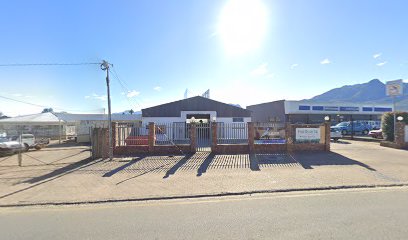
Solarframe CC is a Solar energy equipment supplier establishment in George, Western Cape, South Africa
George
Western Cape
South Africa
Sorry, no records were found. Please adjust your search criteria and try again.
Sorry, unable to load the Maps API.
Solar Energy Equipment Supplier Services in George, Western Cape
<pIn the town of George, Western Cape, solar energy equipment suppliers provide a range of services tailored to residential, commercial, and agricultural needs. The offerings reflect the region’s climate, higher daytime sunshine, and evolving electricity landscape, where customers often seek reliable, greener power options alongside practical aftersales support. Service providers typically operate as hubs for solar components, advice, and project knowledge, rather than as single-product retailers.
<pA usual service profile begins with an on-site or remote consultation to understand energy consumption, roof orientation, available space, and budget. This initial assessment helps determine whether a grid-tied system, a off-grid arrangement, or a hybrid solution is most appropriate. Suppliers may assess electrical compatibility, identify appropriate mounting solutions, and estimate potential energy generation. The aim is to shape a practical installation plan that balances upfront costs with long-term savings and reliability.
<pIn terms of product offerings, George-based suppliers commonly stock photovoltaic (PV) panels, inverters, mounting hardware, and battery storage systems. A typical portfolio includes charge controllers, monitoring equipment, wiring, fuses, disconnects, and safety products. Some businesses also provide shaded or elevated installation components for roofs and ground-mounted setups. Emphasis is placed on durability for local weather conditions, including coastal humidity and the potential for high heat, which can affect performance and longevity.
<pInstallation services are a hallmark of the sector. Qualified technicians may undertake system design, permitting assistance where required, electrical integration, and practical installation work. The process often involves securing proper mounting, wiring the array to inverters, and configuring energy storage if batteries are included. After installation, attention usually turns to commissioning, performance testing, and user education so that clients understand basic system operation, monitoring dashboards, and how to respond to alerts or faults.
<pMaintenance and after-sales support form a critical part of the service model. Routine checks might cover wiring integrity, inverter performance, battery health (for storage systems), and cleaning of PV surfaces to maintain efficiency. Some suppliers offer planned maintenance programmes, emergency callouts, and guidance on optimising energy use during peak demand periods or grid instability. Local knowledge is often valuable for advising on winter consumption patterns and how to take advantage of net metering or feed-in tariffs where applicable.
<pFinancial considerations are commonly addressed through flexible options. Purchasers may encounter several payment routes, including upfront purchases, staged payments linked to project milestones, or financing arrangements arranged through partner lenders. Many suppliers provide a transparent breakdown of component costs, installation timeframes, and expected performance without guaranteeing fixed outputs, since solar generation is subject to weather and usage patterns. Customers are encouraged to weigh long-term energy savings against initial expenditure, and to consider potential resale value or property improvements from an upgraded solar system.
Practical factors influence decision-making in George. Local electrical codes, permitting processes, and the availability of skilled technicians affect project timelines. Suppliers typically advise on choosing equipment with reputable warranties, compatible components, and appropriate emergency shut-off procedures. For rural or agricultural operations, off-grid or hybrid configurations may offer resilience during load-shedding, while urban or suburban homes might prioritise grid-tied solutions with storage to maximise daytime self-consumption. The end result is a customised plan that supports dependable power, reduced utility bills, and a familiar point of contact for ongoing support.