Solar Supply Durban is a Solar energy system service establishment in Kranskop, KwaZulu-Natal, South Africa
Solar Supply Durban: Solar energy system services in Kranskop, KwaZulu-Natal
Solar Supply Durban presents itself as a provider of modular solar power solutions designed to fit individual budgets and energy needs. Emphasising customisation, the company states that systems are designed to match personal requirements so that customers can access renewable energy without incurring unnecessary costs. The offering centres on a complete, integrated approach to solar, combining solar panels, inverters, battery storage and optional off-grid capacity to form a seamless power solution for homes and businesses in the KwaZulu-Natal region.
A core feature highlighted on the site is the modularity of the systems. By prioritising upgradeability, Solar Supply Durban positions its products as long-term investments that can be expanded over time as energy requirements evolve. This approach aligns with practical considerations for customers who want to adapt their solar installations in response to changing electricity usage, utility tariffs and the pace of technological advancement.
The product range includes several pre-packaged options designed to deliver both cost effectiveness and reliable performance. Examples shown include multiple power sizes and configurations, such as all-in-one and hybrid-style packages, commonly described in the catalogue as 5kW, 8kW, 10kW, 12kW, 16kW and larger systems. Each package is paired with a monthly repayment figure, reflecting a finance-orientated positioning that encourages customers to view solar as a payable, long-term solution rather than an upfront purchase alone. A finance calculator is featured on the site, offering estimates for deposits, term lengths and projected repayments, with the caveat that actual terms depend on individual credit profiles.
The Solar Supply Durban offering spans both residential and commercial segments. On the residential side, the company promotes a route to substantial reductions in electricity bills and greater energy independence during outages, while also noting the environmental benefits and potential property value uplift associated with solar investments. In the commercial sphere, the site describes solar energy projects that are typically larger in scale and tailored to the specific energy needs of businesses, hotels or other facilities. The platform acknowledges that project size varies according to output requirements, aligning with the practical reality of solar installations across diverse commercial contexts.
In addition to equipment sales and installations, the site mentions solar financing options through major South African banking channels and rental arrangements such as Solar Energy Rental Agreements (SERA/PPRA). This indicates an emphasis on providing alternative funding routes to suit different financial preferences and project scopes, from owner-occupied homes to larger commercial deployments.
Customer experiences documented on the site reflect a focus on reliable service delivery and responsive communication. Visitor testimonials highlight prompt responses, clear quotations, and smooth handling of customised requests. Several reviewers praised efficient project execution, neat installations and ongoing support, including after-hours service for specific needs. The feedback suggests a service model that values stakeholder involvement, practical design alternatives and steady project management from initial design through installation and commissioning.
The service portfolio is complemented by references to broader solar project activity, with links to installations and case studies that illustrate the end-to-end nature of the offering—from initial design concepts and alternatives to on-site installation and management oversight. The website also points readers toward industry updates and policy developments related to rooftop solar, indicating an awareness of the regulatory context that can affect residential and commercial solar projects in South Africa.
Typical job types referenced include residential rooftop installations and larger commercial installations, spanning hospitality, retail and other business sectors where dependable power and resilience are valued. The emphasis on a complete power solution—solar generation, energy storage and backup capability—frames Solar Supply Durban as a provider focused on end-user reliability and uninterrupted power supply, particularly in regions affected by load shedding and power instability.
Practical tips for customers planning a solar project include starting with an honest assessment of current electricity usage and peak demand, considering future growth when selecting a package, and reviewing financing options early in the planning process. It is prudent to examine the scalability of the chosen system, confirm the availability of parts and service in the Kranskop area, and pay attention to installation timelines and after-care support. When evaluating quotes, customers should compare the total cost of ownership, including maintenance and potential adjustments over time, alongside the stated upgrade paths for modular systems.
Solar Supply Durban serves a broad area in KwaZulu-Natal, offering solutions for homes and businesses seeking to reduce dependence on traditional grids while enhancing energy resilience. The combined focus on modular design, diverse package options, financing flexibility and a track record of customer-oriented installation support positions the company as a notable option for solar energy system services in Kranskop and surrounding regions.
KwaZulu-Natal
South Africa
Sorry, no records were found. Please adjust your search criteria and try again.
Sorry, unable to load the Maps API.
Solar Energy System Services in Kranskop, KwaZulu-Natal
In Kranskop, KwaZulu-Natal, solar energy system services focus on sustaining, repairing, and upgrading photovoltaic (PV) installations that support homes and small businesses. The service landscape typically includes professional assessment, system design adjustments, installation or reinstallation, routine maintenance, and urgent fault repair. Technicians operate within a regional context that blends rural accessibility with growing demand for reliable power, driven by intermittent grid supply and the region’s warm, sunny climate.
Initial assessments usually begin with an on-site review of current equipment, electrical load profiles, and available roof or ground mounting space. A licensed technician may verify the integrity of PV modules, mounting hardware, wiring, and safety features, while considering shading from nearby trees or structures and the potential for livestock or vegetation to interfere with cables. For systems requiring upgrades, the assessment may explore higher-efficiency modules, optimised inverter configurations, or expanded battery storage to align with consumption patterns and budgetary constraints.
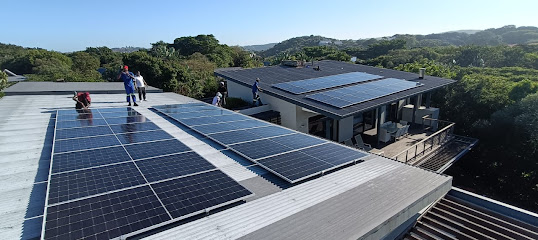
Installation and retrofitting work in Kranskop adheres to prevailing South African standards for electrical compliance and safety. Installers typically plan for weather conditions that can influence scheduling, particularly during the rainy season, and ensure that all work minimises disruption to daily life. The process often involves mounting modules on suitable frames, connecting to an inverter or hybrid inverter, integrating battery storage where appropriate, and establishing safe cabling routes. In rural settings, attention may be given to securing components against wind, dust, and potential vandalism, as well as ensuring accessible maintenance points for future care.
Maintenance and servicing form a critical component of the local solar economy. Regular tasks include cleaning PV modules to maximise light capture, inspecting wiring for wear or corrosion, testing charge controllers, inverters, and battery health, and checking automatic switching devices and circuit protection. Battery management is especially important in KwaZulu-Natal, where climate can influence charging cycles and depth of discharge. Servicing may also cover monitoring system performance against expected output, identifying underperforming strings, and recalibrating optimisers or monitoring software to reflect changing consumption needs. Where cloud cover or heat affects performance, technicians may propose adjustments to configuration to maintain reliability and efficiency.
Potential customers can expect a clear diagnostic approach and practical recommendations, rather than abstract promises. Common outcomes include improved energy capture, more stable power availability during outages, and guidance on how to reduce grid dependence. For systems connected to the grid, evaluators may review export limits, net metering arrangements, and compliance with local distribution company requirements. Off-grid solutions often emphasise storage capacity planning, inverter sizing, and load prioritisation to ensure essential circuits remain powered during low solar generation periods.
Operational considerations in Kranskop include travel logistics, given rural transport routes and seasonal weather. Home and business owners should prepare for temporary interruptions during service visits, particularly if major components require reach from roofs or remote locations. Scheduling considerations may favour elapsed daylight hours for inspections and testing, with safety checks conducted during daytime to ensure clear visibility. It is prudent to maintain records of warranties, service intervals, and any replacement parts to support system longevity and resale value.
- System health checks and performance monitoring
- Panel cleaning and visual inspections for damage or soiling
- Inverter, charge controller, and battery testing
- Wiring, safety devices, and earthing verification
- System optimisation recommendations and retrofit planning