SNL ELECTRICAL & ELECTRONICS PTY LTD is a Solar energy company establishment in Kranskop, KwaZulu-Natal, South Africa
SNL Electrical & Electronics Pty Ltd — Solar Energy, Electrical Installation and Off‑Grid Solutions
SNL Electrical & Electronics Pty Ltd, established in 2010, operates as a versatile electrical contractor serving KwaZulu-Natal, with a notable focus on solar installations and backup power projects. From modest domestic upgrades to larger commercial undertakings, the company presents itself as a provider of practical, innovative solutions to everyday electrical challenges. The firm emphasises a comprehensive service offering that spans electrical installation, solar installations, and off‑grid systems, positioning itself as a domestic, commercial and industrial specialist capable of handling system replacements, new wiring, additional power points, lighting improvements and safety certificates alongside renewable energy projects.
In terms of service scope, SNL highlights core activities that buyers commonly require in the energy and electrical space. Domestic electrical installations and repairs sit alongside commercial and industrial projects, with capabilities that include fault finding, safety certificates, and lighting upgrades. The company’s solar focus encompasses solar installations, grid‑tie options, and off‑grid systems, suggesting a capacity to design and implement both grid‑connected and independent power solutions. The portfolio described on the site indicates an ability to manage end‑to‑end projects—from initial assessment and consultation through to installation and commissioning.
Customer experience, as reflected in independent feedback, portrays SNL Electrical as a well‑regarded and dependable supplier. Reviewers repeatedly describe professional, polite teams that communicate clearly throughout the process. Quoting and decision support are noted as part of the initial engagement, with clients appreciating timely responses and ongoing guidance as they compare options. The workmanship is frequently praised for its neatness and high quality, with installations described as tidy, robust, and well planned to meet specific requirements.
Several reviews highlight the effectiveness of after‑sales support. Consumers report reliable back‑up service, proactive monitoring, and willingness to address follow‑up questions or adjustments after installation. This suggests a service model that aims to balance upfront installation quality with sustained operational assurance, a critical consideration for solar and inverter systems where long‑term performance hinges on monitoring and timely maintenance.
Geographic coverage is anchored in KwaZulu‑Natal, with explicit reference to local projects and client experiences in the region. The company’s contact information, including multiple phone channels and email addresses, points to a straightforward customer journey: initial inquiry, site assessment, proposal, scheduling of work, installation, and post‑installation support. The practice of offering tailored advice and custom solutions is evident in client reviews that commend the team’s openness to understanding individual needs and delivering practical, cost‑effective outcomes.
Typical jobs, as inferred from the services listed and the reviews, include:
- Domestic electrical installations and rewiring projects.
- Commercial electrical upgrades and safety improvements.
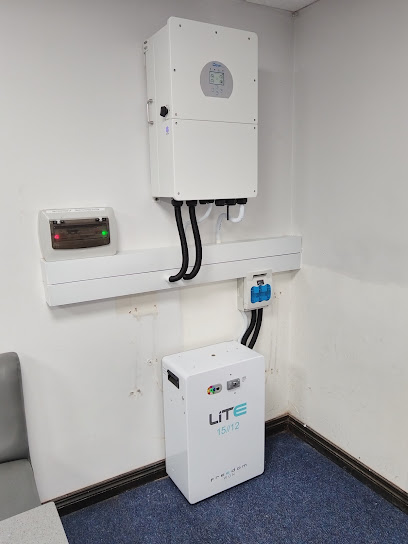
- Solar PV installations for homes and businesses, including lithium battery and inverter configurations.
- Grid‑tie solar systems alongside off‑grid backup solutions for areas with intermittent electricity supply.
- Electrical fault finding, panel upgrades, and installation of power points and lighting.
How requests commonly work, based on the available information and client experiences, appears to follow a predictable pattern: an initial enquiry or quotation stage, followed by a design or recommendation phase, then installation and handover, with post‑installation follow‑up as needed. Clients emphasise clarity in communication, punctual project delivery, fair pricing, and professional conduct throughout the engagement.
Practical tips for customers considering SNL Electrical & Electronics include:
- Prepare a clear brief of needs (solar capacity, grid connection preferences, backup requirements) to aid accurate quotations.
- Ask for a written project plan and a timeline, including milestones for inspection and handover.
- Request details about inverter and battery specifications, warranty terms, and maintenance support to ensure long‑term system reliability.
- Clarify post‑installation monitoring arrangements and what constitutes routine service visits.
- Document existing electrical infrastructure (breaker panels, main supply) to help assess compatibility with planned upgrades.
Site notes: SNL Electrical & Electronics Pty Ltd is listed with a Queensburgh address and operates within KwaZulu‑Natal. The business presents itself as cost‑effective, with a stated commitment to 100% customer satisfaction and a 5‑star service ethos in its public communications. For potential clients in Kranskop and surrounding areas, this combination of domestic, commercial and solar capabilities provides a single point of contact for integrated electrical and renewable energy projects, delivered with attention to appearance, neatness, and practical results.
KwaZulu-Natal
South Africa
Sorry, no records were found. Please adjust your search criteria and try again.
Sorry, unable to load the Maps API.
Solar energy services in Kranskop, KwaZulu-Natal
In Kranskop, KwaZulu-Natal, solar energy providers offer practical, on-site solutions designed to reduce energy costs and increase resilience for homes and small businesses. The typical service journey begins with an assessment of energy needs and site conditions, followed by a customised design that accounts for roof orientation, shading, electrical capacity, and local weather patterns. By considering Kranskop’s climate, installers aim to maximise daylight production while ensuring safety and reliability throughout the year.
Consultation and site assessment form the foundation of the process. A technician visits the premises to review electrical panels, main supply points, and existing wiring. They evaluate roof structure, mounting feasibility, and expected solar exposure across the seasons. This stage also involves a preliminary discussion about budget, desired outcomes, and any constraints such as available roof space, planning permissions, or neighbourhood covenants. The resulting plan typically includes system size, layout of panels, inverter selection, and, if appropriate, battery storage requirements.
Solar photovoltaic (PV) systems designed for Kranskop commonly fall into two broad categories: grid-tied configurations and off-grid or hybrid arrangements. Grid-tied systems feed electricity back into the local grid when sun is abundant and draw from the grid when needed, usually without storage. Off-grid or hybrid systems incorporate battery storage to provide power during night hours or outages, offering greater reliability in areas with variable grid performance. In each case, professional design ensures appropriate capacitor and earthing practices, surge protection, and compatibility with the existing electrical distribution board.
Installation typically involves mounting the solar modules on a suitable surface, routing DC cabling to optimisers or combiner boxes, and connecting to the inverter, which converts solar energy into usable alternating current. Depending on the configuration, additional components may include a charge controller, battery bank, monitoring hardware, and a mains isolation switch for safety. Certified electricians or technically competent teams handle connections to the main distribution board, observe correct earthing, and ensure compliance with local electrical regulations. The process emphasises clean cable management, weather sealing, and safeguarding roof integrity to withstand regional weather conditions such as heavy rainfall or wind gusts common in KwaZulu-Natal.
After installation, a monitoring and maintenance plan helps sustain performance. Modern systems can provide remote monitoring data on production, consumption, and battery status, enabling straightforward fault detection and performance optimisation. Routine maintenance often includes visual inspections, module cleaning if necessary, inverter firmware checks, and monitoring of battery health where storage is employed. Warranties and service agreements vary, but customers typically receive assurances on workmanship, module quality, and component performance for a defined period.
Practical considerations for customers in Kranskop include the suitability of roof space and structural strength, anticipated energy savings, and the local electrical supply environment. A site with southern or western exposure may still deliver significant daytime energy, particularly when panels are placed to avoid shading from nearby trees or structures. Local weather patterns influence system sizing and storage strategies, with more storage or higher capacity in homes or businesses with large evening or intermittent daytime electricity needs. In addition, electrical safety, compliance with municipal or provincial guidelines, and the need for professional installation are essential factors guiding the overall approach.
Overall, solar energy services in Kranskop offer a measured pathway to greater energy independence. By combining site-specific design, careful installation, and ongoing performance monitoring, residents and enterprises can realise the practical benefits of solar power while navigating the practical realities of KwaZulu-Natal’s landscape and infrastructure.