Royal Power is a Solar energy company establishment in Sandton, Gauteng, South Africa
Royal Power: Solar Energy Solutions in Sandton, Gauteng
Royal Power operates as a solar energy provider situated in Sandton, Gauteng, offering a range of solar power solutions designed to help homes, businesses and estates manage electricity costs and reduce carbon footprints. The company presents a structured service model aimed at delivering practical, long-term energy savings through solar installations that align with contemporary energy needs and loadshedding pressures.
The core services span three primary segments. Residential Solar Solutions focus on helping households lower electricity bills, shrink their carbon footprint and potentially increase home value through solar adoption. Commercial Solar Solutions target businesses seeking predictable energy costs, energy independence and positive corporate responsibility outcomes, while Estate Solar Solutions address larger developments by delivering reliable solar power to residents and ensuring stable energy expenses for managed communities. Across these segments, the emphasis remains on delivering clean, sun-driven electricity and highlighting the financial and environmental benefits of solar investments.
From the customer experience perspective, Royal Power promotes a consultative approach to starting new projects. A notable feature is the complimentary feasibility assessment, marketed as a free consultation worth R1 500. This service involves a consultant visiting the site to conduct a full survey, intended to outline how solar energy can benefit the client’s bottom line and environmental objectives. The inclusion of an on-site assessment signals an emphasis on tailoring systems to individual sites, consumption patterns, and space constraints. The process described suggests a move from initial inquiry to a practical, customised plan rather than a generic offering.
In addition to the standard solar installations, the provider signals awareness of loadshedding and the practical need for uninterrupted lighting. The portfolio described includes solutions such as rechargeable LED lights, bulbs, batteries, and solar panels designed to keep lighting functional during power interruptions. This indicates an integrative approach to energy resilience, combining generation with storage and efficient lighting to maximise uptime and comfort for clients.
Technical grounding in how solar energy works is presented in simple, stepwise terms. The overview covers the typical sequence: solar photovoltaic panels capture sunlight and generate direct current (DC) electricity; an inverter converts DC to alternating current (AC) for use in buildings; excess energy can be stored in a battery or fed back to the grid; and additional electricity can be drawn from the grid as needed. This depiction reinforces the practical, technology-driven nature of Royal Power’s offerings and helps prospective customers understand how a solar system integrates with existing electrical infrastructure.
From a practical standpoint, customers are encouraged to consider several factors when evaluating solar installations. The information suggests that solar power can offer long-term savings, reduce grid reliance, and mitigate exposure to fluctuating electricity prices. There is also an implication that properties with solar installations may be more attractive to buyers, with potential resale benefits, though specific figures are not asserted in the available materials. Prospective clients are encouraged to reflect on energy usage, site feasibility, and how solar could fit with desired levels of grid connection and storage.
Operational considerations noted include shopping for system components and ancillary products through an online catalogue and category pages that cover battery components, circuit protection, surge protection, and protection devices. A dedicated section for Estates and Developers indicates a focus on larger-scale projects and collaborations with developers or property managers to deliver solar solutions across multiple units or communities.
Practical tips for customers considering Royal Power include arranging the free feasibility survey to obtain a customised assessment, verifying site conditions for optimal panel placement and storage configuration, and evaluating both current electricity consumption and future growth to determine the appropriate system size. It may also be prudent to explore the impact of solar on property value and resale prospects within the local Sandton and Gauteng market, where energy costs are a common consideration for property owners and investors.
For those planning a visit or inquiry, the Sandton base situates Royal Power within a prominent business hub of Gauteng, with the company positioning itself as a local partner for solar-enabled, energy-smart facilities. While specific business hours are not listed here, prospective customers can expect the standard industry approach of scheduling consultations during weekdays and coordinating on-site visits for feasibility assessments and surveys.
Overall, Royal Power presents a comprehensive, client-focused pathway to adopting solar energy, combining residential, commercial and estate solutions with practical information about how solar systems work, the benefits of energy independence, and a no-cost feasibility service to initiate projects in the South African market.
Sandton
Gauteng
South Africa
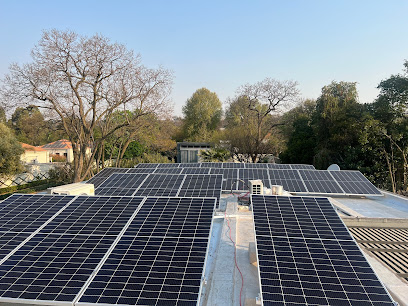
Sorry, no records were found. Please adjust your search criteria and try again.
Sorry, unable to load the Maps API.
Solar Energy Services in Sandton, Gauteng
In Sandton, Gauteng, solar energy firms deliver a range of services aimed at helping homes and businesses optimise energy use and reduce reliance on the grid. The emphasis is on practical, reliable solutions that suit the local climate, load patterns, and regulatory environment. A typical offering combines assessment, system design, installation, commissioning and ongoing support to ensure sustained performance.
Consultation and site assessment form the initial step in most engagements. A consultant or technician visits on-site to evaluate roof orientation, shading from nearby structures or trees, and available space for photovoltaic (PV) panels. Electrical infrastructure, metering arrangements, and safety considerations are reviewed to determine what can be feasibly connected to the existing electrical system. In many cases, engineers model potential energy generation and outline expected savings under different tariff scenarios and load profiles.
System design follows the assessment, with attention given to the appropriate size and configuration of PV arrays, mounting solutions, inverters, and energy storage if applicable. Design decisions consider local weather patterns, roof structure, and future expansion possibilities. The aim is to balance upfront costs, long-term spectral production, and reliability. Where applicable, designs account for possible demand management strategies and compatibility with alternative power sources.
Installation services cover the secure mounting of panels, wiring, and integration with inverters and electrical boards. Responsible installers prioritise safety and compliance with relevant South African standards and municipal or utility requirements. Installation timelines vary with project scope, but the focus remains on minimising disruption to daily operations while ensuring high-quality workmanship and durable connections. In projects incorporating energy storage, battery selection and proper sizing are coordinated with the overarching energy plan.
Commissioning and performance testing are conducted after installation. Technicians verify electrical contacts, insulation, and the correct operation of inverters and monitoring equipment. Functional checks include panel insulation resistance, string voltage, and safety features such as anti-islanding protections where required. A formal handover may accompany guidance on operation, monitoring dashboards, and maintenance scheduling.
Ongoing operations and maintenance form a key component of solar service offerings. Routine inspections, cleaning of panels, and performance monitoring help sustain output and identify potential issues early. Maintenance arrangements may include remote monitoring and periodic on-site visits, with recommendations for component replacements or upgrades as technology evolves or system demands change. Warranties and service level commitments are typically explained to help customers understand the expected longevity and support available.
Practical considerations for potential clients in Sandton include grid connection rules, credit requirements, and tariff structures that influence return on investment. Local weather in Gauteng provides many days of high solar irradiance, which supports favourable generation, but occasional cloudy periods and temperature variations can affect performance. System owners should plan for initial capital expenditure, possible financing options, and the balance between energy independence and grid interaction. Local retailers and installers often emphasise quality certifications, safe installation practices, and adherence to regulatory guidelines while advising on feasible system sizes compatible with property constraints and future expansion plans.
In summary, solar energy services in Sandton typically cover assessment, customised design, professional installation, commissioning, and ongoing maintenance. The objective is to deliver reliable, predictable energy generation that aligns with site characteristics, regulatory requirements, and the financial expectations of commercial or residential customers in the Gauteng region.