Greenstone Energy is a Solar energy equipment supplier establishment in Sandton, Gauteng, South Africa
Greenstone Energy: Solar energy equipment supplier and turnkey renewable power partner in Sandton
Greenstone Energy operates as an independent power producer focused on delivering renewable energy solutions to municipalities, commercial and industrial customers in South Africa. Positioned in Linbro Park, Sandton, the business emphasises affordable, reliable and uninterrupted power, aiming to reduce energy costs while promoting sustainability. The company presents a turnkey approach that combines engineering, procurement and construction (EPC) with ongoing operation and maintenance (O&M), constructing a service model that supports projects from design through to long‑term management.
Central to Greenstone Energy’s offering is the ability to fund installations with zero upfront capital for clients. This enables organisations to access new energy infrastructure without immediate capital outlay, with fixed escalations and guaranteed tariffs designed to deliver savings over time. The emphasis is on stabilising energy costs and increasing energy independence, making the solution attractive to municipalities, as well as commercial and industrial clients facing price volatility in traditional grids.
The company markets a diverse range of renewable energy solutions, designed to be flexible and scalable to different site requirements. Core offerings include Solar Photo-Voltaic (PV) systems that convert sunlight into electricity, alongside hybrid gas‑solar configurations that combine energy sources for improved efficiency and cost effectiveness. Where heat is a consideration, Combined Heat and Power (CHP) systems repurpose waste heat from gas engines to support industrial processes. Battery Energy Storage Systems (BESS) are highlighted as a means to optimise solar energy use by storing surplus power for later demand, improving reliability and peak shaving.
Greenstone Energy also promotes wind power, with options described as scalable to single turbines, and solar thermal technologies intended to reduce electrical demand by capturing heat for use in thermal processes. An offering referred to as “Wheeling” allows customers to utilise renewable energy generated at off‑site solar farms via the existing grid infrastructure, enabling consumption of renewable power without on‑site generation where appropriate. In addition, Renewable Energy Certificates (REC) are available as a mechanism to further reduce carbon emissions and demonstrate environmental stewardship.
The service model includes invitation to partnerships, with a stated openness to collaborators such as entrepreneurs, construction developers and EPC contractors. This collaborative approach suggests opportunities to leverage Greenstone Energy’s experience and resources through a financially distinctive framework, potentially enabling joint ventures on large‑scale projects.
Typical projects highlighted by the provider span a range of sectors and scales, including commercial mixed‑use developments, shopping centres, oil and manufacturing facilities, and other industrial applications. Projects cited include multi‑megawatt solar‑gas hybrid installations and CHP configurations, underscoring a capability to tailor systems to both energy supply and process heat requirements. The company also references large‑scale solar PV capacities in the hundreds of kilowatts to several megawatts, illustrating an operational footprint across diverse site types.
From a customer experience perspective, visitor feedback highlights practical benefits in times of energy disruption. Reviews note that the services proved relevant and valuable during load shedding periods, with customers expressing satisfaction with the quality of work and the tangible improvements to energy reliability. The sentiments suggest that the company is perceived as a credible, results‑oriented partner within the renewable energy sector.
How requests typically work is framed through an obligation‑free quotation process, with outreach aimed at municipalities, commercial entities and industrial clients. The consultation pathway implies a structured assessment of site needs, followed by a customised energy solution‑set designed to maximise savings, sustainability and grid independence. The process aligns with a turnkey delivery mindset, aiming to streamline procurement, installation and ongoing performance management under a single umbrella.
Practical tips for customers
- Clarify project goals early—whether prioritising cost savings, energy independence, emissions reductions, or a combination of these—so the proposed solution can be optimised accordingly.
- Consider the full lifecycle cost when evaluating offers, including zero upfront capital advantages, fixed tariffs and long‑term savings projections.
- Ask for case studies or references from projects of similar scale and sector to gauge performance and delivery reliability.
- Discuss maintenance expectations and service levels for EPC and O&M components to ensure predictable performance and response times.
- Inspect grid interconnection and potential wheeling options if on-site generation is not feasible at all locations.
Greenstone Energy’s venue and focus on Sandton positions it within a business‑oriented setting where industrial and commercial energy needs are prominent. The company’s stated scope includes service delivery to municipalities, commercial and industrial customers, with a contact infrastructure that supports a straightforward inquiry and quotation pathway. The combination of a broad technology mix, zero‑capital funding and a turnkey service model outlines a practical option for organisations seeking to transition to renewable energy in Gauteng and beyond.
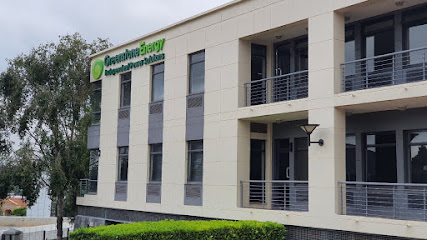
Address: Greenstone Energy (RF) Ltd, 70 3rd Rd, Linbro Park, Sandton, 2090, South Africa. The firm maintains an active presence in the renewable energy market with a portfolio of projects and partnerships that reflect its commitment to affordable, stable and sustainable power.
Sandton
Gauteng
South Africa
Sorry, no records were found. Please adjust your search criteria and try again.
Sorry, unable to load the Maps API.
Solar energy equipment supplier services in Sandton, Gauteng
In Sandton, Gauteng, solar energy equipment suppliers provide a comprehensive range of products and services designed to help commercial and residential customers deploy reliable solar power solutions. The offering typically covers high-quality photovoltaic (PV) panels, inverters, mounting systems, batteries for energy storage, charge controllers, and related electrical components. Suppliers also present options for solar water heating systems and hybrid configurations that combine solar with other energy sources to optimise efficiency and resilience.
Customers can expect a disciplined process from initial contact through to system commissioning and ongoing support. A typical engagement begins with an on-site or remote consultation to understand energy requirements, usage patterns, and budget. This leads to a detailed load assessment and a design proposal that matches the client’s objectives, whether that involves reducing electricity costs, increasing energy independence, or ensuring continuity during outages. The design considers local conditions in Sandton, such as roof orientation, shading, and available space, as well as site safety and electrical compliance.
Site surveys are conducted to measure roof integrity, wiring routes, and mounting opportunities. After the assessment, suppliers present a system layout and bill of materials, detailing the expected performance, warranties, and maintenance needs. Sizing takes into account daily energy consumption, peak demand, and future growth, along with considerations for peak sun hours and seasonal variations. In tandem, financial and environmental payback analyses are often provided to help clients weigh capital expenditure against long-term savings.
Procurement and installation are the next stages. Reputable Sandton suppliers coordinate delivery of PV modules, inverters, battery storage, mounting hardware, and cables, ensuring compatibility and safe integration with existing electrical systems. Installations typically involve structural mounting, electrical wiring, utility interconnection preparation, and safety testing. Commissioning includes performance verification, system documentation, and user guidance on basic operation and monitoring. Some projects may require approvals or permits from local authorities or utility providers, depending on the configuration and grid connection.
Follow-up and maintenance form a central part of the service offering. Maintenance plans may cover routine inspections, cleaning, performance checks, and preventative measures to prolong component life. Many suppliers provide monitoring capabilities that allow remote or on-site verification of system performance, battery state of charge, and alert notifications for faults or reduced output. Warranties and service level agreements help reassure customers about ongoing reliability and support, with options for expedited parts replacement and technician visits when required.
Practical considerations for clients in Sandton include the potential for load management during power outages and the benefits of grid-tied versus off-grid or hybrid configurations. Local daylight availability, roof structure, shading from neighbouring buildings, and the ease of access for installation crews influence both design and cost. The electrical installation must meet relevant safety standards and be performed by qualified technicians, with attention to proper earthing, surge protection, and appropriate cable sizing. Suppliers typically offer guidance on government or energy- efficiency incentives where applicable, and advise on expected return on investment based on local electricity tariffs and usage patterns.
Overall, the role of solar energy equipment suppliers in Sandton is to translate technical options into practical, customised solutions. By combining product knowledge with site-specific assessment, customers can achieve a durable, efficient solar setup that aligns with financial goals and environmental objectives, while benefiting from ongoing support and clear maintenance pathways.