
Green Point Power is a Solar energy system service establishment in Newcastle, KwaZulu-Natal, South Africa
Newcastle
KwaZulu-Natal
South Africa
Sorry, no records were found. Please adjust your search criteria and try again.
Sorry, unable to load the Maps API.
Solar Energy System Services in Newcastle, KwaZulu-Natal
In Newcastle, KwaZulu-Natal, solar energy system services encompass a broad range of technical support, installation, maintenance and optimisation tasks designed to maximise the performance and longevity of photovoltaic (PV) installations. The services are typically delivered by specialist engineers and licensed technicians who understand both the local climate and the regulatory landscape. Clients commonly include residential property owners, small businesses, farms and community facilities seeking reliable, long-term energy solutions in a region characterised by high solar potential and variable weather patterns.
Providers in this area focus on practical, end-to-end assistance. A standard engagement often begins with an assessment of energy needs, roof or site suitability, and the feasibility of a solar PV array combined with storage solutions where appropriate. Once the scope is agreed, professionals perform system design calculations, ensure electrical safety, and confirm compliance with local electrical codes and grid-interconnection requirements. The aim is to deliver a customised plan that optimises solar generation while addressing practical constraints such as shading, roof orientation, and the capacity of the existing electrical installation.
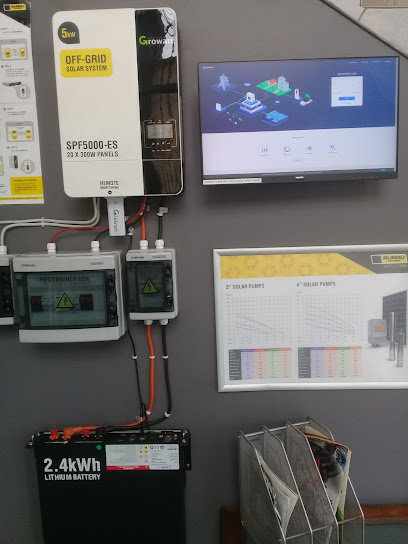
Installation services typically cover the procurement of PV panels, inverters, mounting hardware and, where applicable, battery storage systems. While exact products vary, the process emphasises secure, weather-resistant mounting, proper cable management, and adherence to best practices for electrical continuity and safety. In Newcastle’s climate, installers often prioritise components with good durability against heat, dust and occasional heavy rainfall, and they plan for efficient cooling and ventilation of inverted or hybrid systems. Conversely, retrofits or upgrades are considered for older buildings to improve efficiency, increase generation or integrate storage to maximise self-consumption.
Maintenance and servicing are essential elements of sustaining system performance. Routine inspections may include cleaning of PV module surfaces, checking for micro-cracks or damage, verifying electrical connections, testing the inverter performance, and monitoring energy production against expected benchmarks. Systems with monitoring platforms enable remote supervision, enabling technicians to detect anomalies, forecast maintenance needs and notify clients of potential issues before they escalate. In addition, inverter firmware updates, wiring audits and safety tests are commonly offered to uphold compliance and efficiency over time.
Practical considerations for customers in Newcastle include weather resilience, electrical supply continuity, and the evolving regulatory framework. Local businesses often require downtime minimisation during servicing, which may involve scheduling at off-peak times or coordinating temporary power arrangements. Insurance considerations occasionally arise, with providers advising on coverage for PV installations and any associated works. Vehicle access, on-site safety, and adherence to town planning or homeowners’ association guidelines may also figure into project planning, particularly for properties within historic or densely developed areas.
Typical service engagements in this region emphasise clear project briefs, transparent pricing structures and a focus on long-term system performance rather than short-term gains. Clients can expect technicians to explain performance metrics in accessible terms, outlining expected energy savings, maintenance intervals and potential warranty implications. Where storage is involved, discussions commonly address the balance between generation, consumption and autonomy during grid interruptions, explaining how batteries may extend self-sufficiency during outages and peak demand periods.
Across Newcastle, the standard service journey tends to conclude with documentation that summarises the installation details, maintenance plan, monitoring access, and any recommendations for optimisation. This enables property owners and managers to manage solar assets with confidence, knowing that the arrangement supports dependable energy generation while aligning with local conditions and regulatory expectations.