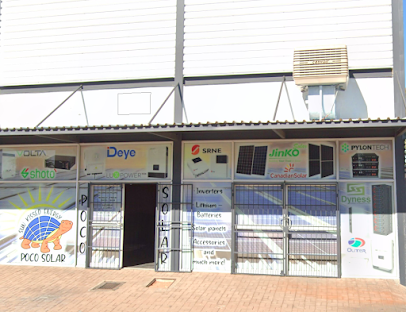
POCO Solar is a Solar energy company establishment in Upington, Northern Cape, South Africa
Upington
Northern Cape
South Africa
Sorry, no records were found. Please adjust your search criteria and try again.
Sorry, unable to load the Maps API.
Solar Energy Services in Upington, Northern Cape
In Upington, a centre of sunlight within the Northern Cape, solar energy providers offer a spectrum of services designed to help homeowners, businesses and agricultural operations make the most of photovoltaic technologies. The typical offering begins with a detailed assessment of energy needs, consumption patterns and site conditions. This assessment considers factors such as roof suitability, available space for panels, local climate, and access to the electrical grid, to determine an appropriate scale and configuration for a solar installation.
One of the first major steps is system design. Engineers and technicians model potential solar generation and balance it with load requirements. This stage often involves selecting solar modules, inverters, mounting hardware, and any necessary battery storage, as well as electrical point connections and safety components. The resulting design aims to maximise energy capture during the intense Upington sun while ensuring reliable operation during periods of lower generation or higher demand.
Installation services cover the physical deployment of solar arrays, inverters and related equipment. Teams typically handle mounting on rooftops or ground structures, wiring through the building’s service panels, and securing weatherproof connections. The process emphasises safety, adherence to local electrical codes, and close coordination with any existing electricity supply arrangements. Depending on needs, installation may be oriented towards grid-tied operation, off-grid autonomy, or a hybrid approach that combines on-site generation with grid power.
Battery storage is a common component of solar solutions in Upington, where constant power supply is valued for business operations and remote facilities. Storage enables energy to be stored when generation is high and drawn upon during cloudy periods or peak demand. Providers explain capacity requirements, charging and discharging cycles, and battery management strategies to help customers plan for daily and seasonal variations in sun exposure.
Maintenance and monitoring services form the ongoing care for solar systems. Routine inspections check for panel cleanliness, electrical integrity, and performance metrics. Monitoring platforms may provide remote visibility into energy production, system faults, and efficiency trends. Regular maintenance can extend the life of components, optimise performance, and minimise downtime, which is particularly important for businesses that rely on steady power supply.
Customers can expect guidance on operation and financial considerations. Solar energy providers typically discuss potential savings on electricity bills, the potential for demand charge reductions, and the overall payback period based on local tariffs and usage patterns. They may also outline financing options, project timelines, and the prospect of government or municipal incentives that can influence the cost and feasibility of installations.
Practical considerations unique to Upington include the high solar radiation, which favours larger systems but also necessitates careful design to manage heat effects on equipment and performance. Local geomorphology, building structures, and security considerations for equipment located at commercial sites or rural properties are often addressed during the planning phase. Arrangements for grid connection, where applicable, require coordination with the utility and adherence to regulatory processes. Ultimately, the goal is to deliver a reliable, safe and scalable solar solution tailored to the specific demands of the Upington environment.
Through careful assessment, thoughtful design, quality installation and reliable aftercare, solar energy providers in Upington support the transition to sustainable, resilient power. This approach helps customers reduce exposure to rising energy costs while contributing to a more sustainable energy landscape across the Northern Cape.