
MA Solar Energy is a Solar energy company establishment in eMalahleni, Mpumalanga, South Africa
Mpumalanga
South Africa
Sorry, no records were found. Please adjust your search criteria and try again.
Sorry, unable to load the Maps API.
Solar Energy Services in eMalahleni, Mpumalanga
In eMalahleni, Mpumalanga, solar energy providers offer a range of photovoltaic (PV) solutions designed to suit residential, commercial, and light industrial properties. The typical service spectrum covers assessment, design, installation, and ongoing maintenance, with attention to the local climate, electricity demand, and grid access considerations unique to the region.
Initial consultations focus on understanding energy needs, roof or site constraints, and the available sun exposure throughout the year. Clients can expect a site survey that assesses structural integrity, shading from nearby trees or buildings, and electrical compatibility with the property’s distribution board. The aim is to determine whether a grid-tied system, an off-grid arrangement, or a hybrid solution is most appropriate for the customer’s circumstances and budget.
Design and engineering services translate assessment findings into a customised PV layout. This typically includes determining the number and type of solar modules, the specification of inverters, mounting systems, and, where applicable, battery storage and energy management components. While exact product names and brands may vary, the emphasis remains on reliable, durable components suitable for Mpumalanga’s climate, with attention to performance, safety, and ease of maintenance.
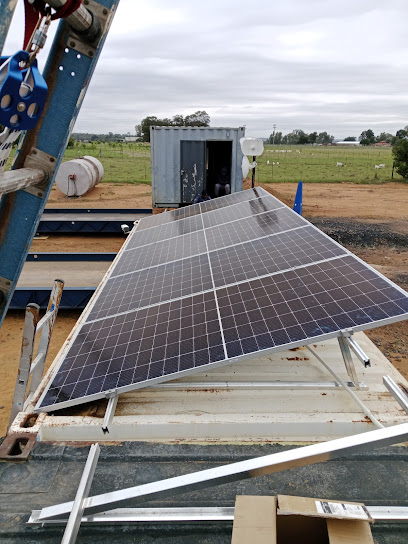
Installation activities are carried out by qualified technicians who comply with local electrical regulations. The process generally involves mounting modules on appropriate surfaces or racking systems, connecting wiring to inverters, and integrating with the property's electrical system. Importantly, the installation aims to minimise disruptions to daily routines and to preserve roof integrity, with guidance provided on appropriate ventilation and fire safety considerations. In cases where battery storage is included, additional attention is given to enclosure, system charging cycles, and safety protocols for handling high-energy storage.
Monitoring, testing, and commissioning form the final phase of installation. Once commissioned, the system undergoes performance verification to ensure output aligns with projected estimates. Clients can expect routine checks to confirm inverter status, electrical connections, and panel cleanliness, with adjustments made as needed to optimise performance. For many customers, basic thermal and electrical performance monitoring is part of the service, enabling remote or on-site reviews of energy generation and consumption patterns.
Maintenance and aftercare are important aspects of solar service in eMalahleni. Regular cleaning of modules to remove dust and debris, inspection of mounting hardware for signs of corrosion or loosening, and verification of electrical protection devices are common components. Some providers offer bundled maintenance plans that cover periodic inspections, system health reports, and rapid response to any operational issues. Warranties on modules and inverters, where provided, offer additional assurance and typically require adherence to recommended inspection intervals and maintenance practices.
Practical considerations for prospective customers include understanding the return on investment in a region with variable grid reliability and high solar irradiance. Planning takes into account peak usage times, potential savings on electricity bills, and any municipal or utility incentives that may apply. Space efficiency and aesthetics are often balanced with performance, particularly in urban or residential settings, while commercial projects may prioritise scalable designs that can grow with future energy requirements.
Overall, solar energy services in eMalahleni tend to emphasise customised, practical solutions with clear pathways from initial assessment through installation and ongoing support. The emphasis remains on delivering dependable solar generation that complements local energy needs, supports resilience during outages, and contributes to a sustainable energy posture for households and businesses alike.