
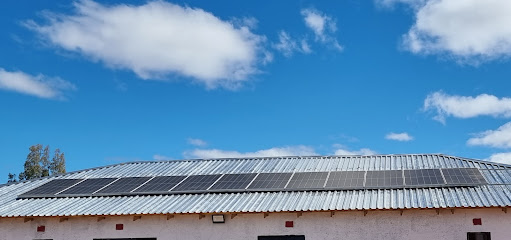
Green House Solar and Water is a Solar energy company establishment in Sol Plaatje Local Municipality, Northern Cape, South Africa
Sol Plaatje Local Municipality
Northern Cape
South Africa
Sorry, no records were found. Please adjust your search criteria and try again.
Sorry, unable to load the Maps API.
Solar Energy Services in Sol Plaatje Local Municipality, Northern Cape
Solar energy companies operating in the Sol Plaatje Local Municipality provide a range of services designed to help property owners, businesses and public sector facilities harness the region’s abundant sunshine. In this part of the Northern Cape, the emphasis is often on practical, scalable solutions that suit varying roof types, land availability and budget constraints. The approach typically centres on advisory support, careful planning and reputable installation practices that maximise long‑term performance and reliability.
A common starting point is a professional site assessment. A qualified technician visits the location to evaluate sun exposure, roof orientation, shading from nearby structures, and electrical capacity. This initial step informs the design of a photovoltaic (PV) system that balances power needs with available space. Customers can expect clear guidance on potential energy savings, the anticipated performance of the system, and any regulatory or grid‑connection considerations that may apply in the Sol Plaatje area.
Design and engineering form an integral part of the service. Based on the assessment, the system is tailored to match usage patterns, whether that involves a small rooftop array for a domestic dwelling or a larger installation for commercial premises. The design process covers module arrangement, inverter selection, electrical wiring, mounting solutions and, where applicable, battery storage. Attention is given to durability in a climate characterised by high solar irradiance and arid conditions, with design choices aimed at longevity and low maintenance.
Installation is conducted by trained technicians who follow established safety standards and industry best practices. Work typically includes mounting PV modules securely, connecting to inverters, and integrating with existing electrical systems. In many cases, systems are designed to be expandable, allowing future upgrades such as additional panels or energy storage as demand grows or as budget permits. After installation, a commissioning phase ensures that the system operates as expected and that electrical parameters meet safety requirements.
Battery storage is commonly offered as part of a complete energy solution. Storage enhances the ability to utilise generated electricity during evenings or cloudy periods, improving self‑consumption and resilience in the event of load shedding. Depending on the installation, storage configurations may vary, with considerations given to cycle life, depth of discharge and maintenance needs. For customers with remote or stand‑alone operations, off‑grid arrangements may be discussed, though grid‑connected options remain widespread in the region.
Monitoring and ongoing maintenance provide visibility into system performance. Remote monitoring platforms or local readouts help track energy production, consumption, and system health. Routine maintenance may involve cleaning modules, inspecting connections, and checking inverter performance. Some providers offer service plans that include periodic inspections and prompt attention to faults, ensuring the system maintains optimal efficiency over time.
Practical considerations are central to the customer experience in Sol Plaatje. Local weather patterns, grid availability, and regional incentives or tariff structures influence the choice of equipment and the economics of a project. Compliance with electrical regulations and safety standards is a standard part of every engagement. Turn‑key solutions, where offered, aim to minimise disruption and provide end‑to‑end support from initial discussion through to commissioning and aftercare.
For potential clients in the area, the usual progression involves an initial assessment, design proposal, installation, commissioning and a period of monitoring and refinement. While exact offerings may vary between providers, the core objective remains to deliver reliable, climate‑appropriate solar energy systems that help users reduce dependence on conventional power sources and enjoy greater energy autonomy within the Sol Plaatje Local Municipality.