
Hoedspruit Solar is a Solar energy company establishment in Hoedspruit, Limpopo, South Africa
Hoedspruit Solar: Independent Overview of Services and Customer Experience
Hoedspruit Solar operates as a specialised solar energy company serving Hoedspruit, Limpopo, and surrounding areas. The business presents itself as a one-stop solution for designing, supplying, and installing custom solar systems tailored to individual energy requirements. Its service philosophy emphasises personalised configurations, seeking to meet specific home or business needs rather than offering a one-size-fits-all solution.
From the information available, the core offering centres on end-to-end solar projects. The company underscales a combined approach that includes electrical, plumbing, gas fitting and mechanical considerations, enabling a holistic assessment of energy needs. This multidisciplinary capability informs how systems are sized and implemented, with attention to the entire installation, rather than isolated components. The emphasis on a comprehensive perspective aims to deliver secure installations and durable performance, with a stated objective of ensuring that the solar setup remains functional for the long term.
In terms of product and system components, the installations page highlights several key elements. Battery systems are promoted with a notable 10-year warranty, alongside high-quality Tier 1 panels (typically carrying long-term guarantees) and inverters with a standard warranty. The proposition is that equipment choices are aligned to client needs, environmental conditions, and the intended usage pattern. The company also stresses safety and reliability, mentioning adherence to minimum South African National Standards with additional safety features and careful cable engineering to manage voltage drop and reduce short-circuit risk.
The customer experience described across sources indicates a strong focus on professional, engineer-informed workmanship. Reviews describe technicians and engineers as knowledgeable, thorough, and capable of identifying and resolving issues that others could not solve. One reviewer notes a lengthy, careful diagnostic process that resulted in a successful fix, while another highlights professionalism, responsiveness, and a system that meets stated requirements. Taken together, these impressions suggest a dependable service ethos, with attention to detailed problem solving and achieving client expectations.
Typical project timelines, as reported on the installations page, show a staged process. Residential solar jobs generally involve 20–40 hours of roof installation work and 10+ hours indoors, with most projects completed within 2–4 days. More complex installations may take longer, extending into several weeks. The team is described as consistently Customer-Centric, aiming to provide a reliable and high-functioning outcome, regardless of the chosen technology or configuration. This approach appears designed to offer a smooth, predictable experience for clients during planning, installation, and commissioning.
Service delivery is complemented by post-installation support. The company indicates ongoing monitoring and periodic checks, including free daily online checks for Victron equipment and a yearly physical system check-up available for a small fee if the client agrees. Online data interpretation assistance is stated as being free, reflecting a willingness to support customers in understanding system performance after installation.
Hoedspruit Solar’s communications suggest an emphasis on practical returns. The benefits pages frame solar as a reliable, safe alternative to local utilities when designed and maintained properly. The narratives highlight reduced bills, increased property value, resilience during load shedding, and greater user control over energy. In addition, information on financial considerations points to potential tax depreciation benefits and payback periods typically explored by clients considering grid-tied, hybrid, or storage-enabled systems. These elements position the service as geared toward both financial prudence and energy independence.
The business appears to serve the wider Hoedspruit area and Mopani district, with opening hours listed as Monday to Friday 7am–5pm, Saturday 8am–4pm, and closure on Sundays and public holidays. This scheduling supports daytime consultations and installations. Contact details include a main email address and a direct phone line for a named contact, suggesting straightforward lines of communication for prospective customers.
Practical tips for potential customers include budgeting for a custom design rather than a standard package, given the personalised approach described. When planning, consider the full energy profile of the home or business, including existing electrical load, geyser usage, and potential for thermal storage or heat pump integration as mentioned in the benefits discussions. It is also advisable to factor in the typical installation cadence—especially for roof work and indoor commissioning—and to review monitoring options to maximise ongoing visibility of system performance.
Overall, Hoedspruit Solar presents as a locally committed, technically competent provider with a focus on custom design, durable installations, and supportive post-installation service. The combination of qualified staff, careful project management, and customer‑facing reliability contributes to a solid reputation among clients in the Hoedspruit region and beyond.
Hoedspruit
Limpopo
South Africa
Sorry, no records were found. Please adjust your search criteria and try again.
Sorry, unable to load the Maps API.
Solar Energy Services in Hoedspruit, Limpopo
In Hoedspruit, Limpopo, solar energy companies offer a range of services aimed at helping households and small businesses capitalise on the abundant sun. Clients can expect a practical approach to assessing energy needs, designing efficient solar installations, and maintaining reliable power supplies in a region known for high solar irradiance and rural electricity challenges. The emphasis is on dependable, low-maintenance solutions that fit local lifestyles and budgets.
Initial consultations typically begin with a thorough site assessment. Trained technicians examine roof orientation and shading, electrical panels, existing wiring, and water or weather considerations that might affect performance. This evaluation helps determine the most suitable system size, configuration, and equipment choices. In many cases, providers perform a simple load survey to understand daily electricity consumption patterns, peak demand times, and critical appliances that require uninterrupted power.
Solar PV systems are commonly designed to meet a mix of objectives, from offsetting daytime electricity use to enabling off-grid living for remote properties. Customers may opt for grid-tied arrangements that draw power from the local utility while feeding surplus energy back into the grid, subject to local policies. Alternatively, off-grid solutions rely on battery storage to provide electricity during the night or cloudy days. Hybrid systems, which combine elements of both, are also popular in this part of the country where reliability of local infrastructure can vary.
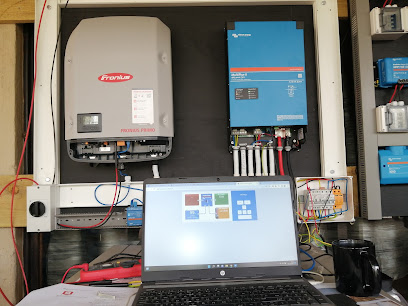
The core components typically discussed include photovoltaic panels, inverters, mounting structures, and cabling. Panels capture sunlight and convert it into direct current that inverters transform into usable alternating current for the home or business. Batteries, often lithium or other established technologies, store excess energy for later use. Racking systems securely attach panels to roofs or ground mounts while ensuring durability against regional weather conditions. Quality electrical connections, surge protection, and battery management are emphasised to enhance safety and longevity.
Delivery and installation generally follow a structured process. After the initial design is agreed, a detailed proposal outlines system capacity, equipment specifications, timelines, and expected performance. Installation typically involves mounting hardware, electrical wiring, inverter installation, and integration with existing electrical systems. Once installed, commissioning confirms proper operation, safety checks are performed, and the system is aligned with local electrical standards. Many providers also offer commissioning certificates or documentation as part of the process, to assist with any municipal or utility requirements.
Maintenance and after-sales support form a notable part of the service offering. Routine inspections assess panel cleanliness, electrical connections, and inverter health. Battery health and charge cycles are monitored, with maintenance plans aimed at extending battery life and optimising output. Some companies provide remote monitoring dashboards that alert owners to performance fluctuations or faults, allowing timely interventions without on-site visits.
Practical considerations for customers in Hoedspruit include grid access, rainfall and dust levels, roof suitability, and local service availability. Financing options, warranties, and expected returns on investment are commonly discussed, though specifics vary by provider and project scale. Environmental resilience and the ability to withstand regional weather events are also considered during planning, ensuring systems remain functional during periods of heightened sun exposure or heavy heat. Overall, solar energy services in Hoedspruit focus on delivering dependable renewable power that reduces dependence on conventional grids while accommodating the unique conditions of Limpopo.
For those exploring solar solutions, the emphasis remains on clear assessments, customised designs, careful installation, and ongoing care. By combining expertise in electrical work with practical site knowledge, local solar energy providers help clients achieve sustainable power gains, enhanced energy security, and peace of mind in a setting where reliable electricity can support both daily life and business operations.
- Site assessment and load analysis
- System design for grid-tied, off-grid, or hybrid configurations
- Installation of panels, inverters, batteries, and safety equipment
- Commissioning, documentation, and regulatory compliance
- Maintenance, monitoring, and remote fault diagnosis