TRRC is a Solar energy company establishment in Compensation, KwaZulu-Natal, South Africa
TRRC: Solar energy solutions for commercial and residential properties in KwaZulu-Natal
TRRC operates as a vertically integrated solar solutions provider focused on delivering customised photovoltaic and hot-water systems across multiple sectors. Based in KwaZulu-Natal, with a notable presence at Shaka’s Head Industrial Park in Dolphin Coast, the company emphasises turning complex energy projects into accessible, practical outcomes for tenants, landlords, lessees and property managers. The offering centres on affordable access to renewable energy through a range of financing and ownership options, combined with remote monitoring and ongoing maintenance support.
The core services described by TRRC cover end-to-end solar and hot-water installations, alongside the ability to tailor solutions to the end user’s profile and financial constraints. A distinctive element of their approach is the intention to demystify technology for clients, explaining how systems meet technical requirements in straightforward terms. These services are coupled with post-installation care, including remote performance monitoring and formal O&M contracts, aimed at ensuring reliable operation over the lifetime of the system.
For organisations seeking flexibility, TRRC offers several funding and ownership models. The “Outright Purchase” option (ORP) allows clients to own the system from day one after a structured assessment of energy and water needs, with an emphasis on delivering measurable financial benefits over the long term. Where immediate ownership is less desirable, the company provides fully or partly funded solutions such as Rent to Own (RtO), leases, or Power Purchase Agreements (PPA). Each option is designed to align with anticipated energy savings and cash-flow realities, and all solutions include remote monitoring and O&M arrangements as standard.
Typical project categories reflected in the company’s portfolio span residential estates and sectional-title developments, retail and motor facilities, office buildings, industrial sites, mining and farming operations, healthcare facilities, and hospitality venues. TRRC’s market reach also extends to government buildings and various smart-city developments, indicating experience across diverse usage patterns and load profiles. The breadth of potential applications suggests a capability to design systems sized for both peak and baseline energy requirements, with the flexibility to scale as needs evolve.
How requests usually work is described through the company’s “Ways to Go Green” framework. Prospective clients are guided through a technical assessment of current electricity and hot-water arrangements, followed by a proposed system and financial case. The process emphasises clarity about expected savings, tax and cash-flow implications, and the practicalities of funding. Clients can then choose from ownership, RtO, lease, or PPA structures, each backed by performance monitoring and maintenance commitments to sustain system outputs over time.
TRRC underscores a practical commitment to affordability and value creation. The RtO and PPA models, in particular, are designed to deliver near-cash-flow-neutral starts and substantial long-term energy cost reductions, often extending well beyond the initial contract term. This integration of financing with performance guarantees helps to mitigate the upfront cost barriers commonly associated with solar adoption while offering predictable energy bills.
From a customer experience standpoint, TRRC positions itself as an educator and facilitator. By aiming to “demystify” the technology and align outcomes with financial objectives, the firm seeks to reduce administrative burden while enabling tangible operational benefits for premises managers and owners. The inclusion of remote monitoring and formal O&M contracts further supports a hands-off ownership experience, allowing clients to focus on core business activities while the solar solution operates in the background.
Practical tips for potential customers include: evaluating current electricity and water usage to establish a realistic baseline; requesting a clear business case that translates energy savings into a simple payback period; considering a funding structure that aligns with liquidity and long-term goals; and confirming the scope and duration of remote monitoring and maintenance for ongoing reliability. Prospective clients should also verify service coverage within KwaZulu-Natal and understand any regional considerations for installation, permitting, and warranties offered as part of the chosen deal structure.
TRRC’s primary KwaZulu-Natal footprint is supported by a dedicated KZN address for local contact, with additional regional partnerships noted in Gauteng, Eswatini and Zambia. The organisation’s experience across residential, commercial, industrial, mining, healthcare and government sectors suggests a versatile capability to manage complex installations while offering flexible contracting terms that suit varied cash-flow profiles. For those exploring green-energy options in KwaZulu-Natal, TRRC presents a structured route from initial assessment to ongoing system management and savings realization.
Key services and deal structures at a glance
- Solar PV and hot-water systems installation and optimisation
- Outright Purchase (ORP) with optional extended warranties
- Rent to Own (RtO) funded by TRRC with ownership at term end
- Leases and Power Purchase Agreements (PPA) with flexible terms
- Remote monitoring and ongoing Operations & Maintenance (O&M) contracts
- Tailored solutions for residential, commercial, industrial, farming, hospitality and government sectors
Location and contact details indicate a committed local presence in KwaZulu-Natal, with supportive regional affiliations that broaden access to TRRC’s solar offering across Southern Africa.
Compensation
KwaZulu-Natal
South Africa
Sorry, no records were found. Please adjust your search criteria and try again.
Sorry, unable to load the Maps API.
Solar Energy Services in Compensation, KwaZulu-Natal
In Compensation, KwaZulu-Natal, solar energy companies offer a range of services aimed at helping households and small businesses reduce reliance on grid electricity. The services cover the full lifecycle of solar projects, from initial assessment through to ongoing maintenance, with emphasis on practical solutions that suit the local climate, regulations, and energy needs.
Initial assessments typically begin with a site survey to evaluate roof or ground installation suitability, sunlight exposure, shading, and the electrical layout of the property. Qualified technicians calculate potential energy generation, identify the appropriate system size, and estimate expected savings. In Compensation, where weather patterns include strong sun during much of the year, assessments often emphasise the viability of photovoltaic (PV) arrays and the potential for hybrid setups that combine PV with battery storage to mitigate periods of higher consumption or grid instability.
Design services translate the assessment into a customised solar solution. This includes selecting PV modules, inverters, mounting structures, and, where appropriate, energy storage systems. Projects may be configured as grid-tied systems that feed excess power back to the local network, or off-grid setups designed to operate independently with battery banks. For properties seeking enhanced resilience, hybrid configurations that blend solar with back-up generators and storage are commonly considered, especially in areas prone to load shedding.
Installation is carried out by trained engineers who manage electrical and structural works, ensuring compliance with local safety standards. Work typically encompasses mounting modules, wiring, inverter placement, protection devices, and system integration with existing electrical boards. In Compensation, installers often arrange for appropriate electrical permits, liaise with municipal authorities as needed, and ensure systems meet South African electrical standards and local bylaws. After installation, a commissioning process checks performance, safety, and system optimisation.
Maintenance and monitoring constitute a core support service. Regular inspections verify wiring integrity, mechanical stability, and inverter performance. Inverter firmware and software updates, cleaning of panels, and performance audits help sustain efficiency over time. Remote monitoring platforms may provide real-time data on energy production, consumption patterns, and battery status, enabling quick responsiveness to any deviations in system output. Warranties on modules, inverters, and storage components are typically provided for a defined period, with options for extended care plans or maintenance contracts.
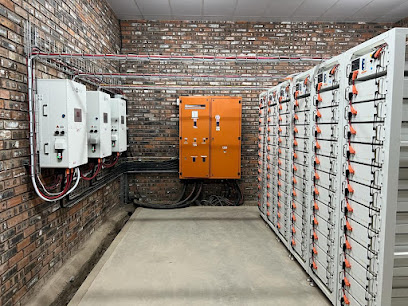
Storage is a growing element of solar offerings in Compensation. Battery storage enables users to store energy generated during daylight hours for use after sunset, enhancing self-consumption and reducing peak grid demand. The range of storage solutions varies from smaller residential batteries to larger, commercially sized units, with considerations around cycle life, depth of discharge, and safety features. In many instances, battery deployment is paired with smart management systems that optimise charging and discharging according to tariffs, weather forecasts, and household usage patterns.
Financing and value considerations are frequently addressed through guidance on projected savings, return on investment, and possible incentive programmes. While specific offers may change, customers can typically expect transparent estimates of upfront costs, projected monthly electricity bill reductions, and payback horizons. Some projects may explore alternative funding avenues, such as solar leasing or power purchase agreements, subject to regulatory feasibility and lender requirements.
Practical factors in Compensation include considerations of roof orientation, panel tilt, and seasonal consumption trends, along with logistical aspects like access for installation teams and the availability of skilled electricians. Local timelines, lead times for equipment, and regional after-sales support influence project planning. Overall, the approach centres on delivering reliable, safe, and energy-efficient solar solutions tailored to the needs of residents and small enterprises in Compensation and the broader KwaZulu-Natal region.