
G & C Solar is a Solar energy company establishment in Emfuleni Local Municipality, Gauteng, South Africa
G & C Solar – Solar energy solutions for homes and businesses in Emfuleni
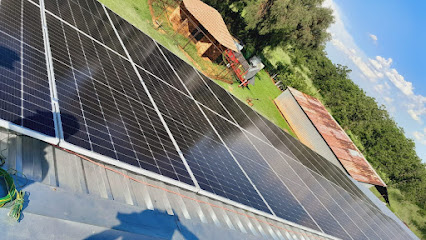
G & C Solar operates as a solar energy company serving residential and commercial clients in the Emfuleni Local Municipality and surrounding Gauteng regions. The business presents itself as a provider focused on reliable, affordable and sustainable solar energy solutions, with an emphasis on helping customers gain energy freedom while contributing to a cleaner environment. The company highlights a broad portfolio that covers photovoltaic (PV) installation, solar geysers, solar pumps, and water backup systems, underscoring versatility across both power generation and water heating applications.
From the information available, the company positions itself as a partner in the full lifecycle of solar projects. Core offerings include the design and installation of Solar Energy Systems (PV systems) and associated components, complemented by solar geysers and solar-powered pumping solutions. Water backup capabilities are presented as part of a resilient energy/water infrastructure strategy for customers who seek reliability during outages or grid instability. A focus on ongoing support is noted, suggesting an after-sales service model that extends beyond initial installation.
The company communicates a client-centred approach through practical guidance and frequently asked questions related to system sizing, performance monitoring, maintenance, and common issues. The presence of a dedicated technical support section implies that customers can access diagnostic assistance, system monitoring portals, and troubleshooting resources. This emphasis on technical support is complemented by information on warranty expectations for major components such as panels and inverters, reflecting alignment with typical solar sector practice and the intention to reassure customers about product durability and service quality.
G & C Solar also engages with the wider energy landscape through Small-Scale Embedded Generation (SSEG) concepts. The materials describe SSEG as systems typically under 1 MW that can operate in grid-tied, off-grid, or hybrid configurations, with examples including home rooftops and small commercial deployments. While the content does not define jurisdictional approvals in detail, it signals awareness of regulatory considerations around net metering or feed-in arrangements, and presents the installation of solar as a path to energy independence and potential bill reductions.
In terms of customer experience, the company outlines a straightforward process for initiating inquiries and consultations. A dedicated “Leads” page is mentioned, where verified leads can be submitted, and a free consultation is offered through contact channels listed on the site. The business lists a mobile contact number, as well as email addresses for general and sales queries, indicating multiple routes for prospective clients to begin discussions and receive initial guidance on solar needs.
Service coverage includes a suite of practical installation and maintenance activities. The listed service areas encompass PV installation, Solar Geysers, Solar Pumps, Water Back-Up systems, maintenance, panel cleaning, and technical support. The inclusion of panel cleaning and maintenance reflects a recognition of routine upkeep as a factor in sustaining system performance, while the availability of maintenance and technical support signals a commitment to reliability over time.
For customers seeking practical tips, several actionable points emerge from the available content. It is advisable to consider site-specific factors such as roof size and orientation, local shading, and energy usage patterns when requesting a system assessment. Monitoring and online portals are commonly part of modern solar installations, so familiarising with the monitoring tools can help users track production and identify issues promptly. Understanding basic warranty terms for panels, inverters, and workmanship helps set expectations and plan for long-term service needs. Lastly, clarifying whether a battery storage upgrade is compatible with existing equipment can support a smoother path to enhanced resilience.
- Main services offered: PV installation, solar geysers, solar pumps, water backup systems, maintenance, panel cleaning, and technical support.
- Typical job types: residential and small-to-medium commercial solar energy systems, solar water heating, and water backup configurations; SSEG-related projects may include grid-tied or hybrid set-ups.
- How requests usually work: contact via listed phone or email; use the Leads page to submit verified inquiries and pursue a free consultation; initial surveys and design discussions precede installation.
- Practical tips for customers: assess roof size and orientation, check for shading, plan monitoring access, review warranty coverage, and consider future battery compatibility for backup power.
G & C Solar presents a practical, service-oriented approach to solar energy in the Gauteng region, emphasising reliable installations, ongoing support, and an awareness of the regulatory and technical aspects of Small-Scale Embedded Generation. The emphasis on after-sales service and customer education aligns with a broader industry aim to deliver enduring value through durable equipment and responsive support.
Note: The information reflected here is synthesised from the company’s own site and publicly shared materials. For precise service scope, lead times, and local availability, prospective clients should refer to the official contact channels listed on the website.
Emfuleni Local Municipality
Gauteng
South Africa
Sorry, no records were found. Please adjust your search criteria and try again.
Sorry, unable to load the Maps API.
Solar energy services in Emfuleni Local Municipality, Gauteng
In the Emfuleni Local Municipality area of Gauteng, solar energy providers typically offer a range of services designed to help homeowners, businesses and public organisations make the most of photovoltaic technology. These services focus on assessing energy needs, installing reliable solar systems and ensuring ongoing performance within local conditions and regulations. The aim is to reduce electricity costs, increase energy resilience and support sustainable planning in a region that benefits from high solar irradiance.
Initial engagement usually begins with a site or property assessment to understand roof orientation, shading, usable area and electrical capacity. Providers consider daily electricity usage patterns, peak demand and potential for retrofitting existing electrical infrastructure. This assessment informs a customised design, including panel layout, inverter selection and whether storage, management systems or hybrid configurations are appropriate. While exact system specifications vary, the emphasis remains on a practical balance between cost, efficiency and reliability.
Typical services cover the full project lifecycle. Design encompasses selecting solar modules with suitable efficiency and durability, inverters that match the expected load profile, and, where applicable, battery storage to extend self-sufficiency during cloudy periods or at night. If preferred, systems can be configured for grid connection and export, or operate as standalone installations in areas where grid access is limited. In all scenarios, the design prioritises safe electrical integration and compliance with local electrical standards and building requirements.
Installation services generally include mounting PV modules on the roof or grounding structures, electrical cabling, inverter installation, and commissioning that tests production against expected performance. Quality installations aim to minimise potential points of failure, facilitate straightforward maintenance, and ensure safe operation for occupants. Skilled technicians typically perform weather-resilient setup, using materials appropriate for South African conditions and the local climate.
Ongoing support often features monitoring and maintenance. Remote monitoring may provide real-time data on panel output, system health and battery status, enabling swift detection of anomalies. Routine maintenance commonly covers cleaning, tightening connections and checking for shading or debris that could reduce efficiency. Warranties or guarantees, when available, generally address module performance, inverter reliability and, where relevant, storage system longevity. Clear guidance on maintenance intervals helps owners plan proactive care rather than reactive repairs.
Practical considerations include land or roof space availability, structural integrity, and the potential need for planning approvals or electrical permits. Local councils and utility interactions may govern how a system connects to the grid, how generated power is credited, and any requirements for metering or safety devices. Consumers are advised to obtain transparent quotations and to verify that technicians hold recognised qualifications and adhere to safety standards. In Emfuleni, as with many urban and peri-urban settings, the feasibility of a project can depend on roof condition, access for installation teams and the compatibility of the electrical distribution network with embedded generation.
For those evaluating options in Emfuleni, the focus remains on practical outcomes: dependable energy supply, potential savings on electricity costs, and a move towards greater energy independence. The most successful projects combine a realistic assessment of site conditions with a clear plan for installation, commissioning and ongoing care, delivered by professionals with local experience and a commitment to quality workmanship.
- Site assessment and load analysis
- customised system design for PV modules, inverters and storage
- Roof or ground-mounted installation
- Electrical fitting, commissioning and grid connection considerations
- Monitoring, maintenance and warranty guidance