Understanding PV Module Covers
Definition and purpose of solar array covers
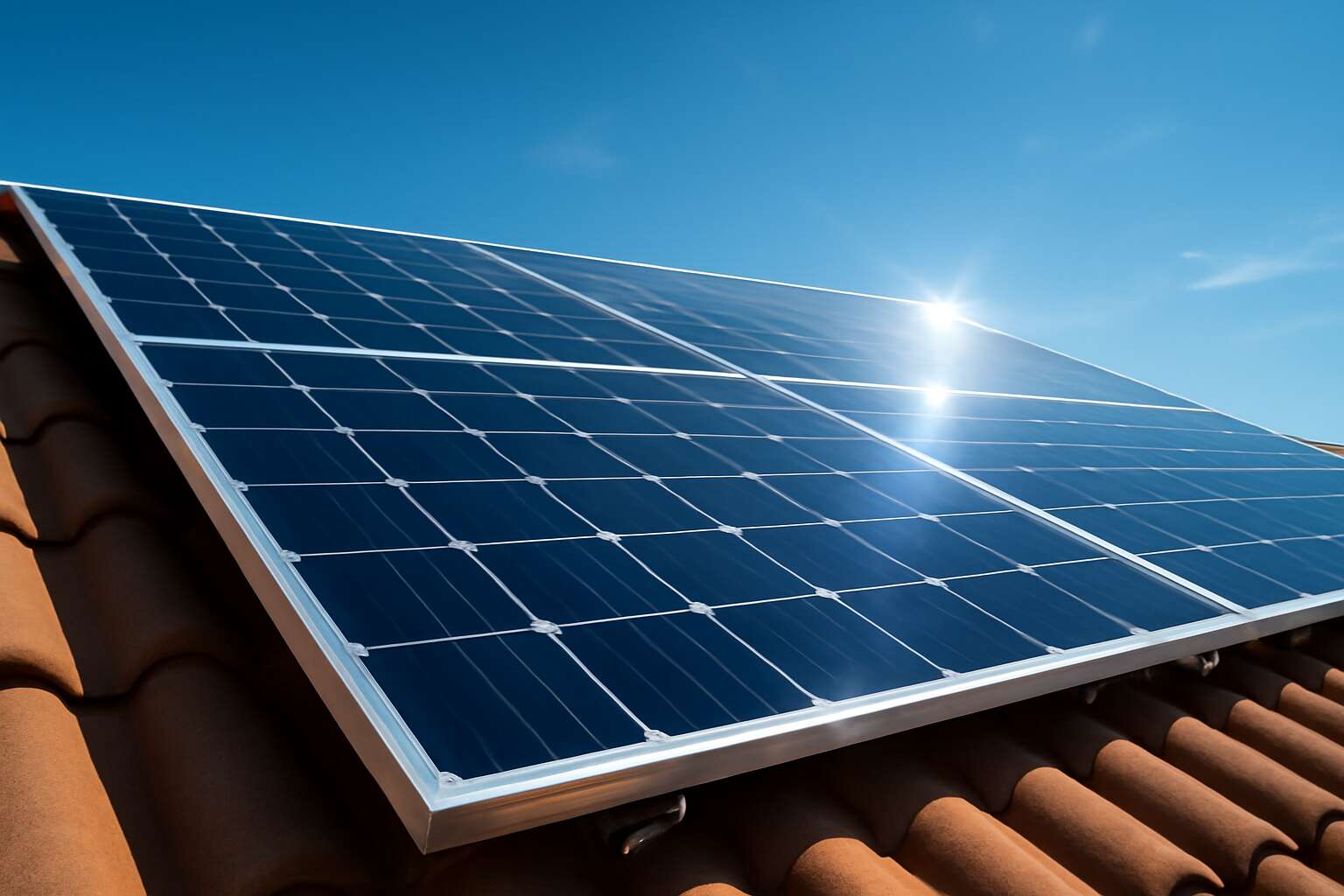
South Africa basks in more than 2,000 hours of sun annually, turning rooftops into potential power plants and meters into grateful exclamations. PV module covers, or simply solar panel covers, stand guard, shielding delicate solar cells from the elements while trimming glare.
PV module covers are the outer layers that seal and protect the photovoltaic cells from moisture, dust, and wind-blown debris. They tune light transmission and assist with heat management, keeping performance on an even keel.
- Moisture and dust protection
- UV filtering with optical clarity
- Impact resistance against hail and debris
In South Africa’s sunny, dusty climate, the right cover pairs durability with transparency, preserving efficiency even when the sun blazes and the dust swirls.
How covers affect protection and performance
South Africa’s sun clock tops 2,000 hours annually, turning rooftops into a power playground! PV module covers guard photovoltaic cells, warding off moisture and dust while guiding light and heat in a disciplined balance. When light meets glass and polymer, the result is a resilient performance that ages with grace.
Here’s how protection translates into performance:
- Moisture sealing against rain and condensation
- Optical clarity that preserves light while filtering harmful UV
- Impact resistance to hail and wind-blown debris
Performance is a dance between transmission and durability, where a thoughtful cover yields steadier returns across seasons.
In South Africa’s dusty, sunny climate, the right solar panel covers marry durability with transparency, keeping output steady even as glare and grit swirl.
Types and design variations to know
In South Africa, the sun clocks in more than 2,000 bright hours a year, turning rooftops into power stages. Types range from tempered glass and laminated glass to flexible polymer films, all considered solar panel covers, each balancing transmission with protection.
Key design variations to know include substrate choice, coatings, and sealing methods that handle the country’s dusty, hot climate.
- Substrate choice: tempered glass vs polymer laminates
- Coatings: anti-reflective and UV-filtering
- Sealing and edge engineering for weather resilience
These choices shape how light is guided and kept in balance, affecting performance across seasons.
Materials and Durability for PV Covers
Common materials used (PVC, polycarbonate, aluminum, fiberglass)
In the South African sun, solar panel covers stand as quiet guardians of ambition, preserving energy where heat and dust threaten shine. A telling stat sticks: up to 15% of efficiency can be lost without the right protective layer!
Common materials used for solar panel covers include PVC, polycarbonate, aluminum, and fiberglass.
- PVC: cost-effective, UV-stable, and flexible
- Polycarbonate: high impact resistance, lightweight, durable
- Aluminum: strong, corrosion-resistant, low maintenance
- Fiberglass: stiff, temperature stable, good weather resilience
Durability arises from UV inhibitors, appropriate thickness, and secure mounting. In the South African climate, each material plays a unique role in keeping performance intact; for solar panel covers, the choice is as much about aesthetics as endurance.
UV resistance, weatherproofing, and aging
The South African sun is a stern teacher; in the Karoo glare, up to 15% of a system’s output can vanish without proper protection. Solar panel covers stand as quiet guardians of ambition, fending off heat, dust, and glare.
UV resistance anchors durability. Look for UV-stable materials and protective coatings that slow fading and micro-cracking. The design should curb glare and distribute protection evenly across the panel surface.
- UV stability and optical clarity
- Secure edge seals against dust and moisture
- Uniform thickness for consistent protection
Weatherproofing trains covers to endure SA’s dust, rain, and temperature swings. Proper aging resistance helps these layers resist cracking and delamination, keeping performance steady through years of sun and wind. Resilience matters as much as shine.
Coatings, finishes, and anti-corrosion features
South Africa’s sun is a relentless smith—firing heat that tests every solar panel covers and their guardrails. In response, coatings must marry resilience with transparency. Opt for UV-stable resins and protective topcoats that slow fading and resist micro-cracking, all while maintaining clear transmission. Finishes should resist heat soak, curb glare, and stand up to dusty winds without chalking or delaminating; this is how durability becomes performance, year after year.
- Ceramic-infused topcoats that resist heat buildup and reduce glare
- Fluorinated anti-corrosion finishes for salt air and dust
- Uniform thickness and edge-seal integrity to prevent ingress
- Hydrophobic, self-cleaning surfaces for easy maintenance
These coatings extend the life of solar panel covers in tough SA climates.
Sustainability and end-of-life considerations
South Africa’s sun is a forge—an unrelenting judge of every material that stands in its glare. Materials and durability for solar panel covers become ethical decisions, not mere specs. When transparency remains intact under heat and dust, performance stays predictable and dependable. In this climate, durability is more than strength; it’s a quiet, stubborn vow I make to resilience that outlives the years of relentless sun.
- Recyclability of base polymers and metals
- Design for disassembly to ease end-of-life processing
- Minimal hazardous additives to protect disposal pathways
These considerations shape the lifecycle of solar panel covers, aligning with sustainability goals and a circular economy in South Africa’s energy landscape.
Installation, Fit, and Compatibility
Sizing tips and measurement methods
Installation of solar panel covers isn’t about forcing a perfect seal; it’s about balancing protection with airflow, drainage, and the panel’s geometry. In South Africa’s sun-drenched climate, a well-fitted cover sits cleanly, keeps debris from vents, and respects wiring routes without starving performance. I’ve seen the difference firsthand when a thoughtful fit eliminates maintenance.
Fit hinges on matching cover dimensions to the panel footprint, including mounting hole patterns and edge tolerances. Compatibility sizing accounts for variations between modules, frames, and roof types, with manufacturers’ datasheets guiding the process rather than dictating a one-size-fits-all solution.
Sizing and measurement rely on reference specs and careful field checks. Look for the exact footprint, confirm hole spacing, and verify sealing interfaces against the panel’s profile. The approach blends precision with practicality, ensuring solar panel covers perform under heat, wind, and dust.
- Footprint alignment with mounting pattern
- Edge clearance for seals and drainage
- Compatibility with common roof and frame systems
Mounting options and hardware compatibility
Roof types and panel configurations to consider
“Protect what powers your home,” is a common tagline from SA installers. Installing solar panel covers isn’t a one-size-fits-all task. The right product fits cleanly, protects the cells, and keeps performance steady—without complicating the roof layout.
- Metal standing seam roofs
- Concrete or clay tiles
- Flat roofs with ballast or rail systems
- Tiled or corrugated timber roofs
Installation considerations focus on alignment with mounting rails, edge clearances, and sealant compatibility. Good design helps manage drainage and weatherproofing across seasons in SA’s climate.
Compatibility with roof types and panel configurations is essential. Some covers suit wider panels or different string counts, while others align with specific rail profiles and spacing. Consider ventilation paths and cable runs to minimize shading and maintain consistent performance.
Safety, building codes, and warranty implications
Proper installation of solar panel covers isn’t vanity work; it’s a safety and performance issue that protects investments and peace of mind. When the right cover goes on, dirt, moisture, and UV wear are kept at bay while preserving efficiency.
Fit matters: covers must align with mounting rails, maintain edge clearances, and use sealants compatible with SA climate. A clean fit prevents micro-shading and ensures drainage paths stay unobstructed across seasons.
Safety and compliance come next. Local building codes and electrical standards dictate ventilation, cable routing, and weatherproofing. Skipping this step can void warranties and complicate maintenance or insurance claims.
- Ensure mounting rails are correctly spaced and aligned
- Use approved sealants that resist heat and moisture
- Verify the manufacturer’s warranty requirements are met
DIY vs professional installation guidance
Sunlight is free, but performance isn’t—especially when covers aren’t fitted right. In SA homes, I’ve watched up to a quarter of potential gains vanish with poor fit and misalignment.
With solar panel covers, fit matters—align with mounting rails, maintain edge clearances, and use sealants compatible with SA climate. A clean fit prevents micro-shading and preserves drainage paths across seasons!
DIY vs professional installation guidance: For simple roof types and accessible layouts, a careful DIY approach can work, but mishaps on pitched roofs or electrical routes invite warranty voids.
- DIY: plan for proper load distribution and manufacturer guidelines.
- Professional: ensures compliant venting, cable routing, and weatherproofing beyond the basic fit.
Choose the path that respects warranties, local codes, and climate realities, so your solar panel covers keep shining without drama.
Performance Benefits and Use Cases
Protection from weather, debris, and impacts
In South Africa’s sun-drenched climate, a single hailstorm can erase days of gains. Protection is performance, and solar panel covers act as discreet stewards of your investment—standing between panels and the weather, debris, and impacts to keep output steady and aging gentle on the eyes.
- Coastal areas facing salt spray
- Dusty inland sites with abrasive winds
- Storm seasons with hail and flying debris
Beyond shielding, these covers curb micro-scratches and dirt buildup, reducing cleaning cycles and preserving aesthetics across rooftop arrays, ground mounts, and carport configurations—the practical elegance every solar installation deserves in our sunny homeland.
Impact on thermal performance and efficiency
Every SA afternoon rewards effort with heat. I’ve watched rooftops breathe easier when the sun roars overhead: solar panel covers act as quiet stewards of the sunlit ledger, moderating temperatures and cooling hotspots that nibble at efficiency. When panels stay closer to their optimum temperature, voltage stays steadier and real-world output climbs, even as glare remains fierce. In South Africa, every watt counts, and the result is a calmer, longer-lasting performance that keeps rooftops gleaming with reliability.
Use cases where performance is paramount include:
- Rooftop installations on exposed coastal and urban zones—solar panel covers help keep temperatures down and energy yield steadier.
- Carport configurations that shield both vehicles and PV modules, reducing thermal cycling and prolonging peak output.
- Ground-mounted fields facing dusty or windy corridors—covers minimize dirt buildup and preserve optical clarity for consistent efficiency.
Security features and vandal resistance
Heat is the thief of solar value—South African rooftops blaze after lunch, yet solar panel covers dampen that heat and stabilize output. By moderating surface temperatures, they keep voltage steadier and real-world yield closer to peak potential.
Use cases where performance matters most include:
- Rooftops in exposed coastal and urban zones, where covers keep temperatures down and yield steadier.
- Carports shielding vehicles and PV modules, reducing thermal cycling and preserving peak output.
- Ground-mounted fields facing dusty or windy corridors, where covers minimize dirt and protect optical clarity.
Security and vandal resistance matter in SA streets and remote sites. These enclosures can use reinforced frames, tamper-evident fasteners, and concealed mounting to deter tampering and vandalism, while locking housings add durability and peace of mind.
Together, performance gains and security design make this option a prudent choice for reliable, long-lived solar assets.
Ideal scenarios: residential, commercial, and off-grid installations
Heat is a stubborn gatekeeper of solar value in South Africa, where peak sun can push module temperatures into the mid-40s. The outcome is a telltale dip in output just as demand climbs. solar panel covers temper that heat and stabilize voltage, turning scorch-laden afternoons into steadier, near-peak performance. I’ve seen panels hold their voltage longer and deliver more consistent daily yields when surfaces stay cooler.
Ideal scenarios for performance-sensitive setups include:
- Residential rooftops in coastal or urban SA environments, where heat risk is high.
- Carport canopies shielding PV modules from heat cycles while protecting vehicles.
- Ground-mounted fields facing dust and wind, preserving clarity and reducing dirt buildup.
These configurations prove how performance gains and security features align to deliver reliable, long-lived solar assets across residential, commercial, and off-grid installations.
Aesthetic integration and maintenance considerations
Heat is a silent saboteur in South Africa’s sun-scorched afternoons, yet solar panel covers turn the battlefield in our favor. They temper surface temperatures, steady module voltage, and coax near-peak yields from daylight that would otherwise wither.
Performance benefits flourish in three practical canvases: residential rooftops in heat-prone coastal towns, carport canopies guarding PV arrays during heat cycles, and ground-mounted fields that endure dust and wind. Their deployment reduces hot-spot risk and keeps outputs more predictable across the day.
These enclosures should blend with architecture rather than crowd it; choose finishes that resist salt air and sun, and design for easy access for inspection and cleaning to keep glare in check.
- Low-profile integration with clean lines
- Accessible hardware for quick maintenance
- Coatings that withstand SA coastal conditions


0 Comments