Understanding 660W Solar Panels
What does 660W mean in solar panels
Power isn’t fiction when the sun is overhead! In South Africa, a 660w solar panel can convert generous daylight into tangible energy, with typical efficiency near 20% under clear conditions. That means a single panel begins to offset daytime electricity costs, turning heat into power and habits into savings.
- Compact footprint for tight rooftops
- Works with inverters and storage to suit SA grids
- Built to endure heat and dust
To unlock its full promise, position and mounting matter as much as the panel itself. Pair this wattage with a suitable inverter and monitoring, and let the South African sun write a brighter budget.
How a 660W panel compares to standard residential panels
On a South African rooftop, a high-wattage panel isn’t just a larger module—it’s a compact power plant riding the sun. In SA’s bright days, this unit can deliver significantly more daytime energy than standard residential panels, turning daylight into savings with a footprint that fits tight spaces. To unlock the promise, pair it with a properly sized inverter and monitoring.
How does it compare? A typical residential panel sits around 350–400W, so a single 660w solar panel can nearly match the daily yield of several smaller units. The higher wattage requires a bigger inverter, careful string design, and awareness of energy clipping at peak sun. In SA conditions—heat, dust, and varying shading—the design helps maintain performance.
Despite the heft, the 660w solar panel aligns with SA’s sun-saturated climate, turning generous daylight into steady energy. When paired with monitoring, it can shape a brighter budget as the sun travels west.
Key specifications to look for in a 660W panel
Across South Africa’s blazing skies, a 660w solar panel isn’t just a bigger module—it’s a disciplined engine tuned for daylight. This compact powerhouse converts sunbeams into steadfast energy, turning bright moments into measurable savings with a footprint that fits tight spaces.
Understanding its key specifications helps you read the panel like a solar compass. Look for these essentials in a 660w solar panel:
- Nominal power tolerance
- Voltage at maximum power (Vmp) and current at maximum power (Imp)
- Open-circuit voltage (Voc) and short-circuit current (Isc)
- Temperature coefficient and overall efficiency
- Maximum system voltage and durability features (frame, weather resistance)
In SA’s heat and dust, a 660w solar panel with robust ratings and quality construction stands as a beacon of resilience, promising daytime performance that travels with the sun.
Ideal applications for 660W solar panels
Across South Africa’s sun-soaked horizons, the 660w solar panel is more than a larger module—it’s a disciplined engine tuned for daylight. This compact powerhouse turns bright moments into steadfast energy, delivering dependable power and real savings with a footprint friendly to tight spaces.
Its ideal applications are where space and sun collide: off-grid retreats, farm outbuildings, workshops, and mobile setups. Consider these prime uses for the 660w solar panel:
- Remote farms and telecom sites
- Off-grid workshops and sheds
- Mid-size homes backing daytime loads
- Caravans, boats, and recreational vehicles
Efficiency, Performance, and Technology
Monocrystalline vs polycrystalline in 660W panels
Efficiency wears a hungry grin in the sun. A 660w solar panel converts more light into usable energy when its cells stay cool and current flows evenly. In South Africa’s bright skies, that slight heat relief yields more kilowatt-hours per peak sun hour and steadier afternoon output. Every degree saved sweetens the analytics, turning gloom into measurable gain.
Performance isn’t sorcery; it’s measured in voltage, current, and how the panel holds up under cloud and heat. Proper mounting and wiring keep voltage steady and the charging curve confident, turning daylight glare into a reliable contribution to your battery bank.
Technology matters: monocrystalline cells sip sunlight with tighter grain boundaries, while polycrystalline cells spill light more diffusely. For a panel of this scale, the choice shapes efficiency and cost—monocrystalline often edges ahead on efficiency and space, while polycrystalline offers a cheaper path that still performs well in conditions.
Efficiency ratings and their impact on system design
Efficiency isn’t bragging rights—it’s the real fuel that boosts output. A 660w solar panel with higher efficiency converts more sun into usable DC, especially when cells stay cool and shading is minimized. In SA, that means fewer panels and smarter space planning.
Performance measures how consistent that conversion is under the day’s variables. Voltage stability, current flow, and the panel’s temperature coefficient decide whether a sunny afternoon becomes kilowatt-hours in your battery bank. With reliable mounting and clean wiring, the 660w solar panel keeps the charging curve steady, not a wild peak.
Technology decides how efficiently watts are harvested. Monocrystalline cells sip sunlight with tighter grain boundaries, while polycrystalline spill light more diffusely. For a 660w solar panel, the technology choice affects footprint, cost, and heat performance—guiding whether to chase space or budget as you design the system.
Temperature coefficient and real world performance
In South Africa’s sunlit theatre, a 660w solar panel commands the stage. “Efficiency is energy’s best amplifier,” a common refrain, turning daylight into usable DC and letting a battery bank wake with calm certainty.
Efficiency thrives on smart choices:
- Lower temperature coefficient reduces heat sag.
- Shading and orientation control power loss.
- Clean wiring and solid mounting minimize resistance.
Performance is the daily test—voltage stability, current flow, and a steady charging curve. A 660w solar panel delivers predictable kilowatt-hours to the battery, not erratic peaks.
Technology choices and temperature coefficient shape real-world performance in SA. On hot days, a panel with a favorable coefficient preserves watts, keeping your system dependable through the afternoon shift.
Bypass diodes, shading resilience, and reliability
In South Africa’s blistering sun, the 660w solar panel isn’t just a number—it’s a promise that daylight becomes dependable energy. As the saying goes, “Efficiency is energy’s best amplifier,” and our climate proves it: every watt counts when the glare peaks and batteries wake with certainty.
Performance is the daily test: steady voltage, smooth current, and a predictable charging curve that won’t buckle in the afternoon heat. I see it in real time—when the sun shifts, a well-tuned panel keeps output honest, delivering kilowatt-hours you can rely on, even as shadows lengthen and dust gathers!
Technology choices fortify reliability. Bypass diodes protect the string from shaded cells, maintaining continuous flow. Shading-resilient layouts and robust mounting help the system cope with SA’s mixed light and harsh conditions.
- Bypass diodes prevent shaded cells from dragging down the whole string.
- Shading-resilient layout keeps current flowing despite intermittent shade.
Installation Considerations and System Integration
Mounting options for 660W solar panels
In South Africa, homes that embrace a 660w solar panel approach often report daylight grid independence growing by a striking margin—dramatic enough to spark conversation at the kitchen table!
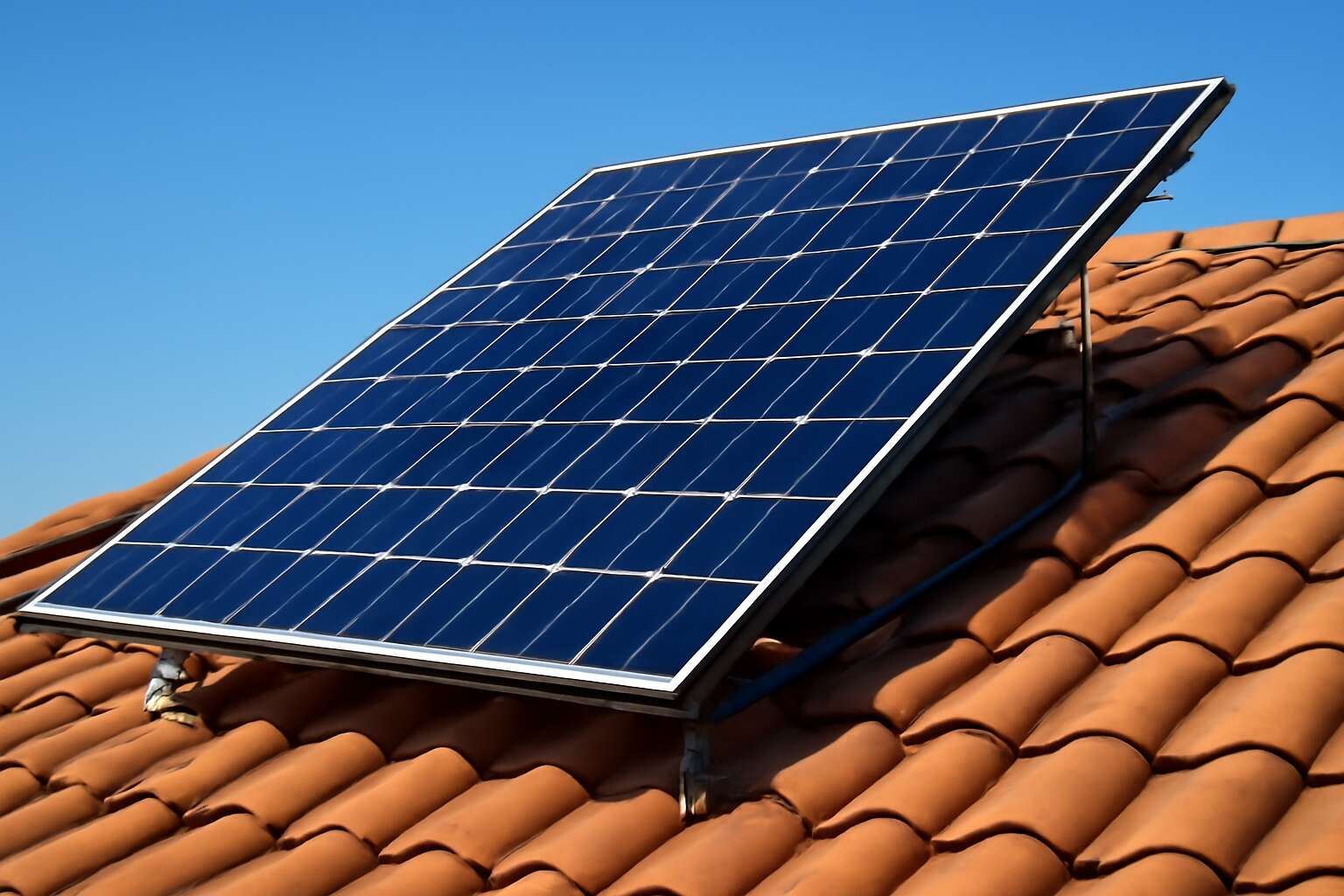
Installation considerations begin with the roof or yard where it sits, and we account for wind, hail, and corrosive coastal air shaping hardware choices. Shading maps determine orientation and tilt. System integration then joins module with a suitable inverter, combiner box, and monitoring so performance is visible and predictable.
- Roof mounting with rail systems on tiled or metal roofs
- Ground-mounted arrays with adjustable tilt
- Flush or ballasted mounting for flat-roof installations
With these choices, the 660w solar panel integrates into a tidy electrical backbone, ensuring safe cable routing, proper DC disconnects, and compliance with local standards.
Inverters and wiring compatible with high wattage panels
In South Africa’s sun-drenched neighborhoods, daylight independence is gaining ground as high-wattage arrays steadily power busy households. The 660w solar panel is part of that story, delivering formidable output with graceful efficiency. Start with placement: roof orientation, wind, hail, and coastal air shape hardware choices, while shading maps guide tilt toward the sun.
System integration relies on an inverter and wiring plan capable of handling high wattage panels. Inverters with ample DC input and multi-MPPT capability are typical for such setups, along with a proper DC disconnect and a compliant combiner box. Correct wire sizing and solid earthing help maintain performance in SA heat.
Finally, smart monitoring turns parts into predictable power, showing real-time output and faults at a glance.
Battery compatibility and deciding between off grid and grid tied
The strength of a 660w solar panel rests on what sits beside it: a compatible battery strategy and a thoughtful system topology. In South Africa, where sun is abundant and outages are frequent, a smart pairing stores daytime surplus for evening loads—a quiet promise of reliability!
Battery compatibility is the hinge. Consider:
- Battery chemistries: LiFePO4 for longevity versus lead-acid for affordability.
- Depth of discharge and a capable BMS to protect cycles.
- System topology: off-grid, grid-tied, or hybrid—each path shapes how the 660w solar panel charges storage and feeds loads.
On grid decisions, a hybrid approach often balances reliability and cost, blending solar storage with grid access. The 660w solar panel is the daylight heartbeat, while the setup you choose defines whether power remains a local, predictable resource after sunset.
Permits, safety, and compliance tips
Installation is as much about safeguarding as it is about power. For a 660w solar panel, the surrounding gear—cables, mounts, and disconnects—needs clean routing, proper clearance, and robust grounding. In South Africa’s sun-drenched climate, weatherproof enclosures and sheltered conduit runs reduce corrosion and outages, keeping performance steady and predictable.
Consider these system-wide essentials:
- Permits and regulatory approvals from local authorities
- Compliance with SANS standards and utility interconnection guidelines
- Qualified electrical contractor and safe installation practices
- Reliable DC disconnects, earthing, and surge protection
- Proper cable management and weatherproof enclosures
In the South African environment, permits and standards become a shield against delays and fines. A sound approach for this wattage panel includes documenting the design for grid or hybrid integrations, ensuring the grid code alignment, and safeguarding safe operation after sunset with clear labeling and protective devices!
Cost, ROI, and Financing
Cost factors for 660W solar panels
Cost of a 660w solar panel in South Africa is more than a sticker price; it’s a tapestry of hardware, mounting, wiring, and installation that can shift with site complexity. When you weigh efficiency, warranty, and end-to-end service, the figure becomes a forecast of years of shaded afternoons turning into sunny savings.
- Cash purchase gives immediate ownership with long-term savings.
- Green loans or credit lines tailored for solar projects.
- Leases or Power Purchase Agreements (PPAs) that transfer maintenance risk and allow budgeting.
- Utility or municipal incentives that sometimes reduce upfront costs.
ROI hinges on local tariffs, sun hours, and savings on your grid bill; higher daytime rates in SA shorten payback, while financing costs shape the final arithmetic.
Payback period and long term savings
The cost of a 660w solar panel is not a sticker but a tapestry—hardware, mounting, wiring, and the careful hands of installation stitched into your roof. Site complexity can lift the ledger, yet a package stitched with a solid warranty and end-to-end service promises years where shaded afternoons soften into sunny savings. The phrase itself feels like value cast in sunlight.
ROI for this capacity rests on how you use energy and South Africa’s local tariff structures. The payback period unfolds as daylight meets demand; long-term savings accrue with steady grid independence, predictable bills, and a warranty that keeps performance steady through many summers.
- Predictable energy bills as tariffs shift, locking in daytime savings
- Minimized maintenance costs through robust reliability
- Warranty-backed performance that guards your investment over time
Financing options and incentives
In SA, we soak up roughly 2,500 hours of peak sun annually, which makes a 660w solar panel package feel less like a sticker and more like a sunny mortgage killer. The price is a tapestry of costs—hardware, mounting, wiring, and the installer’s time stitched into your roof. Site complexity can tilt the ledger, but a kit backed by robust warranty and end-to-end service turns questions into sunny certainty.
ROI hinges on how you use energy and local tariff quirks. A 660w solar panel shines when daytime demand meets peak sun, trimming grid bills and shortening the payback window as daylight meets appetite. The long-term savings stack up as reliability compounds across summers.
Financing options and incentives can shift the arithmetic. Banks are offering green loans, installers often bundle maintenance, and PPAs or leases exist where available. Municipal or utility incentives vary by region and may refresh over time.
Warranty, reliability, and lifecycle considerations
Cost for a 660w solar panel package in South Africa is a tapestry of hardware, mounting, wiring, and installation. Roof access and site complexity can tilt the ledger, yet a robust warranty and turnkey service turn investment into a bright certainty under the SA sun! The price reflects component quality and installer craft.
- Optimized orientation and shading-free installation
- Quality inverter and wiring for minimal losses
- Comprehensive aftercare and support
ROI hinges on how energy is used and local tariffs. A 660w solar panel shines when daytime demand meets peak sun, trimming grid bills and shortening the payback window. Over time, reliability compounds into steady savings across summers and sunny days.
Financing options and incentives shift the math. Banks offer green loans; installers bundle maintenance; and PPAs or leases appear where available. The 660w solar panel carries performance and product warranties that span decades, with degradation protections preserving output and lifecycle value.
Maintenance, Durability, and Troubleshooting
Cleaning and upkeep for optimal performance
The 660w solar panel on a South African roof is more than hardware; it’s a ladder to the future of energy independence. Maintenance here is a ritual of care, a quiet dedication to keeping sunlight turning gracefully into power!
Durability in this segment means tempered glass, corrosion-resistant framing, and reliable mounting that can weather coastal winds or dusty highveld afternoons. Its enduring build is a testament to the dream of steady, clean energy. That 660w solar panel is built to endure.
For cleaning and upkeep, gentle washing and dry brushing restore glare without scratching and help minimize soiling losses. If performance seems off, look for loose fittings, discoloration, or unusual heat; seek expert troubleshooting to protect warranty.
- Visual inspection of seals and mounting hardware
- Dust and debris removal from accessible surfaces
- Professional servicing if performance deviates from expectations
Dirt, dust, snow and weather impact on 660W panels
Maintenance for a high-wattage solar panel on a South African roof is the quiet work that keeps sunlight turning into steady power. Dirt from dusty roads, coastal salt spray, and seasonal sandstorms can coat panels, nudging efficiency down if left unchecked.
Durability comes from tempered glass, corrosion-resistant framing, and robust mounting. That triad is built to endure coastal winds, heat, and the highveld’s dusty afternoons, turning harsh weather into less of a disruption and more of a background hum.
Troubleshooting weather impact means watching for stubborn grime, discoloration, or unusual heat patterns. Snow and ice, though infrequent, can blanket surfaces and temporarily curb output. When visible wear or performance drift appears, the 660w solar panel asks only for a careful inspection of seals and fittings before seeking expert advice.
Common issues and troubleshooting tips
We maintain a steady maintenance rhythm for the 660w solar panel on South African rooftops. Regular checks protect performance: tidy wiring, secure mounting, and intact seals, plus a quick glance at inverter readouts to spot drift before it grows.
Durability shows in design: robust framing with corrosion resistance, impact-ready glass, and hardy seals that withstand coastal winds and highveld heat, letting a busy homestead focus on sunny days.
- Check all fastenings and mounting hardware for tightness
- Inspect cables for wear, insulation damage, and signs of overheating
- Verify inverter readings and data trends for anomalies
Troubleshooting tips: When performance drifts, start with quick checks and then call a professional if needed. A calm approach keeps the system delivering even when shadows drift.
Durability, warranties, and service recommendations
Maintenance is the quiet undercurrent of a 660w solar panel’s charm. In South Africa’s sun-kissed roofs, seasonal checks beat reactive repairs: examine mounts for wobble, wipe away dust, and ensure cabling stays clean and dry. A well-kept setup preserves efficiency and lets the system coast through load shedding.
Durability is not grandiose talk; it’s robust design for the 660w solar panel: corrosion-proof framing, tempered glass, and hardy seals engineered to resist coastal winds and highveld heat. The result is a service life that fits a busy homestead’s rhythm, where the sun does most of the talking and the hardware stays cool.
Warranties and service recommendations: warranties typically cover materials and workmanship for a decade or more, with performance guarantees that fade gracefully rather than crack under pressure. For SA conditions, insist on accredited installers and clear coverage documents. Keep a simple record of serial numbers and dates for future service.

0 Comments