Cleaning Solar Panels: Safe Methods and Materials
What makes a cleaning product suitable for solar panels
Cleaning solar panels with intention matters in South Africa’s sun-drenched climate. A well-timed wipe can lift output by 10 to 15 percent, turning glare into energy. The method matters: gentle solutions and patient, careful strokes protect coatings and seals while preserving efficiency. Every watt counts!
Choose non-abrasive tools, warm water, and a gentle cleaning solution. Dilute according to the label and apply with a soft sponge in small circles. Rinse with low-pressure water to avoid streaks that dull performance.
- Use a soft sponge and a mild, diluted cleaning solution
- Rinse with low-pressure water for a streak-free finish
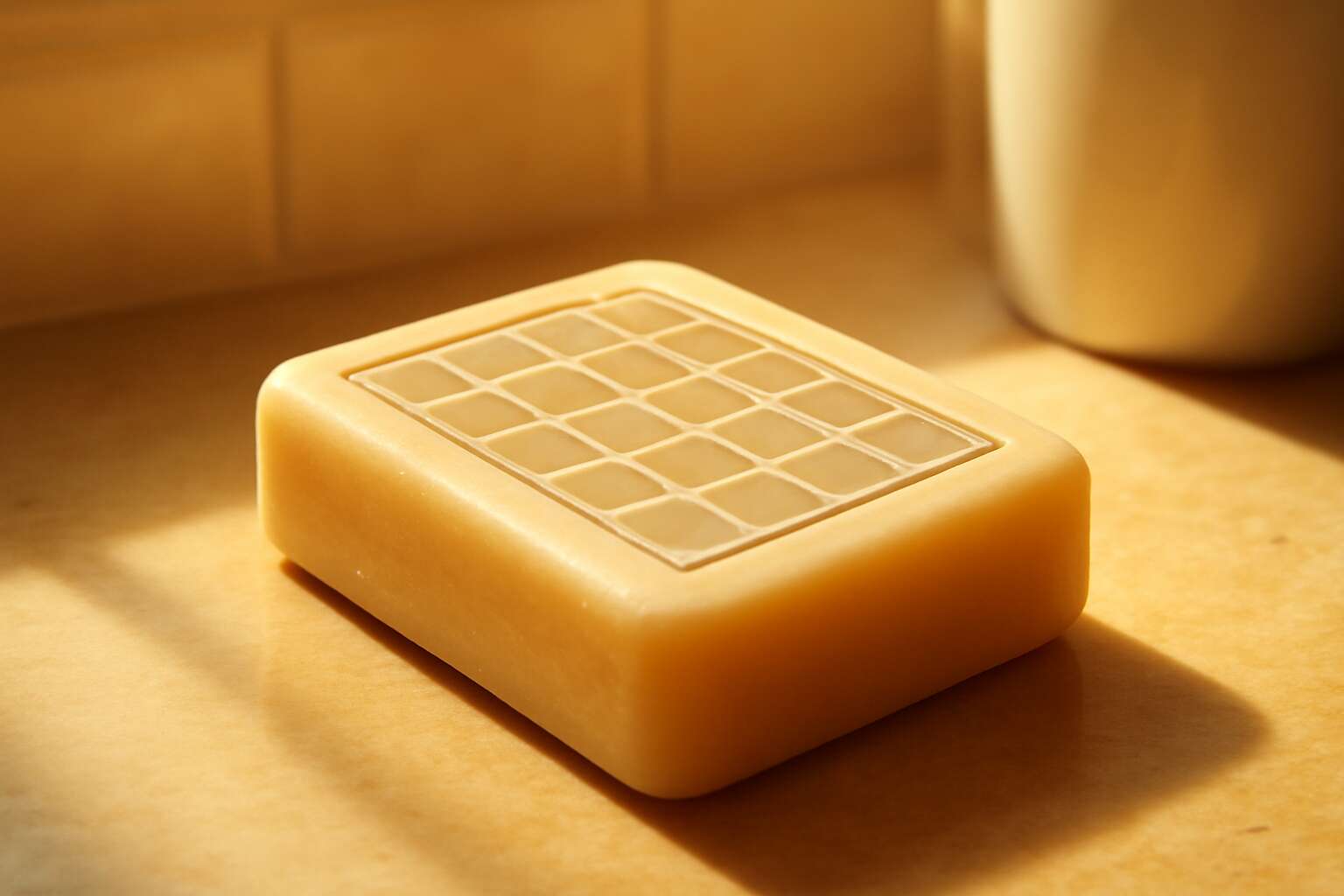
Keep a bottle of solar panel soap on hand; used sparingly, it can streamline cleaning and protect the glass while reducing rinse time. That solar panel soap, properly diluted, boosts efficiency without harsh additives.
Dry vs wet cleaning: pros and cons
SA’s rooftops bask in a sky-scorching chorus, and clean panels translate heat into watts. With the right solar panel soap on hand, a 10–15 percent uptick isn’t myth—it’s a byproduct of visibility, angle, and a smear-free surface. The choice between dry and wet cleaning matters more than the forecast, because glare is glorious until it steals your sunlight.
Dry cleaning slices through dust with minimal water, a boon in water-wary regions. Wet cleaning, by contrast, reaches into stubborn grime and mineral streaks, offering a deeper cleanse when time and weather cooperate. The balance between these approaches hinges on coating safety, access to water, and the rhythm of maintenance.
- Pros of dry cleaning: low water use; quick sessions; reduced risk of streaks on glass
- Cons of dry cleaning: less effective on baked-on grime; may miss residues on seals and edges
- Pros of wet cleaning: deeper grime removal; better for stuck-on residues
- Cons of wet cleaning: more water use; potential streaking if rushed
For a balanced, SA-friendly routine, a purpose-made solar panel soap pairs with careful rinsing to protect coatings while keeping glare at bay. The result is surface clarity that stays glossy under South Africa’s sun, without the drama of harsh additives.
Why neutral pH cleaners protect coatings
South Africa’s sun is a relentless auditor of rooftop performance, and clean panels turn that heat into watts with notable efficiency. A measured approach to cleaning preserves coatings and optical clarity. Solar panel soap, designed for PV surfaces, lifts grime without attacking finishes or glass.
Safe materials and methods center on non-abrasive, pH-friendly choices. When combined with the right tools, the outcome is a surface that stays clear and glare-free without drama:
- Neutral pH cleaners that guard coatings
- Non-abrasive microfiber cloths and sponges
- Biodegradable, PV-friendly surfactants
In this climate, clarity wins—coatings endure, glare is controlled, and performance remains steadfast!
Avoiding harsh chemicals and residue
South Africa’s sun is relentless, and a clean PV surface translates to watts rather than shadows. Even modest grime can erode performance, so a bright, glare-free panel is a quiet triumph.
Safe methods rely on neutral, non-abrasive ingredients and gentle tools. Solar panel soap, paired with soft microfiber, keeps coatings intact while rinsing away dust and salt spray without leaving stubborn residues.
- Neutral pH cleaners
- Non-abrasive microfiber cloths and sponges
- Biodegradable, PV-friendly surfactants
This combination lets coatings endure and optical clarity stay intact, even under the South African afternoon glare. I watch the glare melt away as panels drink light again, feeling the mythic heat transmute into steady performance!
Choosing Eco-Friendly Cleaning Solutions for Solar Panels
Biodegradable soaps and their impact on efficiency
In South Africa’s sun-drenched landscape, a clean panel is a proud profit. I’ve seen a light film of dust shave a few percent off output, making the case for eco-friendly cleaning solutions unavoidably persuasive. Enter solar panel soap—the cleaner that won’t haunt soil or shine.
Biodegradable soaps are the unsung heroes here. This is where solar panel soap delivers cleaning power while breaking down quickly, leaving minimal residue that won’t interfere with coatings. Gentle, non-alkaline formulas protect efficiency without smearing the halo of cleanliness across your investment.
- Plant-based surfactants that lift grime without harsh residues
- Non-ionic cleaners that rinse easily, reducing water use
- No phosphates or synthetic thickeners
- Rapid biodegradability to protect soil and waterways
That smarter chemistry keeps you with results, not regrets, and the sun does the heavy lifting. In SA, cleaner panels make happier owners!
Non-abrasive formulas that won’t scratch glass
South Africa’s sun is a two-edged blade: dazzling power, dusty panels. When choosing eco-friendly cleaning solutions, opt for non-abrasive formulas that won’t scratch glass. They protect coatings, extend panel life, and keep maintenance costs down while you chase those watt-hours.
- Non-abrasive formulations that won’t scratch glass
- Gentle, rinse-friendly chemistry that protects coatings
- No phosphates or harsh residues
If you’re shopping the market, look for solar panel soap that leans on plant-based surfactants and rapid biodegradability. A glass-safe, residue-light clean is possible—and it protects your solar investment while the sun keeps blessing your panels.
Fragrance-free and residue-free options
South Africa’s sun is a generous ally, yet the dust that rides on every breeze can gnaw at panel efficiency. Eco-friendly cleaning choices matter—fragrance-free, residue-free solutions protect coatings, extend panel life, and keep maintenance costs in check as you chase those watt-hours.
- Fragrance-free formulas
- Residue-free rinse
- Plant-based surfactants
- Rapid biodegradability
A solar panel soap that embraces these traits delivers a glass-safe, gentle clean that protects coatings and sustains performance under the South African sun.
In this market, clean gear isn’t just green—it’s pragmatic, supporting longer panel life without harsh residues.
Water considerations: rinse efficiency and supply
South Africa’s sun is a relentless boss, and every saved liter matters! When choosing eco-friendly cleaning solutions for solar panels, water considerations rise to the top—rinse efficiency, supply reliability, and how the product behaves in a hot, dusty climate. A glass-safe formula like solar panel soap that cleans without forcing extra rinse time keeps maintenance costs down and watt-hours up.
- Rinse efficiency: cleans thoroughly with minimal runoff and spotting.
- Supply reliability: available locally and easy to stock in bulk.
- Water-use economy: concentrates or low-dosage formulas reduce consumption.
With these factors in place, eco-friendly cleaning becomes practical, not preachy, giving you longer panel life under the SA sun while keeping maintenance budgets calm.
Tech-Payoff: How Clean Panels Improve Performance and Longevity
Dust, pollen, and residue: how they affect energy yield
South Africa’s sun-charged rooftops reward clean panels with real power. On dusty days, energy yield can slip by 5–10%, a quiet but costly loss that a proper cleaner can reverse. This is where solar panel soap proves its worth.
Tech-Payoff: Clean panels improve performance and longevity. Dust, pollen, and residue scatter light and trap heat, eroding efficiency and stressing coatings. Regular cleansing with a neutral formula keeps glass clearer, preserves coatings, and reduces soiling cycles. The result is steadier output, cooler operation, and longer panel life.
- Improved light transmission and higher energy yield
- Lower thermal buildup protecting materials
- Longer intervals between deep cleanings
With solar panel soap, clarity becomes a sustainable advantage—more watts from the same sun and fewer maintenance surprises for South African installations.
Cleaning frequency by climate and location
In South Africa, dusty rooftops can shave 5–10% off output on the sun-drenched days that power our grids. Tech-Payoff: Clean panels improve performance and longevity. Dust, pollen, and residue scatter light and trap heat, eroding efficiency and stressing coatings. Regular cleansing with a neutral formula keeps glass clearer, preserves coatings, and reduces soiling cycles, letting solar panel performance stay steadier and cooler. Using solar panel soap helps sustain those gains.
Cleaning frequency is not universal; it bends to climate and location.
- Dusty inland environments where wind carries fine grit
- Coastal zones facing salt spray and humidity
- Urban corridors with industrial soot and pollen
Clarity becomes a sustainable advantage—more watts from the sun and fewer maintenance surprises for South African installations. That advantage is powered by a careful cleansing routine. The sun seems to smile when panels stay clean.
Indicators that panels need cleaning beyond routine care
Sun-scorched roofs across South Africa crave clarity; a clean panel converts more photons into steady power, and the payoff compounds with each sun-drenched day. When dust and residue cling to glass, the gains drift away, but a careful application of solar panel soap lifts grime without marring coatings, preserving a cooler, more efficient module. Cleanliness becomes a quiet multiplier, especially after dusty spells or coastal mists that creep into frames and corners.
These indicators signal cleaning beyond routine care:
- Unexpected energy dips on bright, cloudless days
- Visible streaks or a chalky film after dust storms
- Faster accumulation of grime during windy inland spells
- Rising panel temperature relative to ambient during peak sun
In those moments, cleansing transcends routine maintenance, delivering steadier watts and cooler operation that safeguard coatings and sustain performance over time.
Addressing myths about dirt and efficiency
Power keeps faith with the sun, and in South Africa, clean panels translate to tangible uptime—some studies hint at as much as a 15% gain in peak output when glare meets clarity. I’ve seen it firsthand: solar panel soap becomes the quiet ally that lifts grime without marring coatings.
Dirt isn’t merely cosmetic; I’ve learned it acts as a micro-lens, trapping heat and dulling light, slowly eroding efficiency and stressing the cooling system. The tech-payoff of a pristine surface is steadier watts and a longer canvas for sunlight to perform its full magic.
- Myth: A dusty panel is harmless; Truth: Even light soiling chips away at yield.
- Myth: Cleaning shortens panel life; Truth: Gentle, purpose-built soap preserves coatings while restoring reflectivity.
- Myth: Rain will fix everything; Truth: Rain helps, but consistent cleaning sustains performance between storms.
In the end, the payoff is visible in cooler modules and steadier energy year-round.
DIY Cleaning Procedures and Safety for Home Installations
Assembling a safe cleaning kit: tools and protective gear
On a sun-scorched rooftop in South Africa, a clean solar panel is a quiet arithmetic of light. A speck can dull a day’s yield, so mastery of the basics matters. As a seasoned solar technician puts it, “Clean panels drink light more eagerly”—and that truth guides every kit we assemble for local homes. I’ve stood on those roofs, and I’ve watched panels wake when brushed by a careful hand.
To keep safety and shine in balance, assemble a simple kit:
- Soft microfiber cloths
- Non-abrasive sponge
- Spray bottle with neutral cleaner
- solar panel soap
- Protective gloves
- Goggles or face shield
- Long-sleeved shirt and non-slip shoes
- Non-metallic bucket
These essentials honor the panels’ glass and the SA sun, placing protection ahead of every careful touch.
In practice, these choices create a mindful routine—never mix cleaners, never neglect PPE, and let the surface reveal its quiet gleam.
Step-by-step protocol for rooftop panel cleaning
On South Africa’s sun-baked rooftops, a clean panel converts more light into power. Dirty glass drains energy—one speck can shave kilowatts from your day’s yield. A steady routine and smart products make the difference, and solar panel soap plays a quiet, crucial role.
- Power down the system and secure the area.
- Rinse away loose dust with a gentle spray.
- Mix water with a neutral cleaner and a small amount of soap; apply with a non-abrasive sponge.
- Rinse thoroughly until no suds linger, then dry with a microfiber cloth.
Wear PPE, keep cleaners separate, and never scrub at stubborn grit; leave the glass gleaming with calm precision. In SA climates, cleaning in cool morning hours reduces glare and evaporation. Always wear protective gloves and goggles, and post-clean check for even residue.
Electrical and weather safety guidelines
On South Africa’s sun-drenched rooftops, a clean pane translates to real watts, and a touch of science helps it stay that way. When DIYers reach for solar panel soap, the choice matters as much as technique—neutral pH, fragrance-free, and residue-free formulas protect coatings while keeping glass gleaming. Safety comes first, even in calm morning light.
- PPE: non-slip shoes, gloves, and goggles
- Weather window: clean in cool, dry conditions and avoid wet or windy days
- Electrical awareness: treat panels and wiring with care; call a pro if unsure
A mindful approach honours both the panel’s delicate coatings and your home’s electrical system, preserving efficiency across seasons.
Post-cleaning checks and confirming performance
Clean panes on South Africa’s sun-drenched rooftops reveal not just shine but wattage waiting to be claimed. After washing with solar panel soap, take a quiet breath and peek at the sealant edges and glass for any water marks. Safety gear stays on, and the roof keeps teaching respect for its height and the system it feeds.
- Glass shows a clean, even gleam without streaks
- Edges and hardware appear dry and intact
- Monitoring data aligns with typical performance for the site
Post-cleaning checks and confirming performance can feel like listening to a quiet farm after rain—steady, attentive, hopeful. Rely on calm, professional oversight if anything looks off; a mindful approach preserves efficiency across seasons.
When to hire a professional
Sunlight is stubborn and precise; a clean pane is cheap energy in disguise. A veteran SA installer once quipped, “Clear glass, clear watts.” For home installations, DIY cleaning with the right soap is possible, but stubborn advice from safety-first voices is worth heeding.
Keep feet on the ground where you can and use fall protection on sloped roofs. Use neutral pH, non-abrasive cleaners—solar panel soap—applied gently, then rinse with clean water. Avoid harsh chemicals that can linger in sealants or wind up on nearby plant life.
There are moments to call a professional—hazardous access, uncertain electrical connections, or when in doubt about roof integrity. A licensed technician can verify wiring, sealants, and framing, preserving warranties and safety.


0 Comments