Solar Panel Optimisation: Practical Guide
Understanding the basics of solar panel optimisers
Across South Africa’s sunlit rooftops, a single shaded corner can derail an entire day’s harvest. Solar panel optimisers step in as quiet guardians, managing the performance of individual modules rather than the string as a whole. “More sunshine, less loss” is less a motto than a method, translating noisy outputs into a harmonious, fuller daytime chorus.
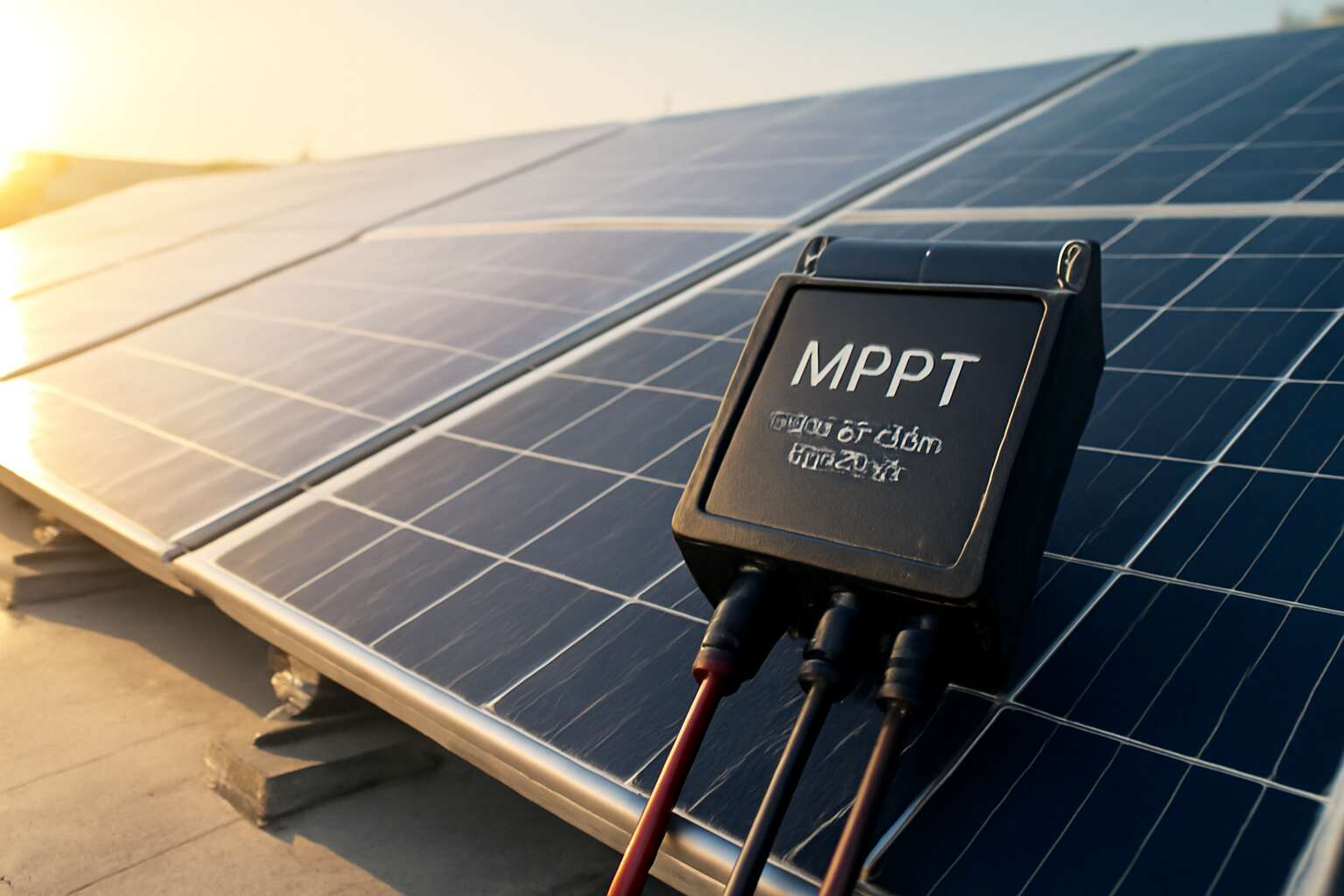
These devices sit at each panel, or natively in microinverters, constantly chasing the panel’s maximum power point. That means less waste from mismatch, better resilience to shading, and more predictable energy for homes and businesses. In practice, solar panel optimisers are compatible with standard inverters and simplify monitoring for South African installers.
- Shading patterns and orientation
- Inverter compatibility
- Monitoring and maintenance
A measured deployment today can translate into steadier energy for households and a more resilient grid tomorrow.
Types and configurations of optimisers
Across South Africa’s sun-drenched roofs, efficiency wears a quiet glamour. Small configurations can shift a year’s harvest by kilowatts. Optimisers offer a clear map for that shift, guiding each module toward its peak while the system stays calm. In this guide, we explore the kinds and configurations that fit real-world rooftops—from shady corners to commercial installs.
- Module-level optimisers that sit on each panel, chasing per-panel maximum power.
- Microinverters for independent DC-to-AC conversion at the module.
- DC-DC optimiser modules paired with a central inverter for flexible string management.
- Hybrid configurations mixing approaches for shading resilience.
Ultimately, the right mix depends on shading, roof orientation, and budget. The elegance of solar panel optimisers is turning light into a steadier energy stream for South African homes and businesses.
Benefits, performance and ROI
South Africa basks under a stubborn sun, and on many rooftops a single shaded edge can dim an entire yield. Solar panel optimisers stand as patient custodians, translating variable rays into a steady procession of watts. They chart each panel’s potential, guiding it toward peak performance while the rest of the array keeps an even pace. In this ritual, efficiency wears a quiet glamour, turning daylight into a more reliable harvest for homes and businesses.
Benefits, performance, and ROI unfold like a measured ritual across real rooftops:
- Sharper shading resilience yields more consistent daily performance
- Higher peak power across strings reduces losses on imperfect days
- Clearer monitoring and diagnostics protect long-term return on investment
When the sun lingers, the ROI speaks: steadier energy, less fuss, a calmer, more predictable stream for South African life.
Installation, safety and compatibility
In SA, a single shaded edge on a roof can cut a day’s yield by nearly a third, a stubborn truth that keeps installers awake at dusk. Solar panel optimisers translate those fickle rays into steady watts, but proper setup matters from the first screw to the last conduit!
Practical installation hinges on pairing the optimiser with an compatible inverter, clean wiring, and mindful layout that preserves airflow and safety. With solar panel optimisers in the mix, you demand precision and standards compliance—SANS 10142-1 and local grid rules guide every move.
- Compatibility considerations between inverters and solar panel optimisers, and adherence to manufacturer guidelines
- Safety and workmanship factors including enclosure, cabling, and mounting integrity
- Certification and commissioning principles to confirm long-term reliability
After commissioning, SA homes enjoy steadier output as sun arcs across the sky—safely integrated and ready for the next cloudless afternoon.
Cost considerations and buying guide
Shaded rooftops and high sun angles are mortal enemies of predictable output. In SA, a single shaded edge can trim a day’s yield by up to a third, which makes even a sunny afternoon feel like a math exam. Solar panel optimisers promise steadier watts, but the budget needs to keep up with real-world performance!
Cost considerations for these devices are not just sticker price. Think total ownership: upfront cost, installation, warranty, and potential savings from improved yield. Key factors include:
- Up-front cost and financing options
- Total cost of ownership including maintenance
- Warranty length and what it covers
- Possible savings via rebates or net metering
In a practical buying frame, look for compatibility with inverters, clear manufacturer guidelines, and robust durability. Certifications and testing inspire confidence in long-term reliability. For SA homes, resilience under heat and dust is non-negotiable.


0 Comments