Watts Up Energy Co. is a Solar energy company establishment in Tsongweni, Gauteng, South Africa
Tsongweni
Gauteng
South Africa
Sorry, no records were found. Please adjust your search criteria and try again.
Sorry, unable to load the Maps API.
Solar energy services in Tsongweni, Gauteng
In Tsongweni, Gauteng, solar energy companies provide a range of services designed to help homes and businesses reduce reliance on the grid and manage energy costs more effectively. Local customers often begin with an evaluation of energy needs and site conditions to determine the most suitable solar solution. These assessments consider daytime sun exposure, roof or ground space, electrical capacity, and budget, with the aim of delivering a reliable, long-term energy source that complements existing electrical infrastructure.
Typical offerings cover both installation and ongoing support. A common approach involves designing a customised solar photovoltaic (PV) system that integrates panels, mounting hardware, inverters, and electrical connections. The design prioritises durability in the Gauteng climate, ease of maintenance, and the ability to scale as energy demands evolve. Installations may be configured for grid-tied operation, which allows excess energy to flow back to the local network during sunny periods, or as hybrid systems that blend solar generation with storage and grid supply for more continuous reliability.
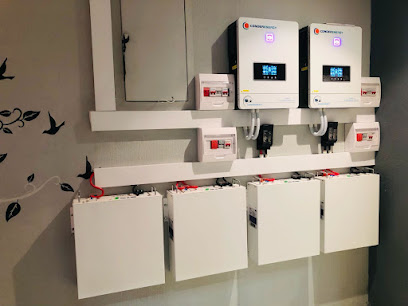
Battery storage is increasingly featured in modern solar projects. Storage enables electricity to be drawn from the system during periods of peak demand or during outages, a consideration that is particularly relevant in areas subject to load shedding. Providers commonly propose storage options that balance capacity, cycle life, and cost, and ensure compatibility with the chosen PV equipment and inverter technology. Where storage is not utilised, emphasis is placed on optimising daytime production and ensuring a seamless transfer to grid power when sunshine is insufficient.
Maintenance and monitoring form a substantial part of ongoing services. Regular inspection of panels, wiring, and mounting structures helps to prevent degradation and detect issues early. Monitoring tools may track energy production, system efficiency, and safety parameters, enabling timely adjustments and reporting. Routine servicing typically includes cleaning schedules, performance assessments, and treatment of any corrosion-prone components to extend system life in the local climate.
Additional specialised offerings may include energy efficiency consultations to reduce overall consumption, and solar water heating assessments where relevant. Solar water heating systems can complement PV setups by using captured sunlight to heat water for domestic or commercial use, contributing to overall energy cost savings. Some providers also guide customers through financing options, tax incentives, or government programmes aimed at supporting clean energy adoption. While exact terms and availability vary, customers can expect guidance on budgeting, returns on investment, and practical timelines from initial inquiry to commissioning.
Practical considerations for clients in Tsongweni centre on permitting, safety, and compatibility with existing electrical systems. Installed systems require proper electrical connections, protective measures, and compliance with national and local standards. Engineers and electricians typically organise the necessary commissioning steps, test the system, and provide documentation for warranty and future maintenance. It is common for agencies to offer post-installation support, including routine inspections and performance audits to ensure long-term reliability.
Overall, solar energy services in Tsongweni focus on delivering tangible reductions in electricity costs, improved resilience, and a cleaner energy profile for commercial and residential properties alike. Prospective customers can anticipate a clear assessment, a customised installation plan, reliable hardware choices, and ongoing support that aligns with evolving energy needs and the local regulatory environment.
- System design and technical assessment
- PV installation: panels, racking, inverters, and electrical connections
- Battery storage solutions and hybrid/grid-tied configurations
- Maintenance, monitoring, and performance optimisation
- Energy efficiency advice and optional solar water heating where appropriate