Waterberg Solar & Electrical is a Solar energy company establishment in Thabazimbi, Limpopo, South Africa
Waterberg Solar & Electrical — Solar energy company in Thabazimbi, Limpopo
Waterberg Solar & Electrical presents itself as a local provider of quality solar and electrical services centred on delivering reliable, customisable solar solutions for homes and businesses. The company emphasises a commitment to quality installations and customer service, with a stated aim to support customers from initial consultation through to installation and aftercare. Based in Thabazimbi, Limpopo, the business also indicates service coverage across several South African provinces, including Limpopo, Mpumalanga, North West and Gauteng.
The service offering is positioned around complete solar power kits for homes in South Africa, with particular attention to versatility and scalability. The site highlights modular solar products designed to be easy to manage, enabling customers to start with a smaller system and expand as needs grow. This approach aligns with practical demand from households seeking a gradual transition to solar energy while maintaining the option to scale up as electricity use or budgets evolve.
Two core pillars of the offering are solar systems and solar inverters, both described as complete kits suitable for residential use. The emphasis on integrated packages suggests a focus on simplicity for customers new to solar, as well as a straightforward path for upgrading existing setups. The company also advertises a range of warranties across components and workmanship, reinforcing a customer experience that aims to balance performance with long-term peace of mind.
In terms of warranty and reliability, Waterberg Solar & Electrical outlines several key assurances. Inverter warranties are described as dependent on the make and battery installed, with many inverters carrying a standard five-year manufacturer’s warranty. Battery warranties similarly depend on the specific battery model, with Lithium-Ion batteries commonly offering a ten-year warranty. Solar panel warranties are presented as a combination of a 12-year manufacturer warranty and a longer 20–30-year linear warranty, while workmanship carries a 90-day warranty. These details indicate a framework designed to cover major solar system components and the installation quality itself.
The company provides a range of solar configurations to suit different energy needs and contexts. Off-grid solar solutions are described as systems that supply power solely through solar panels when utility power is unavailable. Hybrid solar solutions prioritise solar as the primary energy source, switching to the utility grid to support loads when solar alone is insufficient. Grid-tie solar solutions aim to reduce daytime grid consumption by utilising solar energy to lower electricity bills. Finally, back-up solar systems focus on essential loads, using a battery bank and a hybrid inverter to maintain power during grid outages. This array of options mirrors common R&D in residential and small business solar planning, offering choices based on reliability, cost, and independence from the grid.
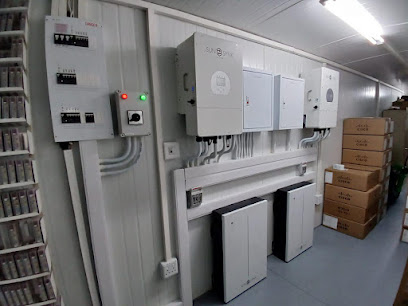
Beyond products and configurations, Waterberg Solar & Electrical provides a gallery of projects to illustrate completed installations. The presence of a dedicated installation gallery indicates an emphasis on demonstrable workmanship and a visual record of prior work, which can help prospective customers gauge style, scale, and quality of installations.
Customer feedback publicly featured on the site includes positive remarks about service quality, prices, and post-installation support. Reviews attributed to clients express appreciation for professional, knowledgeable service and ongoing assistance after installations, underscoring a perception of reliability and responsive customer care. While the testimonials are anecdotal, they convey a sense of trust and satisfaction from clients who have engaged the business for solar projects and related electrical work.
Waterberg Solar & Electrical lists a physical location at 20 Koraalboom Avenue, Thabazimbi 0380, and notes service areas that span Limpopo, Mpumalanga, North West and Gauteng. This regional footprint suggests a readiness to undertake projects across multiple provinces, offering residential and small commercial clients an accessible local partner for solar adoption.
Practical tips for potential customers include considering modular kits that allow growth as energy needs expand, and confirming the specific warranties tied to equipment chosen for a project. When planning a solar upgrade, it is useful to identify short-term budgeting alongside long-term energy goals to determine whether an off-grid, hybrid, grid-tie, or back-up configuration best suits daily electricity use and resilience requirements. Prospective clients should also review the gallery and any available project case studies to understand how installations were implemented in similar settings, including site constraints and aesthetic considerations.
Overall, Waterberg Solar & Electrical presents a locally rooted option for solar and electrical services, with an emphasis on quality installations, modular systems, and a warranty framework intended to provide assurance across components and workmanship. The company’s offering spans residential solar kits, various system configurations, and a visible portfolio of completed projects, aimed at supporting customers in Thabazimbi and the wider region as they transition toward solar autonomy.
Thabazimbi
Limpopo
South Africa
Sorry, no records were found. Please adjust your search criteria and try again.
Sorry, unable to load the Maps API.
Solar energy services in Thabazimbi, Limpopo
In Thabazimbi, Limpopo, solar energy providers offer a range of services designed to help households and small to medium enterprises make the most of abundant sunshine. An independent assessment of local conditions is typically the starting point, focusing on site suitability, shading analysis, and the anticipated load profile. This ensures the proposed solar installation aligns with economic and practical goals, whether the objective is to reduce reliance on the grid, provide backup power, or support remote operations in rural areas.
Consultations usually cover system design, equipment selection, and project planning. With the hot, sunny climate and occasional gusts in the region, engineers emphasise durability and performance, selecting components that can withstand dust, high temperatures, and intermittent rainfall. The design process often includes a balance between photovoltaic (PV) panels, inverters, mounting structures, and, if applicable, energy storage solutions. For off-grid or hybrid setups, battery storage capacity is calculated to ensure reliable power during night-time hours and cloudy spells, while grid-tied configurations consider the local utility framework and potential demand charges.
Installation is conducted by qualified teams familiar with the terrain and local regulations. Site preparation may involve securing roof anchors for rooftop systems or installing ground-mounted arrays, along with cable routing and weatherproof terminations. The choice of mounting system is guided by durability, ease of maintenance, and exposure to wind loads typical of the Limpopo region. Electrical work adheres to safety standards, with attention given to proper grounding, surge protection, and compliant wiring practices. Weather considerations, such as seasonal rainfall and dust, are incorporated into enclosure protection and filtration where required.
Maintenance and aftercare form a vital part of the service offering. Routine inspections check for loose fittings, corrosion, panel cleanliness, and inverter health. Cleaning is commonly recommended to sustain optimal efficiency, particularly in dusty environments. In the longer term, performance monitoring helps identify shading changes, degradation, or underperforming components, enabling timely interventions. Some providers offer remote monitoring dashboards that enable customers to view generation data, energy exports, and system alerts, helping to plan maintenance and equipment replacements.
Energy storage and management emerge as a key consideration for many users in the area. Battery solutions provide resilience for outages and enhance the ability to manage peak electricity demand. Where storage is installed, charging regimes, cycle life, and safety features such as thermal management are discussed to maximise longevity. For commercial customers, energy management strategies may include load shifting, essential circuit prioritisation, and integration with backup generators or other micro-grid arrangements.
Compliance and financing considerations are routinely addressed. Prospective clients are guided on permitting, grid connection processes, and any local incentives or rebates available. Transparent information regarding warranties, service level commitments, and expected system performance is typically provided, with emphasis placed on realistic expectations based on local climate and usage patterns. Practical budgeting considerations cover installation costs, ongoing maintenance, and potential savings from reduced grid consumption, helping customers weigh return on investment over the system’s lifetime.
Overall, the services offered by solar energy providers in Thabazimbi are geared towards delivering reliable, long-term renewable power solutions tailored to the region’s distinctive conditions. Clients can expect a structured journey from initial assessment through installation and ongoing support, with a focus on durability, efficiency, and practical energy management that aligns with local needs and possibilities.
Typical service stages
- Site assessment and feasibility study
- System design and equipment selection
- Permitting, grid connection, and project planning
- Installation of PV panels, inverters, and mounting systems
- Battery storage and energy management (where applicable)
- Commissioning, performance verification, and handover
- Maintenance, monitoring, and periodic servicing