The Trec is a Solar energy company establishment in Thaba Chweu Local Municipality, Mpumalanga, South Africa
Mpumalanga
South Africa
Sorry, no records were found. Please adjust your search criteria and try again.
Sorry, unable to load the Maps API.
Solar energy services in Thaba Chweu Local Municipality, Mpumalanga
Across Thaba Chweu Local Municipality, solar energy providers offer a range of services designed to maximise the benefits of South Africa’s abundant sunshine. The focus is on practical, scalable solutions for both rural households and small to medium-sized businesses nestled within Mpumalanga’s scenic landscape. Clients can expect a consultative approach that begins with understanding daily energy needs, outdoor working conditions, and existing electrical infrastructure before proposing a custom plan.
Typical offerings include comprehensive site assessments to determine the most efficient solar arrangement. This involves evaluating roof space or ground mount potential, shading analysis, orientation, and local weather patterns. A detailed bill of quantities and load analysis help in estimating system size, equipment requirements, and potential savings. Where needed, the assessment also considers peak demand periods and the viability of optional battery storage to smooth power supply during load shedding or outages, which are common in the region.
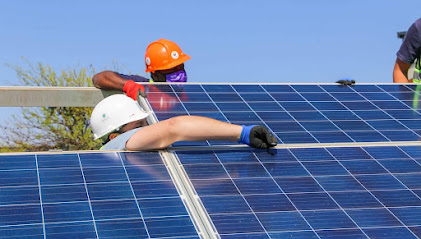
Installation services cover the full installation lifecycle, from mounting photovoltaic panels and wiring to inverters and charge controllers, through to system commissioning. Panels are usually selected for durability and performance in high temperatures, with attention to coastal or inland conditions in Mpumalanga. Inverters convert DC electricity into usable AC power, and when batteries are included, energy storage systems enable a more reliable supply, particularly for homes and small enterprises operating after sunset. The installation process emphasises safety, adherence to electrical standards, and careful routing of cables to minimise disruption to daily operations.
Maintenance and monitoring form a core component of ongoing solar service. Routine checks inspect panels for dirt and debris, wiring integrity, inverter health, and the condition of mounting structures. Remote monitoring tools may be employed to track energy production, identify anomalies, and send alerts if performance drops or faults arise. Routine cleaning, inverter firmware updates, and battery maintenance when applicable help sustain system efficiency and longevity. Most providers outline straightforward warranty terms on panels, inverters, and batteries, with options for extended coverage depending on customer requirements.
Practical considerations for customers in Thaba Chweu include the alignment of solar projects with local electrical grid policies, planning permissions where applicable, and potential subsidies or financing options available to residents. The region’s sunny climate supports strong photovoltaic yields, though high daytime temperatures can influence certain panel efficiencies and system design. Addressing load requirements—such as refrigeration for perishables, irrigation pumps for agriculture, or workshop machinery for small businesses—ensures the solution is fit-for-purpose. Providers typically discuss the anticipated return on investment, noting that savings depend on energy consumption patterns, tariff structures, and the chosen configuration of panels, inverters, and storage.
- Site assessment and load analysis
- System design for rooftop or ground-mounted installations
- Installation of PV panels, inverters, and battery storage (where chosen)
- Commissioning, performance testing, and handover
- Maintenance, monitoring, and remote diagnostics
In summary, solar energy services in Thaba Chweu are characterised by practical, customer-focused approaches that translate abundant sunshine into reliable, cost-effective power. By combining rigorous assessments with carefully planned installations and ongoing support, providers aim to deliver resilient energy solutions suited to the region’s climate, communities, and business needs.