Sunflex Energy is a Solar energy company establishment in Roodepoort, Gauteng, South Africa
Roodepoort
Gauteng
South Africa
Sorry, no records were found. Please adjust your search criteria and try again.
Sorry, unable to load the Maps API.
Solar Energy Services in Roodepoort, Gauteng
In Roodepoort, Gauteng, a solar energy company typically delivers end-to-end services that help residential, commercial and small to medium enterprise customers harness the region’s abundant sunlight. The process often begins with an independent assessment of energy needs and site characteristics, followed by a tailored plan designed to maximise long-term savings and energy resilience.
Consultation and site assessment form the foundation of the service offering. Trained professionals evaluate roof orientation, shading from trees or neighbouring structures, roof condition, and usable mounting space. They consider daily and seasonal electricity consumption, peak demand, and the owner’s objectives—whether to reduce grid imports, provide reliable power during outages, or achieve complete self-sufficiency. This stage also includes discussion of potential financial considerations, such as expected returns, payback periods, and available financing avenues, without asserting any specific lender or scheme.
Design and engineering follow the initial assessment. System design typically covers the number and type of solar photovoltaic (PV) panels, the configuration of strings, the choice of inverters, and the integration with any battery storage or backup systems. In Roodepoort’s urban and suburban settings, many installations are grid-tied with optional hybrid capabilities to accommodate load shedding and future expansion. Engineering outputs may include electrical diagrams, mounting layouts, and a bill of materials, all aimed at ensuring safety, reliability, and code compliance.
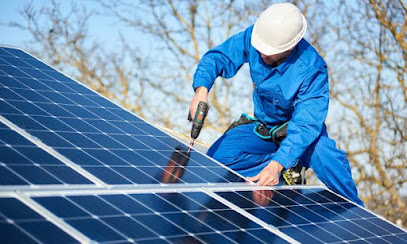
Installation services span the physical mounting of PV panels, electrical interconnections, inverter placement, and any required electrical work to meet local regulations. The process emphasises proper cable management, weatherproofing, and robust mounting to withstand local wind and climatic conditions. Qualified installers typically work with a recognised electrical contractor to ensure compliance with South African standards and municipal requirements, including any necessary permits and inspections.
Commissioning and performance verification are standard steps once hardware is installed. Technicians test system integrity, verify string voltages, and assess inverter programming, ensuring optimised power output. Post-installation, monitoring solutions may be discussed, enabling remote or on-site tracking of energy production and consumption. Where relevant, these services help identify underperformance issues, such as shading changes, panel dirt accumulation, or inverter faults, and guide corrective actions.
Maintenance, servicing and aftercare are important features of the service offering. Regular inspections, cleaning of panels, electrical safety checks, and inverter firmware updates help sustain performance over the system’s lifespan. Some providers offer service plans that include fault tracing, warranty support, and routine system health reports, though the specifics of coverage vary by contractor and product choices.
Practical considerations are central to solar projects in Roodepoort. Local climate and sun exposure drive expected energy yields, while the grid’s capacity and the area’s policy environment influence connection feasibility and timing. Roof suitability, including structural integrity and space for mounting, is routinely assessed. Electrical compatibility with the existing distribution board, potential earthing requirements, and compliance with urban planning or building regulations are addressed before work commences. For many businesses and households, strategic siting, scalable design, and attention to shading mitigation present opportunities to maximise return on investment and energy security.
Overall, solar energy services in Roodepoort combine expert assessment, customised design, careful installation, and ongoing support. The aim is to deliver reliable power, lower electricity costs, and greater resilience against outages, while keeping installation and maintenance aligned with local regulations and practical site realities.