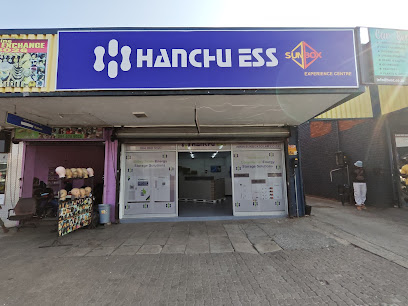
Sunbox Solar is a Solar energy company establishment in Brits, North West, South Africa
Brits
North West
South Africa
Sorry, no records were found. Please adjust your search criteria and try again.
Sorry, unable to load the Maps API.
Solar Energy Services in Brits, North West, South Africa
In Brits, a town nestled in the North West Province, solar energy services are increasingly prioritised by households and small to medium enterprises seeking reliable, cost‑effective power solutions. The typical offerings centre on harnessing daylight to generate electricity, reduce dependence on the grid, and design systems that suit local weather patterns, consumption profiles, and available space. Providers often approach projects with an emphasis on practical viability, safety, and long‑term performance rather than purely promotional claims.
A common starting point involves a comprehensive site assessment. Specialists assess roof orientation, shading from neighbouring structures, available area for modules and storage, and the local climate’s impact on energy production. This phase also considers regulatory requirements, electrical infrastructure, and the potential for future expansion. The outcome is usually a tailored plan that outlines system capacity, equipment placement, and a proposed timeline for installation.
Design and engineering constitute the next stage. Solar solutions are typically sized to meet expected daytime demand, with attention to peak loads and daily usage patterns. For many premises in Brits, options include grid‑tied systems that feed surplus electricity back into the national grid, off‑grid configurations that rely on storage, or hybrid arrangements that combine both approaches. The design process also weighs the choice of modules, inverters, mounting solutions, and monitoring interfaces, ensuring compatibility with the site and local electrical standards.
Installation services cover mounting photovoltaic panels securely, wiring to inverters, and connecting storage solutions where applicable. The process emphasises safety, with adherence to relevant electrical codes and construction best practices. Technicians may coordinate with local authorities to acquire necessary permits and ensure compliance with grid connection requirements. On completion, a commissioning phase tests performance, verifies power output, and confirms that safety interlocks and protective measures function correctly.
Maintenance and aftercare are important aspects of solar energy provision. Routine checks typically address panel cleanliness, electrical connections, inverter performance, and battery health where storage is used. Some operators offer monitoring tools that provide remote visibility into production, consumption, and alerts for anomalies. Regular servicing helps sustain warranted performance and can extend the lifespan of the installation. In addition, servicing plans may cover parts replacement, firmware updates, and periodic safety inspections of racking and cabling.
Storage and energy management are increasingly integral to solar offerings in the region. Battery systems enable greater resilience during outages and help smooth energy use in areas with variable grid quality. The choice of storage technology, capacity, and charge‑discharge strategies is guided by daily demand, critical loads, and long‑term cost considerations. In certain applications, hybrid approaches combine solar generation with existing generators or alternative energy sources to improve reliability and cash flow certainty.
Financing and ownership models are typically presented in a practical, non‑hyperbolic manner. Potential customers may be offered transparent costings, payback analyses, and the possibility of third‑party financing or lease structures. The emphasis remains on clear returns, system lifespans, and compatible maintenance commitments rather than speculative promises. It is prudent to discuss tax incentives, rebates, and local energy policies that could influence financial viability, keeping in mind that offerings vary by provider and over time.
Practical considerations for clients in Brits include evaluating the local solar resource, the suitability of the existing electrical infrastructure, and the availability of skilled local installers. Geography, weather patterns, and household or business energy profiles shape what constitutes a sensible system size and configuration. Prospective buyers should request full system drawings, post‑installation support details, and a clear description of any warranty terms, ensuring expectations align with the real‑world performance and ongoing service provisions.