Suburban Power is a Solar energy company establishment in Durban, KwaZulu-Natal, South Africa
Durban
KwaZulu-Natal
South Africa
Sorry, no records were found. Please adjust your search criteria and try again.
Sorry, unable to load the Maps API.
Solar Energy Services for Durban, KwaZulu-Natal
In Durban and the wider KwaZulu-Natal region, solar energy providers offer a range of services designed to harness abundant daylight and reduce energy costs for homes and businesses. Local projects typically begin with a feasibility assessment that considers roof orientation, shading, available space, and expected electrical load. The aim is to determine the most effective layout for photovoltaic (PV) panels, inverters, and optional storage solutions within the distinctive coastal climate of the area.
Consultation and design form the foundation of most installations. Specialists evaluate current electricity usage, peak demand periods, and potential upgrades to electrical infrastructure. A bespoke system design is prepared, outlining the number and type of PV modules, mounting options for roofs or ground installations, inverter sizing, and any battery storage needs. In Durban’s warm and humid conditions, equipment selection emphasises durability and resistance to corrosion, with components chosen to withstand salt-laden air and elevated ambient temperatures.
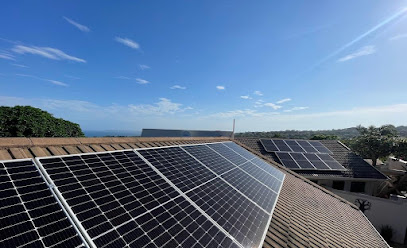
Residential services commonly cover site surveys, system sizing, equipment supply, and on-site installation. Rooftop installations are a frequent choice, leveraging the available roof area on single-family homes, townhouses, or apartment complexes. Ground-mounted arrays may be considered in larger plots or commercial premises where roof space is limited. In addition to PV panels, the standard package typically includes inverters, mounting hardware, electrical protection devices, wiring, and a monitoring interface to track system performance. Where suitable, optimisations for shaded or partially shaded sites are explored, using designs that maximise energy generation while maintaining safety and accessibility for future maintenance.
Battery storage and hybrid configurations are commonly offered to boost energy resilience. Depending on the client’s goals, energy storage can provide backup during outages or help smooth daytime energy production against evening consumption. Hybrid systems may combine solar generation with conventional utility power, enabling a more stable energy supply and potential financial savings over time. For some clients, the emphasis is placed on grid-tied systems that feed surplus electricity back into the national grid under local regulations, subject to applicable licensing and connection arrangements.
Commercial and industrial customers receive a broader scope of services. Professional teams consider daytime load profiles, heavy electricity users, and the infrastructure needed for larger-scale PV arrays. The process often includes a detailed energy audit, engineering design for large roofed or ground-mounted installations, and project management that coordinates procurement, permitting, electrical work, and commissioning. After installation, ongoing maintenance programmes are offered to ensure continued performance, including routine inspections, cleaning, performance testing, and prompt response to any faults detected by monitoring systems.
Maintenance and monitoring play a crucial role in Durban’s solar landscape. Remote monitoring provides real-time insights into panel output, voltage levels, and system health, enabling quicker detection of underperformance or component degradation. Scheduled maintenance visits help preserve efficiency and extend the lifespan of array components. Warranties and service agreements vary, but clients typically receive reassurance around equipment reliability, with guidance on when parts may require replacement or adjustment.
Practical considerations for residents and businesses in KwaZulu-Natal include building orientation, roof integrity, and local weather patterns. The region’s climate delivers abundant sunshine but can present challenges such as high humidity and occasional tropical storms. Accordingly, installers prioritise robust weatherproofing, corrosion-resistant materials, and secure mounting solutions. Finally, potential customers should verify that a chosen provider adheres to local electrical codes and permits, ensuring a compliant and safe integration of solar energy within existing power systems.
- Site assessment and system sizing
- PV panel installation and mounting
- Inverter selection and electrical integration
- Battery storage and hybrid configurations
- Monitoring, maintenance, and performance optimisation