Stans soalar solutions is a Solar energy company establishment in Midrand, Gauteng, South Africa
Gauteng
South Africa
Sorry, no records were found. Please adjust your search criteria and try again.
Sorry, unable to load the Maps API.
Solar Energy Services in Midrand, Gauteng: What to Expect
In Midrand, Gauteng, solar energy providers typically offer a range of services aimed at improving energy resilience and reducing electricity costs for domestic, commercial, and light industrial customers. The area’s climate, demand patterns, and grid considerations shape the way these services are delivered, with emphasis on practical system design, installation, and ongoing maintenance. Clients can expect clear guidance on suitability, environmental impact, and long‑term value when engaging a professional solar energy company in this region.
Initial assessments form a common starting point. Specialists usually begin with an on‑site visit to evaluate roof space, orientation, shading, and structural integrity. A site survey may cover electrical infrastructure, meter configuration, and potential interconnections with the prevailing local grid. The intention is to determine the optimal size and configuration of a solar array, taking into account current and anticipated electricity usage, budget, and any relevant regulatory or permit requirements. Where feasible, consultants provide indicative projections of energy production under typical weather conditions in Gauteng.
Design and planning constitute the core phase. Designers translate the survey findings into a customised system proposal that includes the number of photovoltaic modules, inverter selection, mounting hardware, and cabling routes. System architectures commonly referenced include grid‑tie arrangements for customers seeking to offset grid import, and hybrid or battery‑based solutions for those aiming to increase self‑consumption or maintain power during outages. The plan often outlines potential expansion pathways to accommodate future demand growth or changes in tariff structures.
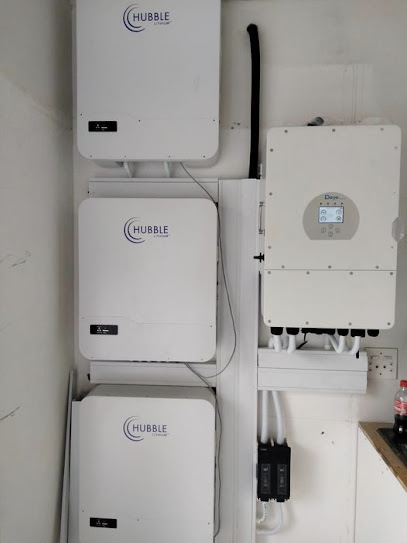
Installation is performed by qualified technicians who follow industry best practices to ensure electrical safety and compliance with local regulations. The installation process typically involves mounting solar panels on rooftops or ground frames, wiring to inverters, and integrating with the building’s electrical distribution. Where battery storage is included, additional equipment such as battery banks, charge controllers, and monitoring hardware is installed. The commissioning stage verifies electrical performance, safety interlocks, and system communication with monitoring platforms where applicable. Customers may receive handbooks or instructions for basic operation and safety considerations post‑installation.
Aftercare and maintenance are commonly offered as ongoing support. Routine maintenance may encompass visual inspections, cleaning of modules, performance checks, and inverter firmware updates. Some providers offer service plans that include periodic performance data reviews, fault diagnosis, and planned preventative maintenance to guard against degradation or component wear. In the South African context, attention is often given to temperature effects, redress mechanisms for utility feed‑in tariffs, and ensuring reliability during peak demand periods when the grid experiences stress.
Expected outcomes for clients generally focus on enhanced energy independence, potential reductions in monthly electricity bills, and a smaller carbon footprint. The real value emerges from a system that reliably delivers clean energy, matches usage patterns, and provides transparent reporting on production versus consumption. Customers can anticipate practical consideration of roof load, wind exposure, and local weather profiles, as well as clear explanations of financing options, payback timelines, and the implications of local tariffs and net metering policies.
Practical considerations involved in this market include procurement timelines, permitting requirements, and the availability of local service support. Reputable providers tend to prioritise safe working practices, comprehensive risk assessments, and clear communication about project milestones. For Midrand clients, proximity to service teams can enable swifter site visits and faster response for technical issues, while durability and warranty terms are typically explained as part of the proposal, offering reassurance over long‑term performance in Gauteng’s climate.
- Site assessment and load analysis
- System design and engineering planning
- Installation of panels, inverters, and storage (where chosen)
- Commissioning, safety testing, and grid connection
- Ongoing maintenance, monitoring, and support